
2025 Wallpaper Trend Finder
Select your room type and lighting conditions to discover the ideal wallpaper style for your space.
Fill out the details on the left and click "Find My Trend" to see your personalized wallpaper recommendation.
You might think wallpaper is a relic of your grandmother’s hallway or the cheap vinyl strips from college dorms. But here’s the twist: Wallpaper is currently undergoing its biggest renaissance since the 1970s. It’s not just covering walls anymore; it’s defining the mood of entire rooms. If you’re planning a refresh for 2025, ignoring this medium means missing out on the easiest way to inject personality into your space without knocking down a single brick.
Why the sudden obsession? Well, paint has its limits. You can’t get texture, depth, or that specific tactile feel from a roller and a bucket of latex. Wallpaper does. As we move through 2025, the trend isn’t about hiding mistakes-it’s about highlighting character. Whether you’re in a sleek Melbourne apartment or a suburban family home, understanding what’s trending now saves you from buying something that looks dated by next Christmas.
The Shift from Minimalism to Maximalist Textures
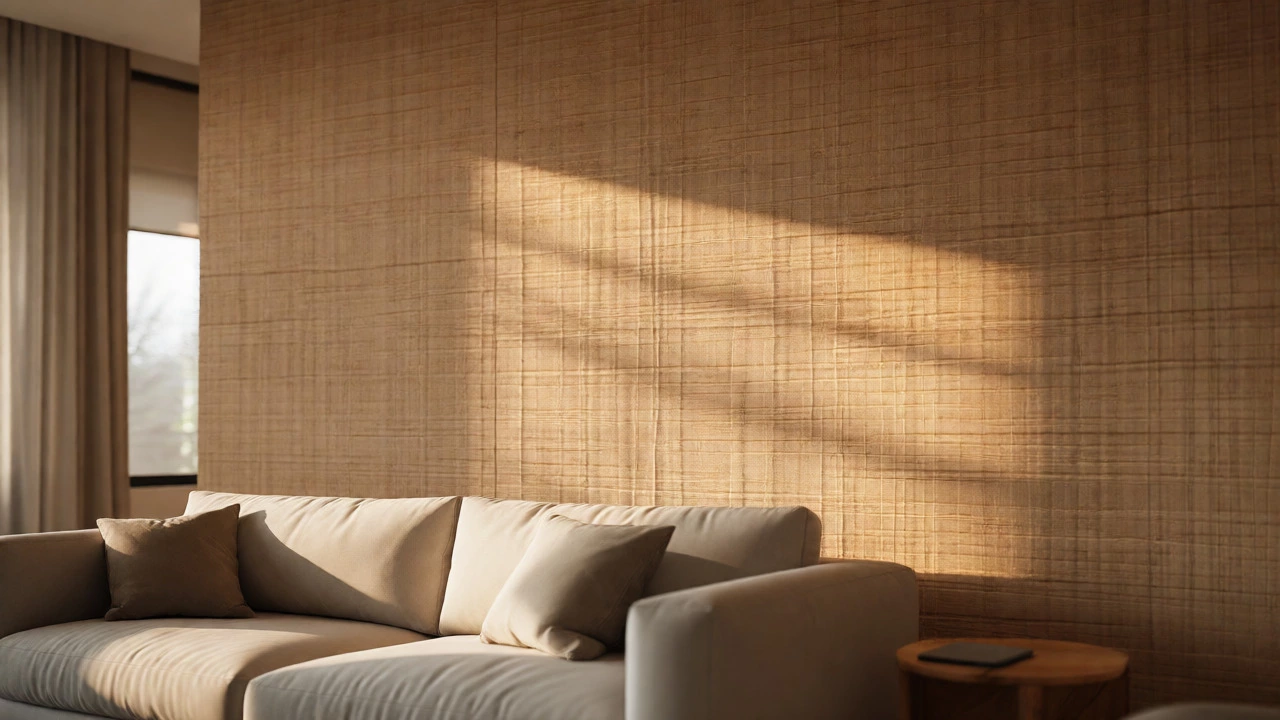
For years, the interior design world was obsessed with "clean lines" and beige minimalism. That era is over. The dominant force in 2025 Wallpaper Trends is texture. We aren’t just looking at flat images anymore; we want walls you can feel. This doesn’t mean rough plaster everywhere, but rather wallpapers that mimic natural materials like grasscloth, linen, or even stone.
Think about the difference between a printed photo of wood and a high-quality vinyl wallpaper with an embossed grain. One looks like a poster; the other looks like craftsmanship. In 2025, designers are pushing for this sensory experience. If your room feels cold or sterile, a textured wallpaper adds immediate warmth. It absorbs light differently than paint, creating shadows and highlights that change throughout the day. This is why matte finishes are skyrocketing in popularity. Glossy wallpaper screams "cheap novelty," while matte textures whisper "expensive comfort."
- Grasscloth Revival: Natural fibers woven together create an organic, irregular pattern that hides wall imperfections beautifully.
- Linen-Effect Vinyl: Durable enough for bathrooms but soft enough for bedrooms, offering a cozy fabric look without the maintenance.
- Stone and Concrete Prints: Industrial chic meets luxury, perfect for modern living rooms that need grounding.
Beyond Botanicals: The Evolution of Nature Themes
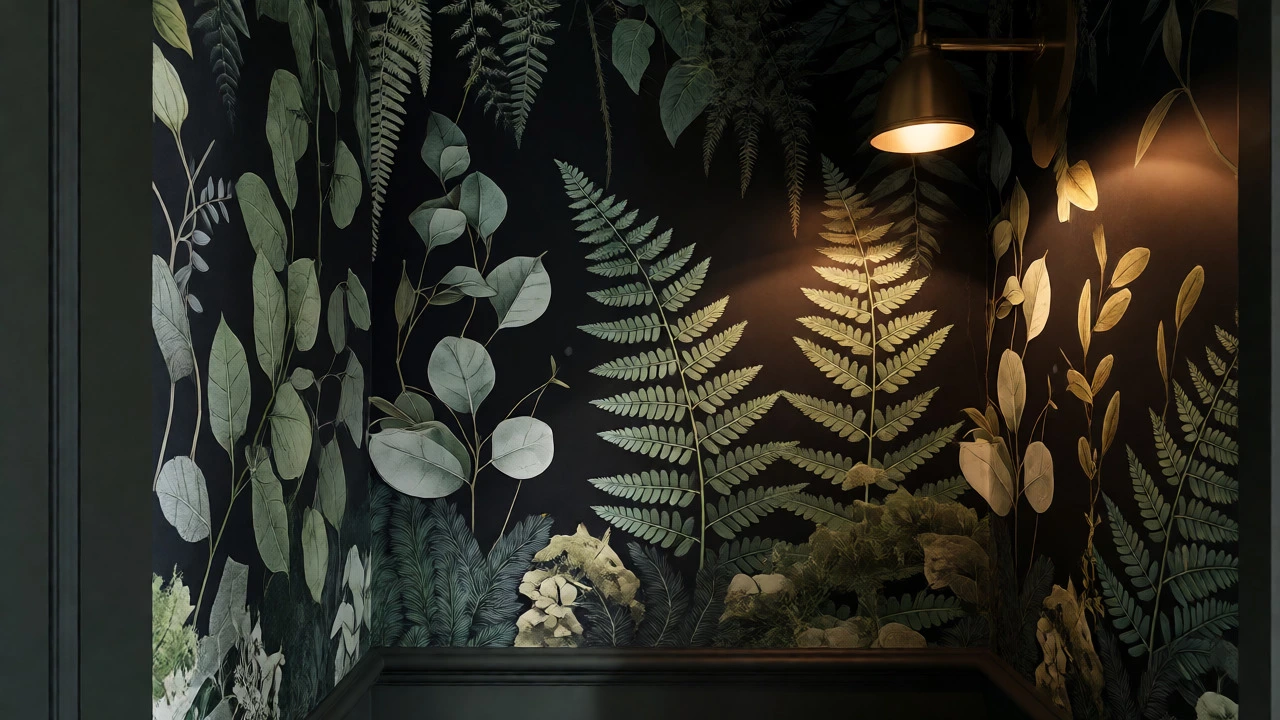
Let’s be honest: palm trees have had their moment. For the last decade, every second Instagram post featured a monstera leaf print. But don’t throw out your greenery just yet. The nature theme is evolving, not disappearing. In 2025, we’re seeing a shift toward darker, moodier botanicals and hyper-specific local flora.
Instead of bright, cheerful tropical prints, expect deep greens, forest blues, and intricate illustrations of ferns, mosses, and wildflowers. This aligns with the broader "biophilic design" movement, which aims to connect inhabitants with nature. However, the execution is different. We’re moving away from cartoonish leaves toward realistic, almost scientific illustrations. Imagine a wall covered in detailed sketches of Australian eucalyptus or native ferns, rendered in charcoal or muted sage tones.
This trend works because it brings life indoors without requiring actual plants that might die from neglect. It’s low maintenance but high impact. A dark botanical wallpaper in a small powder room creates an instant sense of mystery and depth, making the tiny space feel larger and more intentional. It’s not just decoration; it’s storytelling about where you live and what surrounds you.
Maximalism and Bold Patterns Return
If you’ve been afraid to make a statement, 2025 gives you permission to go big. Maximalism is back, but it’s smarter this time. We’re not talking about clashing colors randomly thrown together. We’re talking about curated chaos. Large-scale patterns are dominating the scene. Think oversized florals, dramatic geometric shapes, and abstract art pieces scaled up to cover entire walls.
Why does this work? Because large patterns trick the eye. They draw attention to the scale of the room rather than its flaws. A busy, bold wallpaper can actually make a cluttered shelf look intentional rather than messy. It anchors the space. When you choose a maximalist wallpaper, you treat the wall as a piece of art. You stop worrying about matching every cushion perfectly and start focusing on the overall vibe.
However, there’s a trap here. Don’t use bold patterns on all four walls unless you love being visually overwhelmed. The pro tip? Use a bold wallpaper on one accent wall-usually behind the bed, the sofa, or the dining table-and keep the rest neutral. This balances the energy and prevents the room from feeling like a cave.
Nostalgia with a Modern Twist: Retro Geometrics
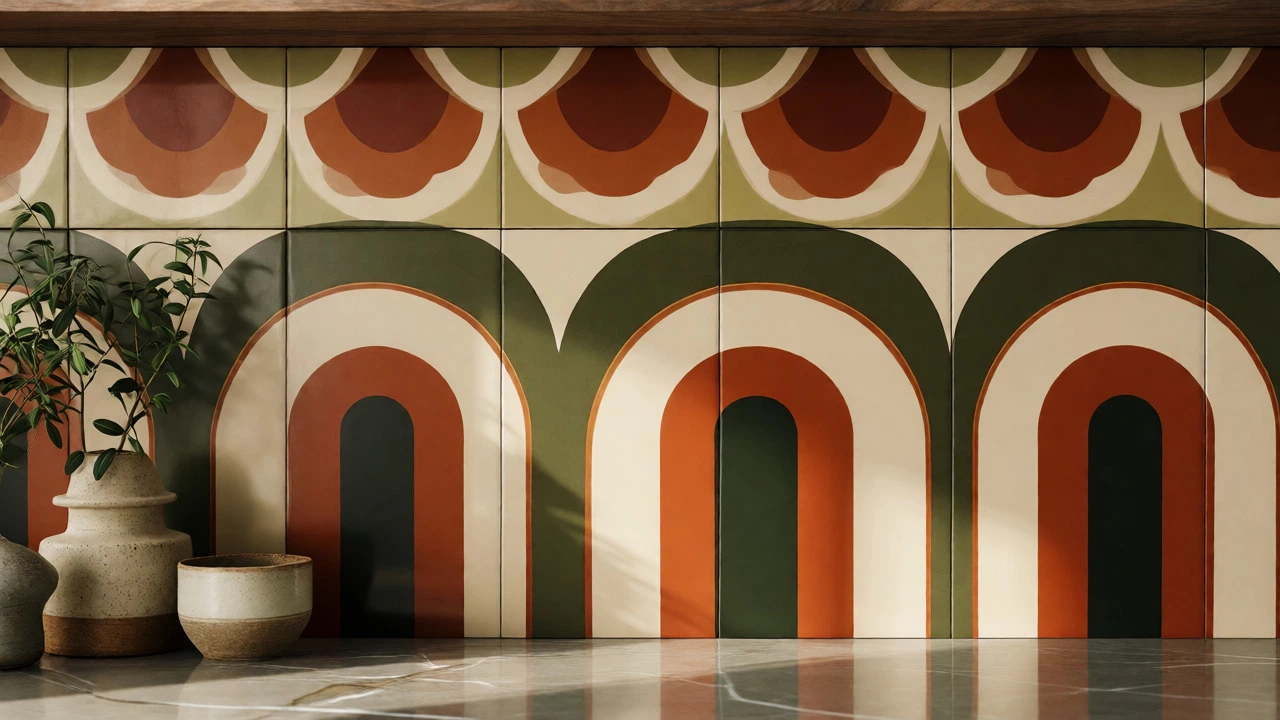
Nostalgia is powerful. Right now, we’re seeing a resurgence of 1970s and 1980s aesthetics, but filtered through a modern lens. Retro geometrics are huge. Think scalloped edges, arches, and terrazzo-inspired patterns. These designs offer structure and rhythm, which contrasts nicely with the organic textures mentioned earlier.
The key difference from the past is the color palette. Original retro wallpapers were often loud and saturated. The 2025 versions use softer, earthier tones. Instead of neon orange and brown, you’ll see burnt sienna, olive green, and cream. This makes the retro look sophisticated rather than kitschy. It appeals to those who want a touch of vintage charm without looking like they’re living in a museum exhibit.
| Style Category | Best Room Application | Visual Effect | Maintenance Level |
|---|---|---|---|
| Textured Grasscloth | Living Room, Study | Adds warmth and acoustic dampening | Medium (avoid wet cleaning) |
| Dark Botanical | Powder Room, Dining | Creates depth and intimacy | Low (wipeable vinyl options) |
| Large Scale Floral | Bedroom Accent Wall | Makes small rooms feel expansive | Low |
| Retro Geometric | Kitchen Backsplash, Hallway | Adds energy and visual rhythm | High (durable vinyl recommended) |
Sustainable and Eco-Friendly Materials
Consumers are smarter now. We care about what our homes are made of. In 2025, sustainability isn’t a niche feature; it’s a baseline expectation. Many leading brands are switching to PVC-free papers and using water-based inks. This matters if you’re concerned about indoor air quality, especially in bedrooms or children’s rooms.
Look for certifications when shopping. Non-woven substrates are popular because they’re breathable and easier to remove without damaging drywall. This reduces waste during renovations. Plus, many companies now offer digital printing services, which means less ink waste and no minimum order quantities. You can print exactly what you need, reducing leftover stock that ends up in landfills.
It’s also worth noting that sustainable wallpapers often perform better. High-quality paper breathes, helping regulate humidity in older homes. Cheap vinyl traps moisture, which can lead to mold behind the paper. Investing in eco-friendly options isn’t just good for the planet; it’s good for your health and your wallet in the long run.
How to Choose the Right Trend for Your Space
So, how do you decide which trend fits your home? Start with the function of the room. A high-traffic hallway needs durability, so go for washable vinyl with a subtle texture. A quiet reading nook can handle delicate grasscloth or a moody botanical print.
Consider lighting too. Dark wallpapers absorb light, making a room feel cozier but potentially smaller. If your space lacks natural light, stick to lighter textures or reflective surfaces. Conversely, a sun-drenched room can handle deep, rich colors that would crush a dim space.
Finally, test before you commit. Never buy a full roll based on a website image. Order samples. Tape them to your wall. Look at them at night under artificial light and during the day under sunlight. Colors shift dramatically depending on the source. What looks like a warm terracotta in daylight might turn muddy brown at night. Taking this extra step saves hours of regret later.
Is wallpaper still considered outdated?
No, absolutely not. While cheap, peel-and-stick novelty prints from the early 2000s fell out of favor, high-quality designer wallpaper is experiencing a major revival. It is now viewed as a premium design element comparable to custom millwork or artwork.
What is the most durable wallpaper material for 2025?
Vinyl-coated non-woven wallpaper remains the most durable option. It resists scratches, moisture, and fading better than pure paper. It is ideal for kitchens, bathrooms, and hallways where wear and tear are common concerns.
Can I use textured wallpaper in a bathroom?
Yes, but you must choose a vinyl-backed textured wallpaper. Pure grasscloth or fabric wallpapers will absorb moisture and may warp or develop mold. Ensure the product is explicitly labeled as suitable for humid environments.
How do I make a small room look bigger with wallpaper?
Use vertical stripes or large-scale patterns on a single accent wall. Lighter shades of textured neutrals can also expand visual space. Avoid heavy, dark patterns on all four walls unless you want a cozy, enclosed feel.
Are eco-friendly wallpapers harder to install?
Not necessarily. Most modern eco-friendly wallpapers use non-woven substrates, which are actually easier to install than traditional paste-the-paper types. You apply the adhesive directly to the wall, and the paper hangs straight and true without soaking time.