
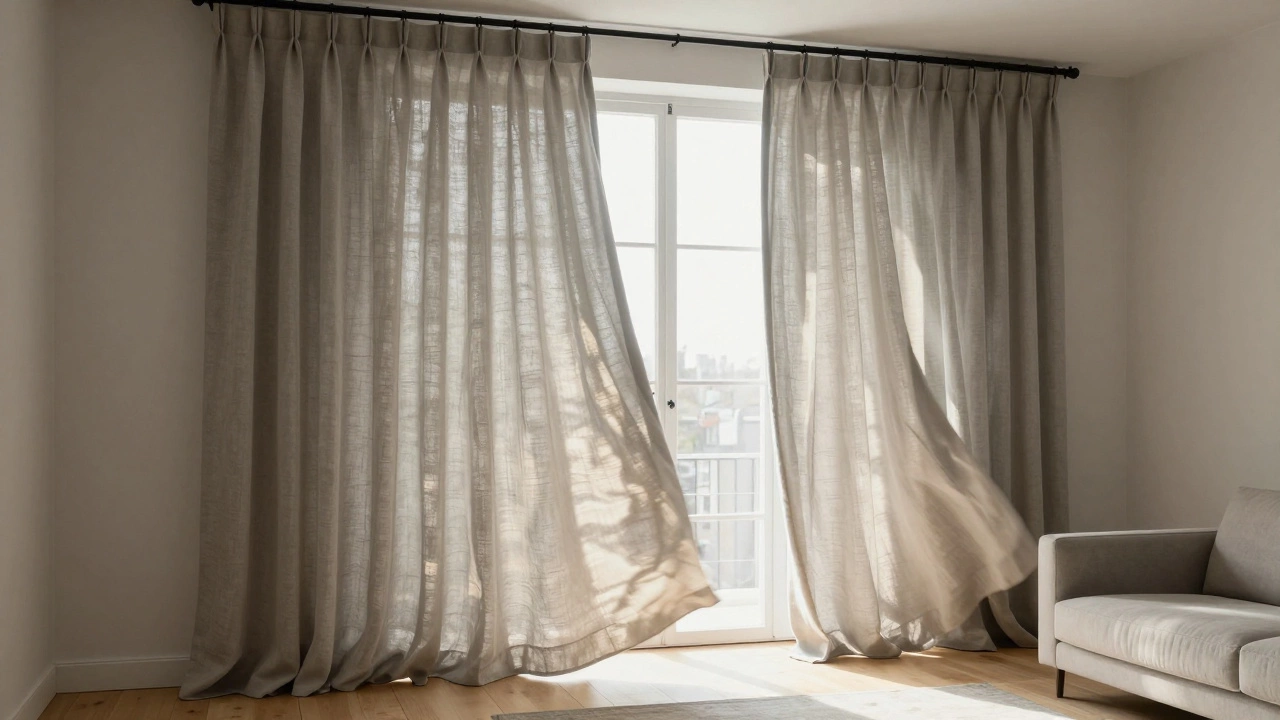
People still ask if curtains are old fashioned. The answer? Not even close. Curtains aren’t going anywhere-they’re just changing shape. You might see sleek roller shades or minimalist Roman blinds in a lot of modern homes, but that doesn’t mean traditional curtains are out. They’re evolving. And if you’re thinking of skipping curtains altogether because they feel dated, you’re missing out on something powerful: control, comfort, and character.
Curtains Aren’t Dead, They’re Just Different
Back in the 90s, heavy velvet drapes with tassels and fringe were everywhere. Those aren’t coming back. But that doesn’t mean curtains themselves are outdated. Today’s best window treatments are clean, intentional, and tailored to how you actually live. Think floor-to-ceiling linen panels in a neutral tone, or lightweight cotton voile that lets morning light filter through softly. These aren’t old-fashioned-they’re timeless.
Look at any high-end interior magazine from Tokyo to Toronto. Curtains are still there. The difference? They’re not hiding windows anymore. They’re framing them. They’re part of the design, not just an afterthought. A well-chosen curtain can make a room feel taller, cozier, or more luxurious-without adding a single piece of furniture.
Why People Think Curtains Are Outdated
The idea that curtains are old fashioned comes from a few real trends. First, minimalist design took off hard in the 2010s. Clean lines. Bare windows. No clutter. That led a lot of people to swap curtains for blinds, shutters, or just leave windows bare. Second, smart homes pushed automation. Motorized shades became a status symbol. Why pull a cord when you can tap your phone?
But here’s what those trends don’t tell you: bare windows are cold. Literally and emotionally. Glass lets in heat in summer and steals it in winter. Curtains act as insulation. A pair of lined cotton panels can reduce heat loss by up to 25%, according to the U.S. Department of Energy. That’s not just comfort-it’s savings.
And let’s talk about privacy. Not everyone wants their living room visible from the street at night. Curtains give you control. You don’t need to close heavy drapes to feel private. Even a sheer panel does the job beautifully when paired with the right lighting.
Modern Curtain Styles That Actually Work
If you’re worried curtains look too traditional, here’s what’s working right now:
- Lightweight linens in oat, taupe, or soft gray-draped from ceiling to floor with minimal hardware. No pleats. No ruffles. Just flow.
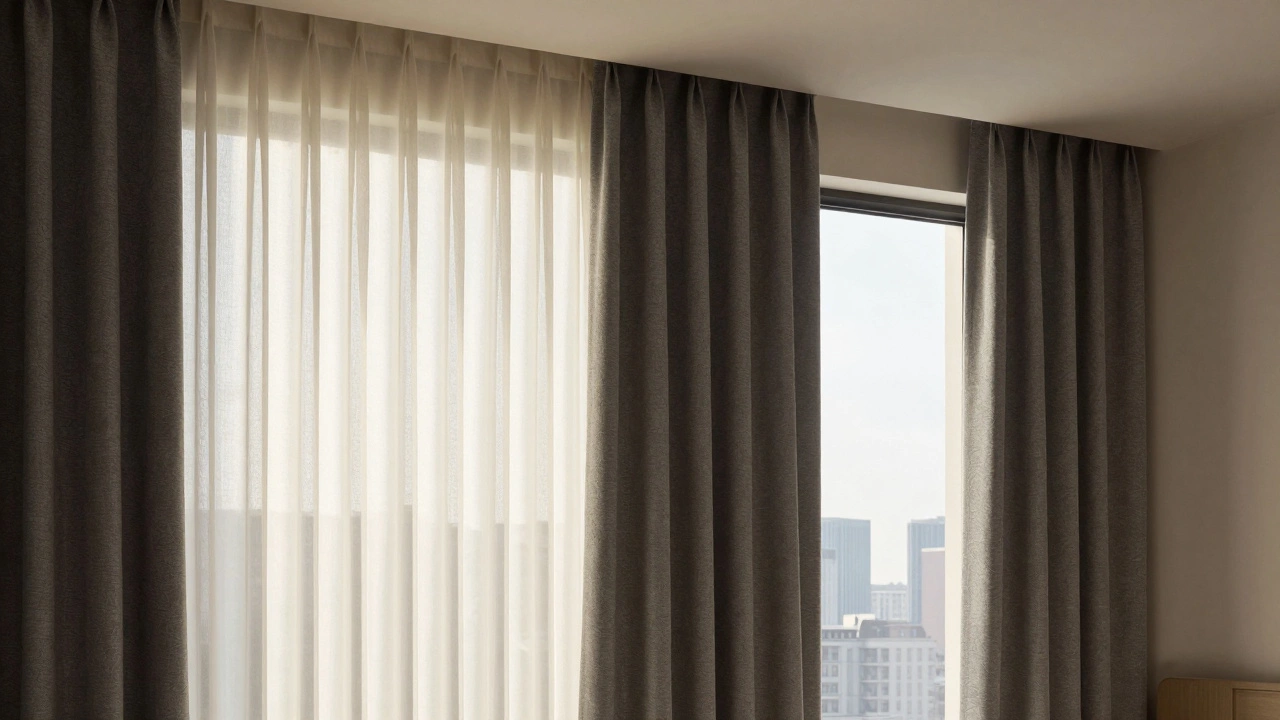
- Layered panels: A sheer underneath for daylight, a blackout or textured panel on top for evening. This is the secret trick used in boutique hotels.
- Single-panel curtains on a track, pulled to one side. It’s modern, clean, and gives you a clear view when open.
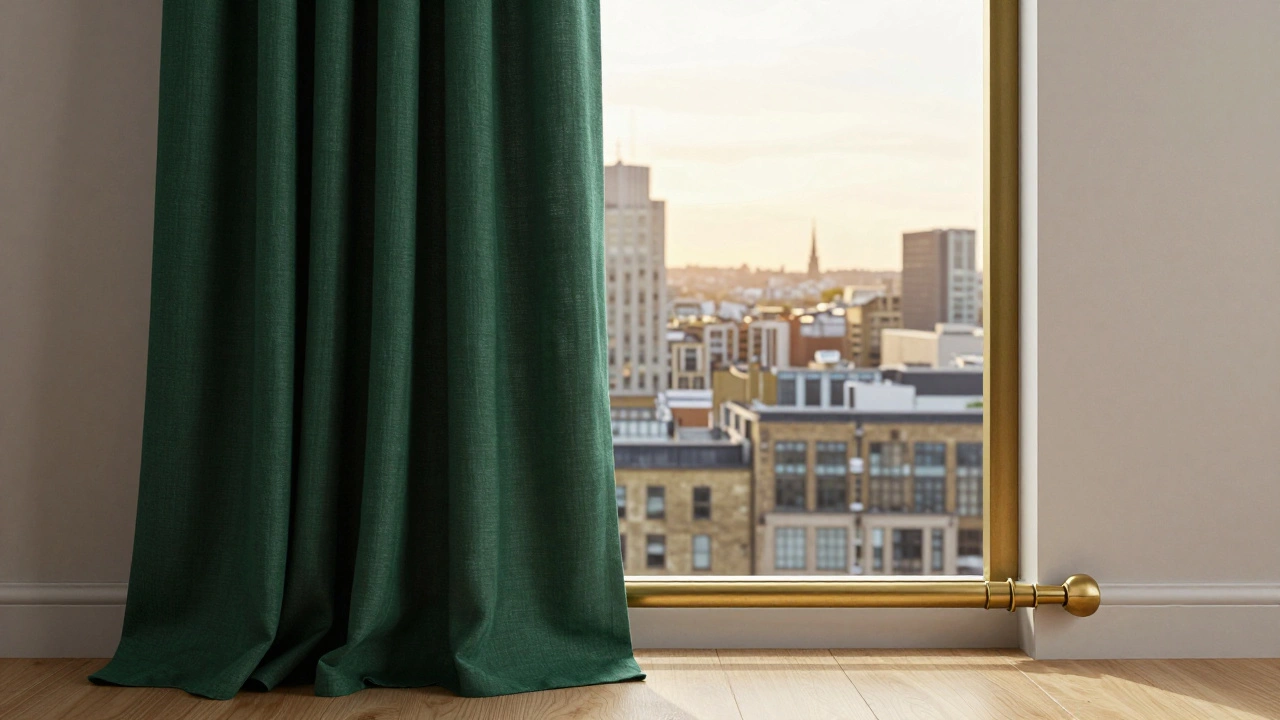
- Colored curtains as an accent. Deep emerald, burnt sienna, or even navy-not white, not beige. These make a statement without overwhelming the room.
- Contrasting trim: A simple hem with a thin stripe of contrasting thread or a subtle metallic edge. It’s detail without clutter.
These aren’t your grandma’s curtains. They’re designed for light, movement, and texture-not just coverage.
What to Avoid
Some curtain choices still scream 2003. Skip these:
- Matching curtains to your sofa. That’s a design trap. Curtains should complement, not copy.
- Too many layers. Three types of fabric? No. One or two max.
- Short curtains that end above the window. That makes ceilings look lower. Always go floor-to-ceiling unless you have a very low ceiling.
- Heavy, dark fabrics in small rooms. They swallow light. Go light and airy instead.
- Plastic-looking sheers. They catch dust and look cheap. Stick to natural fibers like cotton, linen, or silk blends.
Real Homes, Real Curtains
In Melbourne, where summers are hot and winters are damp, smart curtain choices matter. A lot of homes here use linen panels in light gray with blackout lining behind. They block the afternoon sun in December, then let in the winter sun in July. That’s practical design.
One client I worked with replaced her outdated floral drapes with floor-to-ceiling ivory linen. She didn’t change a single other thing in the room. The difference? The space felt bigger, calmer, and more expensive. All because she stopped thinking of curtains as decoration and started thinking of them as architecture.
Another family in Fitzroy swapped out their blackout blinds for a single panel of textured cotton in charcoal. They open it fully during the day, close it at night. No motorized system. No complicated hardware. Just a simple pull and a quiet, private space.
Are Curtains Worth It?
Yes-if you choose them right. Curtains are one of the most affordable upgrades you can make to a room. A good pair costs less than a new lamp. But they do more than a lamp ever could: they soften light, reduce noise, add warmth, and frame your view.
They’re not about tradition. They’re about intention. A curtain isn’t just fabric on a rod. It’s a tool for mood, function, and flow. The best window treatments don’t shout. They breathe.
So no, curtains aren’t old fashioned. They’re just misunderstood. And if you’ve been avoiding them because you think they’re outdated, now’s the time to rethink it.
How to Pick the Right Curtains for Your Space
Here’s a quick guide to choosing curtains that feel current, not cluttered:
- Measure right: Hang the rod 4-6 inches above the window frame. Go floor-to-ceiling. Even if your window stops halfway up the wall.
- Choose fabric by function: Linen for light, blackout for bedrooms, cotton for living areas.
- Color first: Pick a neutral that matches your walls or flooring-not your sofa.
- Hardware matters: Thin metal rods in matte black or brushed brass look modern. Avoid bulky wooden brackets.
- Test the light: Hold a swatch up to your window at different times of day. Does it let in the glow you want?
That’s it. No need for frills. No need for matching. Just the right fabric, the right length, and the right attitude.
Are curtains out of style in 2025?
No. Curtains are still very much in style in 2025-but they look different. Modern curtains are minimalist, floor-to-ceiling, and made from natural fabrics like linen or cotton. They’re not about heavy drapes or lace. They’re about clean lines, soft light, and quiet elegance. The trend is toward simplicity, not elimination.
Should I replace curtains with blinds?
It depends. Blinds are great for control and cleaning, especially in kitchens and bathrooms. But they don’t add warmth or soften light like curtains do. Many people use both: blinds for privacy during the day, curtains for ambiance at night. If you want comfort and style, don’t choose one over the other-layer them.
What’s the best curtain fabric for a living room?
Linen is the top choice for living rooms in 2025. It drapes well, breathes naturally, and softens sunlight without blocking it. Cotton blends are a good budget option. Avoid polyester-it looks shiny and doesn’t hang right. For a touch of luxury, try a linen-silk blend. It catches light beautifully without being flashy.
Do curtains make a room look smaller?
Only if they’re the wrong color or too short. Dark, heavy curtains that end above the window can make ceilings feel lower. But floor-to-ceiling panels in light colors do the opposite-they draw the eye up and make rooms feel taller and more spacious. Always hang curtains high and let them pool slightly on the floor.
Can I use curtains in a modern home?
Absolutely. Modern homes often use curtains as a quiet design element. Think single panels in neutral tones, mounted from ceiling to floor, with simple metal rods. The goal isn’t to cover the window-it’s to enhance it. A modern curtain doesn’t compete with the view. It frames it.
Are blackout curtains outdated?
Not at all. Blackout curtains are essential in bedrooms, especially in cities with streetlights or early sunrises. The difference now? They’re hidden behind lighter panels. You get the benefit of total darkness without the look of a heavy, industrial shade. Layering is the key.
Next Steps
If you’re ready to update your windows, start by taking down your current curtains. Look at the window without them. What’s missing? Light? Privacy? Warmth? That’s your clue.
Buy a swatch of linen in a neutral tone. Hang it temporarily with clips. Live with it for a week. See how the light changes. If it feels right, order the full pair. No need to rush. Curtains aren’t a trend. They’re a permanent part of a home that feels lived-in-not staged.
The best window treatments don’t follow trends. They follow function-and feeling.