
Window Treatment Style Quiz
Answer these questions to see how your current window setup aligns with 2024 design trends.
Your Recommendations:
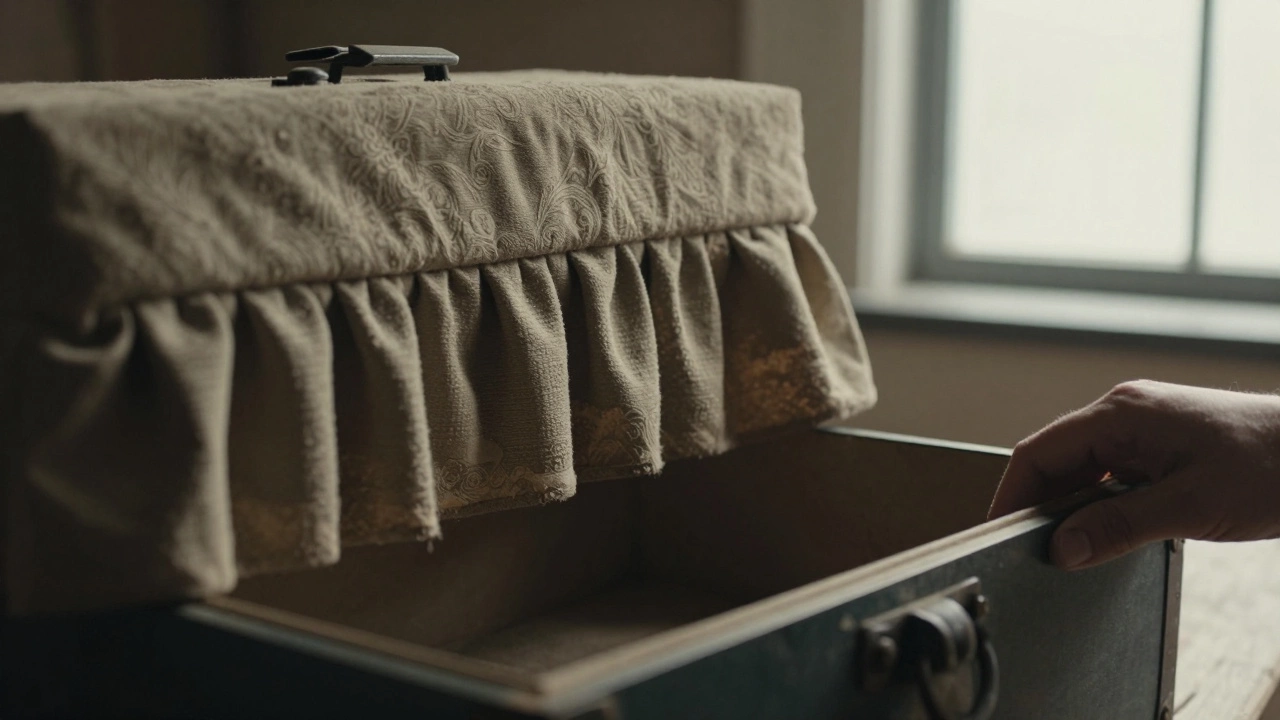
There is a moment when you stand in front of your window, holding a dusty box from the attic, and wonder if that ruffled fabric belongs on your wall or in the trash. For decades, valances were the standard crown for any window treatment. They hid ugly hardware, added color, and felt "finished." But walk into any home decor store today, or scroll through Instagram, and you’ll notice something missing. Those decorative top drapes are gone. So, are valances out of style in 2024? The short answer is yes, traditional valances are largely considered outdated. However, the story isn't quite that simple.
The shift away from valances reflects a broader change in how we live with our homes. We want spaces that feel open, airy, and intentional. Heavy, ornate fabrics that sit just above the window frame often do the opposite-they make ceilings look lower and windows look smaller. In 2024, the trend leans heavily toward minimalism, clean lines, and maximizing natural light. This doesn't mean you have to rip out every swag and jabot immediately, but understanding why they fell out of favor will help you decide what to replace them with.
The Rise of Minimalist Window Design
To understand why valances disappeared, you have to look at the dominant design philosophies of the last five years. Styles like Scandinavian design, characterized by functionality, simplicity, and light colors and Modern farmhouse, a blend of rustic charm and contemporary clean lines prioritize visual space. These styles argue that clutter-whether it's on a countertop or above a window-is stress-inducing.
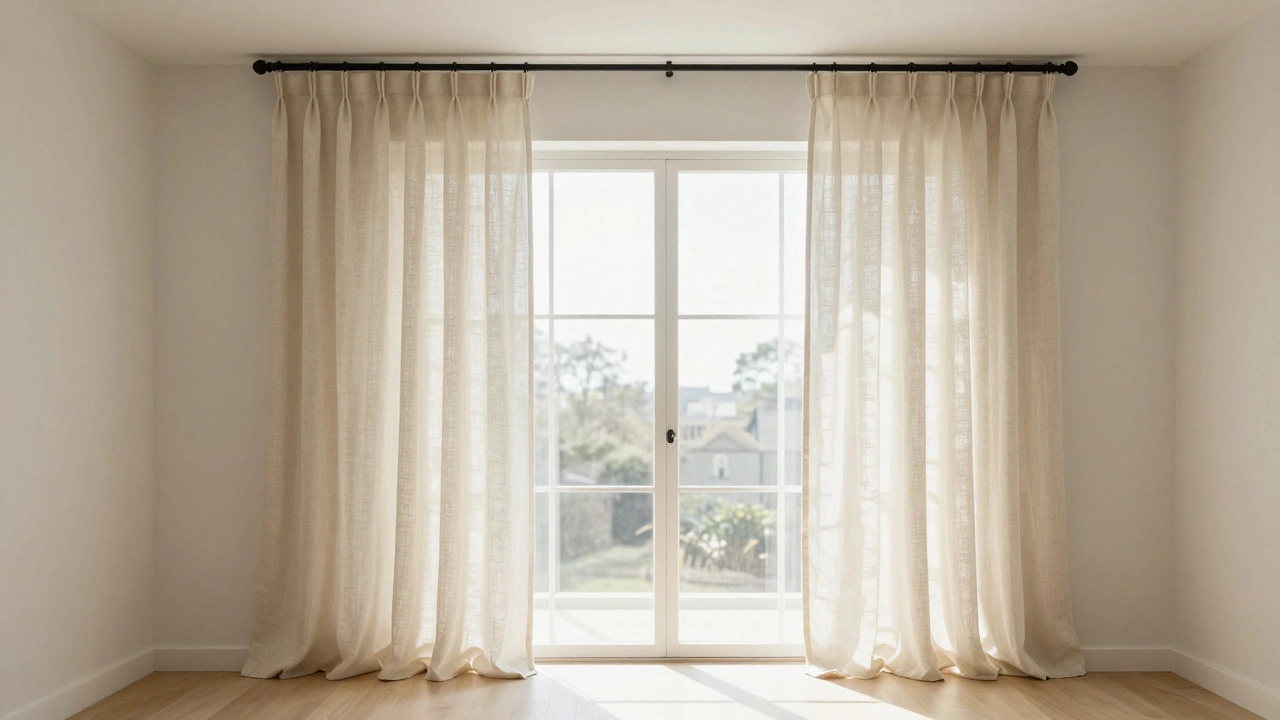
Valances, by definition, add horizontal bulk. A traditional swag valance consists of draped fabric that folds over itself, creating shadows and layers. While this looked cozy in the 1990s and early 2000s, it now reads as dated to most eyes. The current preference is for floor-to-ceiling curtains, drapery panels that hang from near the ceiling down to the floor. This simple trick elongates the room, draws the eye upward, and makes even small spaces feel grander. When you remove the valance, you remove the visual interruption between the window and the ceiling.
Consider the psychology of space. In an era where many people work from home, we spend more time looking at our interiors than ever before. A busy patterned valance can be distracting. A plain white panel that disappears when open is calming. The goal in 2024 is not to decorate the window; it's to frame the view outside while maintaining privacy when needed. Valances often block the top inch or two of glass, reducing light intake. In darker climates or smaller apartments, that lost light matters.
Why Valances Fell Out of Favor
It wasn't just aesthetics that killed the valance; it was also practicality. Traditional valances served two main purposes: hiding unsightly curtain rods and covering up the top of the window frame. Today, both problems have better solutions.
- Aesthetic Hardware: Modern curtain rods, metal or wooden bars used to hang curtains are designed to be seen. Sleek black matte finishes, brushed brass, or thick wooden dowels act as architectural details themselves. You no longer need a piece of fabric to hide the mechanism.
- Clean Lines: Many new windows come with sleek frames that don't require masking. If your window trim is painted a contrasting color, it becomes a feature, not a flaw.
- Maintenance: Valances collect dust. Because they are often stationary (they don't move back and forth), they become dust magnets. Removing them simplifies cleaning routines.
Furthermore, the cost-benefit ratio shifted. Custom valances required significant fabric and labor to create those perfect folds. In contrast, buying two long panels of fabric is often cheaper and easier to install. For renters especially, valances felt like a commitment to a specific style that might clash with their next apartment. Long, neutral curtains are versatile; they move with you from place to place without looking out of place.
What Replaced Valances in 2024?
If you strip away the valance, you might worry the window looks bare. Don't panic. There are several modern alternatives that provide structure without the dated feel. Here is what designers are using instead.
| Alternative | Best For | Vibe |
|---|---|---|
| Floor-to-Ceiling Panels | Living rooms, bedrooms | Elegant, spacious, minimalist |
| Sheer Curtains | Kitchens, bathrooms, sunny rooms | Airy, soft, private yet bright |
| Wooden Blinds/Shutters | Traditional homes, kitchens | Crisp, structured, timeless |
| Minimalist Fabric Bands | Modern apartments | Clean, subtle, functional |
Floor-to-ceiling panels are the gold standard right now. By mounting the rod 2-4 inches above the window frame (or closer to the ceiling), you create a sense of height. The fabric stacks neatly to the side when open, showing off the entire window. Sheer curtains offer a layer of texture without heaviness. They diffuse light beautifully and can be layered behind heavier blackout curtains for versatility. If you prefer hard treatments, plantation shutters, interior window coverings with adjustable louvers remain incredibly popular. They offer precise light control and add architectural interest without any fabric.
For those who still want a hint of fabric at the top, some designers use fabric tie-backs or simple curtain clips. These keep the drape tidy but don't add a separate decorative element above the glass. It’s about function meeting form, rather than decoration for decoration's sake.
When Are Valances Still Acceptable?
Rules in design are meant to be broken, and context matters. Just because valances are generally out of style doesn't mean they are illegal in your home. There are specific scenarios where a valance still works.
Traditional Architecture: If you live in a Victorian home, a Tudor cottage, or a house with heavy molding and wainscoting, a simple, tailored valance can complement the existing grandeur. The key is "tailored." Avoid ruffles, excessive flounces, or busy prints. A flat, wide band of fabric that matches the wall color can act as a subtle transition between the wall and the curtain rod.
Hiding Functional Issues: Sometimes, reality gets in the way of trends. Do you have a radiator directly below the window? Does your AC unit stick out awkwardly? Is the window frame uneven or damaged? In these cases, a valance serves a practical purpose. If you must use one to hide something, keep it simple. A straight, unadorned board or a minimal fabric header is better than a dramatic swag. You’re solving a problem, not making a fashion statement.
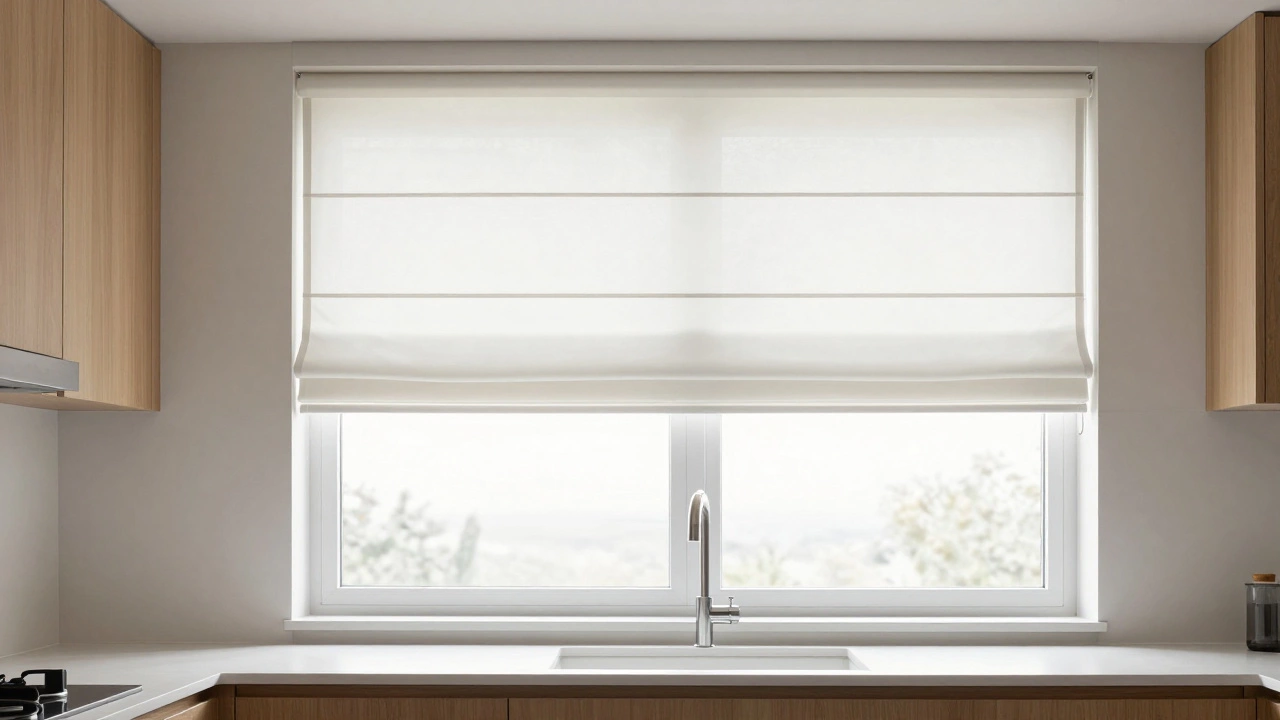
Kitchen Windows:** In kitchens, particularly those with upper cabinets that end just below the window, a small valance can bridge the gap. However, even here, many homeowners are opting for Roman shades, window coverings made of fabric that fold horizontally or simple cafe curtains. Roman shades pull up cleanly and don’t obstruct the view when open, unlike a static valance.
How to Transition Away from Valances
If you’ve decided to ditch the valances, how do you do it without spending a fortune? You don’t need to replace everything at once. Start with the living room or bedroom, the spaces you see most often.
- Measure for Height: Buy rods that extend beyond the window frame on both sides. This allows the curtains to clear the glass completely when open. Mount the rod high-closer to the ceiling than the window frame.
- Choose Neutral Fabrics: Linen, cotton, or lightweight blends in whites, creams, grays, or earth tones work well. They blend into the background and let your furniture and art shine.
- Layer Sheers: If you lose the valance, you might miss the softness. Add sheer panels behind your main curtains. They add depth and romance without the bulk.
- Update Hardware: Swap out old, thin metal rods for thicker, substantial ones. Black, bronze, or wood finishes add a modern touch that replaces the decorative role of the valance.
Remember, the goal is cohesion. Your window treatments should feel like part of the room’s architecture, not an accessory bolted on. When you remove the valance, you’re removing a barrier between you and the outside world. That connection to nature and light is exactly what modern interiors crave.
The Future of Window Treatments
Looking ahead, the trend toward simplicity shows no signs of stopping. Smart home technology is also influencing window treatments. Motorized blinds and curtains are becoming more affordable. These systems integrate seamlessly with minimalistic designs because there are no bulky mechanisms to hide. A valance would interfere with the smooth operation and clean look of motorized tracks.
Sustainability is another factor. Consumers are moving away from fast fashion in home decor, too. Simple, high-quality curtains last longer than trendy, overly decorated valances. Investing in good fabric and good hardware means you won’t need to replace them every few years when styles shift. The valance, with its complex construction and reliance on specific trends, is inherently less sustainable than a simple panel.
In 2024, your windows should tell a story of openness and light. Valances told a story of hiding and ornamentation. As we continue to value transparency, health, and mental clarity in our homes, the humble valance has found itself on the wrong side of history. That doesn’t mean your current setup is bad, but if you’re renovating or refreshing, leaving the top of the window bare is the smartest, most stylish choice you can make.
Can I still use valances in a modern home?
Generally, no. Traditional valances clash with modern aesthetics which favor clean lines and open space. However, a very simple, flat fabric band in a neutral color can work if you need to hide hardware or frame imperfections, but it should be understated.
What is the best alternative to a valance?
The best alternative is floor-to-ceiling curtain panels mounted on a sleek, visible rod. This elongates the room and maximizes light. Sheer curtains or Roman shades are also excellent modern substitutes depending on your privacy needs.
Why did valances go out of style?
Valances went out of style due to the rise of minimalist design trends that prioritize open space and natural light. They also collect dust, block light, and often make ceilings appear lower. Modern hardware is now attractive enough that it doesn't need to be hidden.
Do valances make a room look smaller?
Yes, valances can make a room look smaller by breaking the vertical line of the window and adding visual bulk at the top. Floor-to-ceiling curtains, in contrast, draw the eye up and create an illusion of height.
Are swag valances ever appropriate?
Swag valances are rarely appropriate in contemporary design. They are associated with older, more ornate styles. If you love them, consider keeping them in a formal dining room or a traditionally styled home, but avoid them in living areas where a modern, airy feel is desired.