
Modern Wallpaper Border Style Checker
Make selections and click Analyze to see the verdict.
Remember the thick, floral strips running across every hallway in the 1990s? For years, wallpaper borders were the ultimate sign of a dated rental or an over-eager DIY project. But if you’ve been scrolling through Pinterest lately, you might have noticed something odd: they’re back. Not the loud, busy patterns of our parents’ houses, but sleek, intentional, and surprisingly chic versions.
The short answer to whether they are out of style is no. In fact, as we move deeper into 2026, wallpaper borders have evolved from a tacky afterthought into a powerful tool for defining space without committing to full-wall coverage. But here’s the catch: using them correctly requires unlearning everything you knew about their predecessor. If you slap on a generic strip today, you’ll look like you stopped decorating in 1995. If you choose wisely, you’ll look like you just stepped out of a high-end boutique hotel.
The Shift From Clutter to Character
Why did they disappear? Honestly, they got too loud. In the 90s, the goal was often to fill empty wall space with pattern. The result was visual noise that competed with furniture and art. Today’s approach is different. We aren’t trying to hide walls; we’re trying to frame them. Think of a border not as decoration, but as architectural detailing. It’s similar to how crown molding adds height to a room, except it’s easier to install and far more affordable.
This shift aligns with the broader trend toward "quiet luxury" and minimalism. Homeowners are moving away from maximalist chaos toward curated calm. A well-placed border can add personality to a neutral room without overwhelming the senses. It draws the eye horizontally or vertically, subtly manipulating how large or cozy a space feels. This isn’t about covering up mistakes anymore; it’s about adding precision.
Where They Actually Work in 2026
You don’t need to border every room. In fact, overusing them kills the effect. The magic happens when you use them strategically in spaces where other treatments feel too heavy or permanent. Here are the spots where borders shine right now:
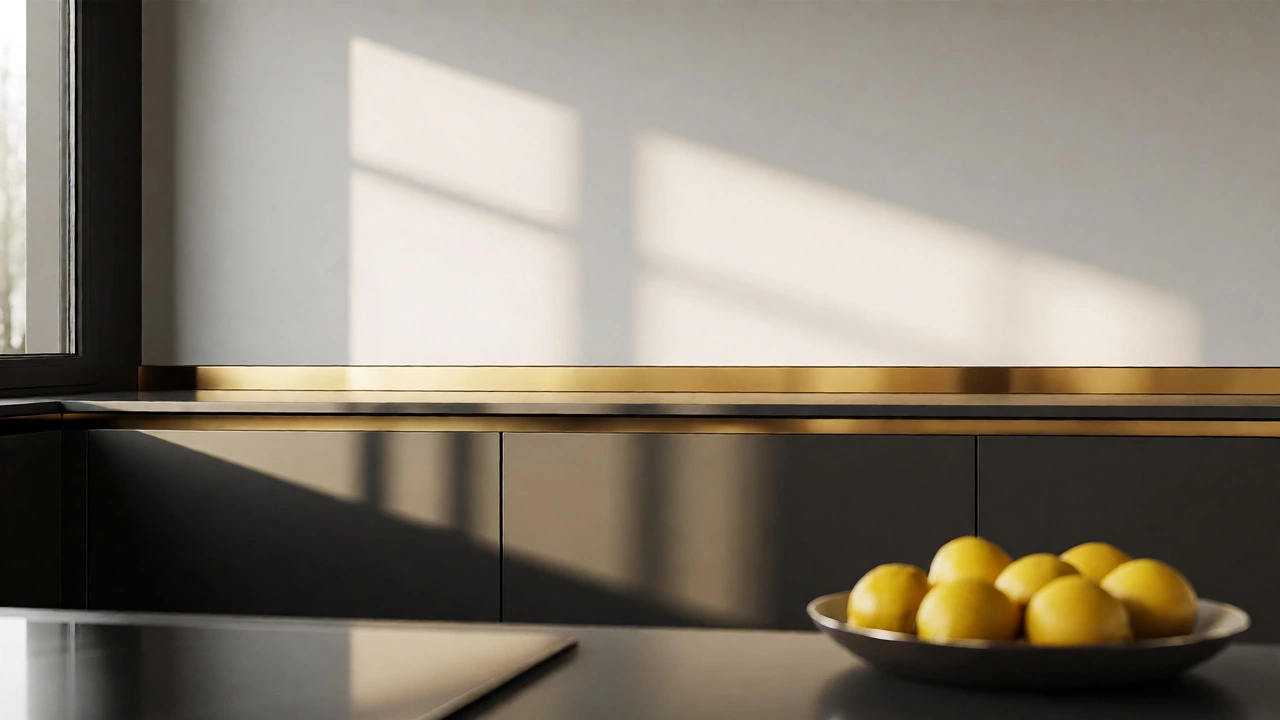
- Kitchens: Instead of tiling the whole backsplash, a peel-and-stick border along the top of your cabinets creates a custom look for under $50. It breaks up the monotony of plain cabinetry.
- Bathrooms: A narrow border at chair-rail height can mimic the look of expensive wainscoting. Pair it with simple white tiles below and paint above for a clean, spa-like vibe.
- Nurseries and Kids’ Rooms: This is classic territory, but updated. Use geometric shapes or subtle botanical prints instead of cartoon characters. It grows with the child better than themed murals.
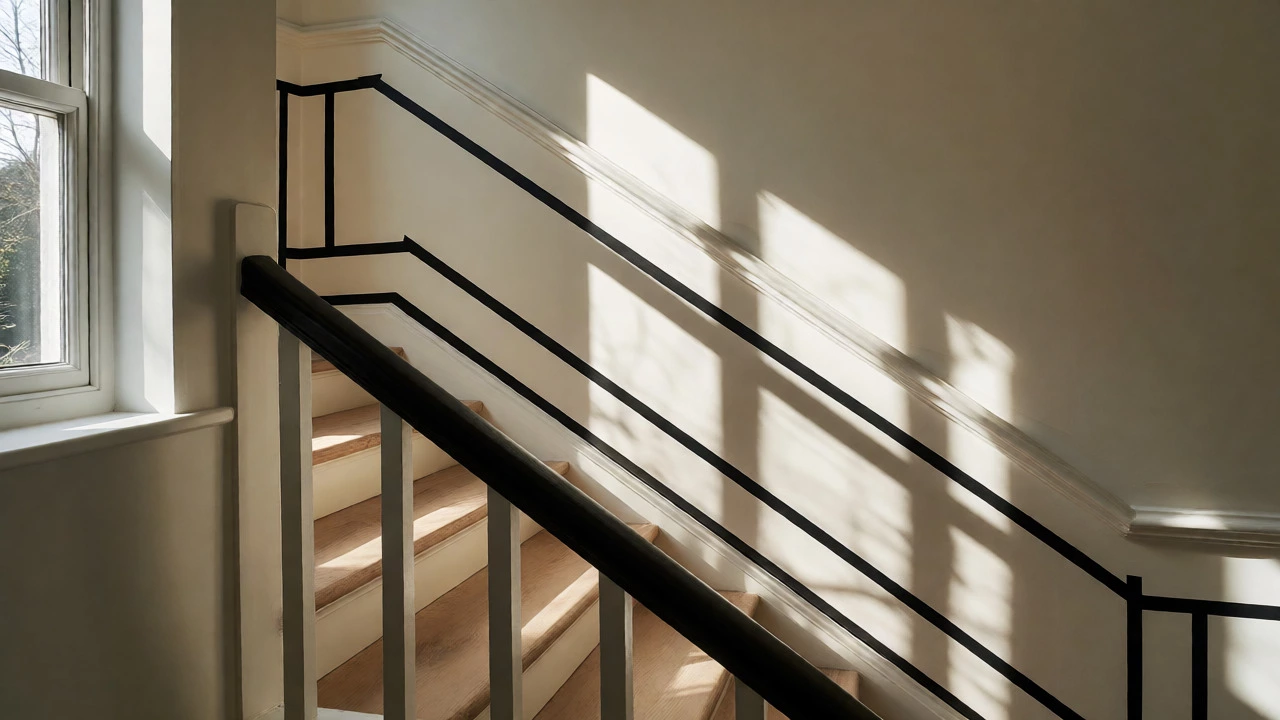
- Stairwells: Running a border along the stringer (the side of the stairs) guides the eye upward and makes narrow hallways feel wider. It’s a low-effort way to add drama to a transitional space.
Choosing the Right Material and Width
If you’re still thinking of those wide, paper-thin strips that peeled off after six months, forget it. The market has changed. The key to making borders look expensive lies in two factors: width and material quality.
First, go narrower. The old standard was four to six inches wide. Today, one to three inches is the sweet spot. Thin lines feel modern and sharp. They act as a graphic accent rather than a dominant feature. You want the border to complement the wall color, not fight it.
Second, consider the finish. Matte finishes are currently dominating because they hide fingerprints and look less plastic-y. However, metallic accents-think brushed gold or matte black-are trending for entryways and dining rooms. These add a touch of glamour without feeling gaudy. Avoid glossy vinyl unless you’re in a high-moisture area like a shower surround, and even then, ensure it’s specifically rated for wet zones.
| Feature | Traditional (Outdated) | Modern (In Style) |
|---|---|---|
| Width | 4-6 inches | 1-3 inches |
| Pattern | Busy florals, damask, stripes | Geometric, solid colors, thin lines |
| Placement | Top of wall or mid-wall | Chair rail, baseboard, cabinet edge |
| Material | Paper-backed vinyl | Peel-and-stick, fabric-backed, metallic |
| Color Palette | High contrast, primary colors | Muted tones, monochromatic, metallics |
Installation Mistakes That Kill the Vibe
Nothing ruins a good design faster than bad execution. Since borders are small details, flaws are highly visible. Here is how to avoid looking like you rushed the job.
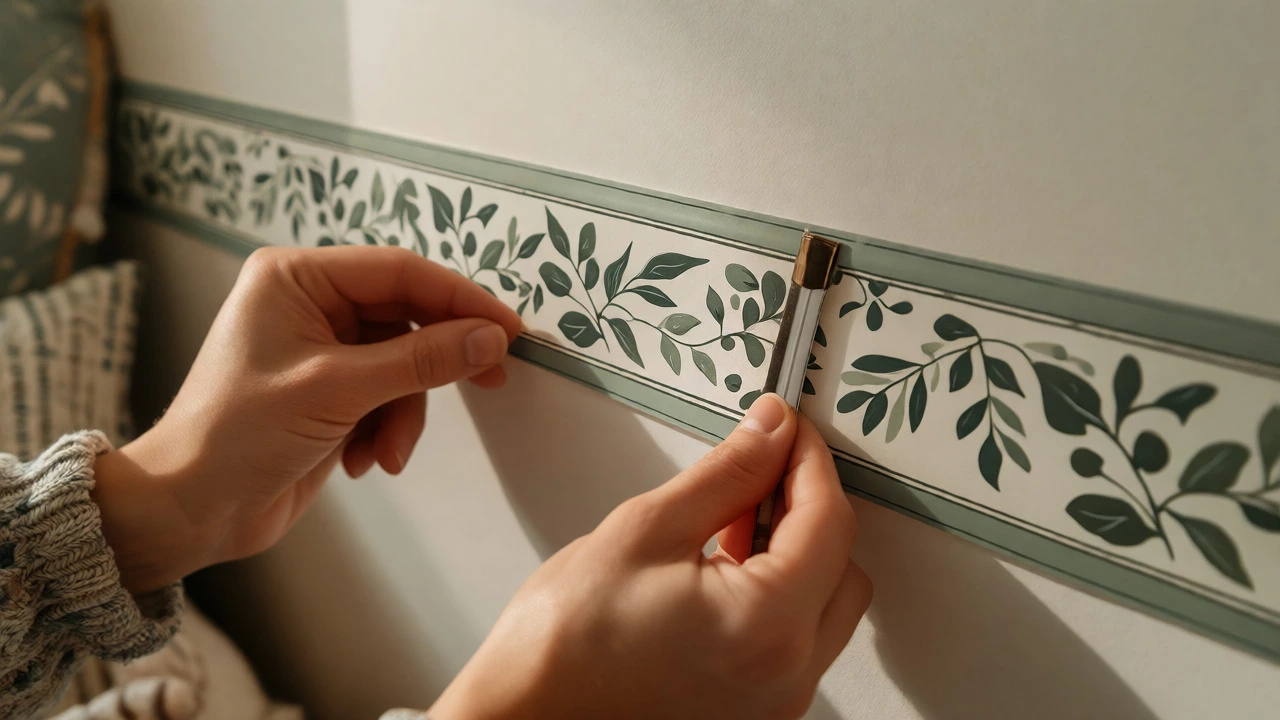
Skip the prep work? Don’t. Even peel-and-stick needs a clean surface. Dust and grease prevent adhesion, leading to peeling corners within weeks. Wipe down the wall with rubbing alcohol before applying anything. It takes ten minutes and saves you headaches later.
Ignoring level lines. Our eyes are naturally drawn to horizontal lines. If your border is crooked, people will notice immediately. Use a laser level or a long straightedge. Do not trust your eye alone. Marking a faint pencil line ensures consistency around corners and outlets.
Cutting poorly. Sharp scissors are non-negotiable. Dull blades crush the material, creating jagged edges. For inside corners, measure precisely and cut miters if possible. If mitering seems too hard, overlap slightly and trim with a utility knife for a seamless look. Patience pays off here.
Alternatives If You Still Hate Borders
Maybe you tried the trend and it just didn’t click. That’s fine. Design is personal. If wallpaper borders feel too fussy, there are other ways to achieve that same framed, detailed look without the commitment.
Painted lines: Use painter’s tape to create a crisp horizontal stripe. It’s cheaper, removable, and infinitely customizable. You can change the color whenever you want.
Shiplap or paneling: Real wood or MDF panels offer texture and durability. They cost more upfront but last decades. This works best in traditional or farmhouse-style homes.
Wall decals: Similar to borders but often larger and more artistic. Great for accent walls where you want a focal point rather than a perimeter definition.
The Verdict: Is It Worth Your Time?
So, are wallpaper borders out of style? Definitely not. But they are no longer a default choice. They are a deliberate design decision. When used sparingly, with modern materials and narrow widths, they add sophistication and structure to a room. They allow renters to personalize spaces without losing security deposits, and they give homeowners a quick refresh option between major renovations.
Start small. Try a single roll in a powder room or behind a bookshelf. See how it changes the light and flow of the space. You might find that this nostalgic element, stripped of its 90s baggage, fits perfectly into your current aesthetic.
Can I remove wallpaper borders easily if I’m renting?
Yes, especially if you use peel-and-stick varieties. Most modern adhesive borders are designed to be removable without damaging paint. Always test a small corner first and pull slowly at a 45-degree angle. If resistance is high, use a hairdryer to warm the adhesive before pulling.
What is the most popular wallpaper border style for 2026?
Thin, geometric lines and solid metallic bands are currently trending. Specifically, matte black, brushed brass, and deep navy blue borders are popular choices. Busy floral patterns are largely considered outdated unless used in very specific vintage-inspired contexts.
How wide should a modern wallpaper border be?
For a contemporary look, stick to widths between 1 and 3 inches. Wider borders (4+ inches) tend to look dated and can overwhelm smaller rooms. Narrower lines provide a cleaner, more architectural appearance that complements modern minimalist interiors.
Do wallpaper borders make a room look smaller?
Not necessarily. Horizontal borders can make a room feel wider and lower the ceiling visually. Vertical borders can make ceilings appear higher. Using light-colored borders on dark walls, or vice versa, can also alter perceived size. Strategic placement matters more than the presence of the border itself.
Is it cheaper to use wallpaper borders than painting?
Generally, yes. A roll of border costs significantly less than buying multiple gallons of premium paint and hiring a pro for detailed trim work. Peel-and-stick options eliminate the need for paste and brushes, reducing both material costs and labor time. It’s a budget-friendly way to add complexity to a flat wall.