
Bathroom Remodel Budget Estimator
1. Select Quality Tier
2. Project Scope
Estimated Total
Detailed Breakdown:
| Component | Estimated Cost |
|---|
Key Budget Takeaways
- Basic Refresh: $3,000 - $7,000 (Cosmetic updates, new fixtures)
- Mid-Range Remodel: $10,000 - $25,000 (New tub/shower, updated flooring, mid-grade materials)
- High-End Luxury: $30,000+ (Custom cabinetry, structural changes, premium stone)
- Labor typically accounts for 40% to 60% of the total project cost.
When you start digging into the numbers, the first thing to realize is that a bathroom remodel cost is rarely a single flat fee. It's a collection of decisions. Are you keeping the existing layout? If you move a toilet just two feet to the left, you aren't just paying for a plumber's time; you're paying to rip up the subfloor and reroute the waste line. That single decision can add $1,000 to $2,500 to your bill before you've even picked out a tile.
Defining the Scope of Work
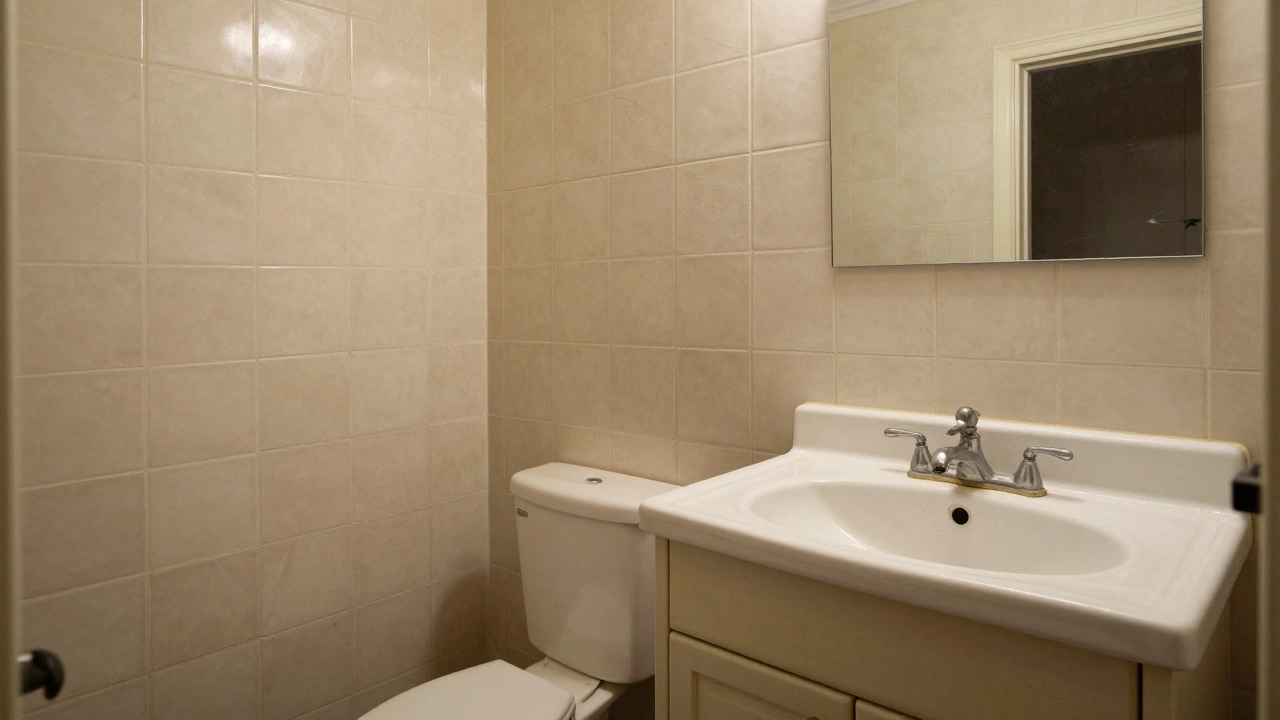
Before you call a contractor, you need to decide which "level" of renovation you're pursuing. Not every bathroom needs a total overhaul. Cosmetic Remodeling is the process of updating the look of a room without changing the structural layout or plumbing locations. This is the most budget-friendly path. You're talking about fresh paint, new hardware, and perhaps a new vanity. If you're just doing this, you can likely keep your budget under $5,000.
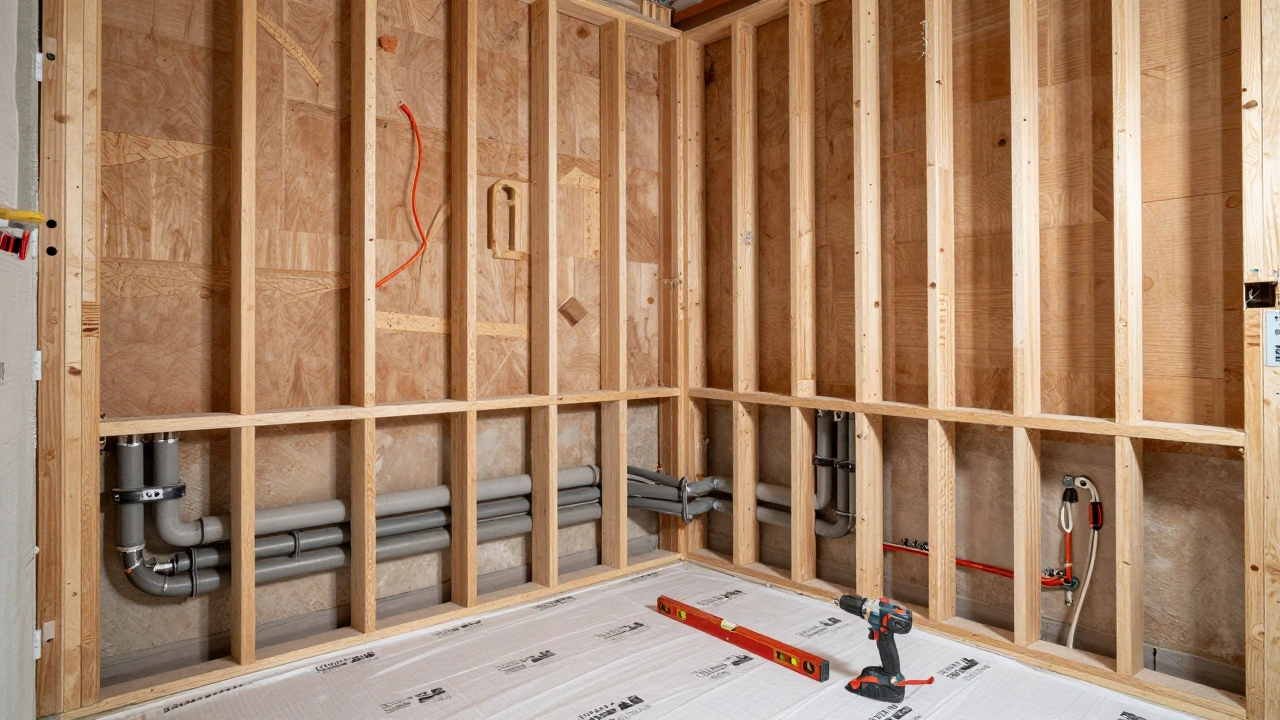
Then there's the Full Gut Renovation, which is stripping the room down to the wall studs and floor joists to replace everything, including electrical and plumbing. This is where costs spike. When you gut a room, you often discover "surprises" like water damage in the subfloor or outdated galvanized piping that needs replacing to meet 2024 building codes. This is why a 20% contingency fund is mandatory-not optional.
Breaking Down the Costs by Component
To get a realistic number, you have to look at the individual pieces of the puzzle. Let's look at the hardware and materials that drive the price up.
| Component | Budget Option | Mid-Range | Luxury Option |
|---|---|---|---|
| Vanity & Sink | $200 - $600 | $600 - $1,500 | $2,000 - $5,000+ |
| Toilet | $150 - $300 | $300 - $600 | $800 - $2,000+ |
| Shower/Tub Unit | $400 - $1,200 | $1,500 - $4,000 | $5,000 - $12,000+ |
| Flooring (per sq ft) | $2 - $5 | $7 - $15 | $20 - $50+ |
| Faucets & Hardware | $100 - $300 | $300 - $800 | $1,000 - $3,000+ |
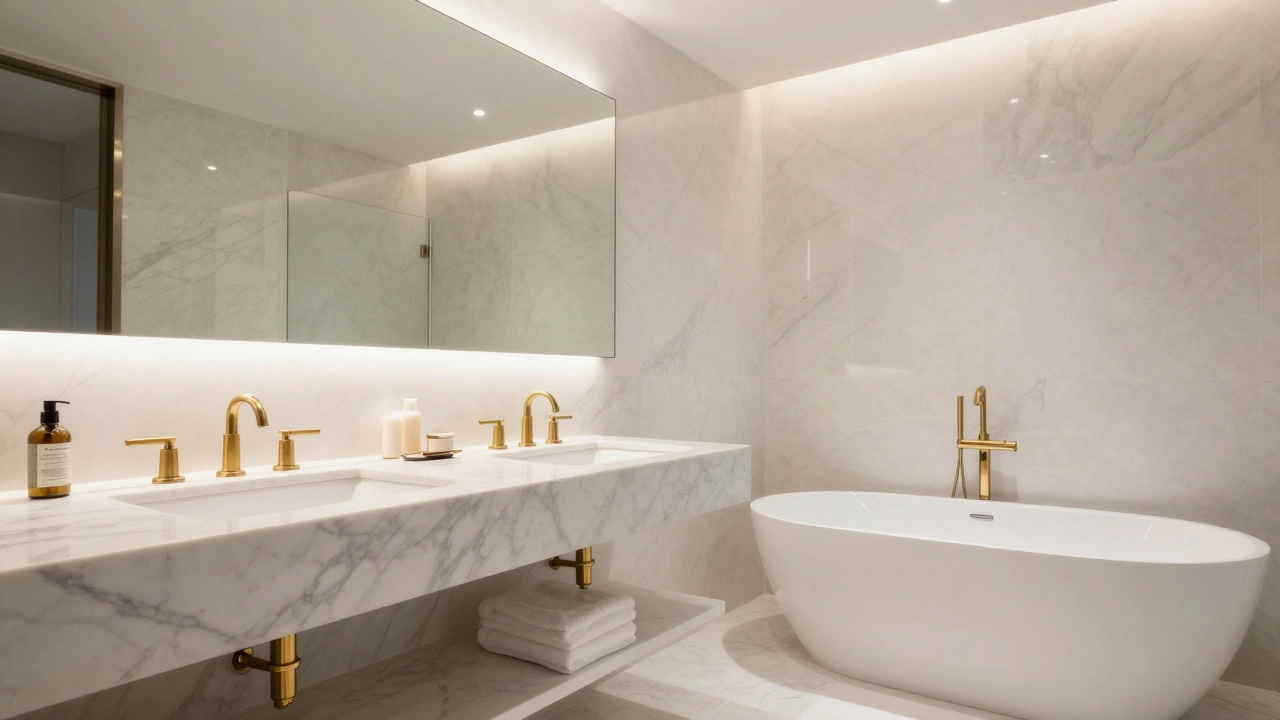
For instance, if you choose Quartz, which is an engineered stone made from crushed quartz and resin, you're looking at a higher upfront cost than laminate, but you gain a non-porous surface that won't stain from toothpaste or makeup. If you go with Carrara Marble, you're entering the luxury tier where the cost of the slab is only half the battle-the installation requires specialized sealing and cutting tools that increase labor costs.
The Hidden Cost of Labor and Professional Services
You can buy the cheapest toilet at a big-box store, but the person installing it doesn't charge by the piece; they charge by the hour or the project. In 2024, labor costs have risen due to a shortage of skilled tradespeople. You'll likely be dealing with a few different specialists.
- General Contractor: They manage the whole project. They take a percentage (usually 10-20%) for the headache of coordinating others.
- Plumber: Essential for any change in the Rough-in Plumbing, which refers to the installation of pipes before the walls are closed. Expect to pay $75 to $150 per hour.
- Electrician: Necessary if you want to add GFCI Outlets (Ground Fault Circuit Interrupters) to keep you safe from shocks in wet areas.
- Tiler: A specialist who ensures your shower doesn't leak. A bad tiling job can lead to mold and structural rot, making a "cheap" installer a very expensive mistake.
If you're doing a DIY approach, you save the labor, but you risk the "DIY Tax." This is the money spent on tools you didn't have or fixing a mistake that requires a professional to come in and rescue the project at an emergency rate.
Material Choices: Balancing Aesthetics and Budget
Where do you spend and where do you save? The secret to a high-end look on a mid-range budget is knowing which items provide the most visual impact. For example, spending an extra $400 on a statement mirror or high-quality Brass Fixtures can make a basic white subway tile shower look like a designer space. Conversely, spending $5,000 on a high-tech smart toilet when the rest of the room has old linoleum flooring is a poor allocation of funds.
Consider the durability of Porcelain Tile compared to ceramic. Porcelain is denser and more water-resistant, making it ideal for shower floors. While it costs slightly more per square foot, the longevity means you won't be replacing it in ten years. The same logic applies to Waterproofing Membranes like Schluter-Kerdi. Skipping a proper waterproof membrane to save $200 is the fastest way to ruin your ceiling in the room below.
How to Plan Your Renovation Timeline
Money isn't the only currency you're spending; time is another. A basic refresh can happen in a weekend. A full remodel usually takes 3 to 6 weeks. The process generally follows this path:
- Demolition: Tearing out the old stuff. This is usually the fastest and messiest part.
- Rough-in: Plumbing and electrical are updated while the walls are open.
- Waterproofing and Subfloor: Ensuring the base is solid and leak-proof.
- Tiling and Painting: The visual transformation begins.
- Installation: Putting in the vanity, toilet, and fixtures.
- Finishing Touches: Caulking, sealing, and adding accessories.
If you have only one bathroom in the house, you need to factor in the cost of a hotel or a temporary rental. Living without a shower for three weeks can lead to a "sanity tax" where you start making expensive, impulsive decisions just to get the project finished faster.
Avoiding Common Budget Traps
Many homeowners fall into the trap of "while we're at it." You start by replacing the faucet, then you realize the sink is ugly, so you replace the vanity, and then you notice the floor is cracked. This scope creep is how a $2,000 project turns into a $15,000 one.
To avoid this, create a "Must-Have" list and a "Nice-to-Have" list. If the budget gets tight, the "Nice-to-Haves" (like heated floors or a rainfall showerhead) are the first to go. Another tip: buy your fixtures early. In 2024, supply chain lags are less common than they were a few years ago, but custom vanities or specific Italian tiles can still take 8-12 weeks to arrive. There is nothing more expensive than paying a contractor to sit around because your tiles haven't arrived yet.
Does a bathroom remodel increase home value?
Generally, yes. Bathrooms and kitchens offer the highest return on investment (ROI). A modern, clean bathroom can increase a home's appeal and value, typically recovering 60% to 70% of the project cost upon resale, though this varies by neighborhood and the quality of the finishes.
Which is cheaper: a walk-in shower or a bathtub?
A basic alcove tub is usually cheaper to install because it's a standard size and fits a predictable plumbing layout. Walk-in showers can be more expensive due to the need for a shower pan, a curb, and more extensive tiling on the walls, although they are often more desirable for accessibility and modern design.
How can I save money on a bathroom renovation?
The biggest saving comes from keeping the existing plumbing layout. Moving a drain or a water line is expensive. You can also save by choosing "off-the-shelf" vanities instead of custom cabinetry and opting for high-quality porcelain tiles that look like marble but cost a fraction of the price.
How much should I set aside for a contingency fund?
You should set aside at least 20% of your total budget. In older homes, it's common to find outdated wiring or water-damaged joists once the walls are opened. Having this cushion prevents the project from grinding to a halt when a problem arises.
Are prefab shower kits cheaper than custom tile?
Yes, prefab acrylic or fiberglass kits are significantly cheaper and faster to install. They reduce labor costs because there is no tiling or grouting involved. However, they generally have a lower resale value and a less "custom" look than a fully tiled shower.
Next Steps and Troubleshooting
If you're just starting, your first move should be to create a mood board. Use photos of actual bathrooms you like to show your contractor; "modern" means different things to different people. If you find that your quotes are coming in way over budget, don't just pick a cheaper contractor. Instead, look at your material list and see where you can swap a luxury item for a mid-range alternative.
If you encounter a problem during the demo-like a moldy wall or a leaking pipe-stop and get a professional assessment before covering it back up. Patching a leak is cheap; replacing a rotted floor after you've already tiled over it is a nightmare. Be honest with your contractor about your budget from day one to avoid the heartbreak of picking out a $3,000 vanity only to find out you can't afford the plumbing to make it work.