
Bedding Color & Space Advisor
Visual Recommendation
Key Takeaways for Small Room Bedding
- Light, cool tones (whites, soft grays, pale blues) reflect more light and push walls back visually.
- Monochromatic schemes reduce visual clutter by eliminating harsh breaks in the room's flow.
- Dark colors work in small rooms only if they are used as accents or in a high-contrast, intentional way.
- Texture is the best way to add depth without adding 'weight' or bulk to the space.
The Science of Light and Space
Before you hit the store, it's worth understanding why some colors work better than others. Light Reflectance Value (LRV) is the technical term for how much light a color reflects. A high LRV means the color bounces light around the room. In a small bedroom, you want the bed-the largest object in the room-to have a high LRV.
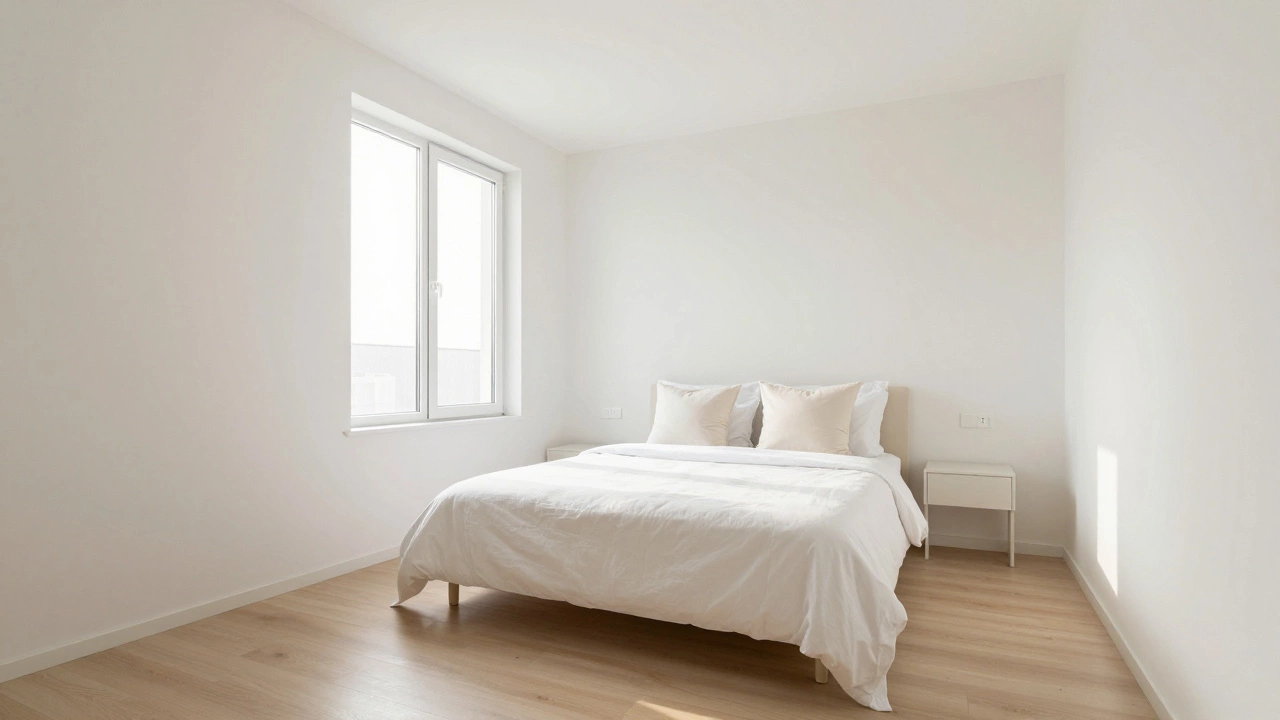
When you use White Bedding, which has one of the highest LRVs, the bed blends more seamlessly with light-colored walls. This prevents the "block" effect where the bed feels like a wall of fabric cutting the room in half. If your walls are a soft cream or off-white, opting for a crisp white or a very light ivory creates a subtle transition that keeps the room feeling open.
Best Color Palettes to Open Up Your Space
You don't have to live in a sterile white hospital room to make your space feel bigger. There are several bedding colors for small room setups that add personality without sacrificing square footage.
Cool Neutrals: The Safe Bet
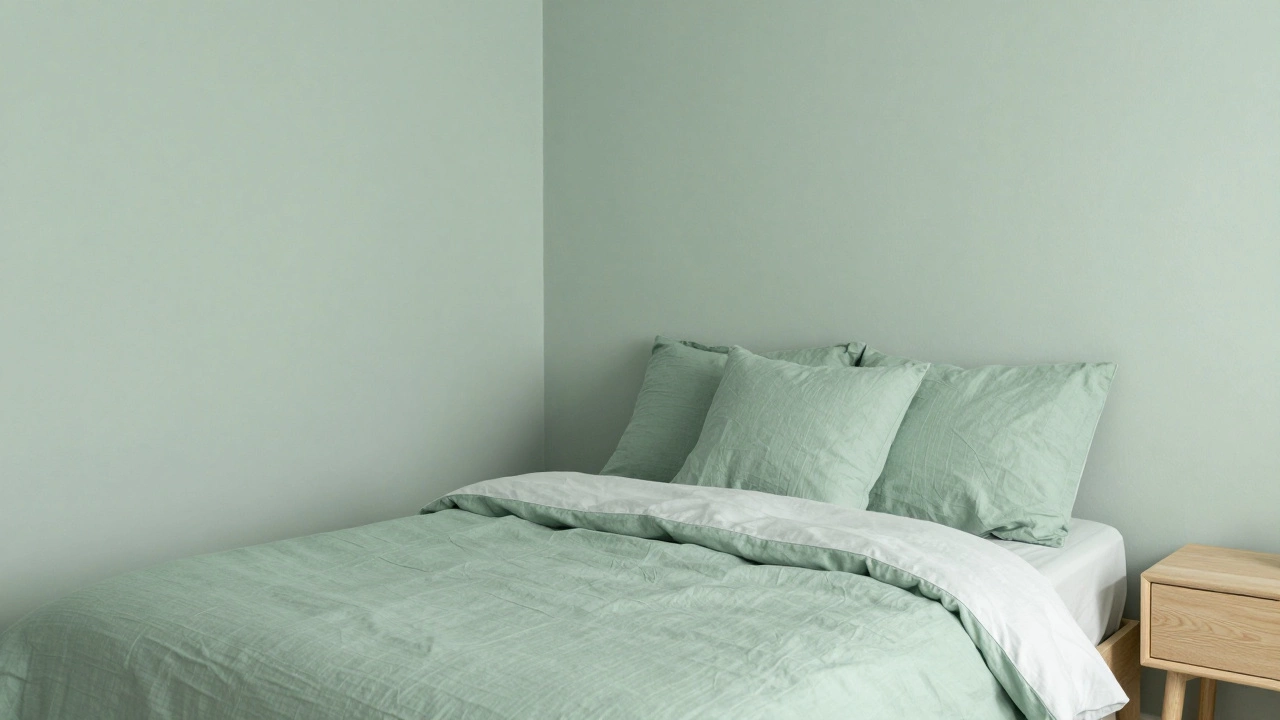
Soft grays, muted lavenders, and pale mints are fantastic. Cool colors tend to "recede," meaning they look further away from the eye than warm colors. A pale blue duvet, for instance, can make the bed feel less imposing, almost as if it's blending into the background of a bright morning sky.
The Monochromatic Approach
This is where you pick one color and use different shades of it throughout the room. If your walls are a light sage green, choose bedding in a slightly lighter or darker sage. When the eye doesn't encounter a sharp contrast between the wall and the bed, it doesn't stop and start; it just glides across the room, making the whole area feel continuous and larger.
Warm Minimalism
If you hate the coldness of gray, go for "warm whites" like champagne, sand, or oatmeal. These colors provide the same light-reflecting benefits as white but feel much cozier. Pair a sand-colored linen duvet with cream pillows for a look that feels high-end and airy.
| Color Palette | Visual Effect | Best Wall Pairings | Vibe |
|---|---|---|---|
| Crisp White / Ivory | Maximum Expansion | White, Pale Gray, Pastel | Clean, Hotel-like |
| Pale Blue / Mint | Receding / Airy | White, Light Wood, Blue | Calming, Refreshing |
| Beige / Oatmeal | Soft Expansion | Cream, Terracotta, Tan | Cozy, Organic |
| Charcoal / Navy | Closing / Cozy | White (for contrast) | Moody, Intimate |
Dealing with Dark Colors in Small Spaces
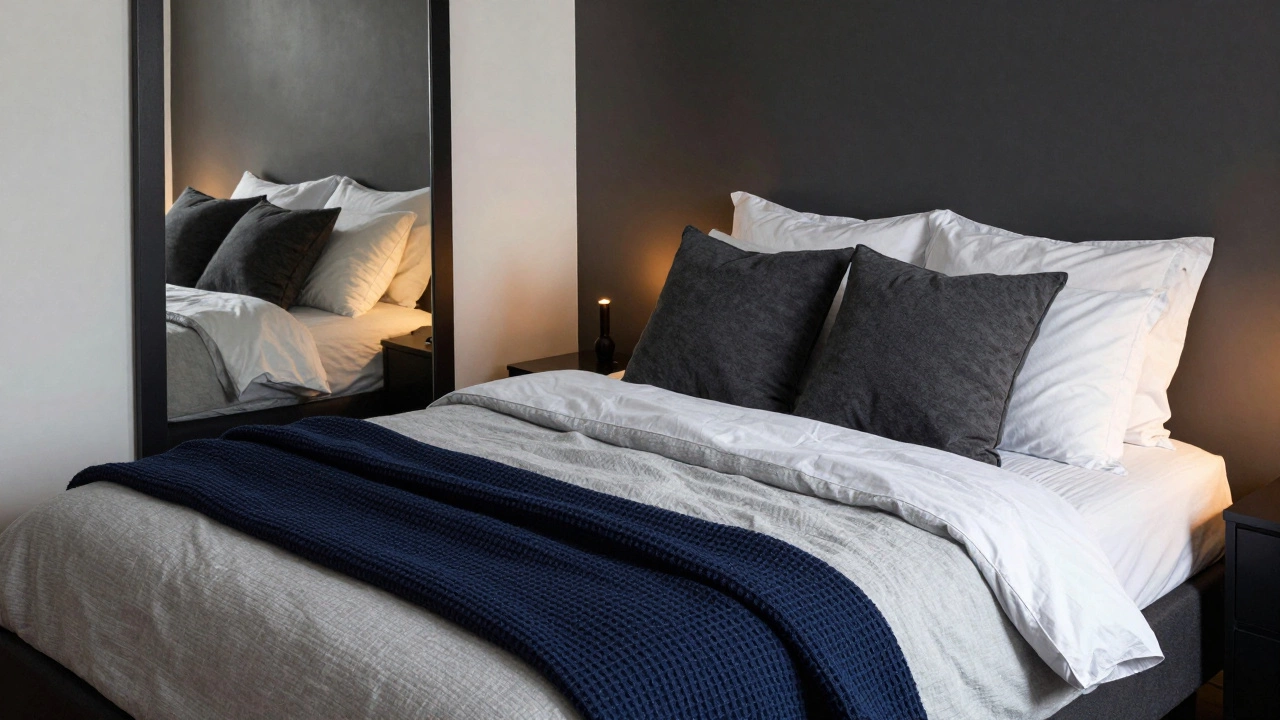
Can you actually use dark bedding in a small room? Yes, but you have to be strategic. If you love Navy Blue or forest green, don't just throw a giant dark comforter over everything. That creates a "black hole" effect that sucks the light out of the room.
The trick is to use a Layering Technique. Use a light-colored base (like white sheets and a light gray duvet) and add a dark throw blanket or a few dark accent pillows. This gives you the color you love without the oppressive weight of a solid dark block. Another option is the "moody cave" approach: if you're going dark, go all the way. Paint the walls a deep shade and use matching dark bedding. Paradoxically, this can make the corners of the room disappear, creating an infinite, cozy feel rather than a cramped one.
The Role of Texture Over Color
When you're limited on color options to keep the room feeling big, texture becomes your best friend. Flat, plain colors can sometimes look boring or "cheap" in a small space. Instead, look for fabrics that add visual interest without adding a new color.
Consider Linen. Because linen has a natural, irregular weave, it catches the light differently across its surface. A white linen duvet looks more dynamic than a white cotton one. You could also try waffle knits or quilted patterns. These add a 3D element to the bed, which makes the room feel designed rather than just "filled up." avoid overly chunky, heavy knits in a tiny room, as they can look visually heavy and make the bed seem larger than it is.
Practical Tips for Coordinating with Furniture
Your bedding doesn't exist in a vacuum; it has to play nice with your furniture. If you have a heavy, dark wood bed frame, light bedding is a must to create a necessary break. If your furniture is white or a light oak, you have more freedom to play with mid-tones.
- Match the Trim: Try to match your bedding color to the lightest architectural element in the room, like the window trim or the ceiling. This creates a vertical line of light that draws the eye upward.
- The 60-30-10 Rule: Use a light color for 60% of the room (walls/large rugs), a secondary neutral for 30% (bedding/curtains), and a bold accent for 10% (pillows/decor). This balance keeps the room from feeling overwhelmed.
- Mirror Magic: If you have a mirror opposite your bed, the bedding color will be reflected and doubled. If you choose a bright, light color, you're essentially doubling the amount of light bouncing around that area.
Common Pitfalls to Avoid
One of the biggest mistakes people make is using too many different patterns. A floral duvet, striped sheets, and a geometric throw in a small room create "visual noise." This noise makes the space feel cluttered, even if the room is perfectly clean. Stick to one main pattern (or no pattern at all) and use solids for the rest.
Another trap is the "over-pillowing" habit. While a mountain of pillows looks great in a catalog, in a small room, it literally eats the space. If your bed takes up most of the room, limit yourself to two sleeping pillows and maybe two decorative ones. This leaves more "negative space" around the bed, which is the key to making a room feel larger.
Does a dark duvet actually make a room look smaller?
Generally, yes. Dark colors absorb light, which makes boundaries feel closer. However, if you use dark bedding with very light walls and a lot of natural light, it can create a sophisticated contrast that defines the space without making it feel tiny.
Which light color is better: White or Beige?
White is technically better for maximizing space because it has the highest light reflectance. However, beige or oatmeal is better for creating a "warm" atmosphere. If your room gets a lot of cold, northern light, beige can prevent the room from feeling sterile.
Can I use bright colors in a small bedroom?
Bright, saturated colors (like hot pink or bright orange) can be overwhelming in a small space. If you love color, opt for "tinted" versions-pastels or desaturated tones. A pale peach or a soft mint provides the color you want without the visual weight of a neon shade.
Should I match my bedding to my curtains?
For a small room, matching the bedding to the curtains (or keeping them in the same color family) is a great move. It creates a cohesive look and prevents the eye from jumping between too many different color blocks, which makes the room feel more expansive.
What bedding fabric is best for a minimal look?
Linen and high-thread-count cotton are the best choices. Linen provides a relaxed, organic texture that doesn't look bulky, while cotton offers a crisp, clean line that fits perfectly into a minimalist or modern aesthetic.
Next Steps for Your Room Makeover
If you're still unsure, start by testing a "swatch" of fabric against your wall in the brightest part of the room and the darkest corner. You'll be surprised how a light gray can look blue in the morning and almost white at noon. Once you've picked your base color, focus on adding one high-quality texture, like a waffle-knit throw, to add that final touch of professional design without crowding your sanctuary.