
Dining Alternatives Finder
Enter Your Details
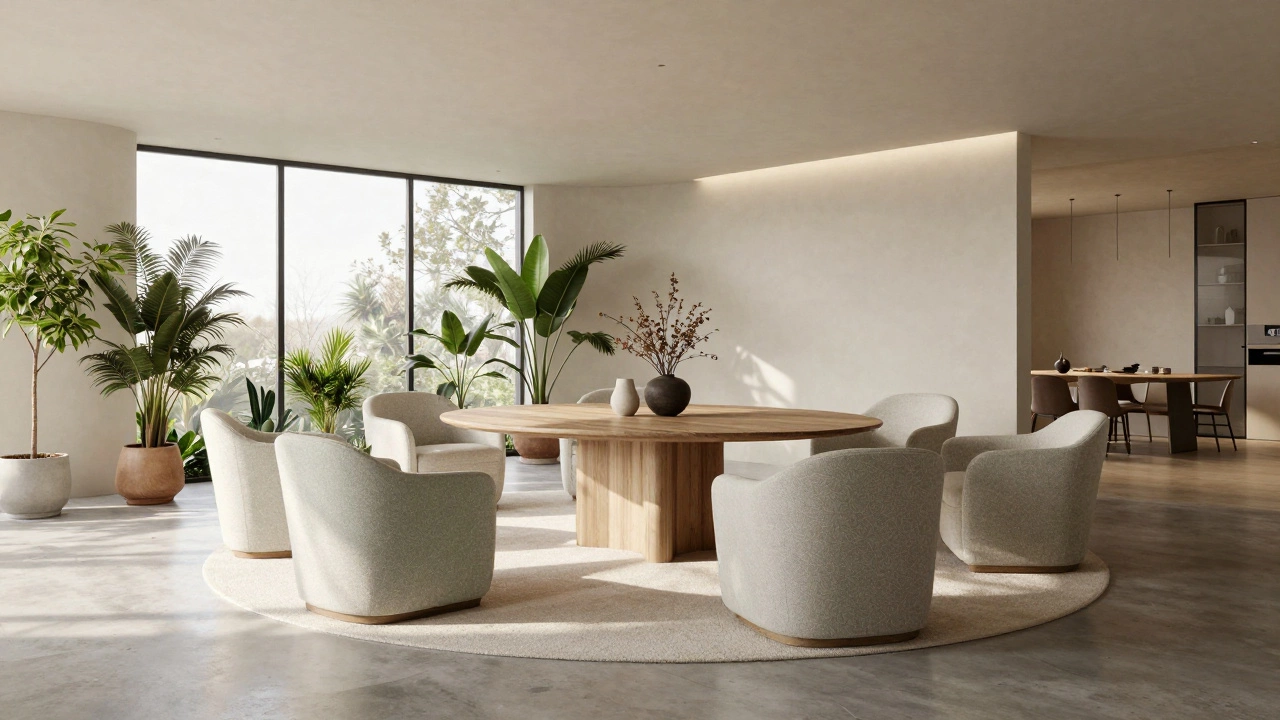
Have you ever walked into your Dining Room and felt the empty space shouting "I am wasted"? It happens more than you'd think. Most homes come with a dedicated box for eating that sits untouched nine months out of the year. If you live in a city apartment or a modern home where square footage matters, that massive oak table gathering dust might be holding you back from better design solutions.
A Dining Room is a designated area within a residence intended for meal consumption and social gathering. Traditionally, this zone revolves around one central object: the Dining Table. But what if you stopped treating the room as a formal stage and started using it as a flexible hub? In 2026, smart home living prioritizes multipurpose zones over rigid functions. Whether you're short on space or simply bored by convention, there are creative ways to fill that space without a standard four-legged centerpiece.
This guide isn't about making your dining room disappear; it's about reinventing its purpose so you actually enjoy spending time there. Let's explore the best replacements for that old table.
Why Ditch the Standard Dining Table?
Before we jump into specific furniture swaps, understand the friction points causing this shift. In many compact urban apartments, especially those found in inner-city Melbourne, a standard six-seater table creates a bottleneck. You cannot walk past someone sitting there. Furthermore, when the table is clear, it becomes a laundry folding station or a homework desk, losing its identity entirely.
Avoiding a fixed table offers immediate spatial relief. By removing the heavy visual weight of a rectangular surface, the room feels significantly larger. You also gain layout freedom. Instead of anchoring traffic flow to the corners, you can arrange furniture based on conversation groups or activity needs. This concept is known as zoning. Instead of a single "dining zone," you create smaller pockets for different activities like reading, working, or quick snacking.
If you host large dinners infrequently, the cost and footprint of a formal setup rarely make financial sense. Investing in modular or multi-use pieces that scale up and down with your guest count maximizes return on investment and keeps the aesthetics sharp.
The Kitchen Island Strategy
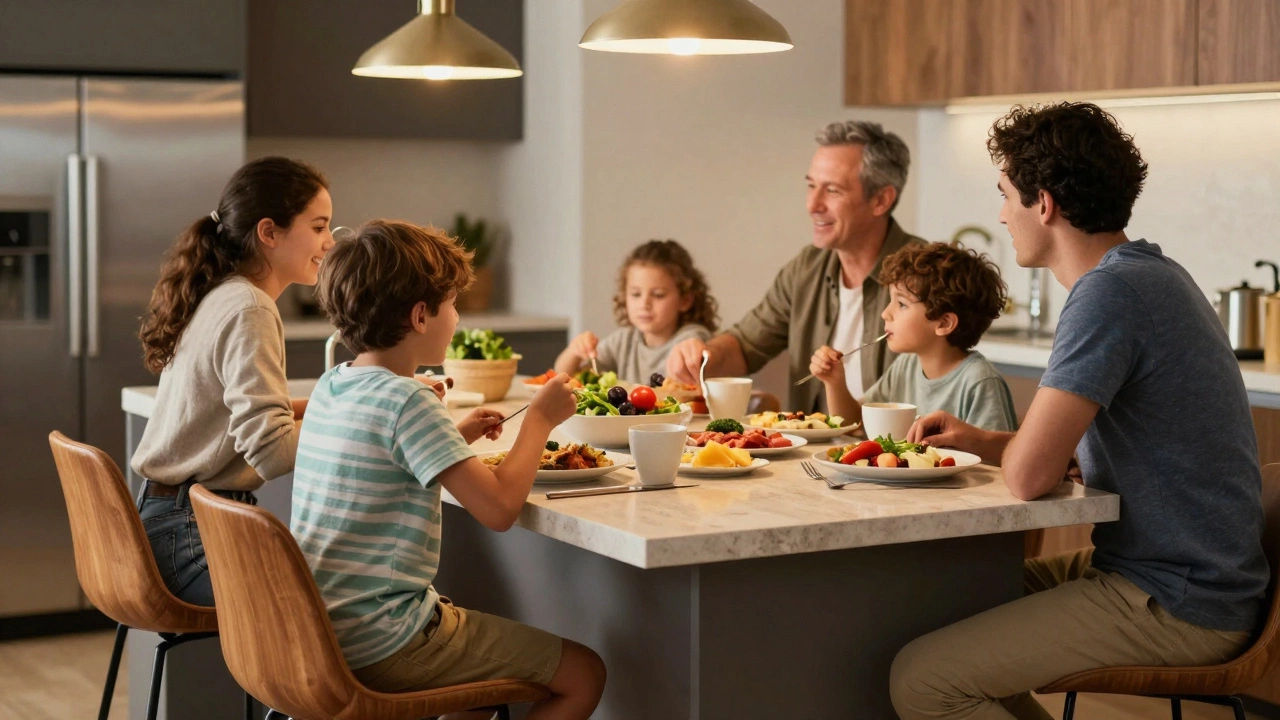
When the kitchen opens into the dining area, the Kitchen Island becomes the obvious contender. Many modern renovations blur the line between cooking and eating. An oversized island serves double duty as the primary meal prep station and the breakfast bar.
A Kitchen Island is a freestanding counter work surface located in the center of a kitchen space. To convert this into a viable dining alternative, you need three things:
- Seating Capacity: Add two to four high stools. Look for models with backs for comfort, as sitting upright for long meals is physically demanding.
- Overhead Lighting: Use pendant lights centered over the island extension to signal "this is where we sit." Warm light makes food look better and encourages lingering.
- Power Access: Integrate USB charging ports or hidden outlets near the seating edge. In 2026, a dinner is often accompanied by laptops or phones needing a charge while people eat.
This solution works particularly well for families who eat separately before gathering later. It turns the kitchen into a communal heart. The downside is limited formality. If you plan to serve a full roast dinner with multiple courses, a high bar might feel cramped compared to a lower table setting.
Creating a Banquette Nook
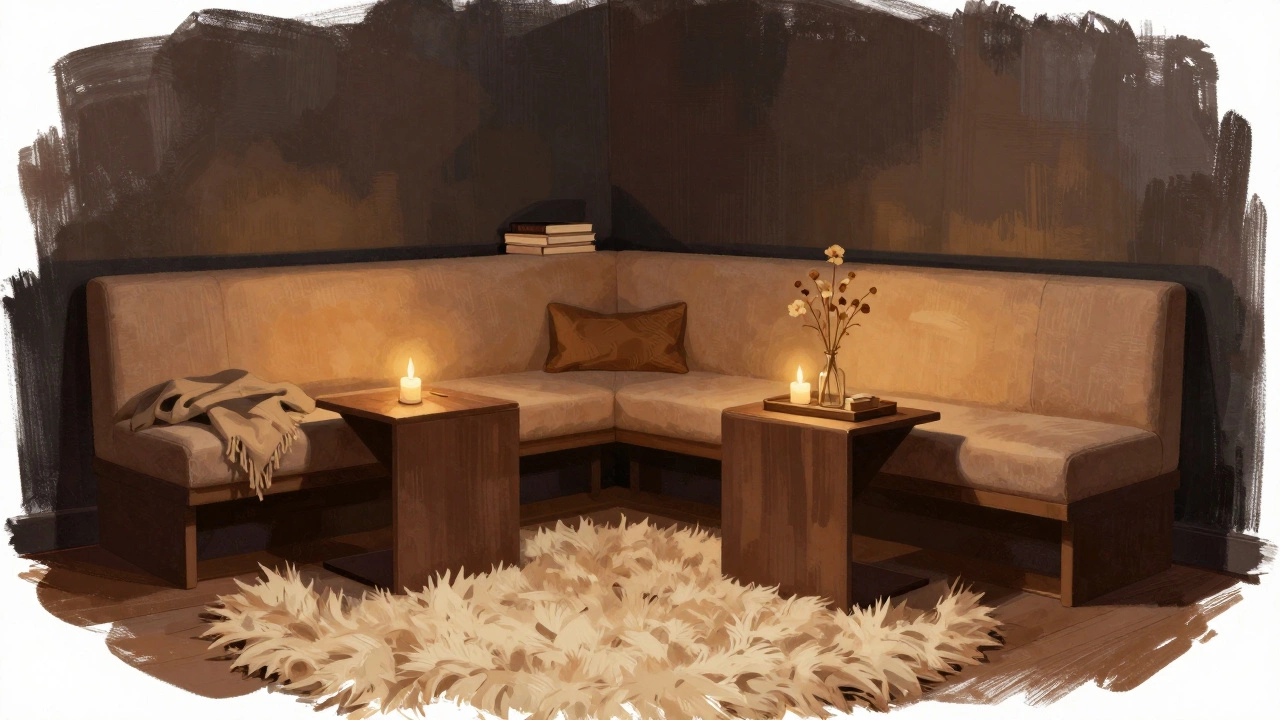
If you crave intimacy rather than openness, consider a Banquette Nook. A banquette consists of a built-in bench seat along a wall, sometimes wrapping around a corner, paired with a small table or stand-alone surfaces.
A Banquette Seat is a continuous upholstered bench seating arrangement, often fixed to a wall in a restaurant or home dining setting. While this still usually involves a small table, the key difference is eliminating the separate chairs. Chairs slide under the table when pushed in, wasting vertical floor space. Benches fit flush against the wall.
To do this without a traditional table, replace the standard round slab with individual trays or drop-top coffee tables placed in front of the seating. During mealtime, you pull these lightweight tables close to the cushioned bench. When not eating, these become individual reading stations. The fabric upholstery adds texture and warmth to a hard-tiled room.
If you don't want custom carpentry, a deep console sofa pushed against a wall mimics this effect perfectly. Add a few pouf stools in front for guests. This setup converts your dining room into a library-lounge hybrid instantly.
The Sideboard and High Bar Combo
Sometimes the most elegant solution isn't a big seating block but a serving focal point. A substantial Sideboard or buffet table acts as the anchor. Unlike the open dining table which invites standing over it, a closed sideboard invites movement around it.
Sideboard Furniture is a horizontal cabinet used for storage, serving, or display.
Used traditionally in dining rooms, sideboards store linens, dishes, and provide extra serving space.
Pair a wide sideboard with bar-height stools. Place a mirror on the wall behind it to reflect the room and add depth. This configuration works wonders for parties. You set drinks and snacks on top of the sideboard, and guests gather around it, standing or leaning on the stools.
The advantage here is containment. If you spill wine, it goes onto the tablecloth, not the floor. If you have clutter to hide (like school notices or unwashed silverware), the drawers inside the sideboard keep the visual noise low. It feels curated and intentional.
Casual Floor Sitting and Low Tables
For a total departure from Western norms, look to Japanese-inspired interiors. Removing the height component changes everything. You replace chairs and tall tables with Floor Cushions and low coffee tables.
- Flexibility: Move the cushions anywhere. Have ten guests? Spread them out across the rug.
- Knee Health: Sitting on the floor forces you to maintain better posture or stretch out comfortably. However, this is less ideal for guests with mobility issues.
- Storage: The air underneath these low tables is prime space for baskets filled with board games, blankets, or firewood.
Use thick tatami-style mats or layered wool rugs to protect your feet. This setup turns your dining room into a sunroom or play area immediately after meals. It is highly cost-effective compared to buying matching sets of furniture.
Multipurpose Desks and Drop-Leaf Options
If you need work space as much as eat space, a convertible desk is superior to a dining set. A drop-leaf desk allows you to expand a surface for six people and collapse it for zero people.
Drop-Leaf Table is a type of table where hinged flaps fold down against the sides.
It saves significant space when folded flat, acting as a narrow console when not in use.
In a home office environment, this piece blurs lines nicely. Eat lunch here, fold it up, work on spreadsheets later. Choose materials that match your home aesthetic-perhaps wood grain to blend with floors or painted finishes to match the wall color.
The critical feature here is the hardware mechanism. Hinges should support the weight silently. Cheap drop leaves sag; invest in ones with hidden brackets for stability. This ensures the transition from "console" to "table" feels seamless every single day.
Planning the Space Transition
Once you've picked an alternative, you must adjust the rest of the room's elements. Without a table to anchor traffic, lighting placement becomes the primary guide. Recessed lights aren't enough; you need focal lighting above your new focal point (the island, banquette, or sideboard).
Another major consideration is flooring durability. If you move from a protected area under a table to the open floor for seating, wear patterns will change. High traffic areas near your new "seating island" need durable rugs or polished concrete.
Don't forget circulation paths. A dining room without chairs allows for wider aisles. Keep at least 75cm (30 inches) of clearance around any seating furniture for comfortable walking. In narrow city apartments, this spacing is often the limiting factor that determines whether a banquette fits.
| Feature | Kitchen Island | Banquette Nook | Sideboard Station | Floor Seating |
|---|---|---|---|---|
| Best For | Breakfast, Socializing | Family Meals, Cozy Vibes | Parties, Serving | Relaxation, Casual |
| Space Efficiency | High (Central) | High (Wall mounted) | Medium | Very High |
| Formal Hosting | No | Yes | Moderate | No |
| Storage Added | Cabinetry Below | None (Usually) | Drawers/Cupboards | Under Baskets |
FAQs About Replacing Your Dining Table
Can I still serve formal dinner parties without a dining table?
Yes, but preparation differs. Using a sideboard buffet allows guests to serve themselves casually. Alternatively, if you have a banquette nook, use individual tea trays or low carts to transport plates to the seat, maintaining elegance without a large central slab.
What about kids doing homework in the dining room?
This is a common use case. A long drop-leaf desk or a shared kitchen island handles this perfectly. It separates work zones from relaxation zones in the lounge. Ensure ample task lighting is available overhead.
Is it difficult to clean a floor seating area?
Not necessarily. Hard flooring works best. With floor seating, remove loose debris before laying cushions down. Using washable rug pads underneath helps manage spills easily.
Do these options save money?
Generally yes. Custom carpentry for a banquette costs more, but standard stools or a simple sideboard is cheaper than buying a whole set of eight matching chair and table combinations.
Will this affect my home resale value?
In modern markets, open-plan living is standard. Removing a formal table often appeals more to buyers wanting versatile spaces than keeping a formal dining set that feels outdated.