Credenza vs. Sideboard Finder
Not sure which piece fits your space? Answer these three questions to get a tailored recommendation.
Your Recommendation:
Sideboard Fit
Credenza Fit
Why this choice?
Quick Comparison Guide
| Feature | Sideboard | Credenza |
|---|---|---|
| Height | Taller (30–40") | Lower (25–35") |
| Depth | Deeper (16–20") | Shallower (12–18") |
| Legs | Solid base or short legs | Raised on tall, thin legs |
| Best For | Dining storage & serving | General display & media |
You walk into a furniture store or scroll through an online catalog, and you see two large, low cabinets that look nearly identical. One is labeled a sideboard, and the other is called a credenza. You might wonder if they are just fancy names for the same box with doors. They aren't. While both serve as storage hubs in your home, their origins, dimensions, and intended uses differ enough to change how you style them.
Choosing the wrong one can lead to awkward proportions in your room or insufficient storage for your specific needs. A sideboard often anchors a formal dining space, while a credenza tends to be more versatile, fitting into living rooms or offices. Let’s break down exactly what separates these two pieces so you can pick the right one for your Melbourne home without second-guessing yourself.
The Origins of Each Piece
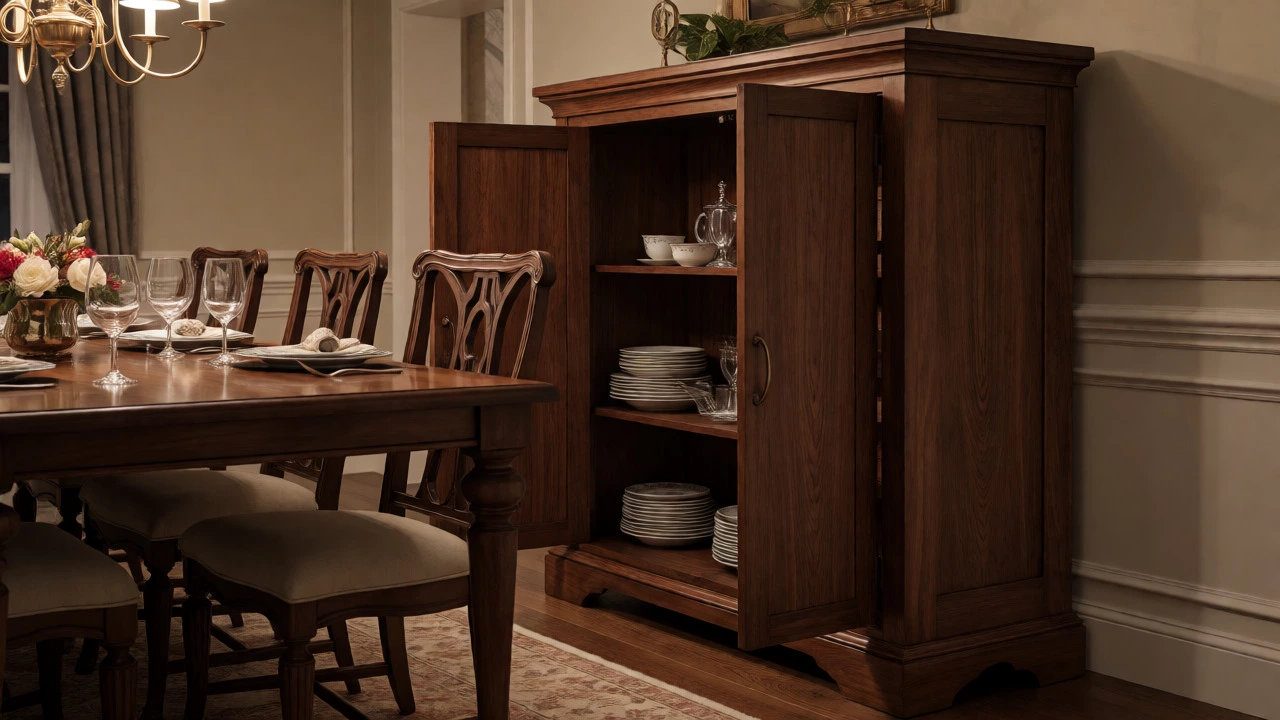
To understand the difference, it helps to look at where these pieces came from. The sideboard has roots in 18th-century Europe. It was designed specifically for the dining room. Its primary job was to hold serving dishes, silverware, and table linens. Because it sat against the wall near the dining table, it needed to be sturdy and accessible for hosts during meals. Think of it as the dedicated servant of the dinner party.
The credenza comes from Italy, where the word literally means "belief" or "trust." Historically, it referred to a long bench with a backrest found in religious institutions, used by monks to store books and vestments. Over time, the design evolved into a low, wide cabinet. Unlike the sideboard, the credenza wasn’t tied exclusively to food service. It became a general-purpose storage unit for offices, libraries, and eventually, modern living spaces. This history explains why credenzas often feel less formal and more adaptable than their dining-focused cousins.
Dimensions and Structural Differences
If you pull out a tape measure, you’ll spot clear physical distinctions. These aren’t subtle tweaks; they are significant changes in height, depth, and leg style that affect how each piece functions.
| Feature | Sideboard | Credenza |
|---|---|---|
| Height | Taller (30-40 inches) | Lower (25-35 inches) |
| Depth | Deeper (16-20 inches) | Shallower (12-18 inches) |
| Legs | Often solid base or short legs | Frequently raised on tall, thin legs |
| Primary Use | Dining storage & serving | General display & media storage |
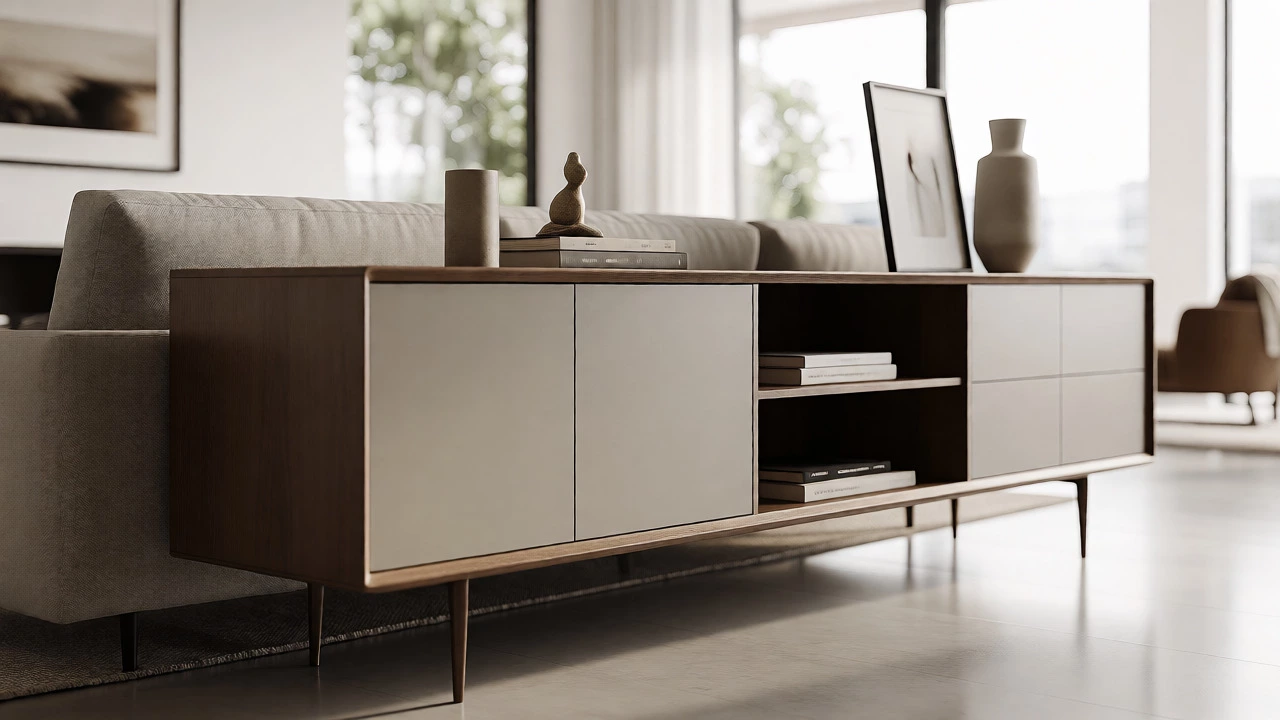
Notice the height difference. A standard sideboard is built to align with the surface of a dining table, which usually sits around 30 inches high. This makes it easy to transfer plates and bowls from the cabinet to the table without bending down. A credenza, however, is lower. This lower profile allows it to sit comfortably under windows or beneath wall art without blocking sightlines. If you place a credenza in a living room, it won’t tower over your sofa, keeping the room feeling open and airy.
Depth is another key factor. Sideboards are deeper because they need to store bulky items like platters, tureens, and stacks of napkins. Credenzas are shallower. This makes them ideal for hallways or behind sofas where floor space is limited. You don’t want a massive footprint blocking traffic flow in a narrow corridor. The shallow depth of a credenza solves this problem neatly.
Storage Configuration and Interior Layout
Open the doors, and the differences continue. Inside a typical sideboard, you will find adjustable shelves and sometimes deep drawers. The layout is optimized for stacking dishes and organizing flatware. Some high-end sideboards even include felt-lined trays for jewelry or silver, reflecting their role in storing valuable serving pieces.
Credenzas offer more variety. Because they are used in diverse settings-from offices to bedrooms-their interiors vary widely. You might find a mix of closed cabinets and open shelving. Open shelves are common in credenzas because they allow for displaying decorative objects, books, or media devices. In a home office context, a credenza might have compartments for files and printers rather than dish racks. If you buy a credenza expecting it to function exactly like a kitchen cabinet, you might be disappointed by the lack of specialized dividers.
Consider your storage needs before buying. Do you have a collection of heavy ceramic bowls? A sideboard’s sturdy, deep shelves are better suited. Are you looking to hide a TV or display a row of vinyl records? A credenza with mixed open and closed storage gives you the flexibility to show off some items while hiding the clutter.
Placement and Styling Tips
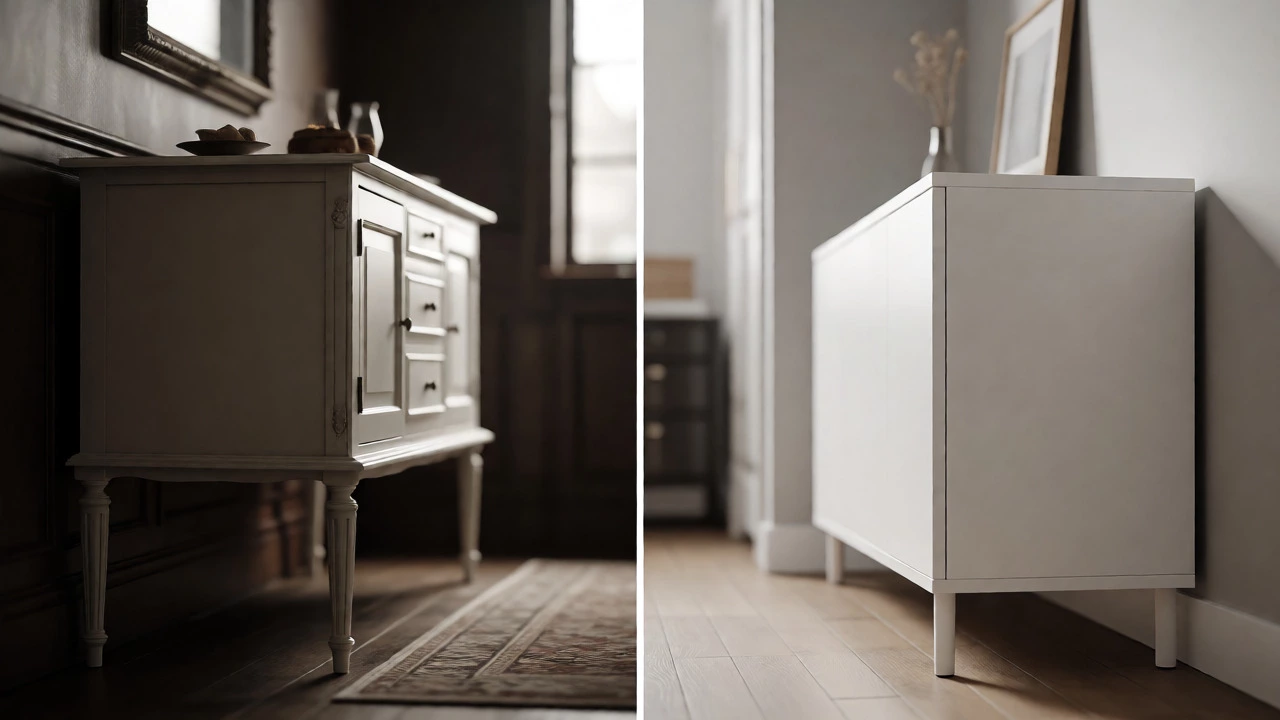
Where you put these pieces matters as much as what they look like. Since sideboards are dining-centric, they belong in the dining room. They act as a buffet station during parties. Place yours against the longest wall in the dining area. Ensure there is enough clearance for people to stand in front of it and open the doors fully. If your dining room doubles as a workspace, a sideboard can still work, but it might feel too heavy or formal for a casual home office vibe.
Credenzas are chameleons. You can use them in the living room as a console behind a sofa. This creates a visual separation between zones in an open-plan home. In an entryway, a credenza provides a landing spot for keys and mail without overwhelming the small space. In a bedroom, it can replace a dresser if you prefer a wider, lower silhouette. The key is to match the credenza’s style to the room’s function. A mid-century modern credenza looks great in a living room, while a sleek, minimalist version fits perfectly in a contemporary office.
Styling the top surface also differs. On a sideboard, keep it functional. A bowl of fruit, a carafe of water, or a stack of menus works well. It should invite interaction. On a credenza, treat the top as a display stage. Layer different heights-tall vases, framed photos, and small sculptures-to create visual interest. Since credenzas are often viewed from a distance (like across a living room), they benefit from bold, curated decor.
Which One Fits Your Lifestyle?
Deciding between the two comes down to three questions: Where will it live? What will you store? How formal is your space?
- Choose a Sideboard if: You host frequent dinner parties, have a dedicated dining room, and need to store bulky tableware. It’s best for traditional or transitional styles where formality is appreciated.
- Choose a Credenza if: You need flexible storage in multiple rooms, have limited floor space, or prefer a modern, streamlined look. It’s ideal for open-plan homes, apartments, or multi-purpose rooms.
Don’t let the labels confuse you. Some manufacturers use the terms interchangeably, especially in mass-market furniture. Always check the dimensions and interior configuration rather than relying solely on the product name. If a "credenza" is 40 inches tall and 20 inches deep, it’s functionally a sideboard. If a "sideboard" has open shelves and skinny legs, it’s acting like a credenza. Trust your eyes and your tape measure.
Finally, consider the material and finish. Sideboards often feature rich woods like mahogany or walnut to complement formal dining tables. Credenzas come in a wider range of materials, including metal, glass, and lighter woods like oak or ash. This variety makes credenzas easier to integrate into eclectic or modern interiors. If you’re unsure, start with the room’s dominant style. A rustic dining room likely calls for a solid wood sideboard, while a sleek urban apartment might benefit from a lacquered credenza.
Can I use a credenza in the dining room?
Yes, absolutely. Many modern dining rooms use credenzas instead of sideboards for a sleeker, less bulky look. Just ensure it is tall enough to be useful for serving or that you have a separate cart for food service. The lower height can make it feel more spacious in smaller dining areas.
What is the main difference in storage capacity?
Sideboards generally offer more vertical storage volume due to their greater height and depth. They are designed for stacking plates and bowls. Credenzas provide horizontal surface area and often include open shelving, making them better for displaying items or storing media equipment, but they may hold fewer bulky dishes.
Are credenzas always lower than sideboards?
Typically, yes. Credenzas are designed to be lower to maintain sightlines in living spaces. However, furniture designs evolve, and some hybrid pieces blur the lines. Always check the specific height measurements listed in the product specs rather than assuming based on the name alone.
Which is better for a small apartment?
A credenza is usually better for small apartments. Its shallower depth saves floor space, and its lower profile prevents the room from feeling cramped. You can also use it in multiple ways, such as a TV stand or hallway storage, maximizing utility in tight quarters.
Do sideboards have drawers?
Many sideboards include drawers for cutlery, linens, or serving tools. However, not all do. Some are purely shelf-based. Credenzas also frequently feature drawers, particularly in office-style models. Check the internal layout diagram before purchasing if drawer storage is essential for you.