
Most homeowners treat wallpaper as a gamble. One person sees a stunning focal point that makes a room feel like a luxury hotel, while another sees a dated nightmare they'll have to scrape off with a putty knife before selling. The truth is, wallpaper doesn't automatically raise your home's price tag in the same way a kitchen renovation does, but it can drastically change how quickly your home sells and how buyers perceive the quality of the space.
Quick Takeaways for Homeowners
- Visual Impact: Strategic wallpaper creates a "wow factor" that helps buyers emotionally connect with a space.
- The Risk: Bold, overly personal patterns can alienate buyers and potentially cost you money in removal fees.
- The Modern Edge: Peel-and-stick and high-end textured papers are currently more valuable than old-school vinyl.
- Strategic Placement: Powder rooms and entryways offer the highest return on investment (ROI) for wallpaper.
The Psychology of the First Impression
When a buyer walks through your front door, they aren't looking at the plumbing or the insulation-they are feeling the vibe. Interior Design is the art and science of enhancing the interior of a building to achieve a healthier and more aesthetically pleasing environment. Wallpaper plays a massive role here. A well-chosen pattern in an entryway suggests a curated, sophisticated home, which allows buyers to justify a higher asking price in their minds.
Think about it like a suit at a job interview. The suit doesn't give you the skills to do the job, but it tells the employer you are professional and detail-oriented. High-quality Wallpaper-especially textured options like grasscloth or silk-acts as that "professional suit" for your walls. It signals that the home has been maintained with an eye for luxury, which can lead to more competitive offers.
Where Wallpaper Actually Adds Value
Not all walls are created equal. Putting a loud, tropical print in every room is a recipe for a price drop, but targeting specific areas can actually increase the perceived value of your property. Let's look at the high-impact zones.
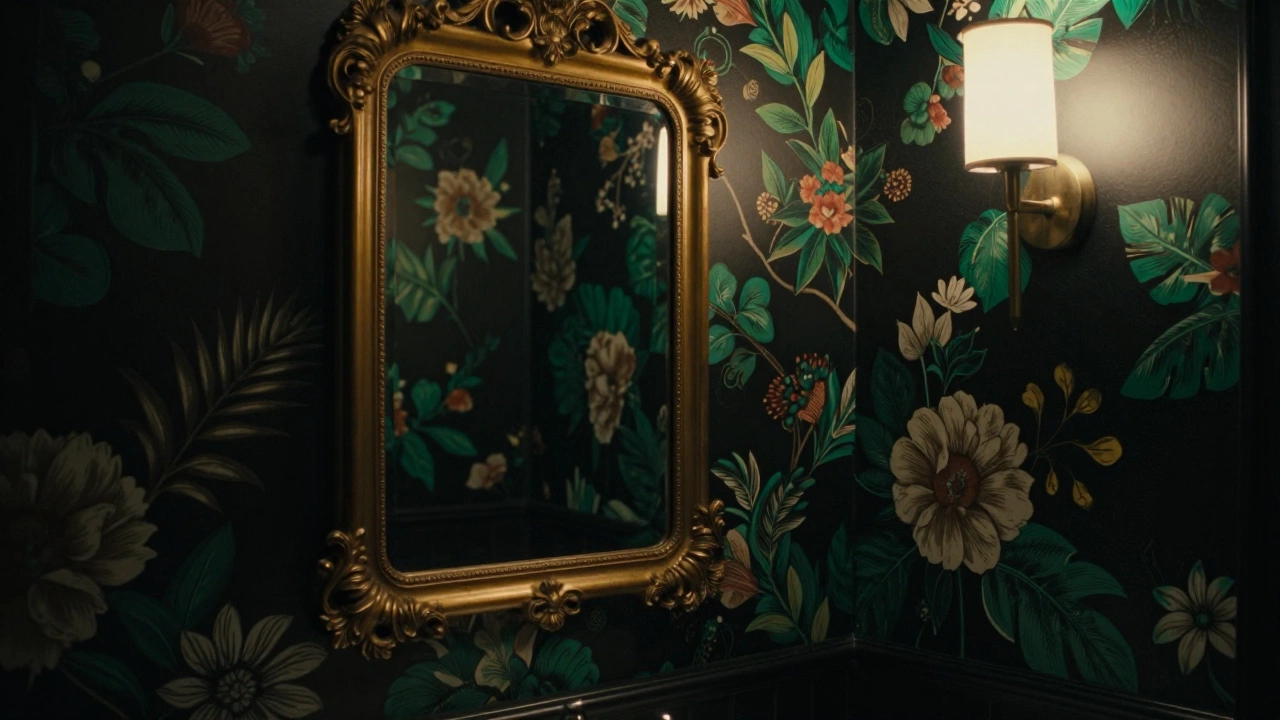
The Powder Room: This is the gold mine of wallpaper. Because these rooms are small and don't have a primary functional purpose other than basic utility, buyers love a bold choice here. A moody, dark floral or a geometric pattern in a half-bath feels like a design choice rather than a risk. It creates a memorable moment in the house tour.
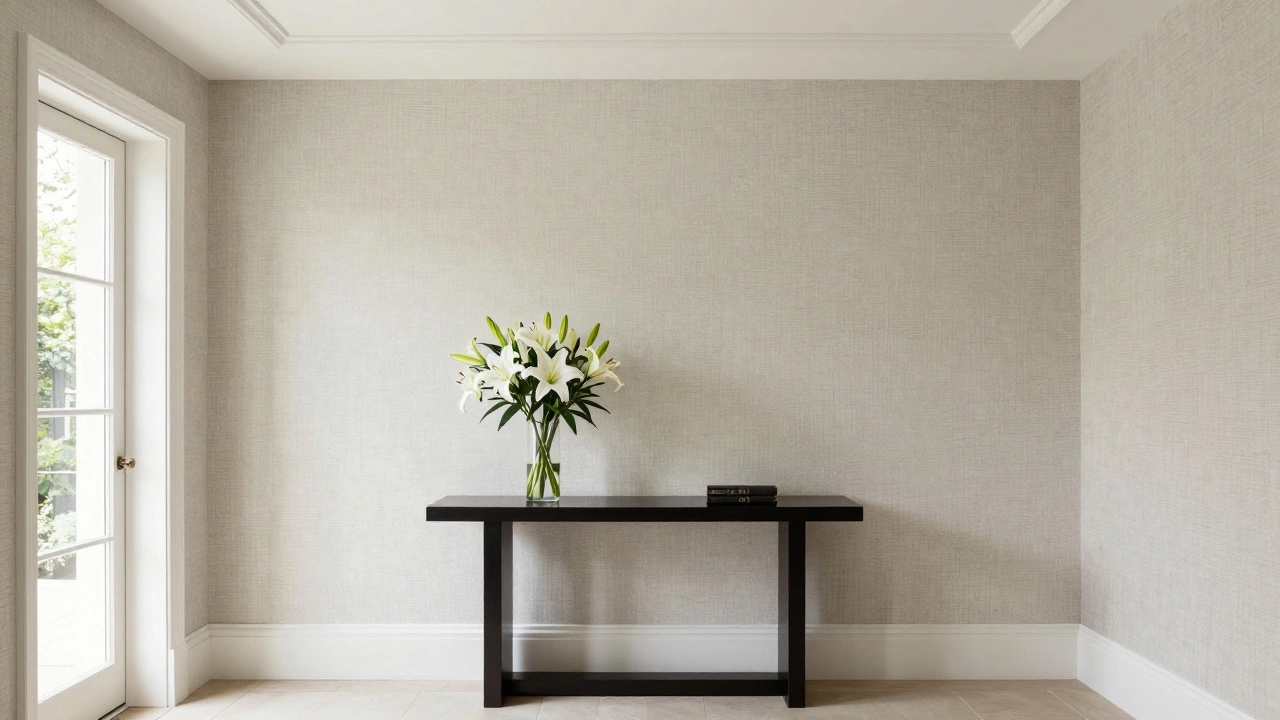
The Entryway and Foyer: Your foyer is the handshake of your home. Using a subtle, elegant pattern here sets the tone. If you use a neutral but textured paper, you're adding a layer of sophistication that flat paint simply cannot mimic. It makes the home feel "finished.");
The Bedroom Accent Wall: A single wall behind the headboard is a safe bet. It defines the space and adds depth. When buyers see a thoughtfully designed bedroom, they imagine themselves relaxing there, which is a key part of the emotional selling process.
| Room Type | Risk Level | Value Impact | Recommended Style |
|---|---|---|---|
| Powder Room | Low | High | Bold, eclectic, vibrant |
| Master Bedroom | Medium | Moderate | Soft textures, muted tones |
| Living Room | High | Variable | Neutral, architectural patterns |
| Kitchen | High | Low | Washable, high-durability vinyl |
Modern Material Matters: Traditional vs. Peel-and-Stick
The materials you choose can be the difference between an asset and a liability. Old-school wallpaper was a commitment-literally. It required Wallpaper Paste, a messy installation, and an even messier removal process that often ripped the drywall paper.
Enter Peel-and-Stick Wallpaper, also known as removable wallpaper. This is a game-changer for wallpaper home value. Because it can be removed without leaving a trace, it removes the "risk'" for the buyer. If a potential buyer hates your choice of a 1920s Art Deco print, they know they can peel it off in an afternoon rather than spending a weekend scraping glue off the walls.
However, for high-end luxury homes, traditional hand-painted or fabric-backed papers still hold the most prestige. These are seen as architectural features rather than mere decorations. If you are targeting the ultra-luxury market, a high-GSM (grams per square meter) heavy-duty paper is a signal of quality that a vinyl sticker cannot replicate.
The Danger Zone: When Wallpaper Devalues a Home
When does wallpaper become a problem? It happens when the design becomes a "barrier to entry." If a buyer walks into a room and thinks, "I can't live with this," they stop looking at the house and start calculating how much it will cost to fix the room. This is where you lose money.
Avoid these common pitfalls if your goal is resale value:
- Over-saturation: Covering every single wall in a house with patterns creates a claustrophobic feeling. It makes rooms look smaller and overwhelms the senses.
- Outdated Trends: Remember the 3D-effect nature scenes or the heavy gold-embossed patterns from the early 2000s? Those are immediate red flags. They suggest the home hasn't been updated in decades.
- Poor Installation: Bubbles, peeling seams, and mismatched patterns look sloppy. A bad wallpaper job is worse than a boring paint job because it screams "amateur renovation."
Comparing Wallpaper to Paint for ROI
Is it better to just paint everything a safe, neutral beige? Paint is the safest bet, but it's also the most boring. In a competitive real estate market, "safe" can sometimes mean "forgettable." Wallpaper, when done right, provides a level of texture and visual interest that paint cannot achieve.
If you're deciding between the two, consider the Return on Investment (ROI). Paint is cheap and fast, making it great for a quick flip. But for a home that wants to stand out as a "designer home," wallpaper offers a higher perceived value. It moves the property from the category of "standard housing" into "curated living."
The 2026 Trend Report: What Buyers Want Now
As of 2026, we're seeing a shift toward "Biophilic Design." This means buyers are drawn to patterns that mimic nature-deep forest greens, organic stone textures, and soft terracotta hues. These designs aren't just trendy; they're designed to reduce stress and improve well-being, which is a huge selling point for modern families.
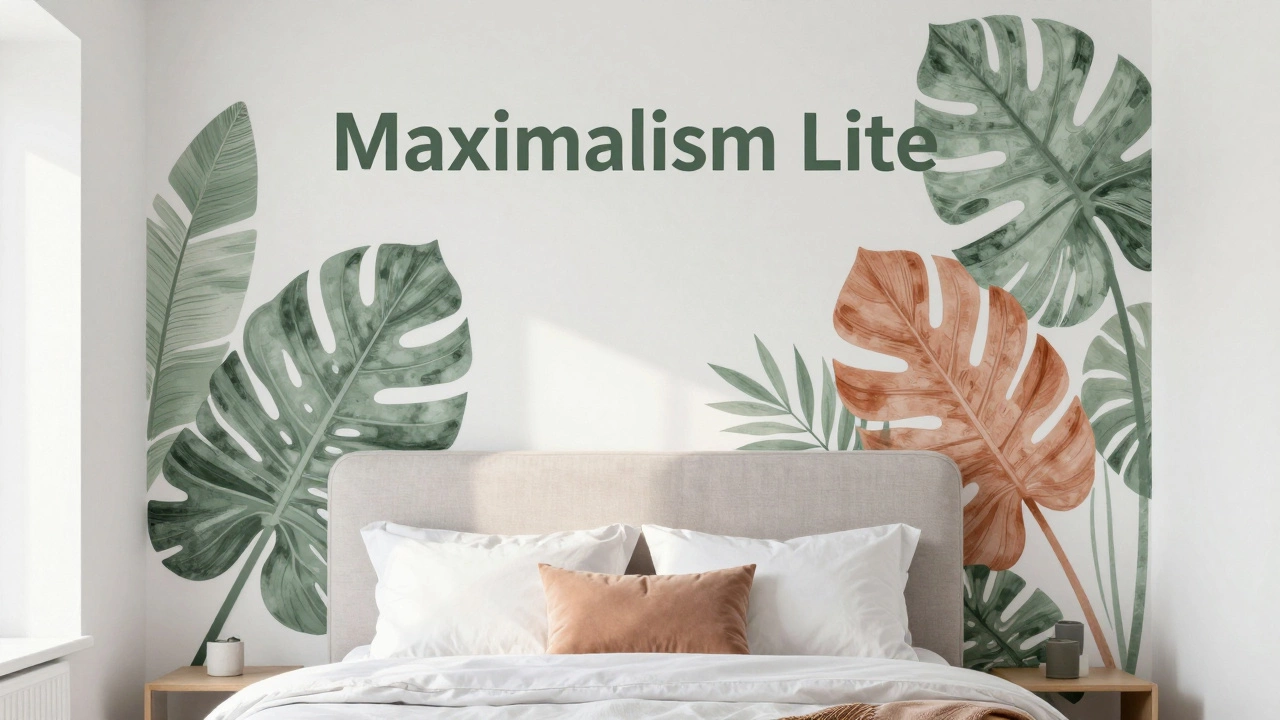
We're also seeing a rise in "maximalism Lite." This is where homeowners use one incredibly bold, high-contrast wall but keep the rest of the room starkly minimal. This creates a gallery-like feel that appeals to younger, affluent buyers who view their home as a reflection of their personality.
Does wallpaper make a room look smaller?
It depends on the pattern. Large-scale prints can actually make a small room feel bigger by drawing the eye upward and creating a sense of depth. Conversely, tiny, busy patterns in a dark color can make walls feel like they're closing in. For small rooms, stick to light colors with a vertical orientation to "lift" the ceiling.
Is peel-and-stick wallpaper as durable as traditional paper?
Generally, no. Traditional wallpaper is designed to last 15-20 years. Peel-and-stick is designed for flexibility and ease, typically lasting 3-7 years depending on the humidity and quality. For high-traffic areas like hallways, traditional paper is a better investment; for rental properties or trend-heavy rooms, peel-and-stick is the way to go.
What colors of wallpaper are safest for reselling a home?
Neutrals are always safe, but "textured neutrals" are the current gold standard. Think oatmeal, soft grey, or sage green. These colors blend into most furniture styles and don't clash with a buyer's existing belongings, making the home easier to visualize as their own.
Should I remove wallpaper before listing my home?
If the wallpaper is peeling, stained, or an incredibly polarizing pattern (like a neon leopard print), yes, remove it. If it's a high-end, modern design in a small room like a bathroom, keep it. If you're unsure, ask a local real estate agent to do a walkthrough-they know exactly what the current buyers in your specific neighborhood are looking for.
Can wallpaper cover damaged walls?
Next Steps for Your Home
If you're planning to sell in the next six months, stick to the "one-room rule": only wallpaper one small, high-impact area. This gives the home a designer touch without risking a buyer's distaste.
If you're staying for a decade, go for the high-end traditional papers. The durability will save you money in the long run, and you can enjoy the luxury of a fully curated space. Regardless of your choice, always keep a sample of the paper and the exact paint codes for the surrounding walls; this makes touch-ups easy and shows buyers you've kept a detailed record of the home's maintenance.