
Is Your Wallpaper Dated? The 2026 Style Check
Answer these 5 questions about your wall coverings to see if they fit the 2026 aesthetic or if it's time for a refresh.
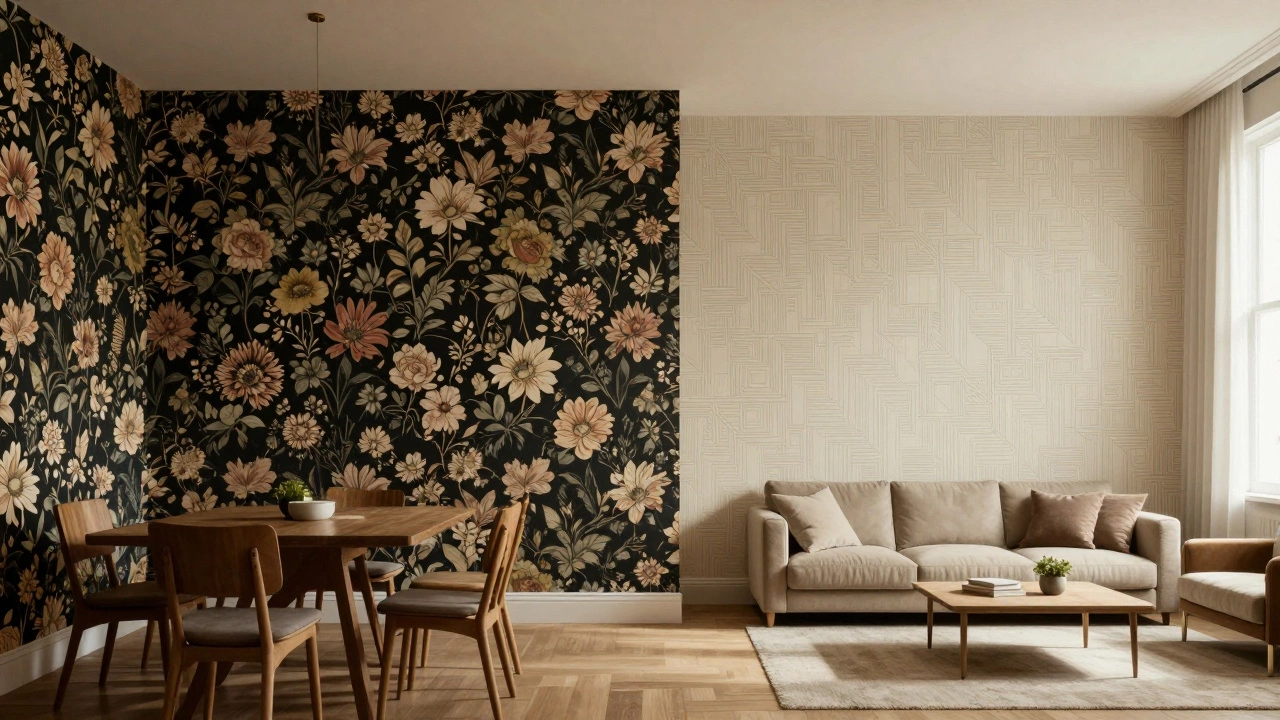
Walk into a home built in the late 1990s or early 2000s, and you might spot it: that heavy, dark floral pattern covering every inch of the dining room. It feels suffocating, doesn't it? That specific aesthetic is what makes many people ask, "Does wallpaper look dated?" The short answer is no-but the long answer requires us to separate the medium from the mistakes of the past. Wallpaper itself isn't old-fashioned; bad wallpaper choices are.
In 2026, we are seeing a massive resurgence of wall coverings, but the rules have changed completely. We aren't talking about the glue-heavy, hard-to-remove rolls of yesteryear. Today's market is driven by texture, subtle patterns, and materials that mimic plaster, linen, or concrete. If you're holding off on using wallpaper because you fear your home will look like a museum exhibit from two decades ago, you're missing out on one of the easiest ways to add depth and character to a space without painting every wall.
The Difference Between Dated and Timeless
To understand why some wallpaper looks stuck in the past while other designs feel fresh, we need to look at scale and color. The biggest culprit behind the "dated" label is oversaturation. In the early 2000s, the trend was to paper every single wall in a room with a large-scale, high-contrast pattern. This created visual noise that overwhelmed the eye. When you enter a room and can't tell where the furniture ends and the walls begin, the design fails.
Modern wallpaper usage follows a different philosophy: restraint. Think of wallpaper as an accent, not a blanket. Using a bold pattern on just one feature wall-like behind a bed or above a sofa-creates a focal point without overwhelming the space. Another key shift is the move toward tonal patterns. Instead of bright reds against stark whites, contemporary designs often use monochromatic schemes. A grey-on-grey damask or a beige-on-beige geometric print adds texture and interest without shouting for attention. These subtle shifts make the design feel integrated rather than applied.
Color palette matters immensely here. Earth tones, muted greens, warm terracottas, and soft blues dominate the current landscape. These colors ground the space and connect it to nature, a theme that has remained strong since the pandemic reshaped how we view our homes. If you see a wallpaper with neon accents or harsh primary colors, your brain likely registers it as outdated because those palettes belong to a different era of interior design.
Texture Over Pattern: The New Standard
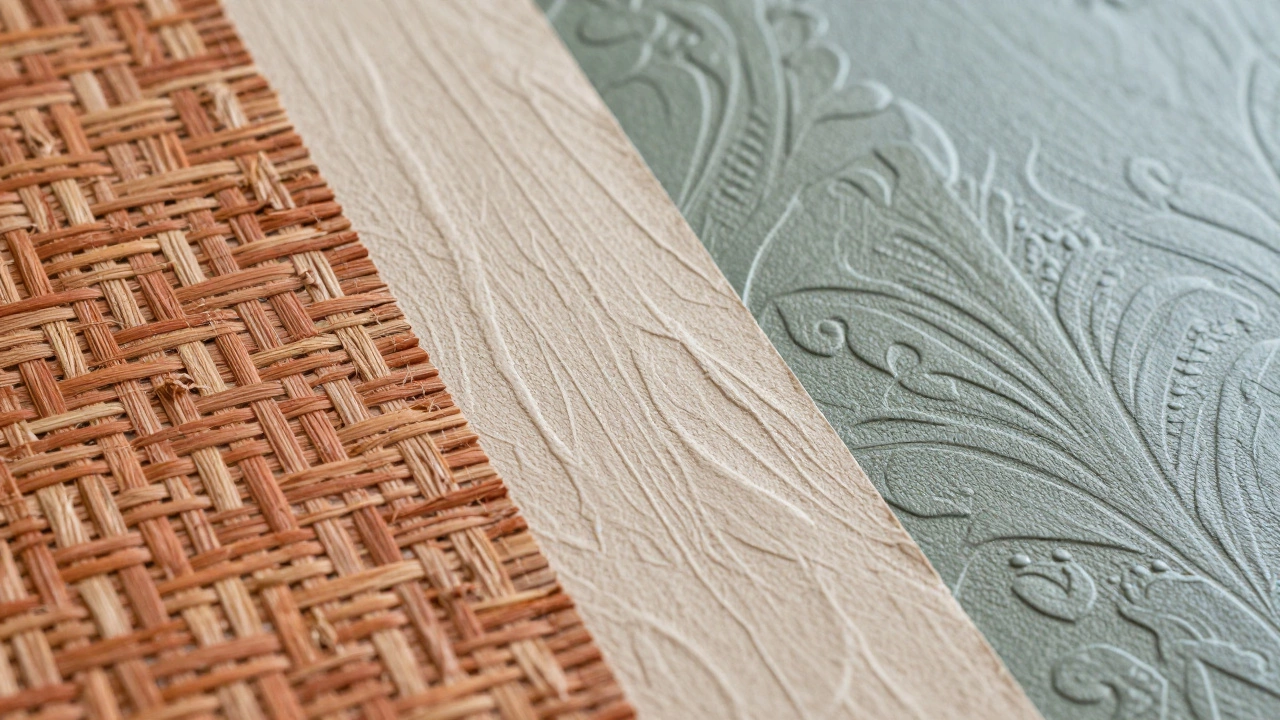
If there is one trend defining wallpaper in 2026, it is texture. We are moving away from flat, printed images toward surfaces that you want to touch. Grasscloth, hemp, and woven jute wallpapers are incredibly popular right now. They bring an organic, tactile quality to a room that paint simply cannot replicate. Even if the color is plain, the variation in the weave catches the light differently throughout the day, giving the walls a living, breathing feel.
Another major player is faux-plaster or Venetian plaster effects. These wallpapers mimic the expensive, labor-intensive process of hand-troweling plaster onto walls. They offer that high-end, artisanal look without the cost or skill requirement. For renters or homeowners who love the minimalist, Scandinavian, or Japandi aesthetics, these textured neutrals are perfect. They provide warmth and sophistication without any busy patterns that might date quickly.
Even traditional patterns are getting a textural update. Embossed vinyl wallpapers allow you to have a classic damask or herringbone design that stands out through relief rather than ink. When painted over with a matte finish, these become purely architectural elements. This approach ensures longevity; if the style falls out of favor, you can repaint the embossed surface a new color, effectively refreshing the room without stripping the walls.
| Feature | Dated Approach (Pre-2010) | Modern Approach (2026) |
|---|---|---|
| Coverage | All four walls | Accent wall or half-wall |
| Pattern Scale | Large, bold, high-contrast | Small-scale, tonal, or textured |
| Material | Paper-backed vinyl, heavy paste | Grasscloth, non-woven, peel-and-stick |
| Installation | Professional required, messy | DIY friendly, clean removal |
| Longevity | Hard to remove, damages drywall | Removable, reusable, eco-friendly options |
The Rise of Peel-and-Stick Technology
One reason wallpaper had a bad reputation was the installation and removal process. Remember trying to scrape off old wallpaper? It was a nightmare. You needed heat guns, scrapers, and buckets of water, and even then, you'd often rip chunks of drywall off with the paper. This friction kept many people away from trying it.
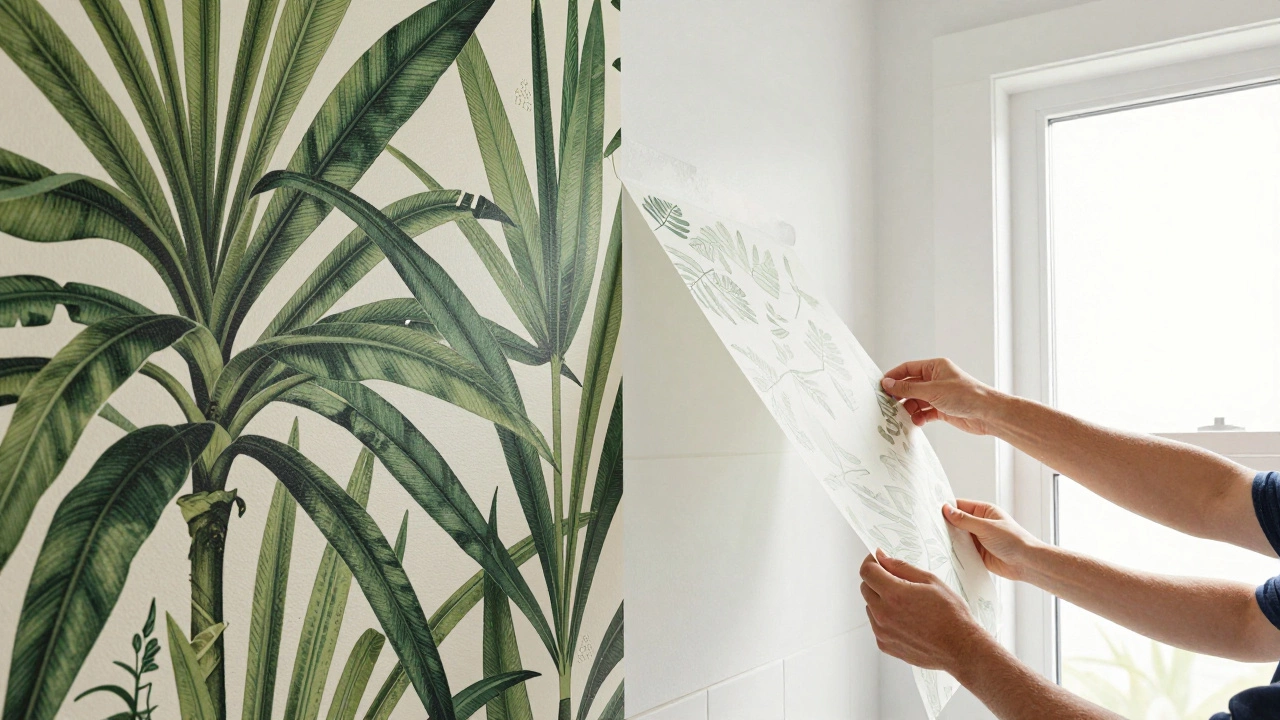
Enter self-adhesive, or peel-and-stick, wallpaper. This technology has revolutionized the industry. The backing is pressure-sensitive, meaning you just peel off the liner and smooth it onto the wall. No paste, no brushes, no mess. More importantly, when it's time to change things up, most high-quality peel-and-stick varieties come off cleanly without damaging the underlying paint. This makes it ideal for renters in Melbourne or anywhere else who want to personalize their space without losing their security deposit.
The quality of these products has also improved dramatically. Early versions felt thin and plastic-like. Today's options include thick vinyls, fabric-weaves, and even cork surfaces. They are durable enough for kitchens and bathrooms, resisting moisture and humidity better than standard paint. For a quick refresh in a powder room or a child's bedroom, this is the go-to solution. It lowers the barrier to entry, allowing more people to experiment with design without committing to a permanent renovation.
Where to Use Wallpaper in 2026
Knowing where to place wallpaper is just as important as choosing the right design. Here are the most effective spots to incorporate wall coverings in a modern home:
- The Powder Room: This is the ultimate playground for bold patterns. Since the space is small and enclosed, you can go all out with a dramatic, large-scale print. It creates a memorable first impression for guests.
- Behind the Bed: In the bedroom, papering the wall behind the headboard frames the sleeping area. It adds coziness and acts as a natural backdrop for artwork or mirrors.
- Kitchen Cabinetry: Yes, you can put wallpaper inside cabinets or on the back panel of open shelving. A vibrant pattern here adds a pop of color that you can easily swap out when you get bored, unlike repainting wood.
- Ceiling: Don't forget the fifth wall. A subtle starry night pattern or a textured white can draw the eye upward, making low ceilings feel higher. It’s a surprising touch that elevates a simple room.
- Hallways: Narrow spaces benefit from vertical stripes or elongated botanical prints. These illusions help stretch the perspective, making tight corridors feel less claustrophobic.
Avoid placing complex patterns in very small, cluttered rooms unless you want to create a sense of chaos. Simplicity is key in confined spaces. Stick to solid textures or very faint patterns in areas where you already have lots of furniture and decor.
Sustainability and Eco-Friendly Choices
In 2026, consumers are more conscious than ever about the environmental impact of their home goods. Traditional wallpapers often involved PVC (polyvinyl chloride), which is not biodegradable and releases harmful chemicals during production and disposal. Fortunately, the market has shifted.
Look for wallpapers made from natural fibers like grasscloth, bamboo, or recycled paper. Many brands now offer water-based inks instead of solvent-based ones, reducing volatile organic compounds (VOCs) in your home. Non-woven wallpapers, made from a mix of natural and synthetic fibers, are also gaining traction because they are breathable, preventing mold growth in humid climates like ours in Australia.
Choosing sustainable options doesn't mean sacrificing style. In fact, natural materials often age better, developing a patina that adds character over time. Supporting brands that prioritize ethical manufacturing and eco-friendly materials aligns your interior design choices with your values, creating a home that is good for both you and the planet.
How to Choose the Right Wallpaper for Your Space
Selecting the right wallpaper involves more than just picking a pretty picture. Consider the lighting in the room. North-facing rooms tend to be cooler and darker, so warm tones and lighter patterns can help brighten them up. South-facing rooms get plenty of light, allowing you to use deeper, richer colors without making the space feel gloomy.
Also, think about the room's function. High-traffic areas like hallways and children's rooms need durable, scrubbable surfaces. Vinyl-coated papers are best for these spots. Low-traffic areas like bedrooms and formal dining rooms can handle delicate fabrics or textured papers that might tear easily.
Always buy extra. Wallpaper patterns need to match up, known as "pattern repeat." If you run short, buying a new roll later might result in a slight color batch difference, leaving you with a mismatched wall. It’s better to have leftover material for future repairs than to struggle with finding an exact match years down the line.
Is wallpaper still popular in 2026?
Yes, wallpaper is extremely popular in 2026, but the trends have shifted. Instead of loud, all-over patterns, people are opting for textured, tonal, and accent-wall applications. Materials like grasscloth and peel-and-stick vinyls are driving this resurgence due to their ease of use and modern aesthetic.
What kind of wallpaper looks dated?
Wallpaper that covers all four walls with large-scale, high-contrast patterns often looks dated. Designs featuring heavy florals, neon colors, or overly busy motifs from the 1990s and early 2000s tend to feel outdated. Additionally, glossy finishes with cheap-looking prints can give a room an older vibe.
Can I put wallpaper over existing wallpaper?
It is generally not recommended to hang new wallpaper directly over old wallpaper, especially if the old layer is loose or peeling. It's best to remove the existing wallpaper to ensure a smooth surface. However, if the old wallpaper is firmly attached and relatively flat, some professionals may advise priming it first before applying a new, heavier-weight paper.
Is peel-and-stick wallpaper durable?
High-quality peel-and-stick wallpaper is quite durable and suitable for most rooms, including kitchens and bathrooms. It resists moisture and stains well. While it may not last as long as traditionally pasted commercial-grade wallpaper, it is perfect for residential use and offers the advantage of easy removal and replacement.
How do I choose a wallpaper pattern for a small room?
For small rooms, opt for smaller-scale patterns or subtle textures. Lighter colors can help make the space feel larger and airier. Vertical stripes can create the illusion of height, while horizontal stripes can widen the room. Avoid overwhelming large prints that can make a small space feel cramped and chaotic.