
Flooring Replacement Cost Calculator (2,000 Sq Ft)
Project Details
Estimated Total Cost
Cost Breakdown:
You could save approximately by doing it yourself.
*Estimates based on 2,000 sq ft. Prices vary by region. Always get multiple quotes.
Walking into a room with worn-out, cracked, or simply dated flooring feels like stepping into the past. If you are looking at a 2,000-square-foot home, that feeling is amplified across every step. You want an upgrade, but the big question hanging over your head is always money. How much does it actually cost to replace 2,000 square feet of flooring? The short answer is anywhere from $4,000 to $18,000+, depending on what material you choose and whether you do any of the work yourself.
In 2026, labor costs have stabilized slightly after recent spikes, but material prices remain sensitive to supply chain shifts. This guide breaks down exactly where your money goes, so you can budget without panic. We will look at material costs, labor fees, hidden expenses like subfloor repair, and how to save cash without sacrificing quality.
Understanding the Base Cost: Material vs. Labor
To get a realistic number, you need to split the bill into two main buckets: materials and installation. For a 2,000-square-foot space, these numbers add up quickly. Most homeowners forget that the material cost is only about half the battle. Installation, prep work, and finishing touches make up the rest.
If you hire a professional contractor, expect to pay between $3 and $15 per square foot for materials alone. Labor typically runs from $1 to $8 per square foot, depending on the complexity of the job. So, for 2,000 square feet, your baseline range starts around $8,000 for mid-range options and can climb well above $30,000 for high-end luxury installations.
However, many people opt for cheaper materials or DIY installation to keep costs down. Let’s look at the specific numbers for the most popular flooring types available in 2026.
Cost Breakdown by Flooring Type (Per 2,000 Sq Ft)
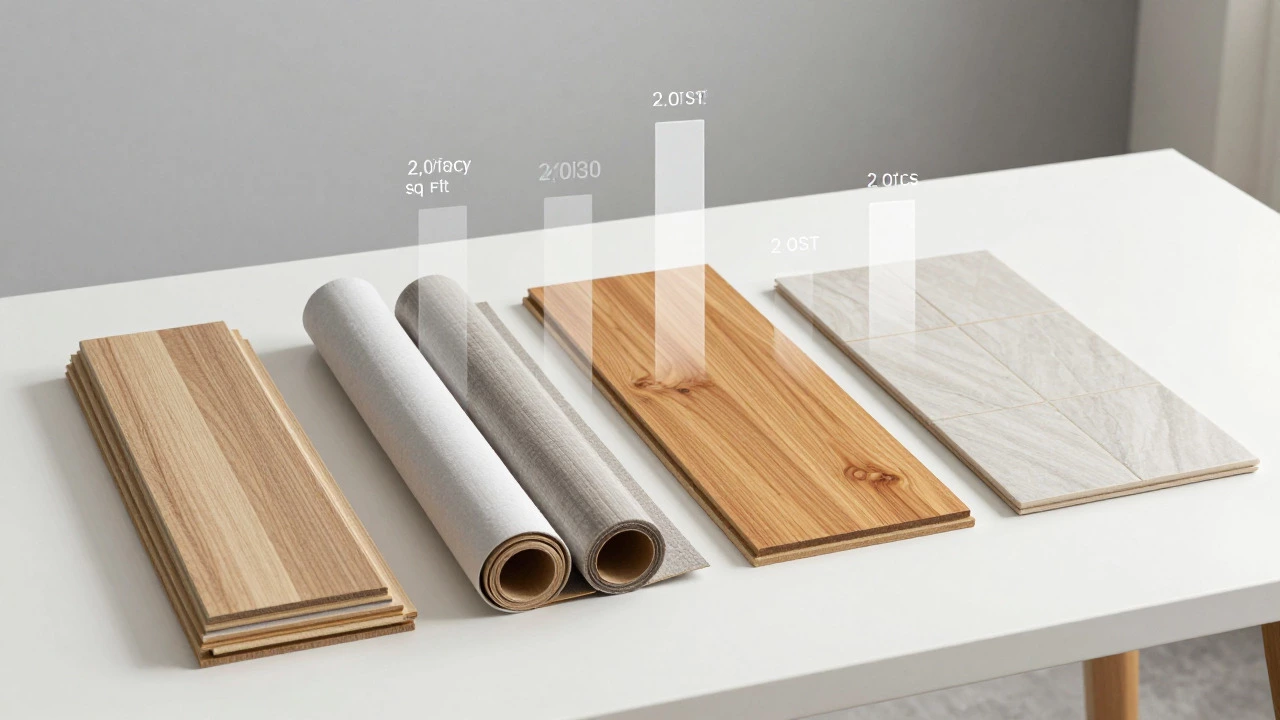
Not all floors are created equal. Some are durable and cheap, while others are luxurious but expensive to install. Here is how the top contenders stack up for a 2,000-square-foot project.
| Flooring Type | Material Cost ($/sq ft) | Labor Cost ($/sq ft) | Total Estimated Cost |
|---|---|---|---|
| Laminate | $1 - $4 | $1 - $3 | $4,000 - $14,000 |
| Vinyl Plank (LVP) | $2 - $7 | $1 - $4 | $6,000 - $22,000 |
| Engineered Hardwood | $4 - $12 | $3 - $7 | $14,000 - $44,000 |
| Solid Hardwood | $6 - $15 | $4 - $8 | $20,000 - $60,000 |
| Ceramic/Porcelain Tile | $3 - $10 | $4 - $10 | $14,000 - $40,000 |
Laminate remains the budget king. It mimics wood or stone convincingly and is easy to install as a floating floor. For a 2,000-square-foot home, you could pull this off for under $10,000 if you stick to mid-tier brands.
Vinyl Plank (LVP) has taken over the market in recent years. It is waterproof, durable, and comfortable underfoot. High-quality rigid core LVP costs more than basic laminate but offers better longevity. Expect to spend around $8,000 to $15,000 for a solid mid-range installation.
Hardwood is the premium choice. Engineered hardwood sits in the middle ground, offering the look of real wood with better stability in humid areas. Solid hardwood is an investment that lasts decades and increases home value significantly. Be prepared to spend at least $20,000 for a full-house hardwood installation.
Tile is incredibly durable but labor-intensive. The material might seem affordable, but laying tile requires skilled labor, mortar, grout, and significant time. It is often the most expensive option when labor is factored in.
The Hidden Costs: Prep Work and Removal
Most estimates fail because they ignore the condition of what lies beneath. Before new flooring goes down, the old stuff must come up. This is not just a simple peel-and-stick removal.
Removal costs typically range from $1 to $3 per square foot. For 2,000 square feet, that is $2,000 to $6,000 right there. If you have carpet, it is relatively easy. If you have glued-down vinyl or tile, it becomes a nightmare of scraping and adhesive removal.
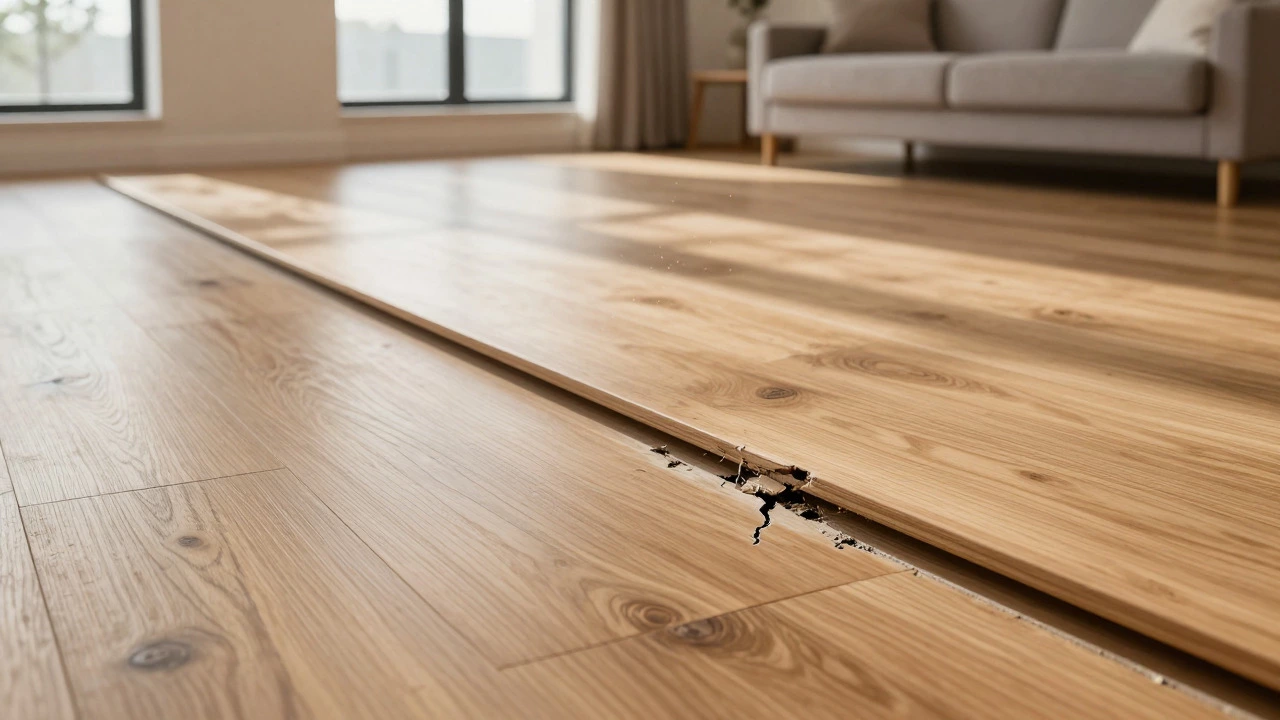
Once the old floor is gone, you see the subfloor. In older homes, the subfloor might be warped, wet, or damaged. A level subfloor is non-negotiable for most modern flooring types. Self-leveling compound costs about $0.50 to $1.50 per square foot. Plywood repairs can run $2 to $4 per sheet. Do not skip this step; uneven subfloors cause new floors to crack, squeak, or separate within months.
Additional Expenses to Budget For
Beyond materials and labor, several other line items will appear on your invoice. These are easy to overlook but essential for a finished look.
- Underlayment: Required for laminate, LVP, and engineered wood to reduce noise and provide cushioning. Costs $0.50 to $1.50 per square foot. For 2,000 sq ft, that’s $1,000-$3,000.
- Molding and Trim: Baseboards, transition strips, and shoe molding cover gaps between walls and flooring. Materials cost $2 to $5 per linear foot. Labor adds another $1 to $3 per foot. A 2,000-square-foot house likely has 300-400 linear feet of perimeter. Budget $1,500-$4,000 here.
- Furniture Moving: Contractors may charge $200-$500 to move heavy furniture out of the way, or you can do it yourself to save cash.
- Disposal Fees: Hauling away old flooring and debris costs $500-$1,000 depending on local dump fees.
DIY vs. Professional Installation: Where to Save
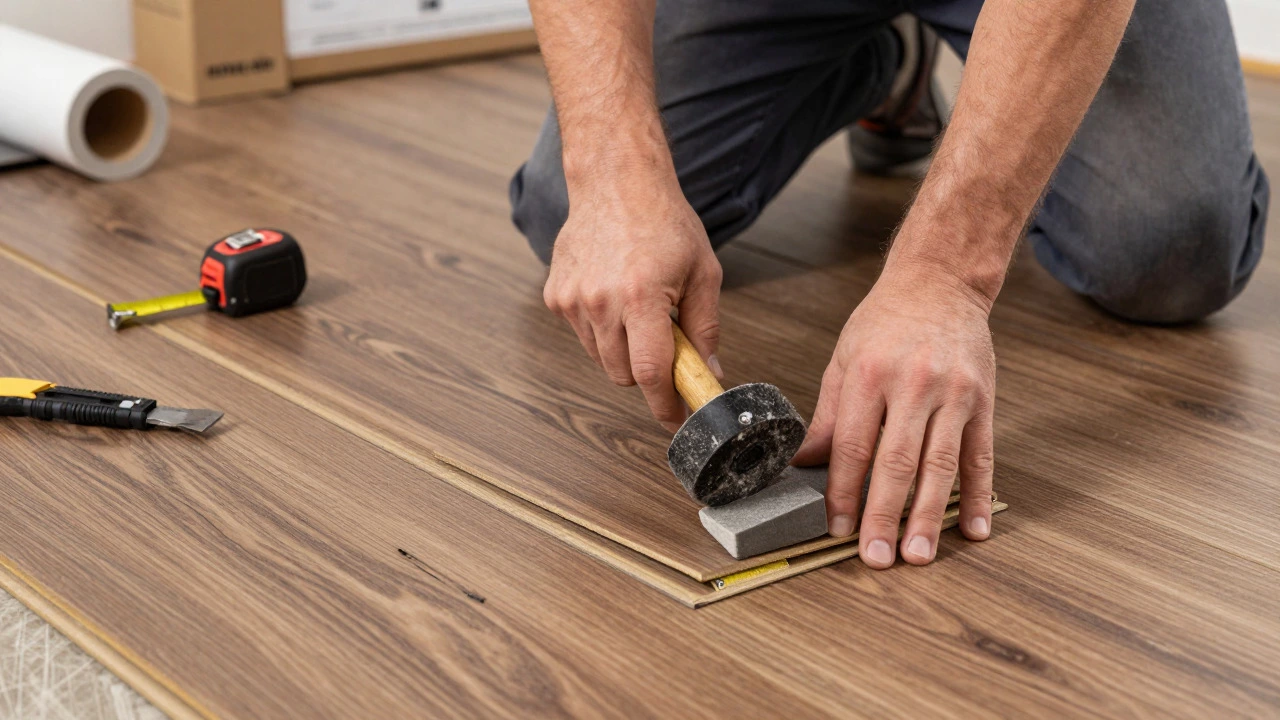
Can you install 2,000 square feet of flooring yourself? Yes, but it depends on the material. Floating floors like laminate and click-lock LVP are designed for DIYers. If you are handy with a saw and patient, you can save $2,000 to $8,000 in labor costs.
However, glue-down vinyl, nail-down hardwood, and tile require professional tools and skills. Mistakes in tile leveling or hardwood nailing are costly to fix. For these materials, hiring a pro is worth the investment.
If you choose DIY, remember to factor in tool rentals. A moisture meter, knee kicker, tapping block, and utility knives add up. Also, consider your time. Installing 2,000 square feet takes a weekend warrior 10-15 days. A professional crew finishes in 3-5 days.
Factors That Increase Your Bill
Some aspects of your home make flooring installation harder and more expensive. Keep these in mind when getting quotes.
- Complex Layouts: Multiple rooms, hallways, and irregular shapes increase cutting time and waste. Contractors often charge extra for intricate patterns like herringbone or chevron.
- Stairs: Flooring stairs is tedious and dangerous. Expect to pay $10-$20 per step for materials and labor.
- Access Issues: If contractors cannot park close to the house or must carry materials up multiple flights of stairs, they may add a haul fee.
- Custom Transitions: Seamless transitions between different flooring types require precise planning and skilled craftsmanship.
How to Get Accurate Quotes
Do not rely on online calculators alone. Prices vary wildly by region. In cities like New York or San Francisco, labor costs are 30-50% higher than in rural areas. Always get at least three in-person estimates.
Ask contractors to break down their quote into materials, labor, and prep work. Watch out for vague terms like "miscellaneous" or "contingency." A transparent quote builds trust. Also, check if the quote includes disposal of old flooring and installation of trim. Many low bids exclude these essentials.
Long-Term Value Considerations
While upfront cost matters, think about lifespan. Cheap laminate might need replacing in 10-15 years. High-quality LVP lasts 20-25 years. Hardwood can last 50+ years with refinishing. When calculating cost per year, hardwood often wins despite the high initial price.
Resale value also plays a role. Buyers prefer hardwood and high-end vinyl over cheap laminate. Investing in better flooring now can increase your home’s sale price later, offsetting the initial expense.
What is the cheapest flooring option for 2,000 square feet?
The cheapest option is usually laminate flooring, costing between $4,000 and $10,000 for materials and professional installation. If you DIY, you can bring the cost down to $2,000-$6,000. Basic vinyl sheet flooring is also inexpensive but less popular due to aesthetic limitations.
Does the cost include removing old flooring?
Not always. Many contractors quote installation separately from demolition. Always ask if removal and disposal are included. If not, budget an additional $2,000-$6,000 for tearing out and hauling away 2,000 square feet of old flooring.
How long does it take to replace flooring in a 2,000 sq ft house?
A professional team can remove old flooring and install new materials in 3-5 days. DIY installation takes longer, typically 10-15 days for floating floors like laminate or LVP. Complex materials like tile or hardwood may take a week or more even for pros.
Is engineered hardwood worth the extra cost?
Yes, if you live in areas with humidity fluctuations or plan to install flooring below grade (basements). Engineered hardwood is more stable than solid wood and resists warping. It costs more than laminate but less than solid hardwood, offering a balance of durability and aesthetics.
Can I install new flooring over existing flooring?
In some cases, yes. Floating floors like laminate and LVP can often be installed over smooth, hard surfaces like existing vinyl or tile. However, this adds height to your floor, which may create issues with door clearances and transitions. Removing the old floor is generally recommended for best results.