
Zero-Budget Decor Planner
Select a project idea below to see exactly how to execute it using household items.
Map Collage
Modern/Travel Vibe
Easy High ImpactFabric Grid
Colorful/Textured
Medium High ImpactBotanical Prints
Elegant/Natural
Hard Med ImpactTape Gallery
Minimalist/Clean
Easy Low ImpactMaterials Needed (Free)
Execution Steps
You look at your blank walls and feel that familiar itch. The space feels empty, cold, or just plain boring. You want it to look like those magazines, but your bank account says absolutely not. Here is the good news: you do not need money to make a room look expensive. In fact, some of the best design moves cost nothing because they rely on what you already own or what nature provides for free.
Decorating on a zero budget is not about being cheap; it is about being clever. It is about seeing potential in trash and finding beauty in rearrangement. If you have ever walked past a beautiful flower bed and thought, "I wish I had that," this guide is for you. We are going to transform your space using sweat equity, creativity, and items you likely have sitting in your closet right now.
The Power of Rearrangement and Decluttering
Before you create anything new, you need to clear the canvas. Most people overlook the most powerful tool in interior design: movement. Have you ever walked into a hotel room and felt instantly relaxed? It is often because everything has its place and there is no visual noise. Start by decluttering. Remove every item from the room that does not serve a function or bring you joy. Put them in boxes. If you do not use them in six months, donate them. This costs zero dollars and instantly makes the room feel larger and cleaner.
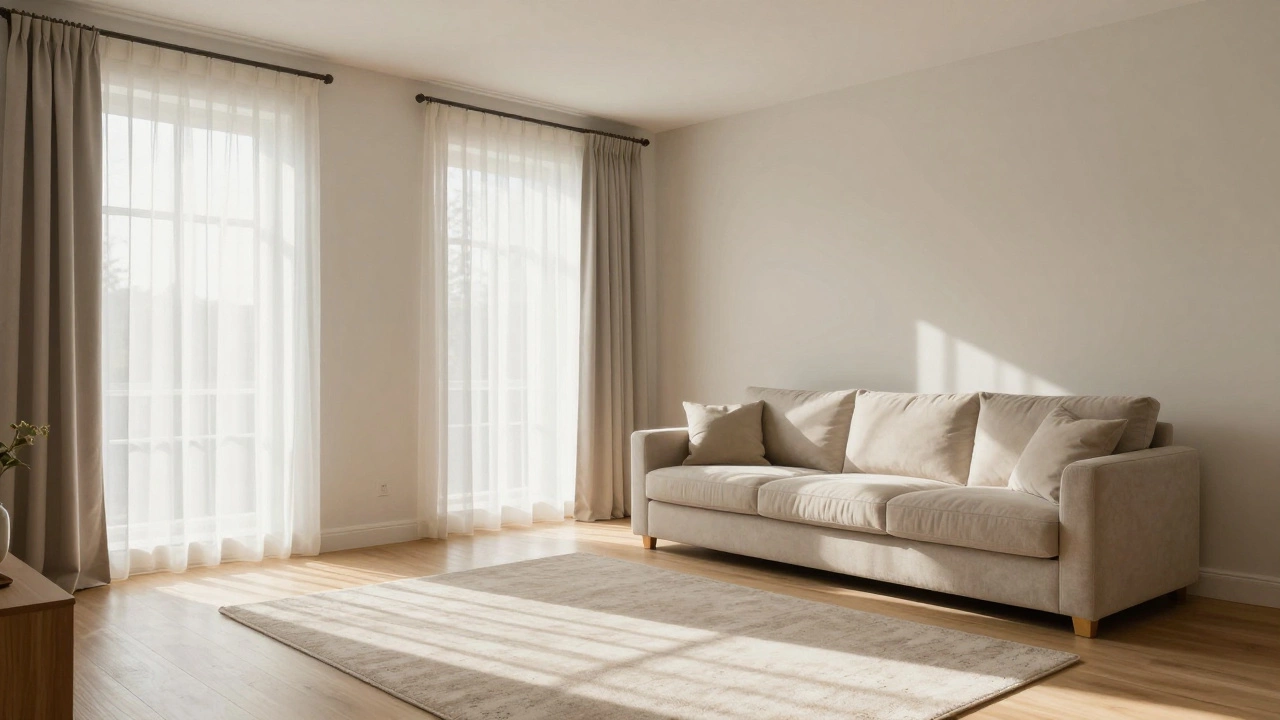
Next, move your furniture. Do not be afraid to push the sofa away from the wall. Create conversation zones. Swap the nightstands between bedrooms if you have multiple rooms. Change the layout of your living room so the TV faces a different direction. A fresh layout tricks the brain into thinking the space is new. It changes the flow of light and air, altering the entire mood of the room without spending a dime.
DIY Wall Art from Household Items
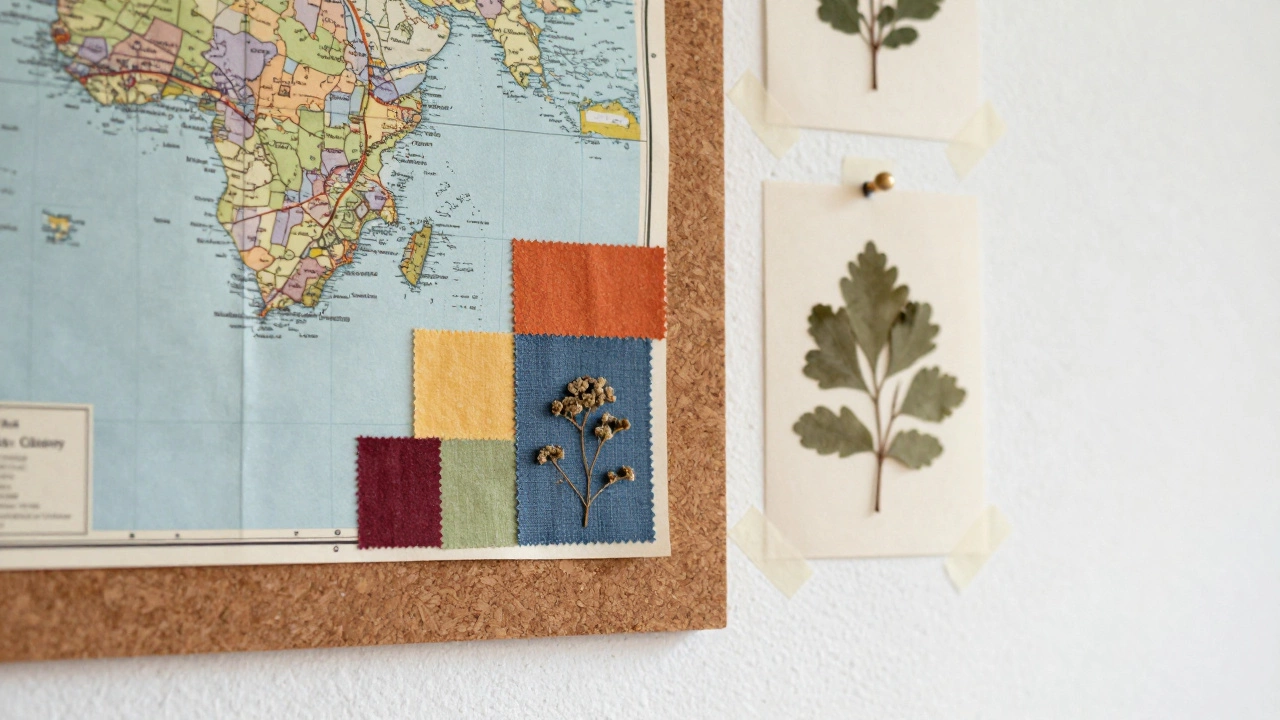
Blank walls are the enemy of style, but gallery walls are expensive. You can create stunning focal points using items found around the house. Think about old maps, sheet music, or even broken picture frames. Take an old map from a travel brochure you received years ago. Cut out the city you love most. Tape it to a piece of cardboard from a delivery box. Frame it with washi tape or simple painter's tape directly on the wall. It looks intentional and chic.
Another great option is fabric scraps. Do you have old t-shirts, scarves, or bedsheets with patterns you love? Cut them into squares or circles. Pin them to a corkboard or arrange them in a grid pattern on the wall using thumbtacks. This creates a textile collage that adds texture and color. Texture is key in design because it catches the light and adds depth. If you have any dried flowers or leaves from a walk in the park, press them between heavy books for a week. Then, glue them onto paper or cardstock. These botanical prints look sophisticated and cost nothing but time.
| Idea | Materials Needed | Difficulty | Visual Impact |
|---|---|---|---|
| Map Collage | Old brochures, cardboard, tape | Easy | High (Modern/Travel vibe) |
| Fabric Grid | Old clothes, pins, string | Medium | High (Colorful/Textured) |
| Botanical Prints | Dried leaves, paper, glue | Hard | Medium (Elegant/Natural) |
| Tape Gallery | Painter's tape, photos | Easy | Low (Minimalist) |
Nature as Your Decorator
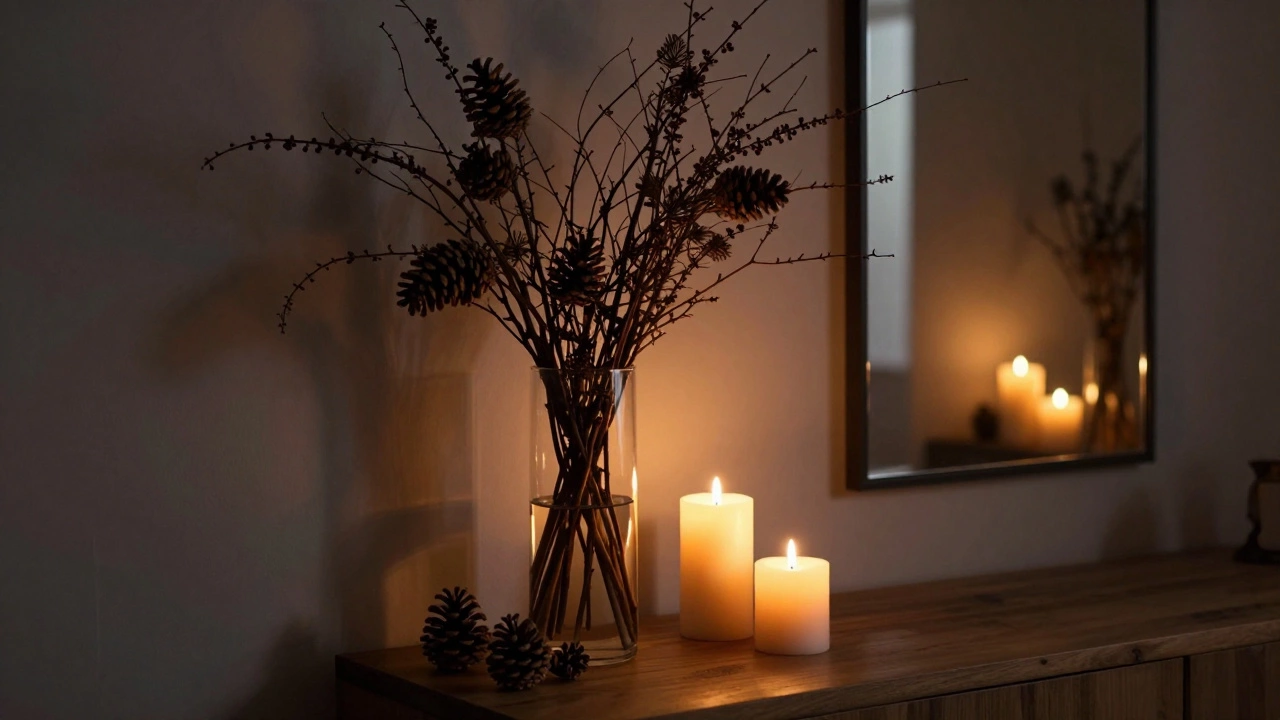
Nature is the ultimate free designer. Go outside. Look for interesting branches, smooth stones, pinecones, or large leaves. Bring them inside. Place a long, interesting branch in a tall vase you already own. Add water if it is green, or leave it dry for a sculptural look. Arrange smooth stones in a bowl on your coffee table. These elements bring calm and organic warmth to a sterile room.
If you have plants, propagate them. Snip a stem from a healthy plant like pothos or spider plant. Put it in a jar of water. Within weeks, you will have a new plant. Move these small plants around the room to fill gaps. Light affects how plants look, so rotate them weekly. Sunlight streaming through leaves creates dynamic shadows on your walls, which acts as natural, moving art. This is called "living decor" and it requires only care, not cash.
Lighting Without Electricity Bills
Lighting sets the tone. You cannot buy new lamps, but you can change how light hits your surfaces. Open all your curtains during the day to maximize natural light. Dust your windows thoroughly; dirty glass blocks light and makes rooms feel gloomy. At night, use candles. You probably have a few leftover from holidays or birthdays. Group three candles of different heights together on a tray. The flickering flame creates intimacy and softens hard edges in the room.
Mirrors are another trick. If you have an old mirror, place it opposite a window. This reflects daylight deeper into the room, making it feel twice as big and brighter. If you do not have a mirror, aluminum foil works surprisingly well. Crumple a sheet of foil slightly and place it shiny-side up in a decorative bowl. It reflects candlelight beautifully, adding sparkle without the cost of crystal chandeliers.
Upcycling and Repurposing Furniture
Look at your furniture differently. That wooden chair with the ugly fabric seat? Sand it down if you have sandpaper, or simply paint it with leftover paint from previous projects. If you have no paint, try staining it with strong black tea or coffee. Brew a very strong pot, soak the wood, and let it dry. It gives a rich, aged look known as "tea staining." It is a common technique among vintage restorers.
Swap hardware. If you have drawers with broken handles, take working knobs from other pieces of furniture in your house. Mix and match metals. Brass knobs on a white dresser look modern and eclectic. Do not worry about matching perfectly. Eclectic styles are popular because they show personality. Personalization is more valuable than perfection in today's design trends.
The Psychology of Color and Scent
You cannot repaint the walls, but you can influence color perception. Use colored lighting if you have smart bulbs, or place colored glass vases near light sources. A blue vase near a lamp casts a cool blue glow, changing the room's atmosphere instantly. Scent also plays a huge role in how we perceive a space. Boil cinnamon sticks, citrus peels, and cloves on the stove. This creates a warm, inviting aroma that makes the room feel cozy and cared for. It is a sensory decoration that costs pennies.
Finally, curate your view. What do you see when you sit on the couch? Is it a pile of laundry? Hide it. Create a vignette. Group three objects together: one tall, one medium, one short. For example, a book stack, a candle, and a small plant. Repeat this rule of three around the room. It creates visual rhythm and balance. Your eye travels smoothly across the space instead of jumping randomly. This simple principle turns clutter into curated display.
Can I really decorate a room with absolutely no money?
Yes. By focusing on decluttering, rearranging furniture, using natural elements like branches and stones, and creating DIY art from household waste, you can significantly change the look and feel of a room without spending a single dollar. The key is creativity and effort rather than financial investment.
What are the best free materials for wall art?
Old maps, sheet music, fabric scraps from old clothing, pressed leaves and flowers, and photographs printed at home are excellent free materials. You can frame them with tape, pins, or repurposed cardboard to create unique, personalized wall displays.
How can I make my room look bigger without buying mirrors?
Maximize natural light by cleaning windows and opening curtains. Use light-colored bedding and linens you already own. Keep floors clear of clutter to open up sightlines. Reflective surfaces like polished metal or even crumpled aluminum foil can bounce light around, creating an illusion of space.
Is it safe to use candles for lighting?
Candles are safe if used responsibly. Always place them on stable, non-flammable surfaces away from curtains and papers. Never leave burning candles unattended. Using battery-operated LED candles is a safer alternative that still provides ambient lighting without fire risk.
How do I keep my zero-budget decor looking tidy?
Consistency is key. Stick to a limited color palette using items you already own. Use the "rule of three" for grouping objects. Regularly dust and clean your DIY decor pieces. Rotate seasonal items, like switching out summer flowers for autumn leaves, to keep the space feeling fresh and intentional.