
Wall Decor Planner & Sizing Tool
Room Details
Your Plan
Enter your details to see recommendations.
Empty walls are boring. We all know that. But staring at a blank surface and wondering what goes up next can be just as frustrating. You want your space to feel like *you*, not a showroom from a catalog you never bought. The good news? Decorating walls in 2024 isn’t about following one strict rulebook. It’s about mixing styles, playing with texture, and making choices that actually make you happy when you walk into the room.
If you’re feeling stuck, you’re not alone. Most people freeze because they think they need expensive art or perfect symmetry. Spoiler alert: you don’t. This guide breaks down exactly how to approach wall decor this year-whether you’re renting a small apartment in Melbourne or designing a forever home. We’ll cover the biggest trends, practical hanging tips, and how to avoid common mistakes that leave your walls looking cluttered or empty.
The Big Shift: From Minimalist to Maximalist
A few years ago, the internet was obsessed with ‘less is more.’ White walls, one piece of abstract art, done. In 2024, that vibe has shifted hard toward maximalism, which is a design style that embraces bold colors, layered textures, and curated collections. People are tired of sterile spaces. They want personality. That means filling walls with things that tell a story-family photos, vintage posters, handmade ceramics, or even mismatched frames.
This doesn’t mean you have to go full chaos. Think of it as ‘curated clutter.’ The key is intentionality. Every item on your wall should earn its spot. If it doesn’t spark joy or add visual interest, skip it. For example, instead of hanging ten random prints side-by-side, group three related pieces together and leave breathing room around them. Balance matters more than coverage.
Top Wall Decor Trends for 2024
Let’s get specific. What’s actually working right now? Here are the top five approaches people are using to transform their walls:
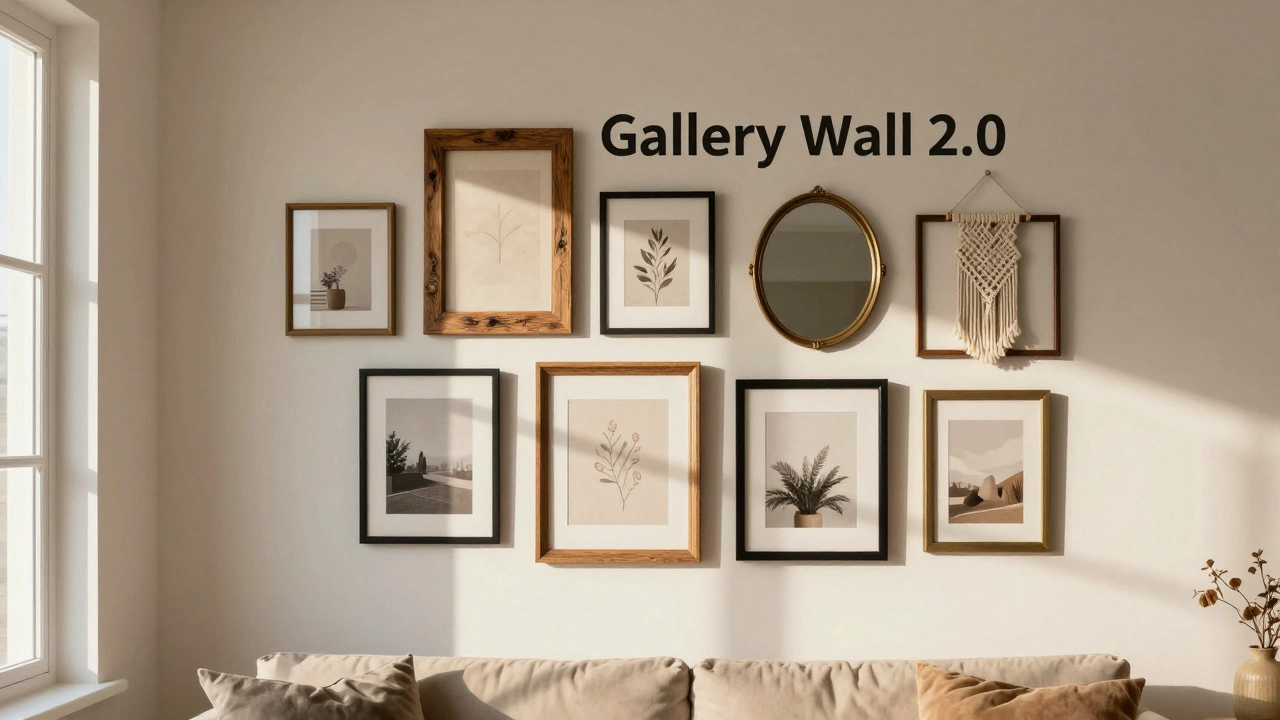
- Gallery Walls 2.0: Forget rigid grids. Modern gallery walls mix frame sizes, orientations (portrait + landscape), and even non-art items like mirrors or woven baskets. Use painter’s tape on the floor first to map out your layout before drilling holes.
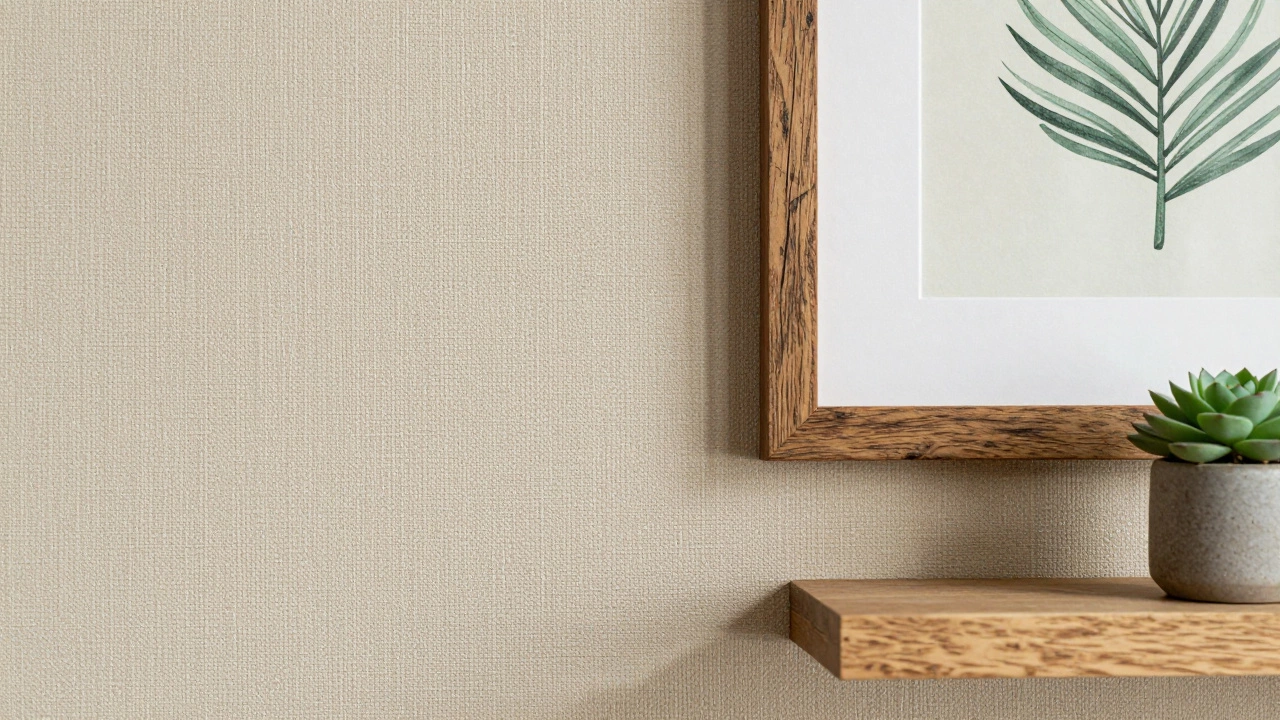
- Textural Wall Coverings: Paint is still king, but wallpaper is back-with a twist. Look for textured options like grasscloth, linen-effect, or embossed patterns. These add depth without overwhelming the eye. Brands like Farrow & Ball and Scalamandré lead this trend.
- Sustainable Art Choices: More homeowners care where their decor comes from. Choose prints made with soy-based inks, frames from reclaimed wood, or digital art displayed on e-ink screens. Local artists often offer eco-friendly materials too.
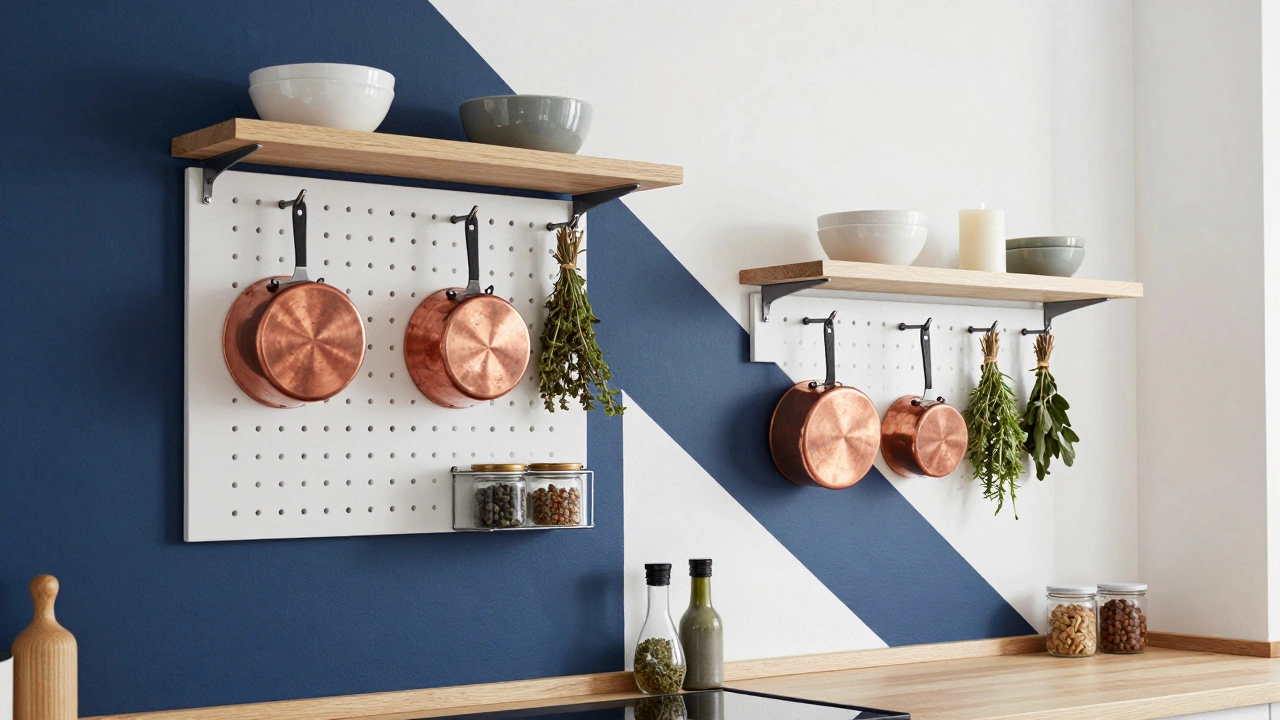
- Bold Color Blocking: Instead of painting an entire room, try accenting one wall or creating geometric shapes with paint. A deep navy stripe against white creates instant drama. Just use high-quality primer so lines stay crisp.
- Functional Wall Storage: Shelves aren’t just for books anymore. Floating shelves styled with plants, candles, and small sculptures turn storage into display. Pegboards also remain popular for organizing tools while adding industrial flair.
Each of these trends works best when tailored to your lifestyle. Love cooking? Hang recipe cards in clip frames near your kitchen counter. Travel addict? Map pins and ticket stubs become art when framed creatively. Your walls reflect your life-not Pinterest boards.
How to Plan Your Wall Layout Like a Pro
Before you pick up a drill, plan. Seriously. I’ve seen too many ruined drywall patches from impulsive hanging. Start by measuring your wall space and noting any windows, doors, or outlets. Then decide on your focal point. Is it above the sofa? Behind the bed? Opposite the entrance?
- Gather your items: Collect everything you want to hang-frames, textiles, objects. Lay them on the floor in front of the target wall.
- Create a mock-up: Use paper cutouts sized like your frames. Tape them to the wall with masking tape. Step back. Adjust until it feels balanced.
- Check sightlines: Sit where you usually sit. Does the arrangement look good from that angle? Avoid placing artwork too high; centerpieces should align with eye level (~57 inches from the floor).
- Use proper hardware: Heavy frames need anchors rated for their weight. Lighter pieces can use command strips if you’re renting. Always check stud locations with a finder tool.
Pro tip: Take a photo of your taped layout. Sometimes seeing it digitally helps spot imbalances you missed in person. And remember-you can always change it later. Walls evolve with you.
Mistakes to Avoid When Decorating Walls
Even seasoned decorators slip up. Here are the most common pitfalls-and how to dodge them:
- Ignoring scale: Tiny frames on huge walls look lost. Large canvases in cramped hallways feel oppressive. Match artwork size to furniture below it. As a rule, art should be two-thirds the width of the piece beneath it.
- Over-lighting or under-lighting: Natural light changes how colors appear throughout the day. Test placements during morning and evening hours. Add adjustable track lighting if natural light is limited.
- Clashing styles: Mixing modern metal frames with rustic wooden ones can work-but only if there’s a unifying element, like consistent matting color or shared theme. Random combinations look messy.
- Forgetting negative space: Not every inch needs decoration. Leave some bare wall to let eyes rest. Especially important in small rooms where overcrowding causes stress.
Also, don’t rush buying decisions. Wait 48 hours after falling for a piece. If you still love it tomorrow, buy it. Impulse buys often regretted.
Budget-Friendly Ways to Upgrade Walls
You don’t need thousands to make an impact. Try these low-cost strategies:
- DIY stenciling: Buy cheap foam stencils online. Paint simple geometric patterns directly onto walls. One coat transforms plain surfaces instantly.
- Thrift store finds: Flea markets and charity shops overflow with unique frames and vintage maps. Clean them up, swap glass if needed, and profit.
- Digital downloads: Sites like Etsy sell printable art for $5-$15. Print locally at standard paper stores, then frame affordably.
- Repurpose household items: Old license plates, musical instruments, or children’s drawings become cherished displays when framed properly.
Investment advice: Spend more on quality frames than prints. A beautiful frame elevates even modest artwork. Save money elsewhere.
| Style | Best For | Cost Range | Maintenance Level |
|---|---|---|---|
| Maximalist Gallery | Living rooms, creative spaces | $50-$300+ | Medium (dusting) |
| Minimalist Accent | Small apartments, offices | $20-$100 | Low |
| Textured Wallpaper | Bedrooms, dining areas | $100-$500 per roll | High (professional install recommended) |
| Color Block Painting | Kitchens, entryways | $30-$150 (paint only) | Low |
Room-by-Room Breakdown
Different rooms serve different purposes-and your walls should support those functions.
Living Room: This is your social hub. Go big here. Create a statement wall behind the TV or sofa using large-scale art or built-in shelving. Keep seating area views clear. Avoid blocking windows with tall displays.
Bedroom: Calm wins. Soft tones, nature scenes, or calming abstracts promote relaxation. Place headboard art slightly higher than usual since you’ll view it lying down. Skip loud graphics-they disrupt sleep cycles.
Kitchen: Function meets fun. Herb drying racks, spice jar displays, or chalkboard menus double as decor. Waterproof frames protect against steam and splashes. Bright colors boost energy during meal prep.
Hallways: Often ignored, yet prime real estate. Narrow corridors benefit from vertical arrangements or mirrored panels to create illusion of width. Rotate seasonal photos to keep things fresh.
Bathroom: Moisture-resistant materials essential. Ceramic tiles arranged artistically, waterproof canvas prints, or heated towel rails styled neatly count as decor too. Don’t forget mirror placement-it affects perceived space dramatically.
Final Thoughts: Make It Yours
Decorating walls in 2024 is less about chasing trends and more about expressing identity. Whether you lean minimalist, maximalist, eclectic, or somewhere in between-the goal remains the same: create spaces that feel alive, personal, and welcoming. Start small. Experiment freely. Change things up as seasons shift. Your home evolves-and so should your walls.
What is the best way to hang heavy artwork without damaging walls?
Use toggle bolts or molly anchors for drywall, especially for pieces over 20 pounds. Locate studs whenever possible and screw directly into them. For rental properties, consider removable adhesive hooks rated for heavy loads, though test them first on inconspicuous spots.
How do I choose the right size artwork for my wall?
Measure the furniture below your intended art location. Ideal artwork spans roughly two-thirds to three-quarters of that width. For standalone walls without furniture, aim for pieces covering 60% of available horizontal space to maintain balance.
Can I mix different frame styles in one gallery wall?
Yes-but unify them through consistent elements like matching mat colors, similar finish types (matte vs glossy), or thematic cohesion. Mixing black metal and distressed wood frames works if both share neutral undertones. Avoid combining wildly contrasting aesthetics unless intentionally designed for contrast.
Is wallpaper still trendy in 2024?
Absolutely. Wallpaper has evolved beyond floral prints. Textured wallpapers like grasscloth, bamboo, or metallic finishes add dimension without visual noise. Peel-and-stick varieties make installation easy for renters, while traditional paste-the-wall options offer durability for permanent homes.
Where should I place artwork relative to eye level?
Center the midpoint of your artwork at approximately 57 inches from the floor-standard museum height. Adjust upward slightly if hanging above sofas or beds, keeping bottom edges no more than 6-8 inches above furniture tops for optimal viewing comfort.
How often should I rotate my wall decor?
Seasonal rotations every 3-4 months keep interiors feeling dynamic. Swap summer brights for autumn earth tones, or switch holiday-themed pieces post-celebration. Digital frames allow daily updates effortlessly. Physical swaps take longer but deepen connection to your collection.
What lighting works best for displaying wall art?
Adjustable picture lights mounted above frames provide focused illumination without glare. LED strips hidden within recessed ceiling tracks offer ambient glow. Position lights at 30-degree angles away from direct viewer sightlines to prevent reflections on glass surfaces.
Are DIY wall treatments worth the effort?
Definitely. Stenciling, faux finishing techniques, or hand-painted murals cost far less than professional installations while delivering unique results. YouTube tutorials simplify complex methods. Practice on cardboard scraps before committing to actual walls.
How do I protect valuable artwork from damage?
UV-filtering glass prevents fading from sunlight exposure. Maintain stable humidity levels (40-50%) to prevent warping or mold growth. Frame backing boards block dust penetration. Regular gentle dusting preserves surface integrity without scratching delicate mediums.
Can mirrors replace traditional wall art effectively?
Mirrors enhance spatial perception and amplify natural light, making smaller rooms feel larger. Ornate frames add decorative value comparable to paintings. Combine multiple mirrors asymmetrically for modern appeal or cluster round ones for organic warmth. Ensure secure mounting due to heavier weights.