
Bedroom Makeover Budget Calculator
Select Items to Decorate
Check the items you plan to add to your room.
Cost Comparison Analysis
Breakdown
| Item | Retail | DIY | Saved |
|---|---|---|---|
| Select items on the left to see breakdown. | |||
Walking into your bedroom should feel like exhaling after a long day. It’s the one room where you have total control over the vibe. But let’s be honest: nice furniture and stylish decor can drain your bank account faster than you’d like. You don’t need a six-figure renovation budget to make your space look intentional and cozy. In fact, some of the most striking bedrooms I’ve seen were put together with thrifted finds, paint, and a lot of creativity.
The secret isn’t spending more; it’s spending smarter. Most people overspend on trendy pieces that lose their charm in six months. Instead, focus on high-impact, low-cost changes. The biggest visual shift usually comes from the walls. Since wall art is often the first thing you notice when entering a room, mastering this element on a budget is key. We’ll walk through how to transform your bedroom using resources you likely already have or can grab for under $20.
Start with a Blank Canvas: Paint and Lighting
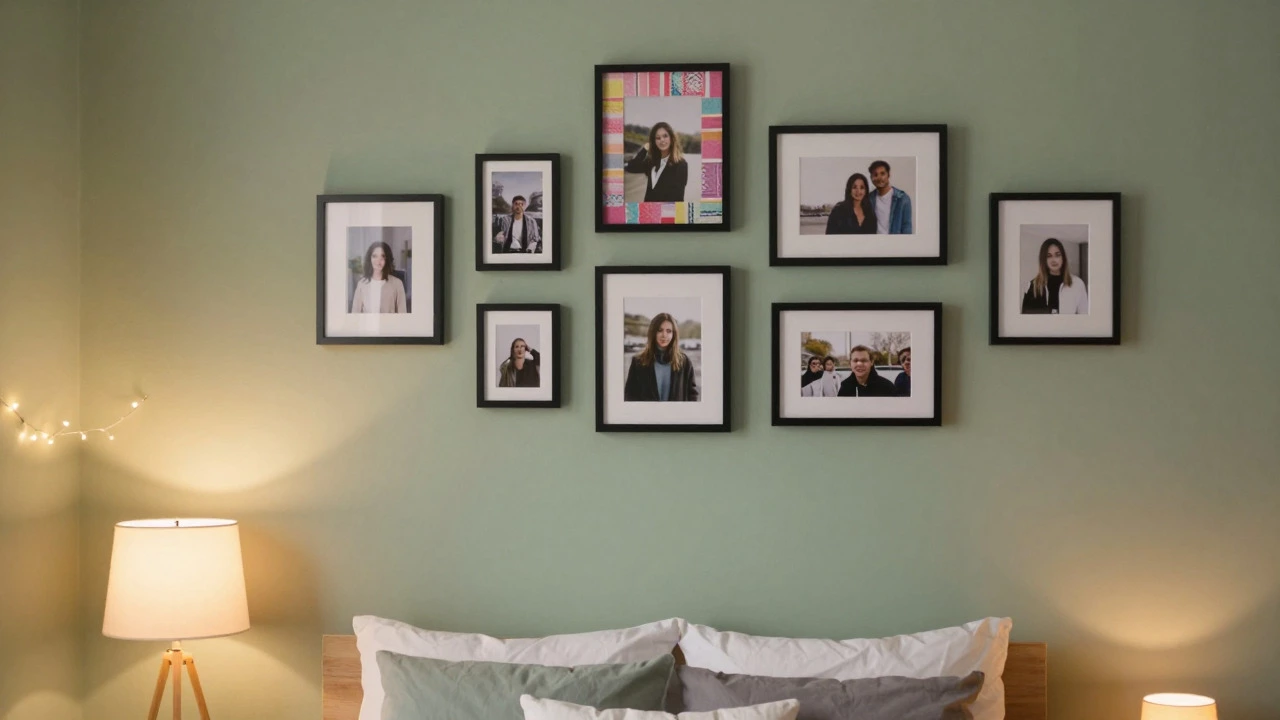
Before you hang a single frame, look at your walls. If they are a drab beige or an outdated color, no amount of art will save them. A fresh coat of paint is the highest ROI (return on investment) project in home decor. You don’t need to hire a pro. Grab a roller, some painter’s tape, and a gallon of affordable paint from a big-box store. Go for a warm neutral or a soft sage green-it instantly makes the room feel curated rather than neglected.
Lighting plays just as big a role. Harsh overhead lights kill the mood. Swap out those bright white bulbs for warm-toned LEDs (look for 2700K temperature). If you can’t change the fixtures, add string lights or a simple plug-in lamp in the corner. Soft lighting makes even cheap decor look expensive because it hides imperfections and adds depth.
The Thrift Store Goldmine: Finding Unique Pieces
New retail stores mark up items by 300% or more. Thrift stores, garage sales, and online marketplaces like Facebook Marketplace or Freecycle are where the real treasures hide. You aren’t just saving money here; you’re avoiding the "everyone has this same item" problem.
- Furniture Refresh: Found a wobbly nightstand? Sand it down and use chalk paint. It doesn’t require stripping the old finish. A new set of knobs (often sold in packs for $5) transforms the entire piece.
- Mirrors: Mirrors reflect light and make small rooms feel larger. Look for unframed mirrors at thrift shops. Buy a plain wooden frame from a craft store and attach it yourself. This costs about $15 compared to $80+ for a similar framed mirror at a boutique.
- Vintage Textiles: Old scarves, tablecloths, or curtains can become throw pillows or bed runners. Sewing isn’t mandatory; fabric glue works in a pinch for temporary fixes while you learn.
DIY Wall Art That Doesn’t Look Cheap
This is where many budget decorators fail. They buy generic prints that look like hotel lobby filler. To avoid this, create art that reflects your personality. Wall art doesn’t have to be purchased; it can be made. Here are three methods that look professional but cost almost nothing.
1. The Gallery Wall of Memories
You probably have photos on your phone that never get printed. Print them at a local pharmacy or library for pennies each. Use uniform frames-buy them in bulk during holiday sales-or mix sizes if you want an eclectic look. Arrange them on the floor before hanging to balance the composition. Add washi tape inside the frames for a pop of color without buying colored mats.
2. Fabric Swatch Collages
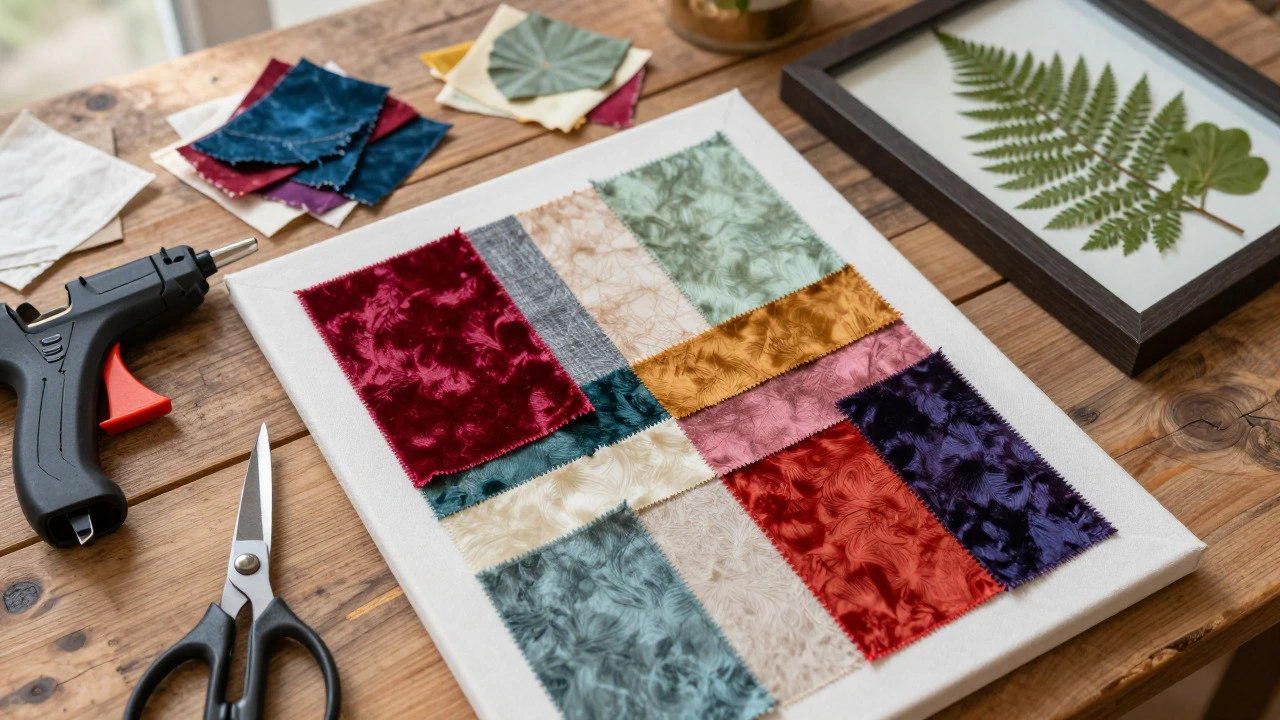
If you love patterns but hate clutter, try fabric art. Visit a fabric store and ask for leftover scraps. They often sell these for $1 per yard or give them away. Cut squares of different textures and colors, then arrange them in a grid pattern on a canvas board or a stretched wooden frame. Secure them with hot glue. It looks like modern abstract art but costs less than a latte.
3. Botanical Pressings
Nature provides free, beautiful art. Collect leaves, flowers, or ferns from your garden or a walk in the park. Press them between heavy books for two weeks until flat. Once dry, arrange them on cardboard or glass. Frame them behind clear acrylic or glass. This creates a serene, organic vibe that fits any style.
| Item Type | Retail Price Estimate | DIY/Thrift Cost | Savings |
|---|---|---|---|
| Framed Poster | $40 - $60 | $5 - $10 | ~80% |
| Large Mirror | $80 - $150 | $15 - $25 | ~75% |
| Throw Pillow Set | $30 - $50 | $10 - $15 | ~60% |
| Abstract Canvas Art | $100+ | $10 - $20 | ~90% |
Textiles: The Quick Fix for Atmosphere
If painting feels too permanent, textiles are your best friend. Bedding takes up a huge portion of visual space in a bedroom. Changing sheets or adding a quilt can completely alter the room’s aesthetic. Look for linen blends or cotton sateen-they drape better and look more luxurious than stiff polyester.
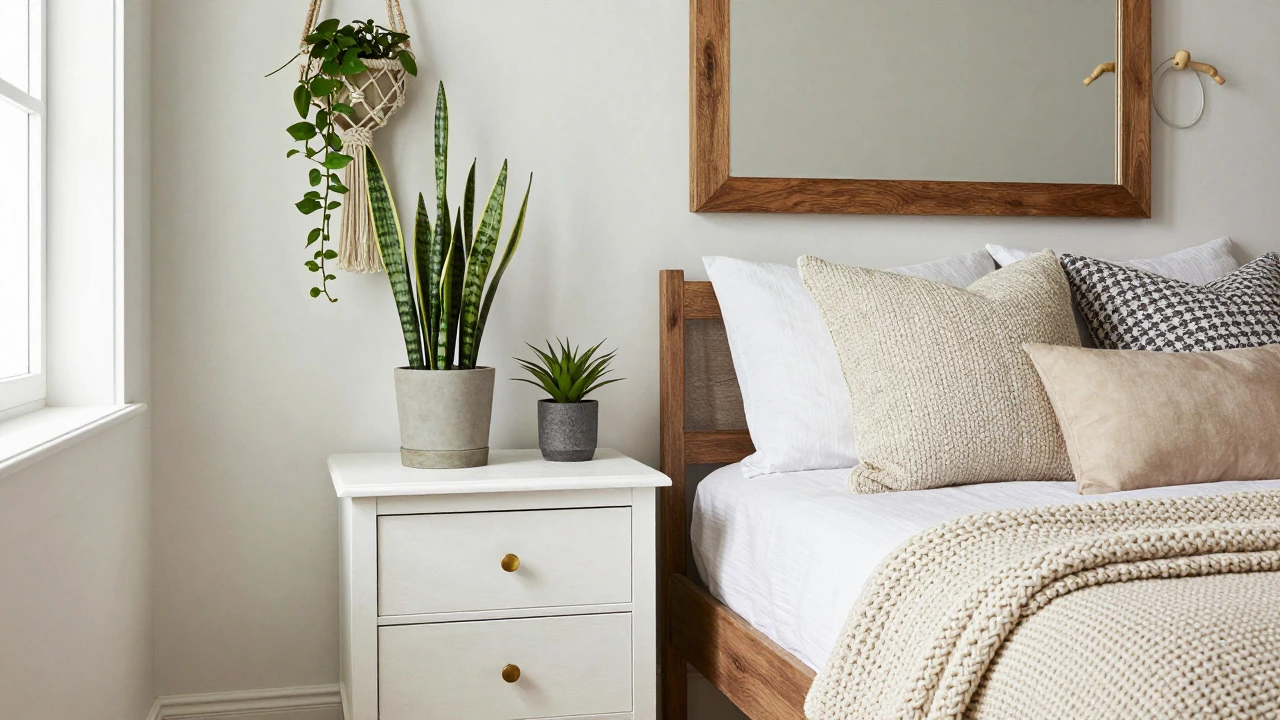
Add layers. A chunky knit blanket at the foot of the bed adds texture. Mix patterns carefully: pair a striped sheet with a solid comforter and patterned pillows. Keep the color palette consistent. If you stick to three main colors, even mismatched items will look coordinated.
Greenery Without the Green Thumb
Plants bring life to a room, but killing them is stressful and wasteful. Start with hard-to-kill varieties like snake plants, pothos, or ZZ plants. These thrive on neglect and indirect light. Propagate cuttings from friends’ plants for free. Place them on shelves, windowsills, or hang them from macramé hangers you can make from jute rope.
If natural light is scarce, consider high-quality faux plants. Avoid the shiny plastic look; search for "silken" or "real-touch" artificial plants. They cost a bit more upfront but last forever and require zero water.
Organization as Decor
Clutter kills style. Even the most expensive decor looks messy if clothes are piled on chairs. Invest in simple storage solutions. Baskets woven from seagrass or rattan hide shoes and blankets while adding warmth. Clear acrylic bins keep items visible but tidy. Labeling jars for jewelry or accessories turns functional storage into a display.
Use vertical space. Install floating shelves above the bed or desk. Display books horizontally with objects stacked on top. It breaks up large wall spaces and gives you places to showcase small trinkets without taking up floor space.
Avoiding Common Budget Mistakes
When decorating cheaply, it’s easy to fall into traps that make the room look worse. Here’s what to skip:
- Too Many Trends: Skip the neon signs or overly specific themed decor. Stick to timeless elements like wood tones, black frames, and neutral fabrics.
- Cheap Hardware: Don’t skimp on hooks, nails, or screws. Use proper anchors for drywall so your art stays up. Falling frames are not charming.
- Ignoring Scale: Small art on a large wall looks lost. Group smaller pieces together to create one large visual impact, or go big with one statement piece.
What is the cheapest way to decorate a bedroom?
The absolute cheapest method is rearranging what you already own and decluttering. After that, painting the walls and creating DIY wall art from scrap materials offer the biggest visual change for the lowest cost. Thrifting furniture and refreshing it with paint or new hardware is also highly effective.
How can I make my bedroom look expensive on a budget?
Focus on cohesion and quality touches. Use a limited color palette (2-3 colors max). Replace harsh lighting with warm lamps. Upgrade hardware on dressers and ensure bedding is wrinkle-free. Symmetry, such as matching nightstands and lamps, creates a polished, high-end look.
Where can I find cheap wall art?
You can find affordable art at thrift stores, garage sales, and online marketplaces. Alternatively, print your own photos, use fabric swatches, or press botanicals. Creating your own gallery wall with mixed media allows for customization without the retail markup.
Is it better to buy new or used furniture for a bedroom?
Used furniture is often better for budgets and sustainability. Solid wood pieces from older eras are sturdier than many modern particle-board options. With sanding and painting, you can customize used items to fit your exact style for a fraction of the retail price.
Can I decorate a bedroom without painting?
Yes. Focus on textiles, lighting, and removable wallpaper accents. Adding rugs, curtains, and layered bedding can soften the space. Strategic placement of mirrors and plants also draws attention away from plain walls and adds visual interest.