
Bedroom Budget Calculator
Your Budget
Recommended Allocation
Pro Tip: The article emphasizes that lighting and bedding provide the highest impact for your budget. These two categories alone account for 50% of the recommended allocation.
Want your bedroom to feel like a five-star hotel suite without spending thousands? It’s not about buying the most expensive things-it’s about how you put them together. The difference between a cheap-looking room and one that feels luxurious is subtle, but it’s everything. You don’t need a designer budget. You just need to know where to focus.
Start with the bed
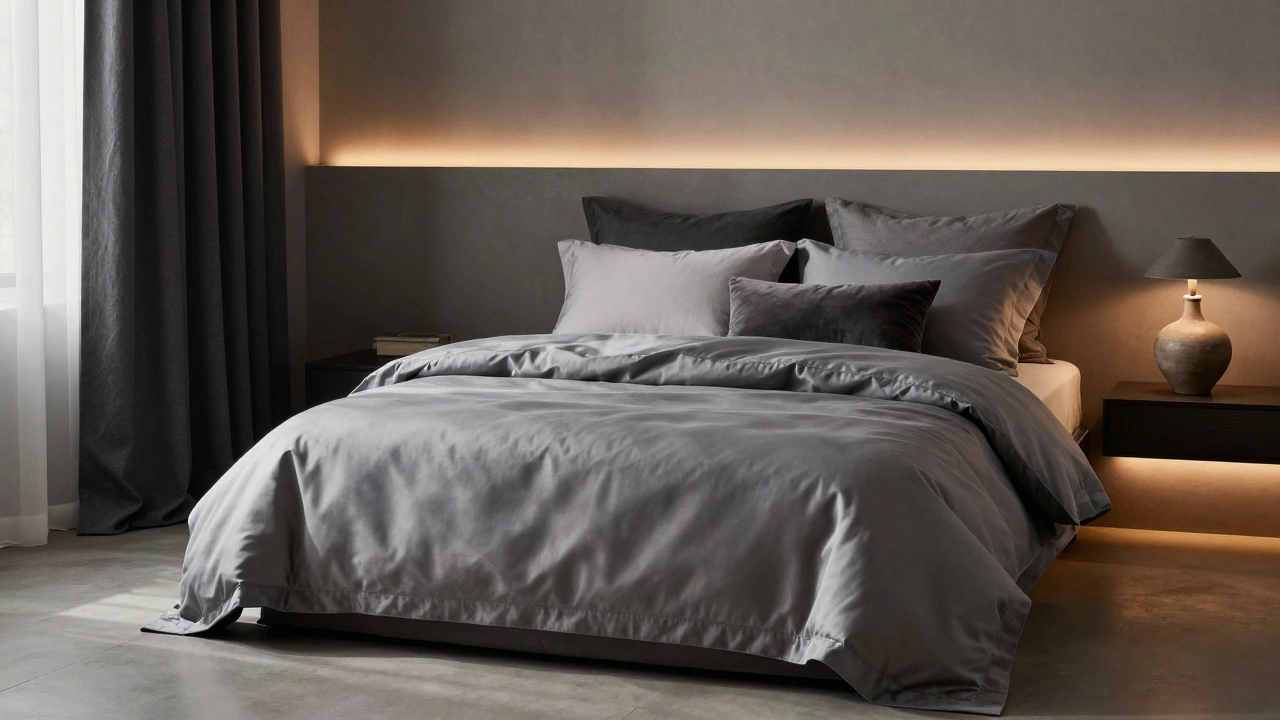
The bed is the center of the room. If it looks cheap, the whole space feels it. A high-quality bed frame matters, but even more important is the bedding. Go for 100% cotton sateen or linen with a thread count between 300 and 600. Brands like Brooklinen, Parachute, or even Target’s Threshold line offer great options under $200 for a full set. Skip the polyester blends-they look shiny and feel synthetic, even under dim light.
Layer your bedding. Start with a flat sheet, then a duvet cover, then a lightweight throw at the foot. Add two or three pillows in varying sizes: one standard, one king, and a decorative lumbar. Use the same fabric family but different textures-smooth cotton next to a subtle linen weave, or a velvet accent pillow. This creates depth without clutter.
Lighting changes everything
Flat ceiling lights make a bedroom feel like a hospital waiting room. Instead, use layered lighting. Start with a dimmable overhead fixture, then add two bedside lamps. Choose lamps with ceramic or brass bases-they reflect light softly and feel substantial. Avoid plastic or chrome. Even a $40 lamp from a thrift store can look expensive if it has weight and texture.
Try placing a small LED strip behind the headboard. It’s invisible during the day but glows gently at night, creating a halo effect that makes the bed feel like it’s floating. This trick is used in luxury hotels and costs less than $25.
Invest in window treatments
Sheer curtains or cheap roller blinds instantly downgrade a room. Floor-to-ceiling drapes in a heavy fabric like blackout linen or velvet make the ceiling feel taller and the space feel more intentional. Hang them high-close to the ceiling-and let them pool slightly on the floor. You don’t need custom panels. IKEA’s FLOTTA or Target’s Threshold drapes in charcoal, cream, or deep navy work perfectly.
Pair them with a simple wooden or metal rod. Avoid plastic or flimsy hardware. A matte black or brushed brass rod adds polish without shouting. If you can’t afford two full panels, use one wide panel in the center-it still creates symmetry and elegance.
Upgrade the flooring
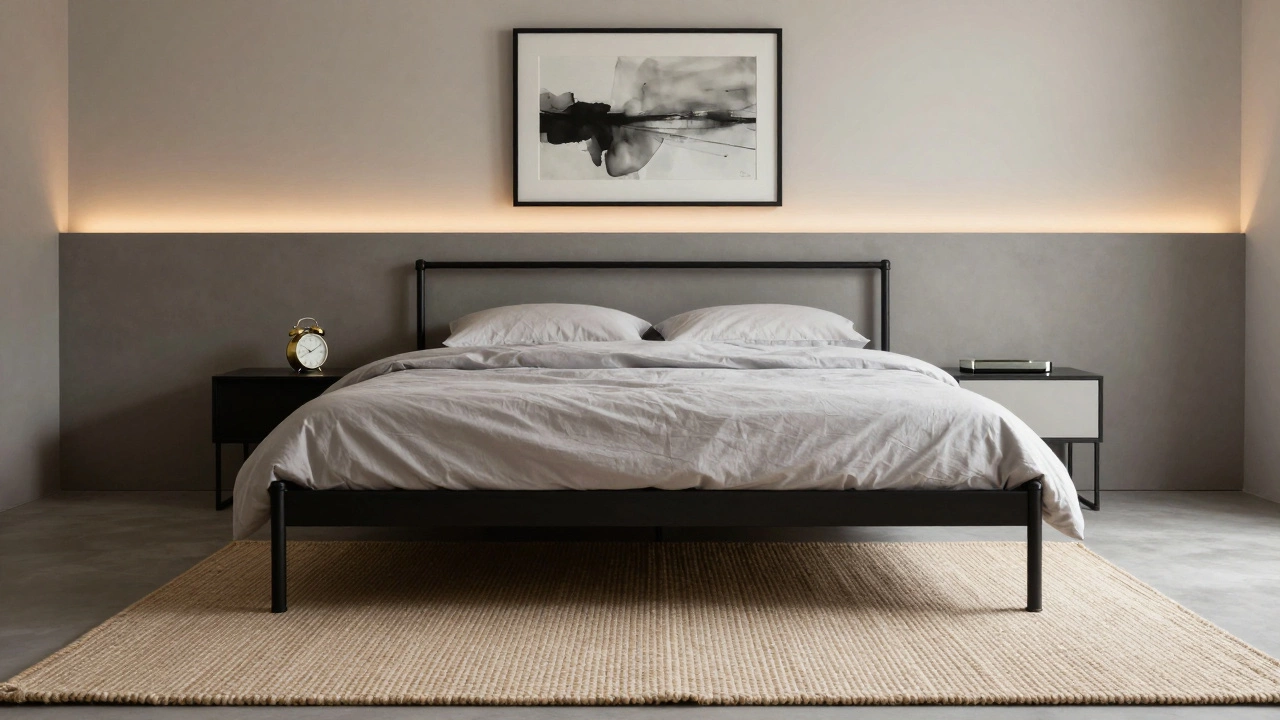
Hardwood floors are ideal, but if you have carpet or laminate, a large, high-pile rug can transform the space. Look for a rug with a neutral base-wool, jute, or a blend-with a subtle pattern like a geometric border or a soft tone-on-tone texture. Avoid busy prints. A 9x12 rug in a soft gray or beige anchors the bed and makes the room feel grounded.
Place it so the front legs of your bed rest on the rug. This connects the bed to the floor and prevents the feeling that everything is floating. If you’re on a tight budget, roll out a runner down each side of the bed instead. It’s a trick used in boutique hotels and costs a fraction of a full rug.
Declutter and curate
Clutter is the enemy of luxury. A bedroom that looks expensive has breathing room. Keep surfaces clear: nightstands, dressers, and the floor. Only leave out what matters: a small lamp, one book, maybe a single candle or a small vase with one stem.
Use storage baskets or closed drawers for everything else. Hide laundry, extra blankets, shoes, and toiletries. Even the best furniture looks cheap if it’s buried under stuff. Think of it like a magazine photoshoot-every item has a reason to be there.
Add metallic accents, but sparingly
Gold, brass, and bronze don’t mean you need to cover everything in glitter. One or two well-placed metallic pieces make a huge difference. A brass alarm clock, a mirrored tray on your dresser, or a single framed mirror with a gold edge-these are the details that whisper luxury.
Stick to one metal tone throughout the room. Mixing brass and chrome looks accidental. If your lamp is brass, make your picture frame brass too. Consistency creates cohesion. Even a $12 brass drawer pull on an old dresser can elevate it instantly.
Paint the ceiling
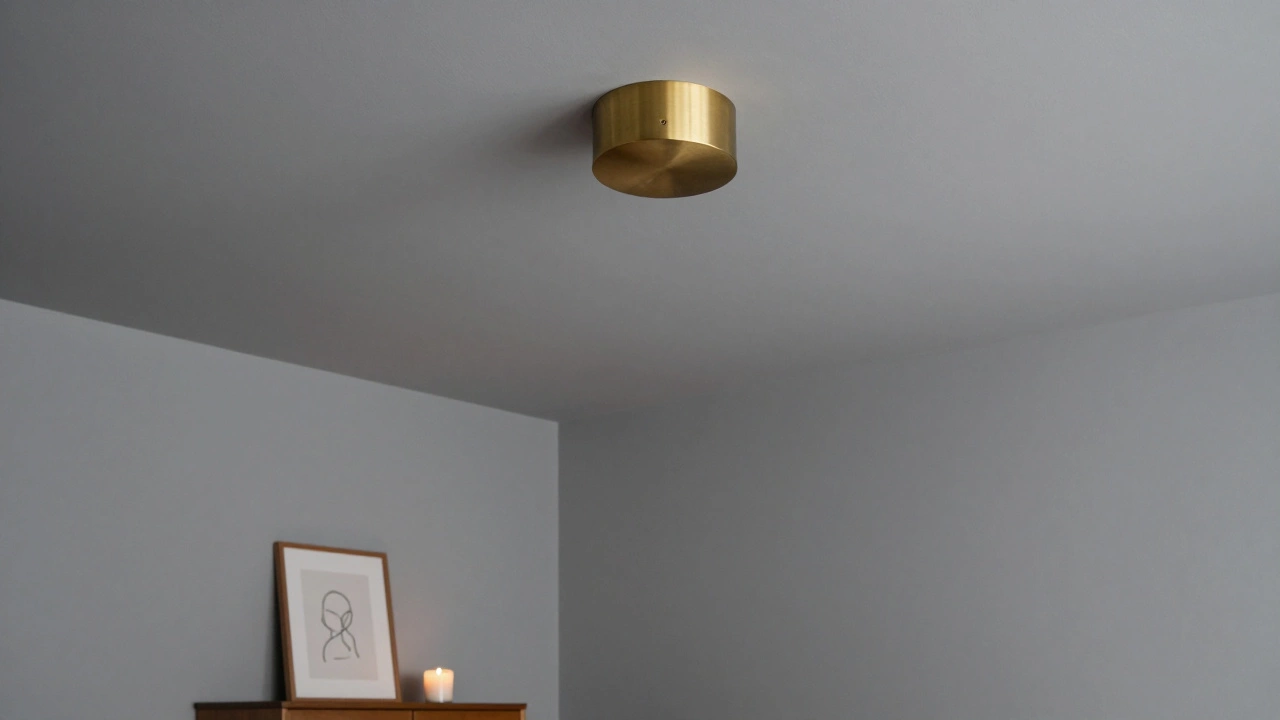
Most people forget the ceiling. But painting it a soft white or a barely-there gray-same as the walls or one shade darker-makes the room feel more intentional. A white ceiling can look sterile. A ceiling painted in the same color as the walls creates a cocoon-like effect that feels expensive and calming.
Use a matte or eggshell finish. Avoid gloss. It reflects too much light and looks cheap. If you’re painting, do the ceiling first. It’s the easiest upgrade with the biggest impact.
Choose art that speaks quietly
Large, bold prints or cheap posters look amateurish. Instead, find one or two pieces with muted tones and elegant framing. Black-and-white photography, abstract watercolor, or minimalist line art work best. Frame them in thin, black or wood frames-no ornate gold or plastic.
Hang art at eye level. The center of the piece should be about 57 inches from the floor. If you’re hanging it above the bed, place it 6-8 inches above the headboard. This creates a visual connection. One large piece is better than three small ones. Less is more.
Smell and sound matter
Expensive spaces don’t just look good-they feel good. Use a diffuser with a neutral scent: sandalwood, oat milk, or clean linen. Avoid overpowering florals or synthetic fragrances. The goal is to be noticed only when it’s gone.
Play soft ambient music or white noise in the background. A small Bluetooth speaker tucked into a drawer or on a shelf keeps the sound contained. Noise cancellation isn’t just for offices-it’s part of luxury sleep.
Final touch: make the bed every morning
No matter how much you spend, if your bed looks messy, the room looks cheap. Take 30 seconds each morning to smooth the duvet, fluff the pillows, and tuck in the corners. It’s the simplest, most powerful habit in interior design. A perfectly made bed signals control, care, and calm.
You don’t need to buy new furniture. You don’t need to hire a designer. You just need to pay attention to the details that most people overlook. The difference between ordinary and expensive isn’t price-it’s intention.
Can I make my bedroom look expensive without buying new furniture?
Absolutely. Most of the impact comes from bedding, lighting, rugs, and paint. Reupholstering a headboard with fabric, painting the walls and ceiling, adding layered lighting, and decluttering can completely transform the space without touching the bed frame or dresser. Even switching out drawer pulls or adding a mirror can make old furniture feel new.
What’s the cheapest way to add luxury to a bedroom?
The cheapest and most effective upgrade is lighting. Swap out a harsh overhead bulb for a warm, dimmable LED and add two bedside lamps. Even secondhand lamps from a thrift store can look high-end if they’re clean, have weight, and use a soft fabric shade. This one change costs under $60 and instantly elevates the mood of the room.
Should I use dark colors in a small bedroom?
Yes-if done right. Dark colors like charcoal, navy, or deep green make a small bedroom feel cozy and luxurious, not cramped. The key is contrast: pair dark walls with light bedding, a bright rug, and plenty of lighting. Avoid dark ceilings unless you’re using a soft, matte finish. Dark walls absorb light, so make sure you have layered lighting to balance it out.
How do I pick the right rug size for my bedroom?
For a standard bed, go for a 9x12 rug. Place it so the front legs of the bed and nightstands sit on it. If your room is small, a 8x10 works. Avoid rugs smaller than 6x9-they make the room feel disconnected. If you can’t afford a full rug, use two runners along each side of the bed. It’s a budget-friendly trick that still creates symmetry and softness underfoot.
Do mirrors make a bedroom look more expensive?
Yes, but only if they’re well-placed and framed simply. A large mirror opposite a window reflects natural light and makes the room feel bigger. A small mirror on a dresser adds elegance. Avoid ornate, gilded frames-they look dated. Stick to thin black, wood, or brushed metal frames. A mirror that’s too small or poorly positioned can look like an afterthought.
When you walk into a room and instantly feel calm, collected, and pampered-that’s the expensive look. It’s not about what you bought. It’s about what you left out, what you highlighted, and how you made the space breathe. Start with the bed. Light it right. Quiet the noise. And let the details do the talking.