
Dining Table Styling Visualizer
Customize Your Look
Ever walked into a restaurant and felt like you needed to speak in hushed tones? It’s not just the lighting. It’s the table. A plain wooden slab can feel cold and utilitarian, but add the right elements, and suddenly it feels like a destination. You don’t need a fortune to achieve that high-end look. In fact, most of the tricks used by interior designers rely on texture, balance, and intention rather than price tags.
Making a dining table look fancy is less about buying expensive furniture and more about curating an experience. Whether you have a massive farmhouse oak table or a sleek glass-top modern piece, the goal is the same: create visual interest and warmth. Let’s break down how to transform your everyday dining surface into something that stops people in their tracks.
The Power of Texture and Layering
If your table looks flat, it’s probably because everything on it sits at the same level. Visual boredom happens when there’s no depth. To fix this, you need to layer textures. Think of it like dressing for a special occasion-you wouldn’t wear a t-shirt alone; you’d add a jacket, maybe a scarf. The same logic applies to your table.
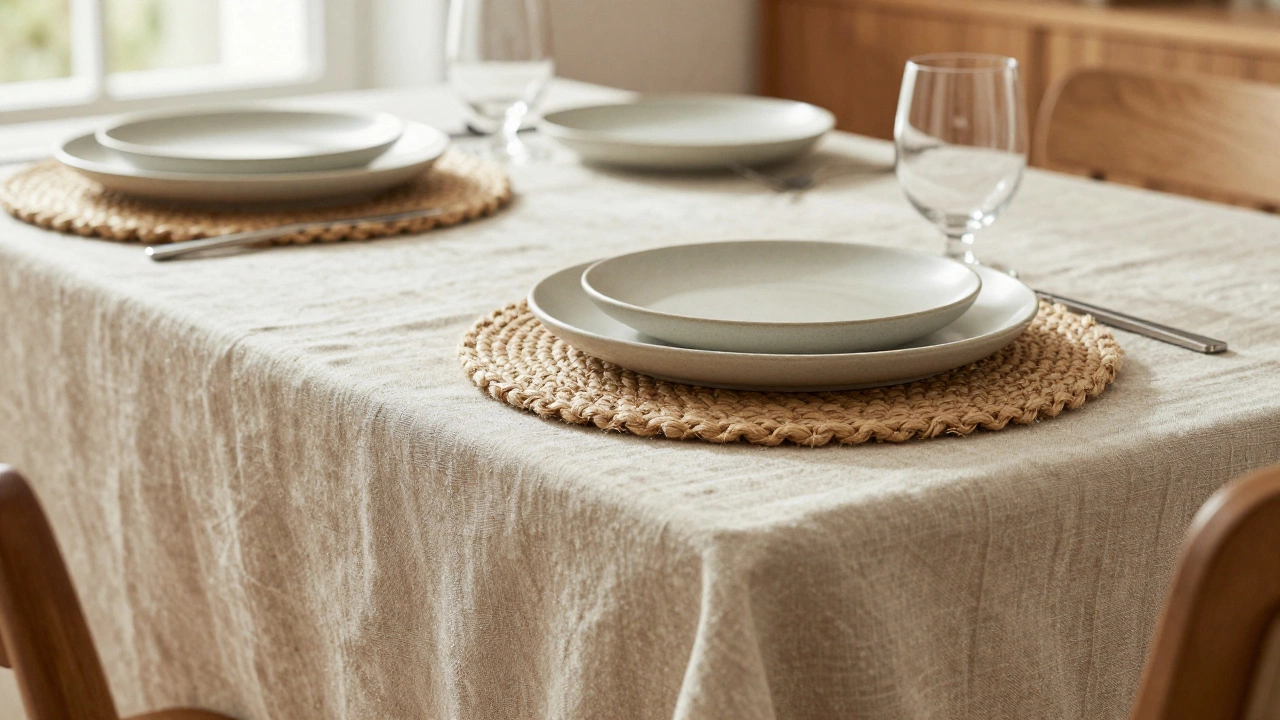
Start with a base layer. A simple cotton tablecloth works, but linen adds instant sophistication because of its natural slubs and soft drape. If you prefer a bare wood look, which is very popular in Melbourne homes right now, use a long runner made of velvet or heavy wool. This grounds the table and prevents it from looking too stark.
- Base Layer: Linen tablecloth or a thick fabric runner.
- Secondary Layer: Placemats in a contrasting material (e.g., woven jute under a linen napkin).
- Tertiary Layer: Your dinnerware and cutlery.
This stacking creates shadows and highlights, giving the eye something to travel across. Without layers, light hits the surface and bounces off uniformly, making the space feel empty.
Centerpieces That Don’t Block Conversation
The biggest mistake people make with centerpieces is height. If you have to crane your neck to see the person sitting across from you, the centerpiece has failed. A fancy table isn’t one where you admire the flowers; it’s one where you enjoy the meal while being surrounded by beauty.
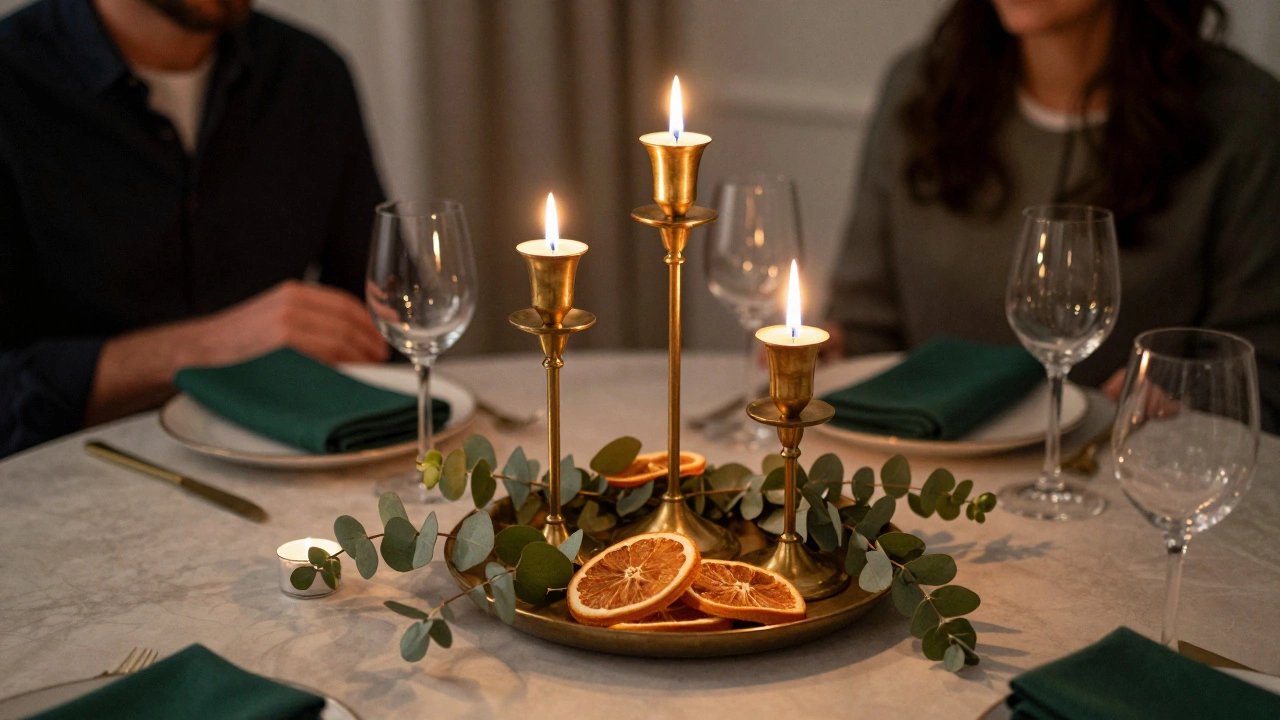
Try grouping three candles of varying heights in brass or ceramic holders. Keep them low-under six inches if possible. Alternatively, use a shallow tray filled with decorative stones, dried oranges, or seasonal branches. This keeps the focus horizontal. If you love flowers, go for sprawling, garden-style arrangements that spill over the sides of a wide vase rather than tall, rigid bouquets.
Pro tip: Odd numbers work better. Three candles, five sprigs of eucalyptus, seven pinecones. Our brains find asymmetry more interesting and natural than perfect symmetry, which can feel stiff and artificial.
Elevate Your Place Settings
Your place setting is the first thing guests interact with. Standard white plates are fine, but they’re safe. To make the table look curated, mix materials. Pair a matte ceramic plate with a glossy charger underneath. The contrast in finish adds depth.
Don’t underestimate the power of chargers. They are essentially large decorative plates that sit under your dinner plate. They protect the table and add a frame to each setting. Choose chargers in a color or texture that complements your walls or curtains. Wood chargers add warmth; metallic ones add glamour.
Napkins are another easy win. Instead of folding them neatly beside the fork, try placing them inside a glass or tying them with a simple ribbon. A linen napkin in a deep jewel tone-emerald green, navy blue, or burgundy-adds a pop of color that makes the whole setting feel intentional.
| Item | Fancy Material Choice | Why It Works |
|---|---|---|
| Dinner Plate | Matte Ceramic or Stoneware | Adds tactile warmth and hides minor scratches |
| Charger | Wood, Brass, or Textured Glass | Creates a visual border and elevates the stack |
| Cutlery | Brushed Nickel or Antique Silver | Reflects light softly without glare |
| Napkin | Linen or Cotton Blend | Holds shape better than polyester and feels luxurious |
Lighting Sets the Mood
You can have the most beautiful table in the world, but if the lighting is harsh overhead fluorescent, it will look like a cafeteria. Lighting is the secret weapon of fancy dining rooms. You want warm, dimmable light that pools around the table.
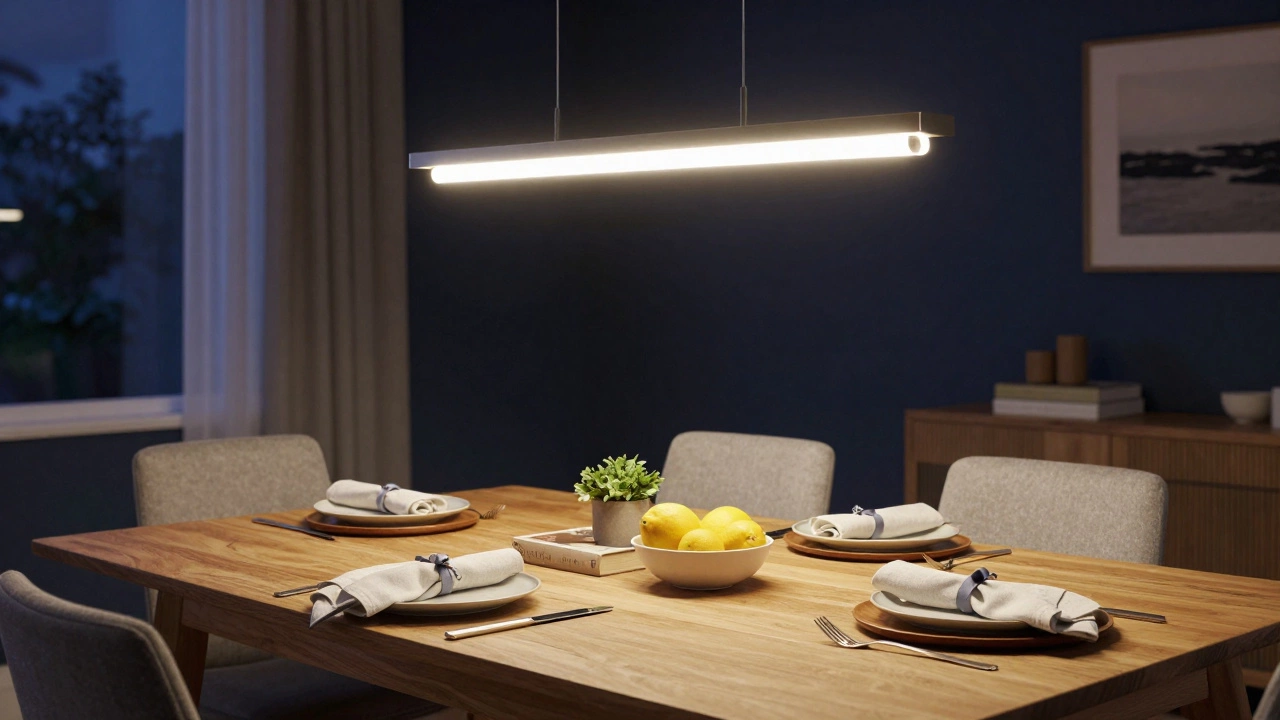
A pendant light hanging directly over the table is ideal. It should be positioned about 30-36 inches above the tabletop. This draws attention downward to the food and the company. If you can’t install a pendant, use candlelight strategically. Place small votives along the edges of the table or behind the centerpiece. The flickering flame adds movement and romance that electric lights simply can’t replicate.
In Melbourne, where our winters can be cool and dark, adding extra candles during dinner parties extends the cozy feeling well into the evening. It signals to your guests that this is a relaxed, intimate space.
Personal Touches Over Perfection
Fancy doesn’t mean sterile. Some of the most impressive tables I’ve seen include personal artifacts. A vintage book stacked horizontally under a small plant, a collection of sea shells from a holiday, or even a framed photo of the host family. These items tell a story.
However, keep clutter to a minimum. One or two statement pieces are enough. If you have a large table, you might add a small bowl of lemons or limes as a fresh, organic accent. The scent also enhances the dining experience. Avoid plastic items, mismatched cheap china, or anything that looks temporary. Every object should feel like it belongs there permanently.
Maintaining the Look
A fancy table requires maintenance, but not necessarily hours of cleaning. Dust your centerpieces weekly. Polish your metal accents monthly. Rotate your linens seasonally to keep things fresh. In summer, switch to lighter cottons and brighter colors; in winter, go for heavier wools and deeper hues.
Remember, the goal is hospitality. If your table setup is so delicate that you’re afraid guests will touch it, it’s not working. The best fancy tables invite interaction. They make people want to linger over dessert and coffee. By focusing on texture, lighting, and personal touches, you create a space that feels both elevated and welcoming.
What is the best centerpiece for a round dining table?
For round tables, a single, strong focal point works best. Try a large, low vase with a lush floral arrangement or a cluster of three pillar candles in the center. Avoid spreading items out too far, as this can disrupt the circular flow of conversation. Keep the height under 12 inches to ensure everyone can see each other.
How do I style a dining table for everyday use?
Keep it simple. Use a durable runner or placemats instead of a full tablecloth. Add a small, washable centerpiece like a bowl of fruit or a few candles. Ensure your place settings are practical but cohesive. The key is choosing materials that can withstand daily wear while still looking polished.
Can I mix different styles of chairs with my dining table?
Yes, mixing chair styles can add character, but stick to a common thread. For example, keep the same leg color or material (like all wood legs) while varying the seat backs. This creates a curated, collected-over-time look rather than a chaotic one. Limit yourself to two or three distinct styles to avoid visual clutter.
What color tablecloths look the most expensive?
Neutral tones like ivory, oatmeal, and slate grey tend to look more upscale than bright primary colors. Natural fabrics like linen or cotton blends in these shades reflect light softly and hide imperfections well. If you want color, opt for muted jewel tones like emerald, navy, or dusty rose.
How high should a pendant light hang over a dining table?
Aim for 30 to 36 inches above the tabletop. This height provides adequate illumination for eating without obstructing views between guests. If you have high ceilings, you can hang it slightly higher, but never so high that it feels disconnected from the table below.