
Affordable Luxury Estimator
Discover which low-cost changes will make your space feel high-end. Answer these quick questions to get your "Perceived Value" score.
1. Lighting Strategy
2. Furniture Scale & Layout
3. Wall Art Presentation
4. Textiles & Texture
5. Organization & Hardware
Your Result
You walk into a friend’s apartment and think, "Wow, this place costs a fortune." But then you peek at the price tag on their sofa or realize they bought that rug from a discount outlet. What gives? It isn’t always about how much money was spent; it’s about how smartly it was used. You don’t need a penthouse view or Italian marble floors to make your flat feel luxurious. You just need to understand the visual cues that signal quality.
Making a space look expensive is largely about removing friction from the eye. Cheap-looking rooms often suffer from clutter, poor lighting, mismatched scales, and visible wear. Expensive-looking rooms feel curated, intentional, and calm. The good news? Most of these upgrades are low-cost or free. Let’s break down exactly how to hack perception so your rental or starter home feels like a high-end sanctuary.
Lighting Is the Biggest Giveaway
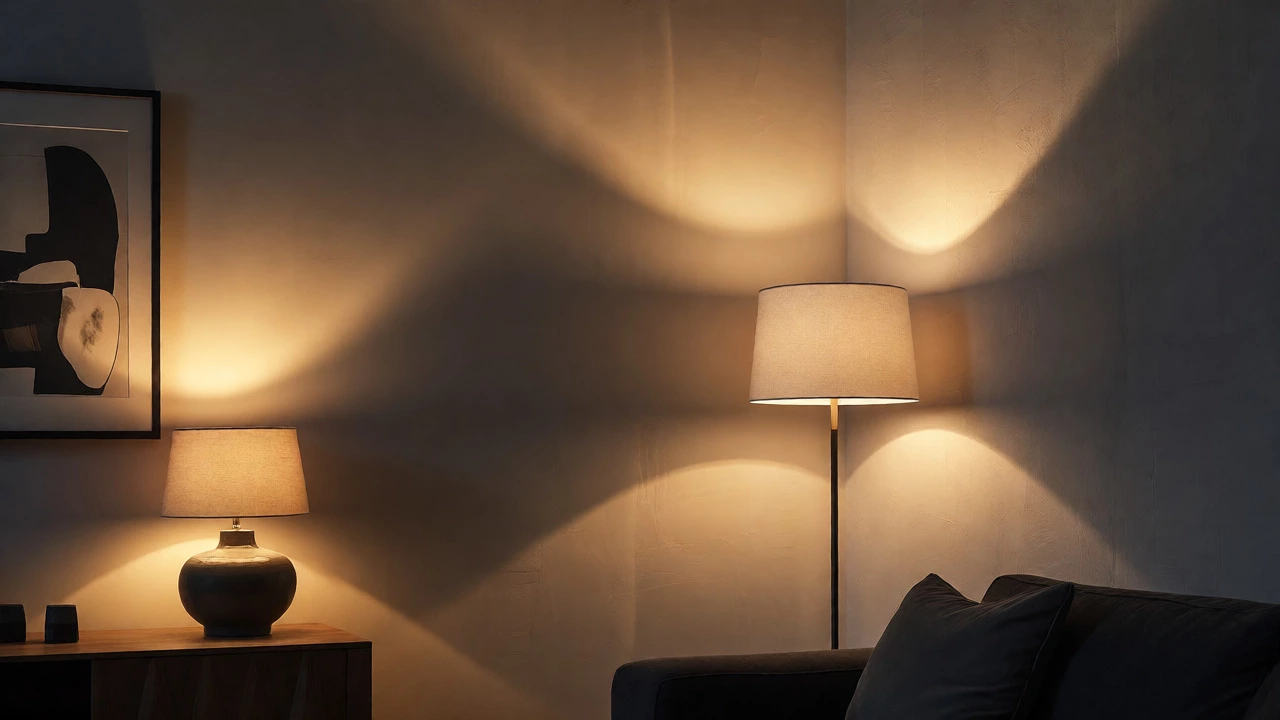
If there is one rule to live by, it’s this: never rely solely on the ceiling light. Harsh, overhead lighting flattens a room and exposes every dust bunny and scuff mark. High-end interiors use layered lighting to create depth and warmth. Think of it as painting with light.
- Ambient Lighting: This is your base layer. Instead of a single bright bulb, try multiple sources. Floor lamps in corners, table lamps on consoles, and pendant lights over dining areas all help.
- Task Lighting: Functional but stylish. A sleek desk lamp or under-cabinet lights in the kitchen show attention to detail.
- Accent Lighting: This is where the magic happens. Plug-in wall sconces can highlight a piece of wall art or architectural features without requiring an electrician.
Swap out cool-white bulbs (4000K+) for warm white (2700K-3000K). Warm light softens edges and makes materials look richer. Also, consider dimmers. Being able to control intensity instantly changes the mood from "office" to "lounge." If your rental doesn’t have dimmer switches, smart bulbs are a cheap workaround that lets you adjust brightness via your phone.
Scale and Proportion Matter More Than Brand Names
Cheap rooms often feel cramped because furniture is too small for the space. An oversized sectional in a tiny living room screams "budget," while a well-proportioned sofa in a larger room feels custom-made. Conversely, a massive armchair in a narrow hallway looks clumsy.
Measure before you buy. Leave at least 18 inches between seating and coffee tables for legroom, but keep conversation zones tight-no more than 8 feet apart. If your flat has high ceilings, tall bookcases or vertical curtains draw the eye up, making the space feel grander. If ceilings are low, keep furniture low-profile to avoid crowding.
| Element | Common Mistake | Expensive-Look Fix |
|---|---|---|
| Rugs | Too small; floating in the middle of the floor. | Large enough that front legs of sofas sit on it. |
| Curtains | Hung right above the window frame; short length. | Hung near the ceiling; pooling slightly on the floor. |
| Art | Tiny frames scattered randomly. | One large statement piece or a cohesive gallery wall. |
The Power of Wall Art and Gallery Walls
Bare walls make a room feel unfinished, but haphazardly hung posters look like a dorm room. To elevate your space, treat your walls like a museum curator would. You don’t need original paintings. Framed prints, textiles, or even high-quality photographs work beautifully if presented correctly.
Start with framing. Thin, black metal frames or natural wood frames look modern and clean. Avoid thick, ornate gold plastic frames unless you’re going for a specific vintage vibe. Uniformity in frame style creates cohesion, which reads as intentional design rather than random accumulation.
Consider scale. One large piece of art often looks more expensive than six small ones. If you prefer a gallery wall, plan the layout on paper first. Use painter’s tape to mock up the arrangement on the wall before hammering nails. Keep spacing consistent-usually 2-3 inches between frames. Mixing mediums adds interest: pair a photograph with a fabric hanging or a sketch. This variety suggests you’ve collected pieces over time, adding perceived value.
Textiles: The Secret Weapon for Texture
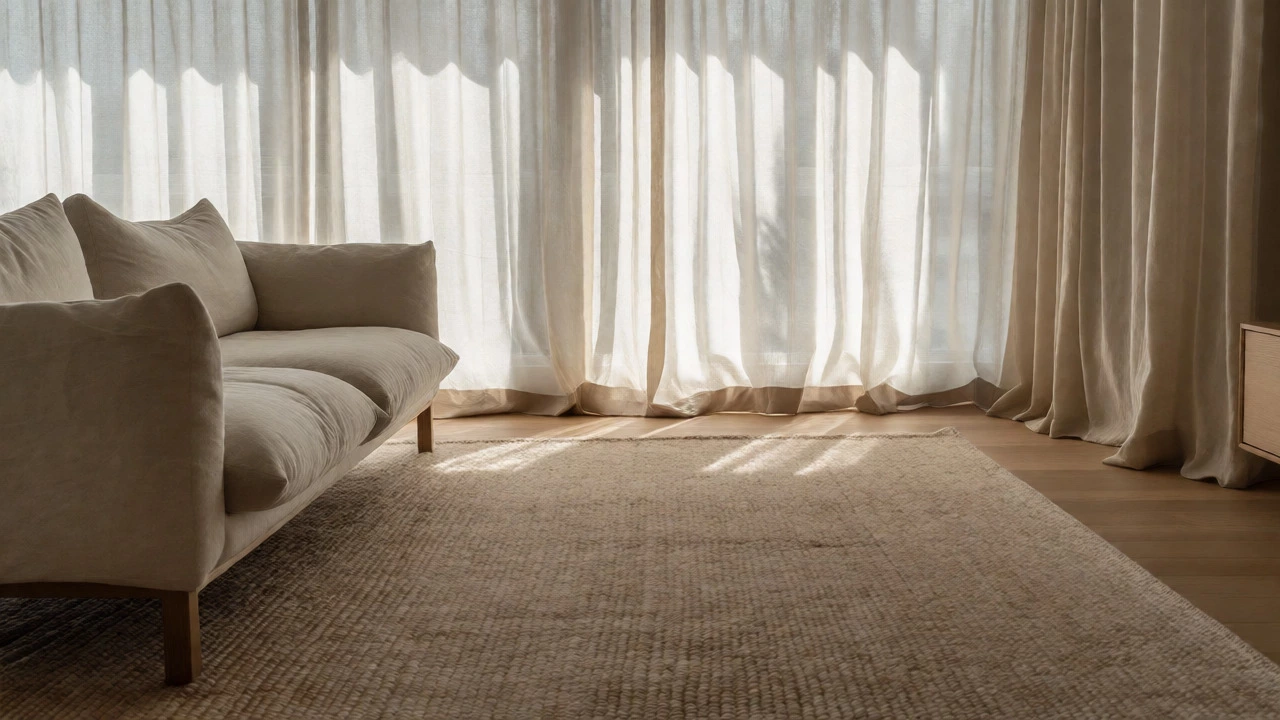
Flat, smooth surfaces everywhere look sterile and cheap. Luxury comes from texture contrast. Layer different fabrics to add depth. Start with your bedding or sofa throws. Mix linen, velvet, wool, and cotton. Don’t match everything perfectly; slight variations in tone within the same color family look sophisticated.
Curtains should be lined. Unlined curtains hang limp and reveal the sun behind them. Lined curtains have weight and drape elegantly. Even if you buy cheap polyester drapes, having them hemmed properly or buying ready-made lined versions makes a huge difference. For rugs, choose natural fibers like jute or wool blends. Synthetic shag rugs tend to mat quickly and look worn out sooner.
Decluttering and Hidden Storage
No amount of expensive decor will save a messy room. Visual noise kills luxury. Every item left out must earn its place. If it’s not beautiful or functional daily, store it away.
In small flats, storage needs to be clever. Use ottomans with hidden compartments, beds with drawers underneath, or baskets that double as decor. Closed storage is key. Open shelving looks great in photos but requires constant tidying. If you love open shelves, limit them to 50% capacity and group items in odd numbers (3s or 5s) for visual balance.
Clear countertops aggressively. In kitchens and bathrooms, only keep essentials out. Use matching jars for dry goods instead of seeing colorful packaging. In bathrooms, decant soap and lotion into uniform dispensers. These small touches signal cleanliness and order, both hallmarks of high-end homes.
Hardware and Finishes
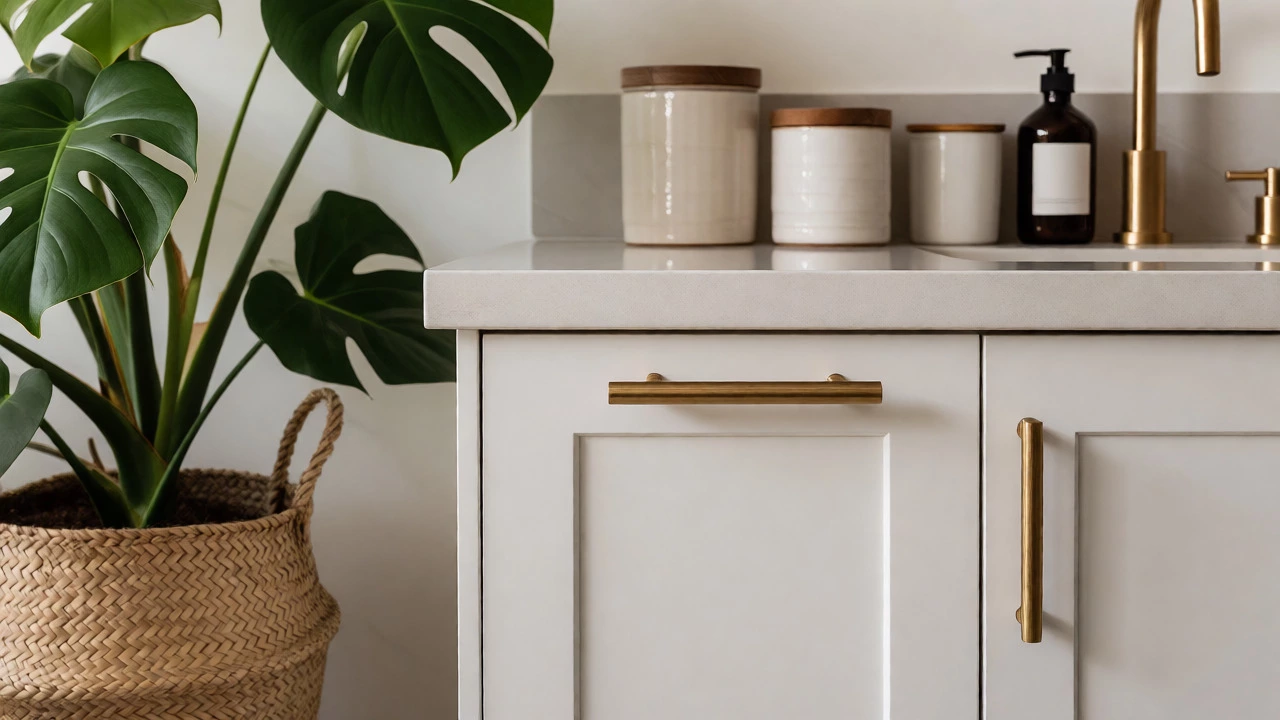
Kitchen cabinets and bathroom vanities are often dated in older flats. Replacing entire units is pricey, but swapping hardware is cheap. Update handles and knobs to brushed brass, matte black, or polished nickel. These finishes catch the light and feel substantial in hand.
Check other details too. Replace yellowed switch plates with fresh white or metallic ones. Swap out cheap door hinges if they squeak or look rusty. These micro-details might seem minor, but when combined, they shift the overall impression from "dated" to "updated."
Plants Bring Life and Value
Nothing signals neglect like dead plants or empty corners. Greenery adds life and organic shapes that soften hard lines. Large floor plants like Fiddle Leaf Figs or Monstera Deliciosa fill empty spaces and draw the eye upward. If you lack natural light, snake plants or ZZ plants are nearly indestructible and look lush.
Use pots wisely. Hide ugly nursery plastic inside ceramic or woven baskets. This simple trick instantly elevates any plant. Grouping three plants of varying heights creates a mini indoor jungle effect, which feels abundant and cared-for.
DIY vs. Buying: Where to Spend
You don’t need to spend big on everything. Here’s a quick guide on where to invest and where to save.
- Spend On: Mattress, sofa, dining chairs, rugs. These get heavy use and comfort matters.
- Save On: Side tables, decorative objects, pillows, art prints. These are easy to swap out as trends change.
- DIY: Painting walls, refinishing old furniture, framing prints, installing shelves.
Thrift stores and online marketplaces are goldmines for solid wood furniture. Look for sturdy construction, not brand names. A $50 wooden console sanded down and painted looks better than a new particleboard unit costing $200. Just check for stability and pest damage before buying.
Final Touches: Scent and Sound
Luxury engages all senses. A pleasant scent makes a space feel welcoming. Use subtle diffusers or candles with notes like sandalwood, bergamot, or linen. Avoid overpowering artificial fragrances.
Sound matters too. Background music or a quiet fan hum masks street noise, making the space feel secluded and peaceful. Consider sound-absorbing materials like thick rugs or upholstered headboards to reduce echo. A quiet room feels calmer and more exclusive.
Does expensive decor really require a big budget?
No. Most people perceive luxury through intentionality, not price tags. Cleanliness, proper lighting, cohesive color schemes, and correct proportions cost little but create a high-end feel. Thrifted items styled well often outperform new, poorly chosen pieces.
What is the cheapest way to update a dull living room?
Change the lighting and add large-scale wall art. Swapping harsh overhead lights for warm floor and table lamps transforms the atmosphere instantly. Adding one large framed print or a textured throw blanket adds visual interest without major expense.
How do I hide cable clutter in a small flat?
Use cord concealers that stick to walls or baseboards, painted to match the wall color. Route cables behind furniture or inside hollow bed frames. For TV setups, mount the screen close to the wall and use a slim media box placed directly below it to minimize visible wires.
Are gallery walls still trendy for making a flat look expensive?
Yes, but execution matters. Random clusters look messy. Curated gallery walls with consistent frame styles, varied artwork sizes, and deliberate spacing look sophisticated. Alternatively, a single oversized piece often looks more modern and less cluttered in very small spaces.
Which paint colors make a small room look bigger and pricier?
Soft neutrals like warm whites, light grays, and beige reflect light, expanding the space visually. Deep charcoal or navy on accent walls can add drama and depth if paired with adequate lighting. Avoid stark bright whites, which can feel clinical, and overly saturated colors that shrink the room.