
Free Room Refresh Planner
Your Action Plan
Refresh Progress
Room Transformed
Current Impact:
Start selecting tasks to see the transformation potential.
Ever walked into your room and felt that nagging sense of "something is missing"? You look around at the same four walls, the same bed, the same desk, and think it needs a refresh. The instinct is usually to open an online store and start scrolling. But what if I told you that the secret to a stunning room isn't in a shopping cart? It's already sitting right in front of you.
We often confuse decoration with acquisition. We think a new lamp or a trendy rug will fix a dull space. In reality, most rooms suffer from poor arrangement, visual clutter, or neglected details-not a lack of stuff. By shifting your perspective from consumer to curator, you can transform your living space instantly without spending a single dollar. This approach is not just budget-friendly; it’s sustainable and forces you to appreciate what you already own.
The Power of Subtraction: Decluttering as Design
Before you add anything, you must subtract. Clutter is the enemy of good design because it competes for attention. When every surface is covered, the eye has nowhere to rest, creating a subconscious feeling of chaos. Decluttering is the process of removing unnecessary items to create visual breathing room and highlight key features. It is the foundation of any successful room makeover.
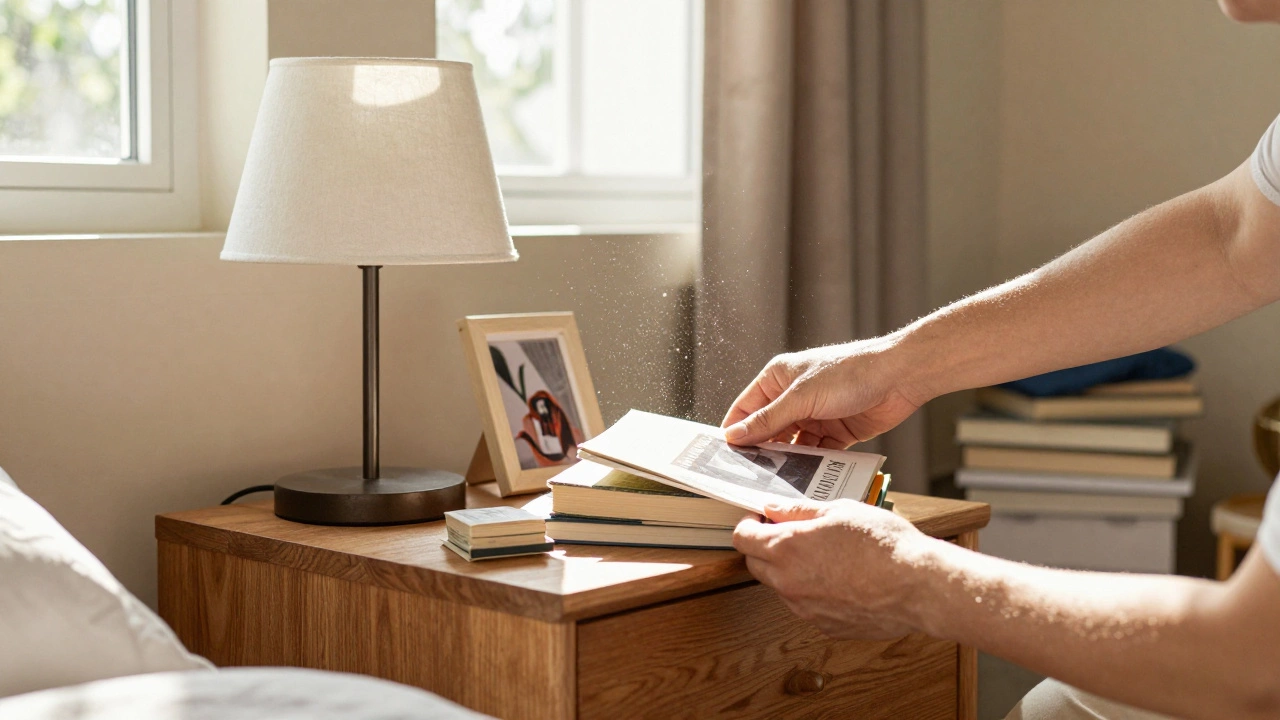
Start with the surfaces. Clear off your nightstands, desks, and coffee tables. Keep only three things on each surface: one functional item (like a lamp), one decorative item (like a book or plant), and one personal touch (like a photo). If something doesn’t fit these categories, it goes away. Use the "one-in, one-out" rule moving forward. For every new item you bring in, one old item must leave. This keeps the balance.
Don’t forget vertical space. Dust bunnies under the bed and cobwebs in corners make a clean room look dirty. A thorough deep clean-wiping baseboards, cleaning windows, and vacuuming behind furniture-can change the entire vibe of a room. Light reflects differently off clean surfaces, making the space feel brighter and larger immediately.
Rethink Your Layout: Moving Furniture Changes Everything
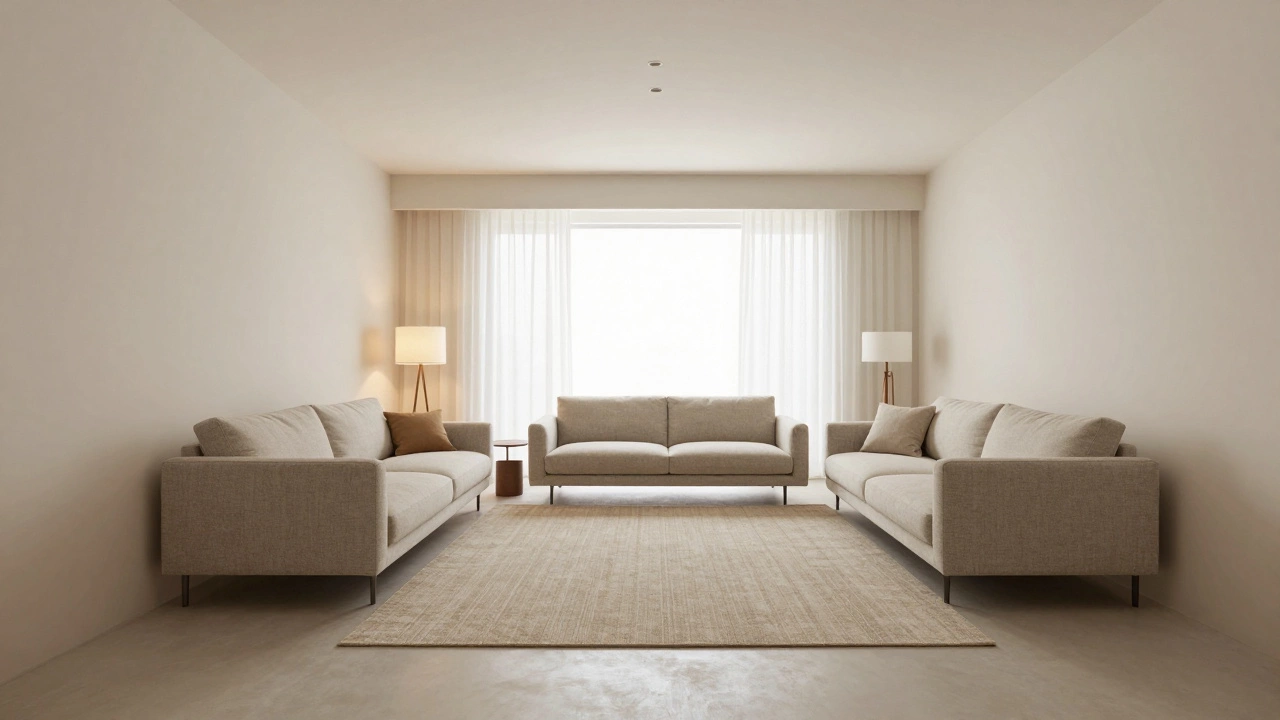
If decluttering is the foundation, layout is the structure. Most people place furniture against walls because they were taught that’s how you do it. But pushing everything to the perimeter often creates a awkward "bowling alley" effect in the middle of the room. Furniture Arrangement refers to the strategic placement of seating and storage to optimize flow, conversation, and function.
Try floating your sofa. Pull it two feet away from the wall and put a small table or a rug behind it. This creates depth and makes the room feel more intimate. Think about traffic flow. Can you walk from the door to the window without dodging a chair leg? If not, move things until the path is clear. Good flow feels effortless; bad flow feels like an obstacle course.
Consider the focal point. Every room should have one anchor-a fireplace, a large window, a TV, or even a bold piece of art. Arrange your seating to face this focal point. If your current setup ignores the best view in the room, you’re wasting potential. Rotate your rug if it’s reversible. Swap the headboard of your bed to the other side of the wall. These small shifts break the monotony of daily routine.
Lighting: The Mood Maker
Lighting is arguably the most powerful tool in interior design. Harsh overhead lights can make a cozy room feel like a hospital waiting room. Soft, layered lighting creates warmth and dimension. Since we aren’t buying new lamps, we need to manipulate the light we have.
Open the curtains. Natural light is free and flattering. During the day, keep blinds open to let sunlight flood in. At night, use multiple light sources at different heights. Combine floor lamps, table lamps, and even string lights if you have them. Avoid relying solely on ceiling fixtures. Dimmer switches are great, but if you don’t have them, simply using lower wattage bulbs or placing lamps further back in corners can soften the glow.
Clean your light fixtures. Dusty globes and shades reduce light output by up to 40%. Wipe them down with a damp cloth. Also, consider the color temperature. Warm white bulbs (2700K-3000K) feel cozier than cool white ones. If your current bulbs are too blue, swap them with warmer ones you might have in another room. The difference in mood is dramatic.
Styling and Layering: Curating What You Have
Now that the space is clear and arranged, it’s time to style. Styling is about telling a story with objects. You don’t need expensive decor; you need intention. Visual Balance is the distribution of visual weight in a composition to create harmony and interest.
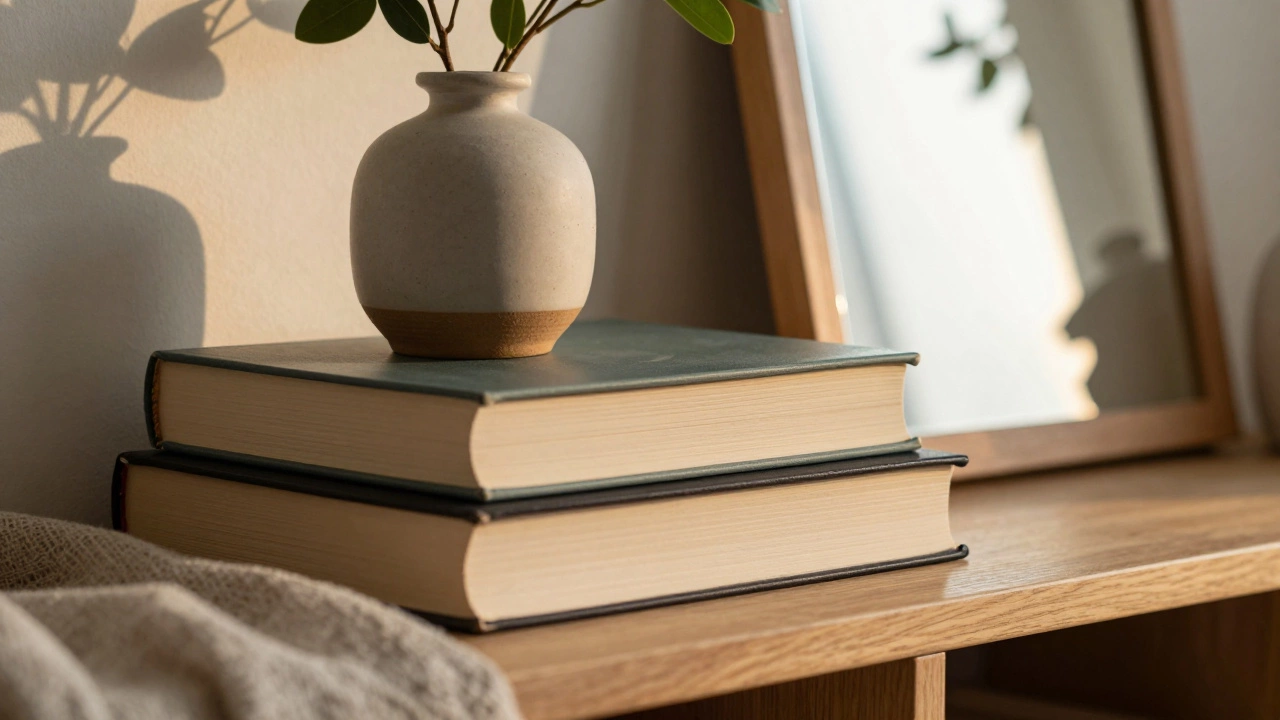
Use books as decor. Stack three hardcover books horizontally on a shelf or side table, and place a small object on top. Vary the sizes and colors. If all your books are similar, mix them with magazines or boxes. Create height variation. Tall vases next to short candles create rhythm. Flat surfaces look boring; layered surfaces look designed.
Mirror magic. Mirrors reflect light and double the visual space. If you have a mirror that’s been gathering dust in a closet, hang it opposite a window. It will bounce daylight across the room, making it feel twice as big. Even a small hand mirror placed on a dresser can catch light and add sparkle.
Textiles matter. Fluff your pillows. Fold your blankets neatly. A rumpled duvet looks messy; a crisp one looks luxurious. Rotate your pillowcases if they’re faded. Tie back curtains with a belt or ribbon you already own to frame the window nicely. These small touches signal care and effort.
Nature and Personal Touches
A room without life feels sterile. Bring in nature. Cut branches from your garden or ask a neighbor for trimmings. Place them in a vase with water. Fresh greenery adds color, texture, and oxygen. If you have houseplants, rotate them so they get equal light and look their best. Prune dead leaves. A healthy plant looks intentional; a dying one looks neglected.
Add personal artifacts. Travel souvenirs, family photos, or handmade crafts tell visitors who you are. Display them thoughtfully. Group photos in frames of similar size or color. Don’t spread them out randomly. Create a gallery wall on one section of the wall using tape instead of nails if you’re renting. This adds character without permanent damage.
Color and Texture Play
You can’t repaint for free, but you can play with existing colors. Pull accent colors from your rug or artwork and echo them elsewhere. If your throw blanket has hints of blue, find a blue book or a blue mug to place nearby. This creates cohesion. The eye loves patterns that repeat subtly.
Mix textures. Smooth wood against rough linen, soft wool against sleek metal. Contrast prevents boredom. If your room feels flat, add a knitted throw or a woven basket. Texture adds depth that color alone cannot achieve. It makes the space tactile and inviting.
| Action | Impact | Effort Level |
|---|---|---|
| Clear Surfaces | Reduces visual noise | Low |
| Move Sofa | Improves flow and intimacy | Medium |
| Clean Windows | Boosts natural light | Low |
| Style Books | Adds height and interest | Low |
| Rotate Plants | Refreshes greenery | Low |
Can I really improve my room without buying anything?
Absolutely. Most room issues stem from clutter, poor layout, or lack of styling rather than missing items. By decluttering, rearranging furniture, and utilizing natural light, you can dramatically enhance the aesthetic and functionality of your space at zero cost.
How do I make a small room look bigger without spending money?
Focus on verticality and light. Hang mirrors opposite windows to reflect light. Keep floors clear by using vertical storage. Declutter surfaces to reduce visual weight. Lighter colors and minimal decor also help expand the perceived space.
What is the best way to arrange furniture in a living room?
Avoid pushing all furniture against walls. Float seating to create conversation zones. Ensure clear pathways for movement. Anchor the arrangement around a focal point like a fireplace or TV. Use rugs to define areas within the room.
How can I add color to my room without painting?
Use textiles you already own. Swap pillow covers, throw blankets, or curtains between rooms. Incorporate colorful books, plants, or artwork. Echo colors found in your rug or accessories throughout the space to create a cohesive palette.
Does cleaning really change the look of a room?
Yes, significantly. Dust and dirt dull surfaces and block light. Cleaning windows, lamps, and floors allows light to reflect better, making the room feel brighter and fresher. A clean space also appears more organized and spacious.