
Small Home Storage Budget & Plan Builder
Select Your Storage Needs
Check the boxes for the rooms or areas you need help organizing. We'll calculate an estimated budget range.
Estimated Budget (AUD)
Recommended Actions
Living in a small house doesn’t mean you have to live with clutter. In fact, smart home storage solutions can make a compact space feel twice as big and significantly more functional. The secret isn’t just buying bigger bins; it’s about rethinking how you use every inch of your floor plan. Whether you’re dealing with a tiny apartment or a modest cottage, the right strategies can transform chaos into calm.
Think Vertical: Use Wall Space You’re Ignoring
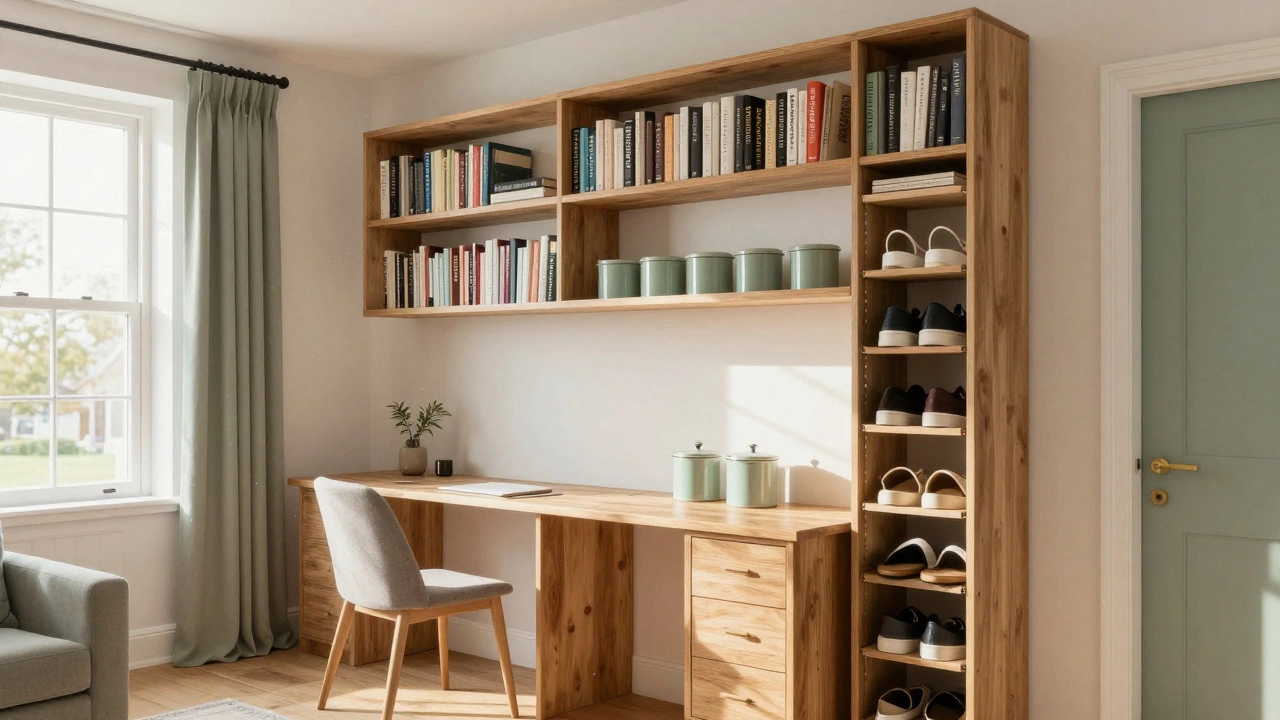
The biggest mistake people make in small homes is focusing only on floor space. Your walls are prime real estate that often goes unused. By moving storage upward, you free up valuable square footage for living rather than storing.
Start with high shelving units that reach all the way to the ceiling. This draws the eye up, making the room feel taller, while providing ample space for items you don’t access daily. Store seasonal decorations, extra linens, or bulk non-perishables up high. If you’re renting and can’t install permanent fixtures, tension rods between studs or adhesive hooks rated for heavy loads can hold lightweight baskets or hanging organizers.
- Over-the-door organizers: Perfect for shoes, cleaning supplies, or pantry items. They utilize the dead space behind doors without taking up any floor area.
- Floating shelves: Install these above desks, kitchen counters, or entryways. Keep them tidy by using matching containers so they look like decor rather than storage dumps.
- Tall bookcases: Instead of short, wide units, opt for narrow, tall ones. They fit into awkward corners and provide maximum vertical capacity.
In Melbourne’s older weatherboard homes, you’ll often find uneven walls. Floating shelves can actually help disguise these imperfections while adding function. Just ensure you anchor them into wall studs or use appropriate anchors for plasterboard to avoid accidents.
Hidden Storage: Out of Sight, Out of Mind
Clutter looks messy because it’s visible. Hidden storage keeps your belongings secure but invisible, maintaining a clean aesthetic. This approach works best for items you need occasionally but not daily.
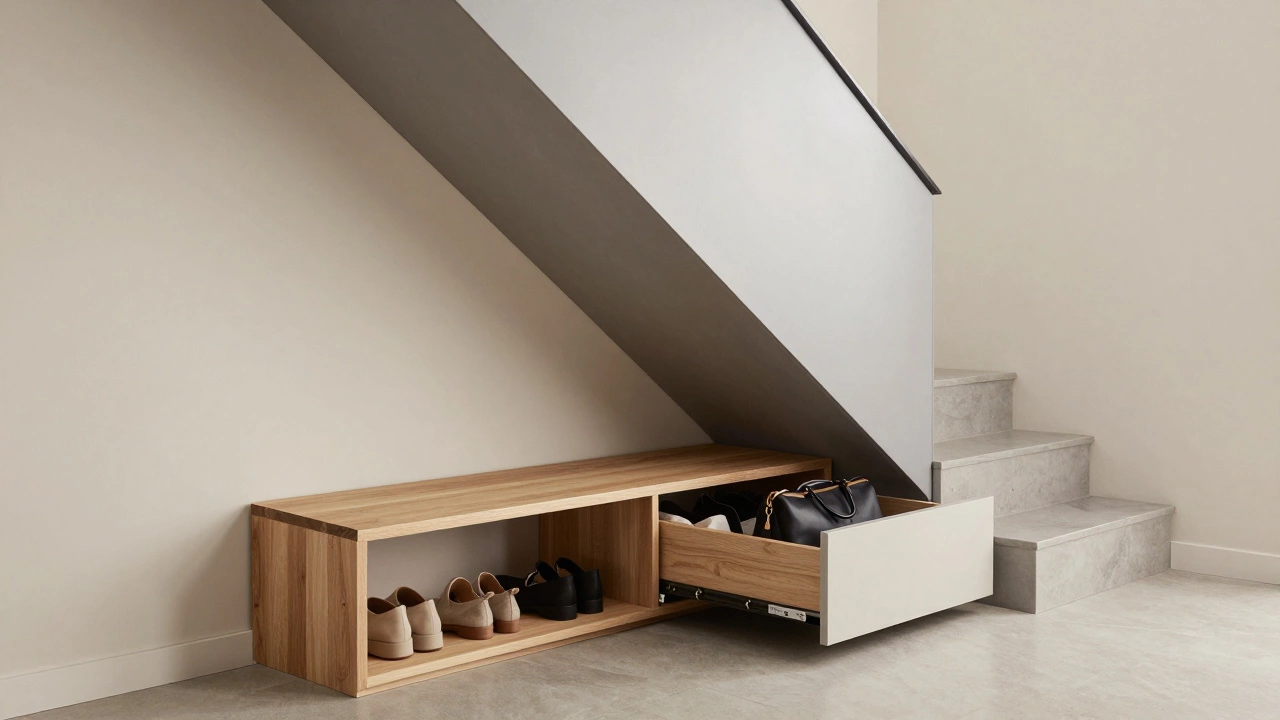
Consider under-stair storage if your layout allows it. Even a small triangular space can be fitted with pull-out drawers or sliding cabinets. For hallways, built-in benches with lift-up lids offer seating and storage for shoes, coats, and bags simultaneously. It’s a dual-purpose solution that saves space.
| Storage Type | Best For | Cost Estimate (AUD) | Installation Difficulty | |
|---|---|---|---|---|
| Under-Stair Drawers | Clothing, linens, tools | $300 - $800 | High (Carpentry needed) | |
| Lift-Up Bench Seats | Shoes, outdoor gear | $150 - $400 | Medium (DIY friendly) | |
| Ottoman with Lid | Blankets, magazines, toys | $80 - $200 | Low (No installation) | |
| False Bottom Cabinets | Valuables, documents | $100 - $300 | Medium (Modification required) |
If built-ins aren’t an option, furniture with hidden compartments is your next best bet. Look for beds with deep drawer systems underneath, coffee tables with internal cubbies, or ottomans that open up. These pieces serve two purposes: they’re functional furniture and discreet storage units.
Multi-Functional Furniture: Double Duty Pieces
In a small house, every piece of furniture should earn its keep. Single-purpose items waste precious space. Multi-functional furniture maximizes utility by combining storage with seating, sleeping, or working surfaces.
A sofa bed is a classic example, but there are more creative options. A drop-leaf dining table can double as a desk when pushed against a wall. When not in use for meals, it becomes a workspace, eliminating the need for a separate office chair and desk setup. Similarly, nesting side tables can be pulled out when guests arrive and tucked away when alone, keeping pathways clear.
Consider a Murphy bed system for the ultimate space saver. Modern versions include integrated desks, wardrobes, and shelving units that fold down with the bed. During the day, it looks like a standard cabinet or desk. At night, it transforms into a bedroom. This is ideal for studios or one-bedroom homes where you want to entertain or work in the same space you sleep.
Optimize Kitchen and Pantry Storage
Kitchens are often the most cluttered rooms due to the sheer volume of appliances, utensils, and food items. Efficient kitchen storage requires zoning-grouping similar items together based on frequency of use.
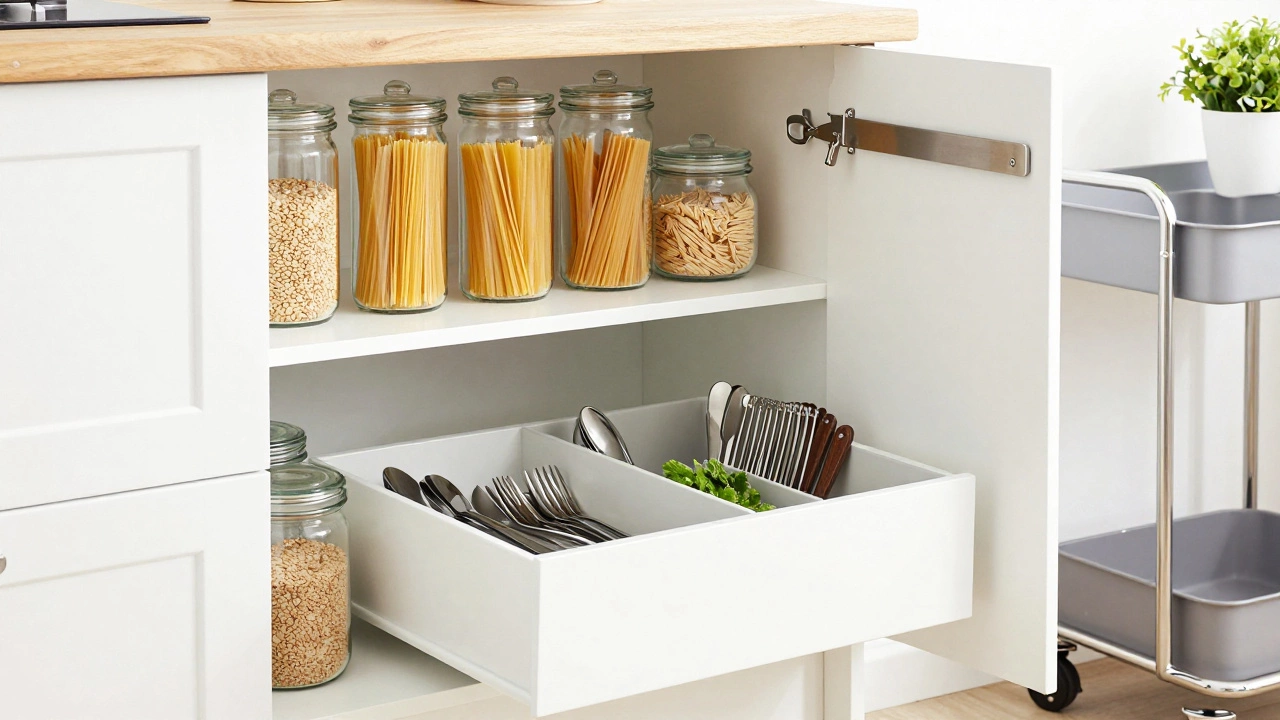
Use the "first in, first out" method for pantry staples. Place newer cans and boxes behind older ones to prevent expiration waste. Clear, uniform containers not only look neat but also allow you to see exactly what you have at a glance, reducing duplicate purchases.
Don’t ignore the inside of cabinet doors. Magnetic strips mounted inside can hold knives or spice jars. Adhesive racks can hold pots, pans, or cutting boards vertically. Drawer dividers are essential for keeping utensils organized. Without them, drawers become tangled messes that are hard to search through.
For small kitchens, consider rolling carts. They provide additional counter space and storage that can be moved wherever you need it. Tuck it away in a corner when not in use. This flexibility is crucial in tight layouts where fixed islands aren’t feasible.
Bathroom Organization: Small Spaces, Big Impact
Bathrooms are typically the smallest rooms, yet they hold toiletries, towels, cleaning supplies, and personal care products. Over-the-toilet shelving units are a game-changer here. They utilize the vertical space above the tank, which is otherwise wasted.
Install floating vanities with open shelving below. This creates an illusion of more floor space while providing accessible storage for toilet paper and cleaning sprays. Keep larger items like laundry baskets in closed cabinets to maintain visual simplicity.
Use suction-cup hooks on shower walls for shampoo bottles and razors. This eliminates the need for bulky shelf units inside the shower tray, making cleaning easier and preventing mold buildup. For vanity tops, use tiered trays to stack skincare products, maximizing surface area without creating clutter.
Declutter Regularly: The Foundation of Storage
No amount of clever storage will fix a hoarding problem. The most effective step in maximizing storage is reducing what you own. Conduct regular decluttering sessions-ideally once per season.
Apply the "one in, one out" rule. For every new item you bring into your home, remove an old one. This prevents accumulation over time. Ask yourself: Do I use this? Do I love this? If the answer is no, donate or sell it.
Focus on categories rather than rooms. Sort through all your clothing, then all your books, then all your kitchen gadgets. This holistic approach reveals duplicates and items you’ve forgotten about. Digitalize documents and photos to reduce physical paper clutter. Scan important papers and store them in cloud services, freeing up filing cabinets.
What is the best storage solution for a very small bedroom?
The best solution is a bed with built-in drawers or a loft bed. Under-bed drawers utilize hidden space for clothing and linens. Loft beds raise the sleeping area, allowing you to place a desk, wardrobe, or seating underneath. This effectively doubles the usable floor space in the room.
How do I store seasonal items in a small house without a garage?
Use vacuum-sealed bags to compress bulky items like winter coats, blankets, and Christmas decorations. Store these in high, inaccessible places such as the top shelves of wardrobes or above door frames. Alternatively, rent a small self-storage unit nearby if the volume is too large for indoor spaces.
Are magnetic knife strips safe for small kitchens?
Yes, they are safe and highly recommended. They save drawer space and keep knives sharp by preventing blade-on-blade contact. Mount the strip at shoulder height for easy access and safety. Ensure the magnet is strong enough to hold your specific knife weights securely.
Can I use under-sink storage effectively?
Absolutely. Under-sink spaces are often irregular due to plumbing pipes. Use adjustable shelving units or tension rods to create custom compartments. Store cleaning supplies, trash bags, and backup toiletries here. Keep items in clear bins to identify contents quickly without removing everything.
What is the most cost-effective way to add storage?
The most cost-effective method is using vertical space with affordable shelving units from hardware stores. Add adhesive hooks for hanging items. Decluttering is free and immediately creates more space. Investing in multi-functional furniture later provides long-term value, but starting with simple shelves yields quick results.