
Home Modernization Cost Estimator
Select Your Upgrades
Choose 1 or more upgrades based on the article's recommendations
Your Estimated Budget
Article Insight: You can make meaningful updates for under $1,500. Lighting and paint cost about $400. New cabinet doors and hardware run $600–$900.
Most people think modernizing your home means ripping out walls, hiring an architect, and spending tens of thousands. But in 2024, the best upgrades are the quiet ones-the ones you can do over a weekend, for under $500, without turning your life upside down. You don’t need a full renovation to feel like you live in a new home. You just need the right changes.
Start with lighting-your home’s invisible skin
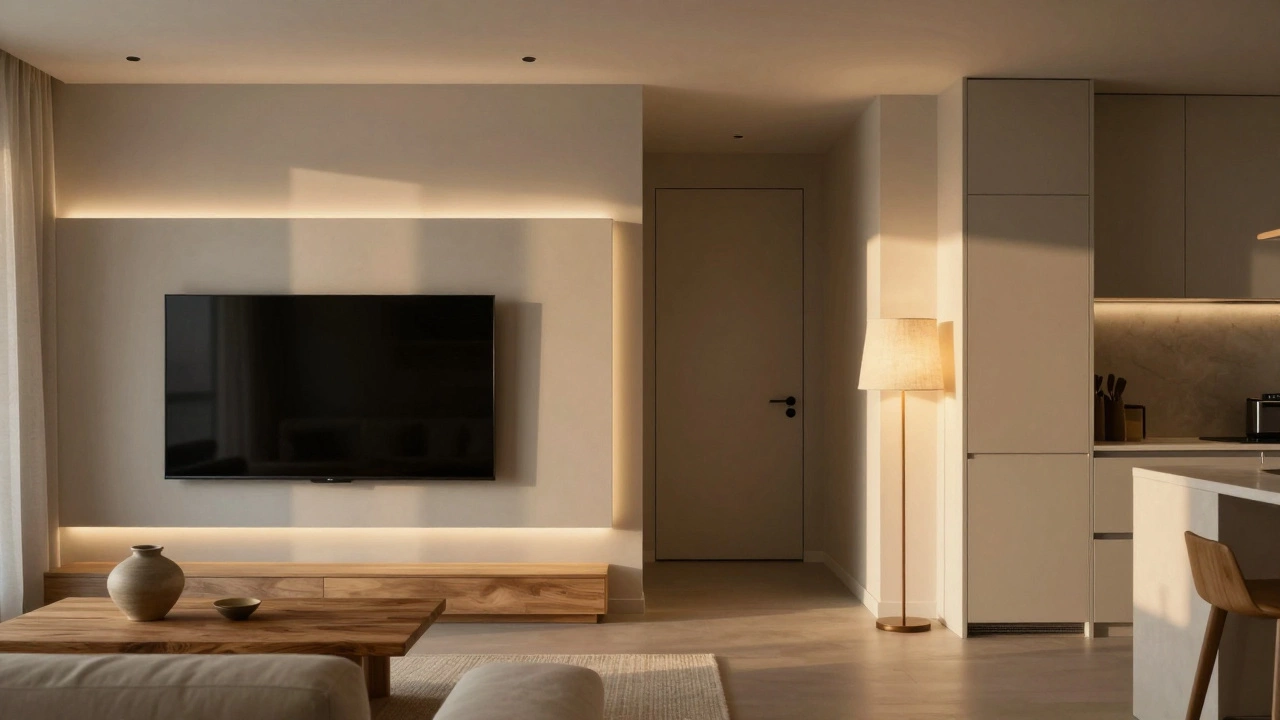
Old, yellow-toned bulbs are the number one thing that makes a modern home look dated. Even if your furniture is clean and your walls are neutral, bad lighting drags everything down. Swap out every incandescent and halogen bulb for LED strips or warm-white LEDs (2700K to 3000K). They’re cheaper now than ever, and they last 15 years. But don’t just replace bulbs-layer your light.
Use three types: ambient (overhead), task (under cabinets, desk lamps), and accent (track lights on artwork, LED strips behind TVs). In the kitchen, install dimmable under-cabinet lights. In the living room, swap your single ceiling fixture for two recessed lights and a floor lamp with a linen shade. In the bedroom, ditch the harsh overhead light and use wall sconces. People don’t notice lighting until it’s wrong. When it’s right, they feel calmer, more relaxed. That’s the real win.
Paint the walls-but not white
White walls are over. Not because they’re ugly, but because they’re lazy. In 2024, modern interiors use color with intention. Instead of pure white, go for warm greys, soft taupes, or muted greens. Benjamin Moore’s ‘Revere Pewter’, Sherwin-Williams ‘Agreeable Gray’, or Farrow & Ball’s ‘Setting Plaster’ are popular for a reason-they look neutral but have depth. They don’t scream ‘designer’; they just feel right.
Try painting one accent wall in a deeper tone-like a charcoal or olive-if you’re nervous. Or paint your ceiling a shade lighter than your walls. It tricks the eye into making the room feel taller. And skip the glossy finish. Matte or eggshell is the standard now. It hides flaws, absorbs light, and doesn’t look like a plastic sheet.
Replace your doors and hardware
Doors and handles are the jewelry of your home. If your interior doors are 1990s-style, hollow-core, with chunky brass knobs, they’re screaming ‘old’. Swap them for slab doors with flush, minimalist handles. You can buy pre-hung interior doors for under $150 each. Install them yourself with a drill and a level. No drywall repair needed if you’re replacing like-for-like.
For hardware, go for matte black, brushed brass, or satin nickel. No more shiny chrome. Matte black pulls on kitchen cabinets look sharp. Brushed brass on bathroom fixtures adds warmth without looking gaudy. And don’t forget the door knobs-switch to lever handles. They’re easier to use, look cleaner, and are required in new builds for accessibility. It’s a small change, but it makes your home feel like it was built yesterday, not 20 years ago.
Upgrade your kitchen without a full remodel
You don’t need to move plumbing to make your kitchen feel modern. The biggest impact comes from changing the surfaces you touch every day. Replace cabinet doors with new ones-no need to touch the frame. Choose flat-panel doors in matte white, charcoal, or even stained oak. Add soft-close hinges. They’re silent, smooth, and last longer.
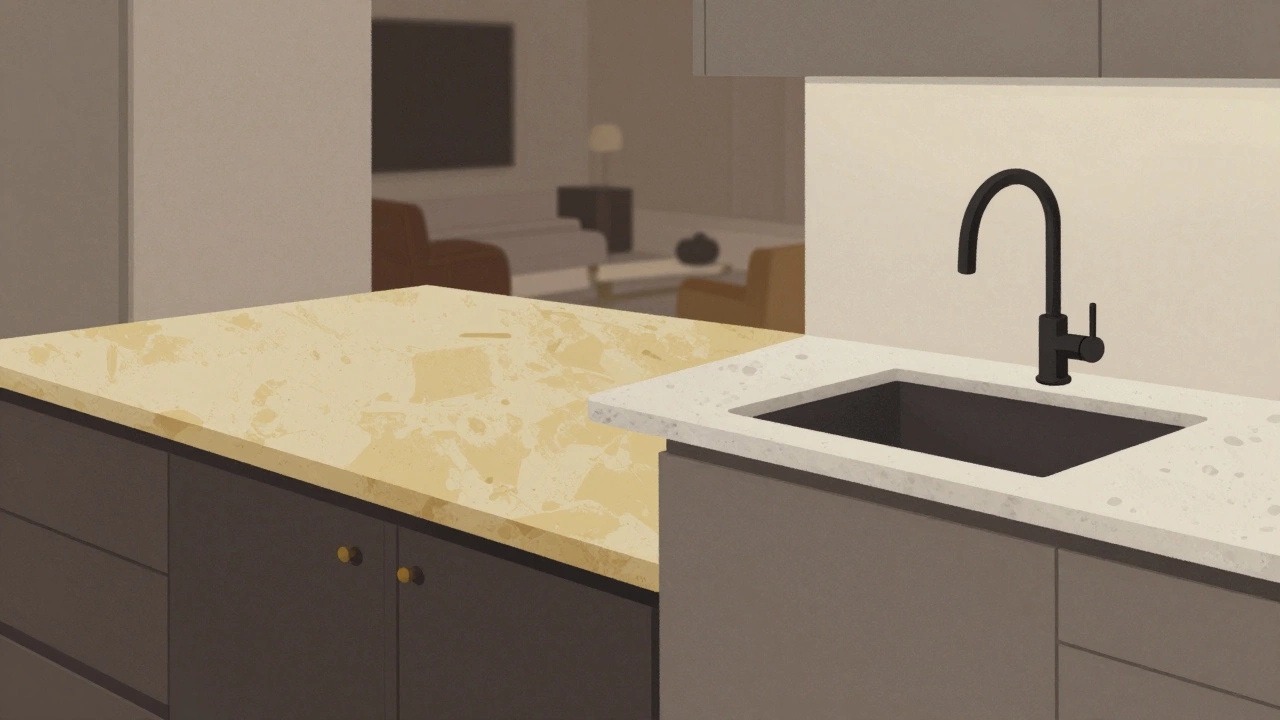
Swap out your old laminate countertop for a quartz one. It’s durable, stain-resistant, and comes in colors that mimic stone but cost half as much. If that’s too much, use a countertop refinishing kit. You can transform yellowed laminate into a sleek, solid-looking surface for under $200.
And for the sink? Replace a drop-in with an undermount. It looks cleaner, wipes easier, and makes your kitchen feel like a high-end one. Pair it with a pull-down faucet in matte black. That’s it. No demolition. No mess. Just a kitchen that feels like it belongs in a magazine.
Bring in texture, not just furniture
Modern doesn’t mean cold. It means intentional. In 2024, people are moving away from all-white, all-glass minimalism. They want warmth. You get that through texture.
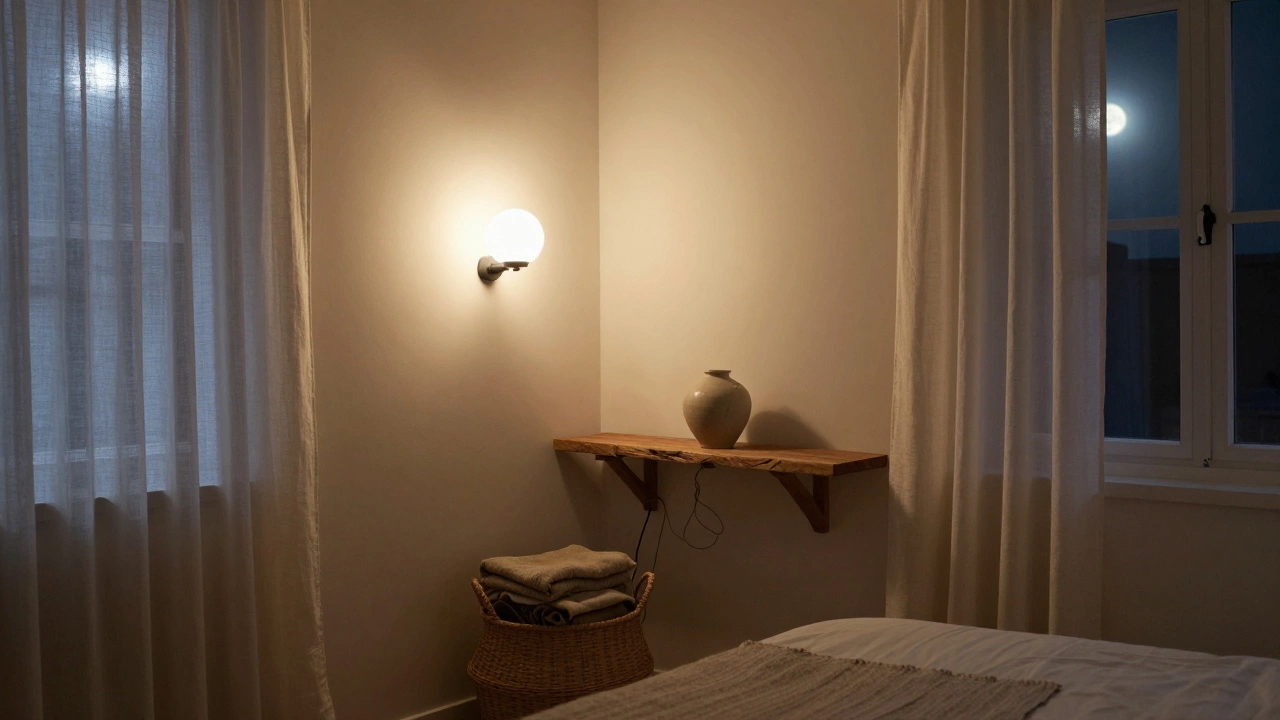
Layer a wool rug under your sofa. Add a linen curtain. Use a ceramic vase with a rough, hand-thrown finish. Put a woven basket in the corner for blankets. Even a single piece of natural wood-like a live-edge shelf or a solid oak side table-adds soul.
Look for materials that change with light: jute, rattan, raw cotton, unfinished metal. Avoid plastic-looking furniture. If it shines too much or feels too smooth, it’s probably cheap. Modern homes in 2024 are made of things that feel alive. They breathe. They age. They don’t look like they came from a warehouse.
Go smart-but only where it matters
Smart home tech isn’t about voice-controlled lights you never use. It’s about things that actually make life easier. Start with a smart thermostat. It learns your schedule and cuts heating and cooling bills by 10-20%. In Melbourne’s hot summers and cool winters, that’s hundreds a year.
Next, install smart bulbs in key rooms. You can control them from your phone, set them to turn on at sunset, or dim them for movie night. No rewiring. Plug-in smart plugs work for lamps and TVs. Skip the smart locks unless you’re always forgetting keys. And don’t waste money on smart fridges. They’re expensive and don’t do much you can’t do with a phone reminder.
The goal isn’t to have a tech-filled house. It’s to have a house that works quietly in the background. Less noise. Less effort. More calm.
Declutter-then organize with purpose
A modern home isn’t empty. It’s edited. Too much stuff makes even the best design feel cluttered. Start by taking everything out of your cabinets, shelves, and drawers. Keep only what you use, love, or need. Donate the rest.
Then, organize what’s left using simple, hidden storage. Floating shelves look clean. Pull-out drawers in pantries save space. Under-bed bins with labels keep clutter out of sight. Use baskets with the same texture and color-don’t mix wicker, plastic, and fabric. Consistency creates calm.
Hide cords. Use cord organizers behind TVs. Run wires through cable sleeves under rugs. A modern home doesn’t show its wires. It hides them like a good secret.
Final touch: let in the light
Windows are your most underused upgrade. Clean them. Wash the tracks. Replace torn blinds with sheer linen curtains. If your windows are small, use mirrors to bounce light around. Place one opposite a window-it doubles the daylight.
Remove heavy drapes. They block light and make rooms feel smaller. If you need privacy, go for roller shades in neutral tones. They roll up cleanly and don’t compete with your walls.
And if you can, open up a wall between the kitchen and living area. Even if it’s just removing a half-wall. Open plans are still the gold standard in 2024. They make small homes feel bigger and families feel closer.
What not to do
Don’t buy ‘modern’ furniture from big-box stores just because it looks sleek. A lot of it is thin MDF with plastic veneer. It looks good in photos, but falls apart in six months. Stick to solid wood, metal, or real stone where it matters.
Don’t follow TikTok trends blindly. That neon accent wall? That marble-look vinyl floor? They’re out of style by next year. Stick to timeless materials and quiet colors.
Don’t rush. Modernizing your home isn’t a race. Do one thing at a time. Live with it. See how it feels. Then move on.
How much does it cost to modernize a home in 2024?
You can make meaningful updates for under $1,500. Lighting and paint cost about $400. New cabinet doors and hardware run $600-$900. A quartz countertop refinish is $200-$400. Smart thermostat: $150. Add a rug and a few decor pieces, and you’re done. Full kitchen remodels? Those cost $15,000+. But you don’t need one to feel like you live in a modern home.
What’s the biggest mistake people make when modernizing?
They focus on looks over function. A white kitchen with no storage is beautiful in photos but useless in real life. A minimalist shelf with nothing on it looks cool until you need to put your keys down. Modern design isn’t about emptiness-it’s about intention. Every item should have a place, and every space should serve a real need.
Is open-plan still in style?
Yes, but with boundaries. In 2024, open-plan doesn’t mean one big room. It means connected zones. Use rugs, lighting, or a half-wall to define areas without closing them off. A kitchen island can separate cooking from dining. A floor-level change or a different tile pattern can signal a shift in function. The goal is flow, not chaos.
Should I replace my windows?
Only if they’re drafty, single-pane, or rotting. Otherwise, clean them, seal gaps with weatherstripping, and swap out blinds for simple roller shades. New windows cost $500-$1,200 each. That’s a big investment for just aesthetics. Focus on what improves comfort and energy use first.
What colors are trending in 2024?
Warm neutrals dominate: greige, soft olive, dusty rose, and charcoal. Deep greens like ‘Sage Shadow’ or ‘Rifle Green’ are popular for accent walls. Avoid pure white and cool grays-they feel sterile. The trend is toward earthy tones that feel grounded, not clinical. And don’t forget the ceiling-painting it a lighter version of your wall color makes the room feel taller and more open.
Next steps
Start with one room. Pick the one you spend the most time in-probably the living room or kitchen. Do just three things: change the lighting, repaint the walls, and swap out the hardware. Live with it for two weeks. Then decide what’s next.
Modernizing your home isn’t about perfection. It’s about peace. It’s about waking up in a space that doesn’t drain you. That’s the real win in 2024.