
Kitchen Cabinet Placement Advisor
Cookware & Tools
Pots, pans, spatulasDry Goods
Rice, pasta, flourDishware
Plates, glasses, cutleryAppliances
Mixers, blenders, toasterCleaning
Soap, sponges, trash bagsMisc / Seasonal
Stockpiles, holiday itemsRecommended Location
Prime Zone: Eye Level
This item belongs in your most accessible space.
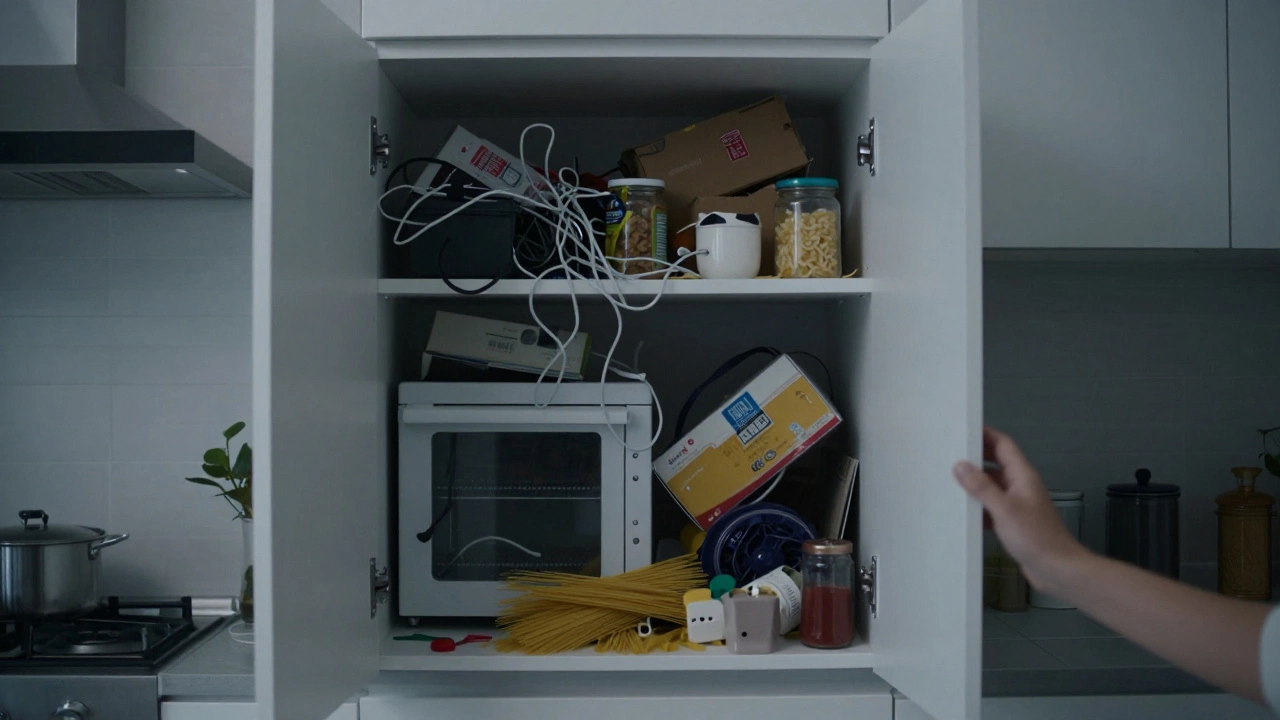
Ever stood in front of an open cupboard and felt that sudden wave of panic? You know the one. You need a spatula, but you can’t see it past three boxes of pasta, a jar of spices from 2019, and a mystery appliance you haven’t used since last Christmas. It’s frustrating, messy, and honestly, it makes cooking feel like work before you’ve even started.
Deciding where to put things in kitchen cabinets is a strategic process of organizing cookware and ingredients based on usage frequency and ergonomic reach isn’t just about making things look tidy. It’s about saving time, reducing stress, and actually enjoying your time in the kitchen. If you’ve ever bought expensive organizers only to shove them back into chaos within a week, the problem wasn’t the bins. It was the system.
The secret isn’t buying more stuff. It’s understanding how you move through your space. Let’s fix this for good.
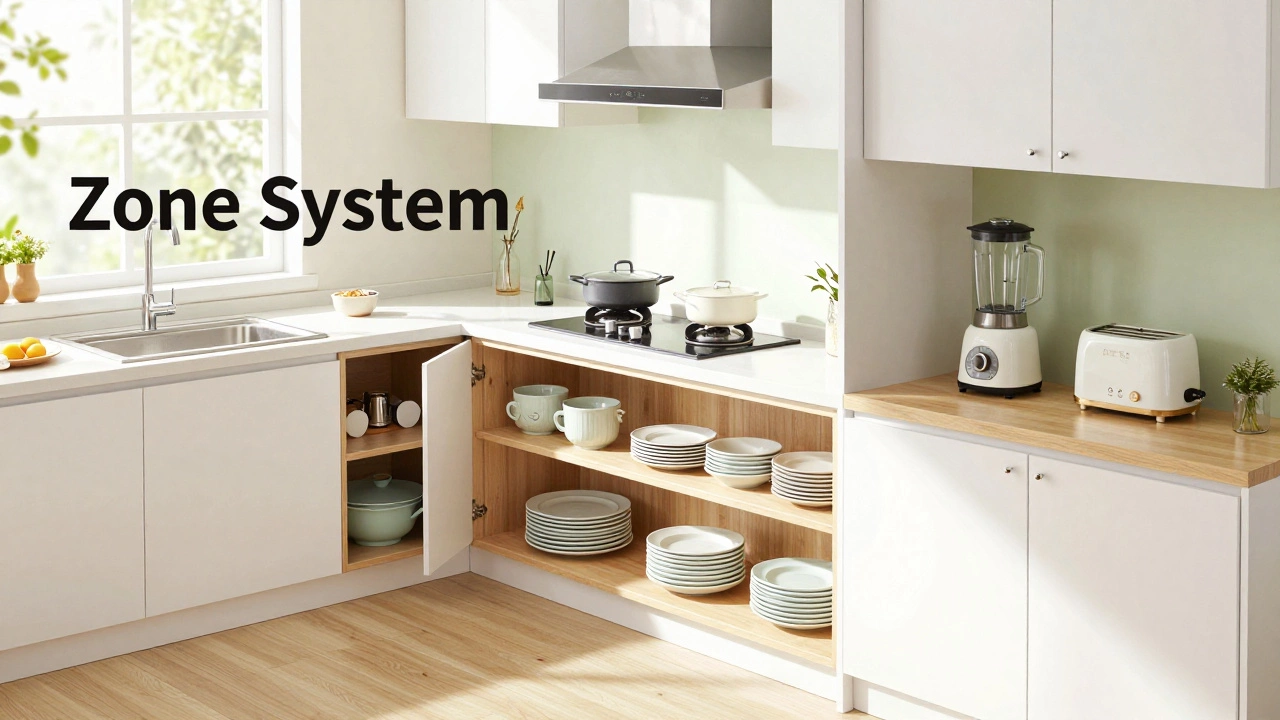
The Golden Rule: The Zone System
Before you pick up a single mug, you need to map out your kitchen into zones. This concept comes from professional ergonomics, but it’s simple enough for any home. Your kitchen isn’t one big room; it’s a series of workstations. Grouping items by their function creates a logical flow that stops you from zigzagging across the room every time you make toast.
| Zone Name | Primary Function | Items to Store Here |
|---|---|---|
| Dry Goods Zone | Storage of non-perishables | Rice, pasta, flour, sugar, canned goods, baking supplies |
| Cooking Zone | Preparation and heating | Pots, pans, lids, spatulas, mixing bowls, oil, salt, pepper |
| Dishware Zone | Serving and eating | Plates, bowls, glasses, cutlery, serving platters |
| Appliance Zone | Electric tools | Mixer, blender, toaster, coffee maker, electric kettle |
| Cleaning Zone | Washing and maintenance | Sponges, dish soap, trash bags, paper towels, recycling bin |
Once you identify these zones, keep items within their respective areas. Don’t store your dinner plates next to the stove. Don’t hide your everyday mugs in the cabinet above the fridge if you drink coffee at the counter. Keep what you use together, close together.
Vertical Hierarchy: The Reach Test
Now that you have zones, let’s talk about height. Not all cabinet space is created equal. Ergonomists divide vertical space into three tiers based on how much energy it takes to access them.
- The Prime Zone (Eye to Waist Level): This is your real estate goldmine. These shelves are easy to see into and easy to reach without stretching or crouching. Only your daily drivers belong here. Think: everyday plates, drinking glasses, the pots you use five times a week, and the spices you add to almost every meal. If you grab it more than once a day, it goes here.
- The Secondary Zone (Upper Shelves & Lower Drawers): This area requires a step stool or bending over. Use this space for weekly items. Guest mugs, holiday bakeware, bulk rice bags, and specialty appliances like your waffle iron fit perfectly here. You don’t mind the extra effort because you don’t need them every Tuesday night.
- The Archive Zone (Highest Shelves & Deep Bottoms): This is storage for annual or occasional items. Stockpile toilet paper, emergency food supplies, or that fondue set you only use when friends visit. If you can’t remember the last time you used it, it belongs here-or out of the house entirely.
A quick test: Stand in front of your cabinet. Can you comfortably reach the item without jumping, stretching, or crawling? If not, it’s in the wrong tier.
Mastering Deep Cabinets and Drawers
Deep cabinets are notorious black holes. You push things back, they disappear, and eventually, you buy duplicates because you think you lost the originals. The solution isn’t magic; it’s geometry.
Use shelf risers or stackable bins to create two levels in deep cabinets. This turns one inaccessible depth into two accessible ones. For drawers, dividers are non-negotiable. Without them, your utensils become a tangled mess. Invest in adjustable drawer organizers so you can customize the space for large ladles or small spoons. Group similar items together-keep all your knives in one block, all your measuring spoons in another compartment.
If you have pull-out shelves, take advantage of them. They bring the back of the cabinet to the front, eliminating the need to dig. If your current setup doesn’t have them, consider installing lazy Susans for corner cabinets. Corners are dead zones until you rotate them into view.
Spices and Small Items: The Visibility Factor
Spices are the hardest thing to organize because they’re small, numerous, and often hidden behind larger jars. When you can’t see what you have, you buy more. You end up with six types of paprika and no cinnamon.
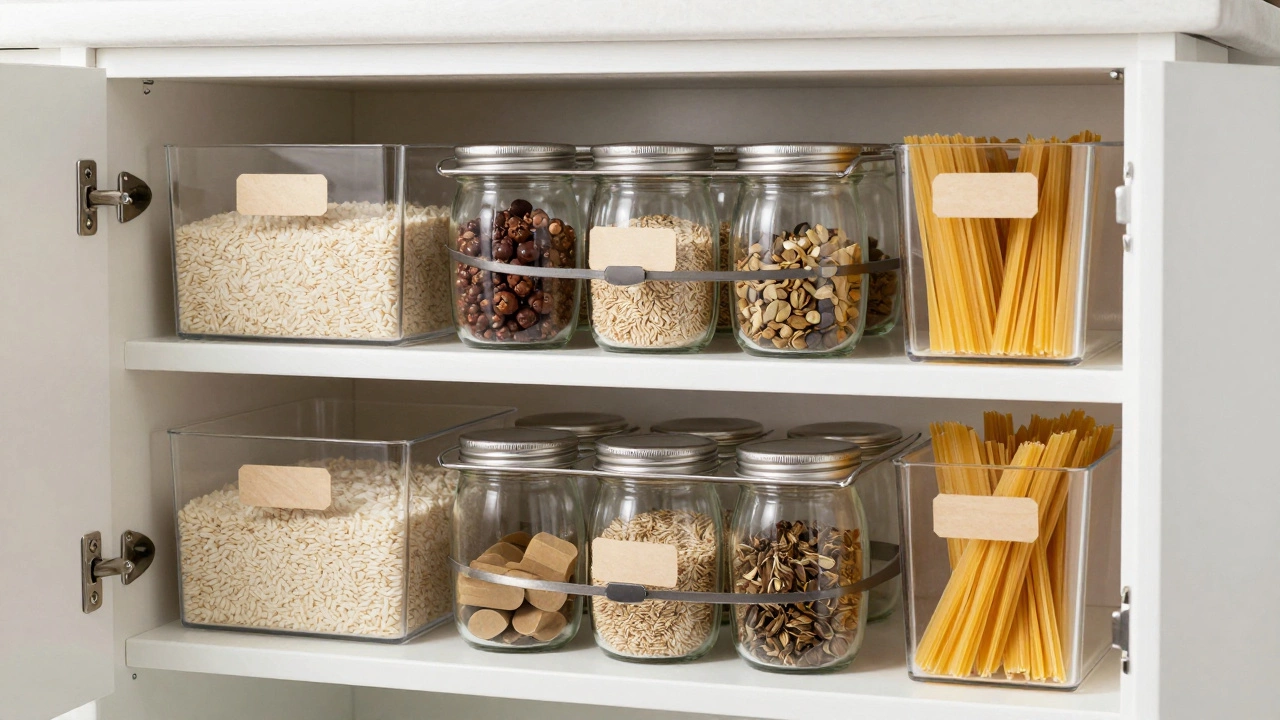
Move your spices to a rack inside the cabinet door or onto a turntable on the counter. Label everything clearly. Clear containers help too-if you can see the level of the spice, you know when to restock. For other small items like tea bags, coffee pods, or snack packets, use clear acrylic bins. Group them by category: breakfast items together, lunch items together. This visual clarity speeds up decision-making when you’re hungry and tired.
The Decluttering Phase: Be Ruthless
You can’t organize clutter. Before you place anything, you must remove what doesn’t belong. Go through every cabinet and ask yourself three questions:
- Do I use this?
- Does it work properly?
- Do I love using it?
If the answer to any of these is no, it goes. Broken lids, chipped mugs, duplicate gadgets, and expired condiments have no place in your kitchen. Donate usable items. Recycle the rest. This step might feel painful, but it frees up physical space and mental bandwidth. A lighter cabinet is easier to manage and less overwhelming to open.
Maintaining the System
Organization isn’t a one-time event. It’s a habit. The best system fails if you don’t maintain it. Adopt the "one-touch" rule: when you put something away after washing, put it back in its designated spot immediately. Don’t leave it on the counter "for now." "For now" becomes "forever."
Set a timer for ten minutes every Sunday. Walk through your zones. Tidy up spills, straighten labels, and check expiration dates. Small, frequent efforts prevent the big, daunting clean-outs that never happen. Involve everyone in the household. If kids help themselves to snacks, teach them where the bins are and how to return items. Shared responsibility keeps the chaos at bay.
Common Mistakes to Avoid
Many people fall into traps that undermine their efforts. Storing heavy items high up is dangerous and impractical. Keeping fragile glassware in low drawers risks breakage if the drawer slams. Ignoring workflow leads to constant crossing paths-for example, storing the cutting board far from the knife block.
Also, avoid over-buying organizers. Bins and racks are tools, not solutions. If you fill a pretty basket with junk, you still have junk. Buy organizers only after you’ve purged and planned. Measure your spaces first. Generic sizes rarely fit perfectly.
Finally, resist the urge to hide everything. Some items, like fruit bowls or decorative ceramics, are meant to be seen. Balance functionality with aesthetics. A kitchen should feel lived-in, not sterile.
What is the most important rule for kitchen cabinet organization?
The most important rule is grouping items by function and frequency of use. Store daily essentials in the prime zone (eye to waist level) and within their specific work zones, such as keeping cooking utensils near the stove.
How do I organize deep kitchen cabinets effectively?
Use shelf risers, stackable bins, or pull-out trays to create multiple accessible levels. This prevents items from getting lost in the back and ensures you can see and reach everything easily.
Where should I store spices for maximum visibility?
Store spices on a rack attached to the inside of a cabinet door or on a rotating turntable. Use clear containers with labels so you can see contents at a glance and avoid duplicates.
Should I buy organizers before decluttering?
No. Always declutter first. Remove broken, unused, or duplicate items before purchasing bins or racks. Buying organizers for clutter just creates organized messes and wastes money.
How often should I reorganize my kitchen cabinets?
Perform a quick tidy-up weekly, taking about ten minutes to straighten items and check expiration dates. Do a deeper review every few months or when seasons change to adjust for new habits or inventory needs.