
Dining Room Lighting & Rug Sizing Calculator
Enter Your Table Dimensions
We'll calculate the recommended fixture width and rug size.
Lighting Fixture Size
Pendant / Chandelier- Recommended Height: Hang 30-36 inches above the tabletop surface.
- Placement: Center the fixture directly over the middle of the table.
- Tip: For larger tables, consider a linear pendant or multiple smaller fixtures spaced evenly.
Area Rug Dimensions
Flooring Anchor- Clearance Rule: Extends at least 24 inches beyond all sides of the table.
- Function: Ensures chair legs remain on the rug when pulled out, preventing tripping.
- Style Note: Choose a pattern that complements but doesn't compete with your table setting.
Walking into a dining room that feels flat or dated is frustrating. You know it’s the heart of your home for gatherings, yet it often gets ignored in favor of the kitchen or living area. The good news? You don’t need a full renovation or a massive budget to change the vibe. A few strategic tweaks can turn a dull space into one you actually want to sit in. This guide breaks down practical ways to dining room makeover projects, focusing on high-impact changes that are easy to execute.
Quick Summary / Key Takeaways
- Swap out light fixtures for warm, layered lighting to instantly elevate the mood.
- Use textiles like runners and napkins to add color and texture without buying new furniture.
- Create a focal point with wall art or a statement mirror above the sideboard.
- Refresh existing furniture with paint, new legs, or upholstery instead of replacing it.
- Keep surfaces clear; clutter kills the aesthetic appeal of any dining space.
Lighting: The Most Underrated Upgrade
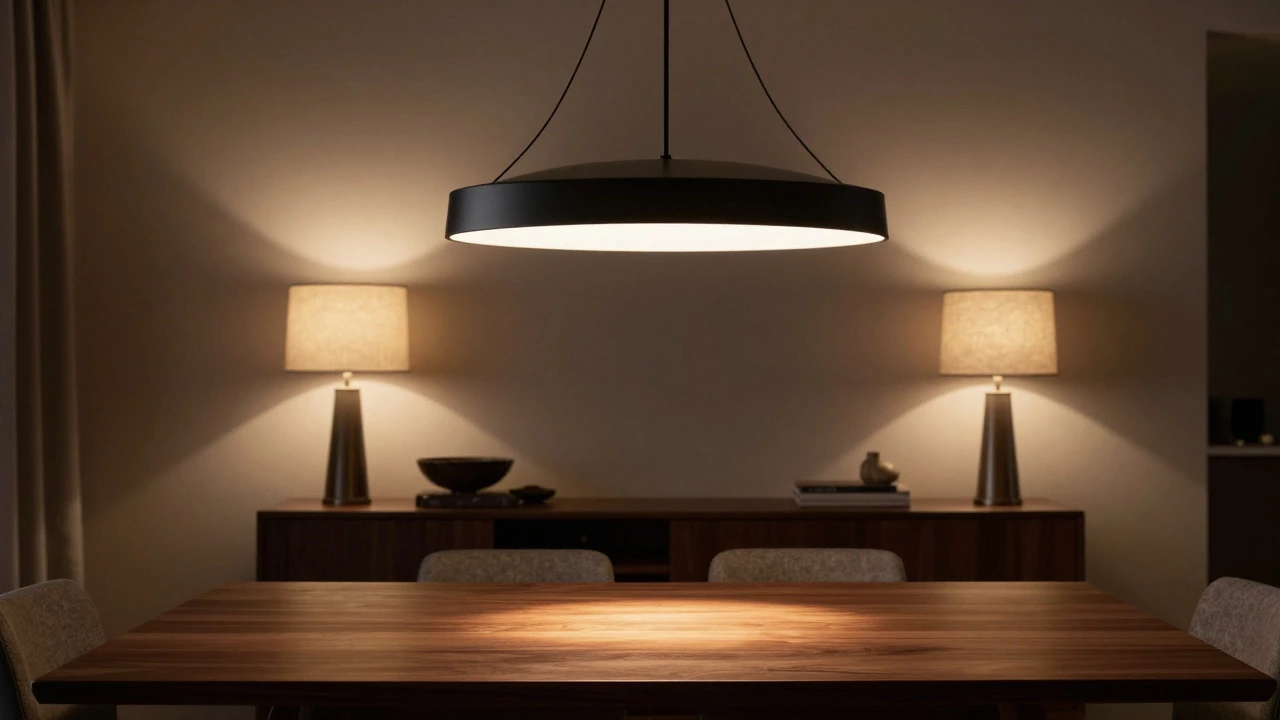
Most people overlook how much lighting defines a room's personality. If your dining room has a single, harsh ceiling fixture, it’s time to change it. Overhead lighting should be centered over the table, not the room. For a standard 6-foot table, a pendant light or chandelier that is 24 to 30 inches wide works best. It provides enough coverage without overwhelming the space.
Beyond the main fixture, consider adding ambient light. Table lamps on sideboards or buffet tables create soft pools of light that make the room feel cozy in the evening. Dimmers are also a game-changer. They allow you to adjust brightness based on whether you’re doing homework, hosting dinner, or just relaxing. If you can’t install dimmers, smart bulbs offer a similar effect at a lower cost.
| Room Size | Recommended Fixture Width | Ideal Height Above Table |
|---|---|---|
| Small (under 10x10 ft) | 18-22 inches | 30-36 inches |
| Medium (10x12 ft) | 24-30 inches | 30-36 inches |
| Large (over 12x14 ft) | 30+ inches or multiple pendants | 30-36 inches |
Walls: Creating a Focal Point
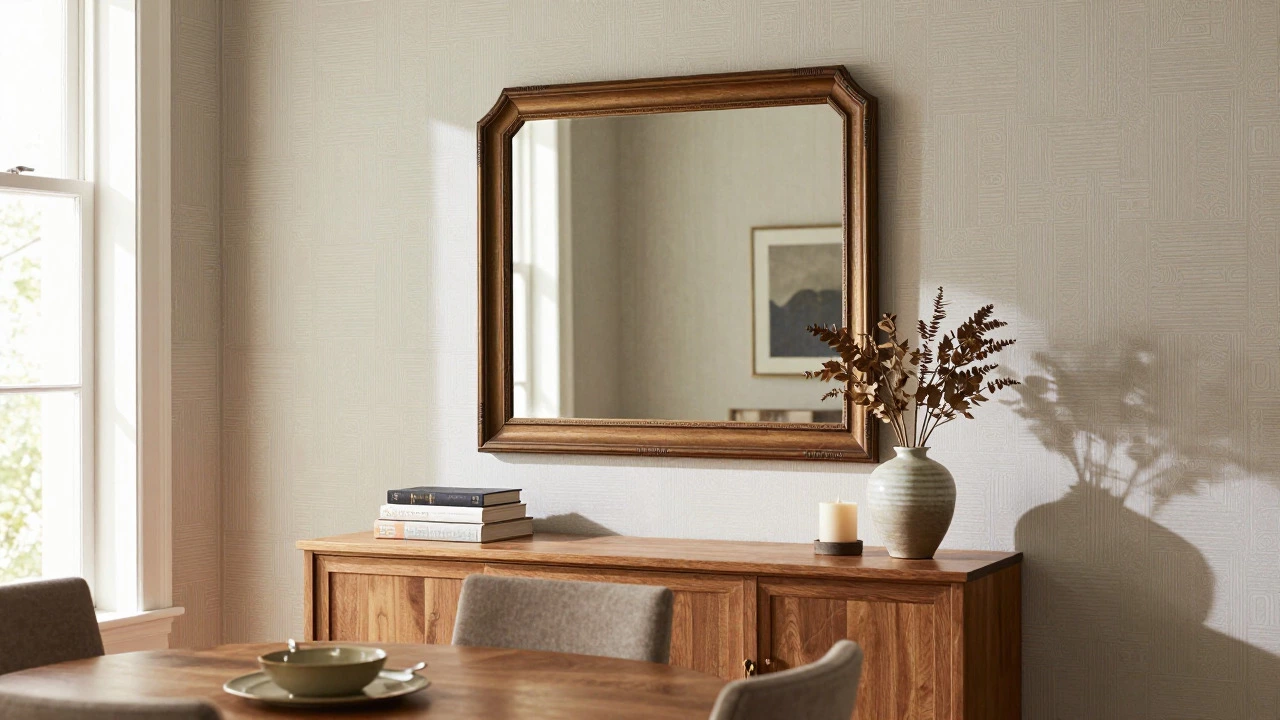
Empty walls make a dining room feel unfinished. You don’t need expensive artwork to fix this. A large mirror above a sideboard reflects light and makes the room feel bigger, which is perfect for smaller spaces. If you prefer art, choose pieces that relate to the room’s function. Food-themed prints, botanical illustrations, or abstract shapes in neutral tones work well. Avoid overly busy patterns that compete with the table setting.
If painting isn’t an option, wallpaper a single accent wall. Stripes or subtle geometric patterns add depth without being distracting. Alternatively, use floating shelves to display decorative objects like vases, books, or small plants. Keep the arrangement balanced but not symmetrical. Odd numbers of items usually look more natural than even ones.
Furniture Refreshes: Paint, Legs, and Upholstery
Replacing a dining table is expensive, but refreshing it is affordable. If your wooden table is scratched or worn, sanding it down and applying a fresh coat of paint or stain can transform it. Matte black or navy blue paints are popular choices because they go with almost any decor style. For chairs, changing the legs can update the look significantly. Slim, tapered metal legs give a modern edge, while chunky wooden legs lean toward rustic or farmhouse styles.
Upholstered chairs are another area where small changes make big differences. Reupholstering seat cushions in a durable fabric like linen or velvet adds comfort and visual interest. If reupholstering seems too costly, slipcovers are a great alternative. They protect the original fabric and can be changed seasonally. Just ensure the fit is snug so they don’t look sloppy.
Textiles: Adding Color and Texture
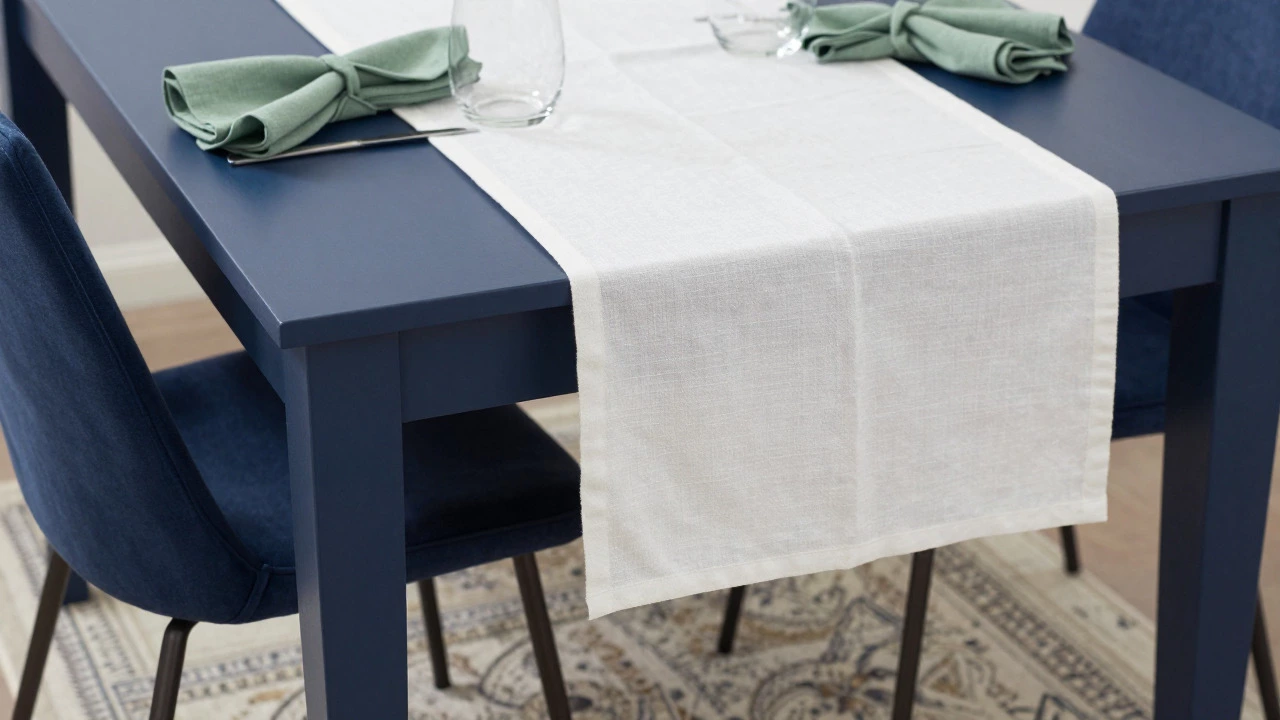
Textiles are the easiest way to inject personality into a dining room. A table runner doesn’t have to cover the entire table; a narrow strip down the center is enough to define the space. Choose fabrics that contrast with your table finish. A dark wood table pairs well with a light linen runner, while a white table looks striking with a bold patterned cloth.
Napkins are often overlooked, but they matter. Cloth napkins in coordinating colors tie the whole look together. Fold them neatly or place them inside glassware for a polished touch. Area rugs under the table anchor the space and define the dining zone, especially in open-plan layouts. Make sure the rug is large enough so all four chair legs rest on it when pushed out. This prevents tripping hazards and keeps the layout cohesive.
Decluttering and Styling Surfaces
A common mistake is treating the dining room as a catch-all for mail, keys, and random items. Clear off every surface except for intentional decor. On a sideboard, group items in threes: a stack of books, a vase with dried flowers, and a small candle. This creates visual rhythm without looking messy. Use baskets or trays to contain loose items like coasters or remote controls if the room doubles as a workspace.
Consider adding greenery. Plants bring life to any room and soften hard lines. Low-maintenance options like snake plants or pothos hang well in corners or on shelves. If natural light is limited, faux plants are a viable option. Just avoid plastic-looking leaves; opt for realistic silk varieties instead.
Common Mistakes to Avoid
- Mismatched scales: Don’t put a tiny pendant light over a large table. It will look lost. Ensure the fixture proportion matches the furniture size.
- Overcrowding walls: Too many pictures create visual noise. Stick to one large piece or a curated gallery of three to five frames.
- Ignoring traffic flow: Leave at least 36 inches of clearance around the table for comfortable movement. Cramped spaces feel stressful.
- Choosing fragile decor: Dining rooms see a lot of action. Avoid delicate ceramics or heavy glassware on high shelves where they might get knocked over.
Next Steps for Your Project
Start by assessing what you already have. Can you paint the table? Do you have a lamp that could serve as a sideboard accent? List your current items and identify gaps. Then, prioritize one major change first-usually lighting or a focal wall. Once that’s done, layer in textiles and accessories. This phased approach prevents overwhelm and allows you to spread costs over time. Remember, the goal is to create a space that feels inviting and functional, not just pretty. Your dining room should support both daily meals and special occasions.
What is the cheapest way to update a dining room?
The most budget-friendly updates include swapping out hardware on cabinets, adding a new table runner, and rearranging existing furniture. Painting a single wall or using removable wallpaper strips are also low-cost options that yield high visual impact.
How high should a chandelier hang over a dining table?
A chandelier or pendant light should hang 30 to 36 inches above the tabletop. This height ensures visibility across the table while providing adequate lighting without blocking sightlines.
Do I need a rug under my dining table?
Yes, a rug helps define the dining area and adds acoustic dampening. Ensure the rug extends at least 24 inches beyond the table edges so chair legs remain on the rug when pulled out.
What colors work best in a small dining room?
Light, neutral colors like white, beige, or pale gray make small spaces feel larger. Mirrors and reflective surfaces enhance the sense of openness. If you want color, use it in accents like cushions or artwork rather than walls.
Can I mix different chair styles in a dining set?
Yes, mixing styles is a popular trend. To keep it cohesive, maintain a consistent color palette or material theme. For example, pair wooden chairs with metal accents in the same finish. Avoid clashing patterns or drastically different heights.