
Interior Design Startup Cost Estimator
Select your desired business model to estimate initial capital requirements. This tool uses average Melbourne/Australian market rates as referenced in the article.
$0
Total One-Time Launch Costs (AUD)
| Category | Estimate |
|---|
So, you want to quit your 9-to-5 and start your own interior design business. It’s a dream many of us have shared while scrolling through Pinterest or watching renovation shows. But let’s be real for a second: passion doesn’t pay the rent. Before you hand in your notice, you need to know exactly how much cash it takes to get the lights on. The short answer? You can start lean for under $10,000 AUD, but a robust launch usually sits between $20,000 and $50,000. Why the huge gap? Because "starting a business" means different things to different people. Are you working from your kitchen table with just a laptop, or are you renting a studio and hiring staff?
The Reality Check: What Are You Actually Buying?
When we talk about startup costs, we aren't just talking about buying a fancy chair for your office. We’re talking about the infrastructure required to legally operate, deliver professional results, and survive until clients start paying consistently. In Australia, and specifically here in Melbourne where I live, the market is competitive. To stand out, you need more than good taste; you need professional-grade tools.
Let’s break this down into three tiers so you can see where you fit:
- The Bootstrapper ($5k - $10k): Home-based, used equipment, DIY marketing, no employees. You trade time for money.
- The Professional Starter ($15k - $30k): Co-working space or small office lease deposit, high-end software subscriptions, professional branding, insurance, and initial marketing spend.
- The Established Launch ($40k+): Dedicated retail or office space, full-time staff, vehicle lease, premium inventory samples, and significant advertising budget.
Essential Equipment and Software: The Non-Negotiables
You cannot run a modern design firm without a computer. This isn't just about writing emails; it’s about rendering spaces, managing budgets, and communicating with contractors. If you’re coming from a corporate job, you might already have a decent machine, but if not, budget for a powerful laptop. Rendering 3D models in software like SketchUp or Revit requires serious graphics processing power. Don't skimp here; a slow computer kills productivity.
Then there’s the software itself. Many new designers make the mistake of trying to use free trials for everything. That’s risky. You need reliability when a client is waiting for a quote. Here is a typical monthly breakdown for essential tech:
| Software Category | Popular Options | Estimated Monthly Cost (AUD) |
|---|---|---|
| Design & Drafting | AutoCAD, SketchUp Pro, Revit | $80 - $150 |
| Rendering | V-Ray, Lumion, Enscape | $50 - $100 |
| Project Management | Houzz Pro, Studio Designer, Asana | $30 - $80 |
| Accounting | Xero, QuickBooks | $30 - $60 |
| Total Monthly Tech Stack | $190 - $390 |
Notice that these are recurring costs. While they don't hit your bank account all at once during launch, you must factor them into your first-year runway. If you plan to buy perpetual licenses instead of subscriptions, expect to drop $2,000-$5,000 upfront for design software alone.
Legal, Insurance, and Compliance: Protecting Your Assets
In Australia, operating as a sole trader is the cheapest way to start. You register your Australian Business Number (ABN) for free through the Australian Business Register. However, most growing firms eventually move to a Pty Ltd structure for liability protection. Setting up a company involves registration fees with ASIC (around $500-$600) and potentially higher accounting fees.
Insurance is where many beginners stumble. You need Public Liability Insurance because if you accidentally knock over a client’s expensive vase or a contractor gets injured on your site, you are liable. Professional Indemnity Insurance covers you if a client claims your advice caused financial loss. Expect to pay between $1,000 and $2,500 annually for comprehensive coverage. Skipping this to save money is a gamble that could bankrupt you if one project goes wrong.
Marketing and Branding: Getting Seen
You could have the best eye for color in the country, but if nobody knows you exist, you won’t get hired. Budget for a professional logo and website. Do not try to DIY your brand identity unless you are a graphic designer. A cheap-looking website signals cheap work to potential clients.
A basic professional website build will cost between $2,000 and $5,000. This includes domain hosting, SSL certificates, and a portfolio gallery. Beyond the initial build, you need ongoing marketing. This might mean running targeted Instagram ads, sponsoring local home shows, or attending networking events. Allocate at least $500 per month for marketing activities in your first year. Consistency matters more than volume here.
Office Space vs. Home Office: The Overhead Debate
Do you really need an office? For many solo designers, the answer is no. Working from home saves thousands in rent and utilities. However, meeting clients in your living room can feel unprofessional. A middle-ground solution is a co-working space. In Melbourne, hot-desking memberships range from $200 to $400 per month. This gives you a professional address, meeting rooms, and networking opportunities without the burden of a long-term commercial lease.
If you decide to lease a physical studio, remember that landlords often require three months’ rent upfront plus a bond. In prime suburbs like Richmond or Fitzroy, a small studio could cost $2,500+ per month. Suddenly, your startup costs jump by nearly $10,000 just to secure the keys. Weigh this against the value of having a dedicated showroom for fabric samples and material libraries.
Inventory and Samples: The Hidden Costs
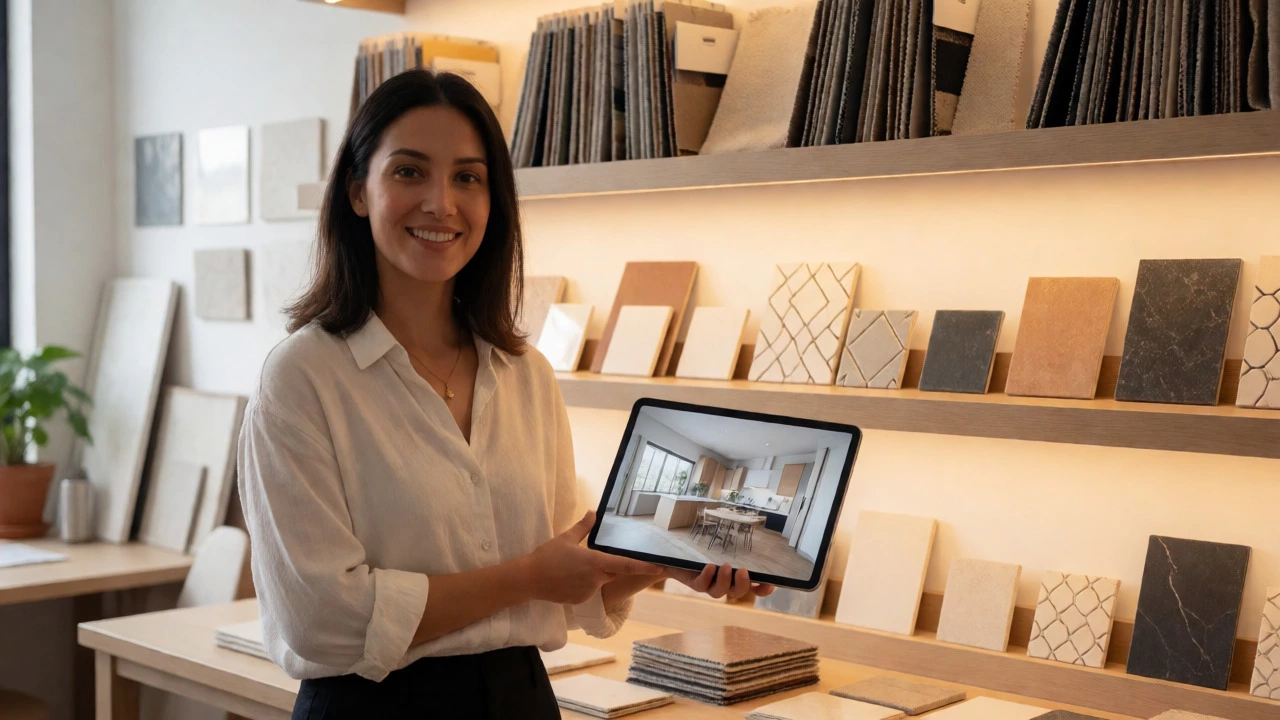
Clients love to touch fabrics and see tile finishes. Building a sample library is expensive. You don’t need every product available, but you do need curated selections of popular tiles, paints, woods, and textiles. Expect to spend $2,000-$5,000 initially on sample kits. Suppliers often offer trade discounts, which can help offset this cost, but you still need the cash flow to buy them before you sell them.
Also, consider travel costs. If you’re driving to sites across the city, fuel and vehicle maintenance add up. If you don’t have a reliable car, budget for leasing a small van or car, which could cost $400-$700 per month depending on the term and mileage.
How Much Cash Should You Have in Reserve?
This is the part most guides skip. Startup costs cover getting started. Operating costs keep you alive. In the first six months, you might only land two or three projects. If those payments are delayed-and they often are-you need a buffer. A general rule of thumb is to have three to six months of personal living expenses saved separately from your business capital. If your personal burn rate is $4,000 a month, you need $12,000-$24,000 in savings just to keep eating while you build your client base.
Strategies to Lower Your Initial Spend
Not everyone has $50,000 lying around. Here is how smart designers launch with less:
- Niche Down Early: Instead of being a generalist who needs a massive portfolio, specialize in something specific like "small apartment renovations." This reduces the variety of samples you need to stock.
- Barter Services: Offer your design skills to a web developer in exchange for a website. Trade social media management for accounting services. This keeps cash in your pocket.
- Start with Freelance Work: Take on sub-contracting jobs for established firms. This builds your portfolio and reputation without the overhead of finding your own clients immediately.
- Digital First: Use digital mood boards and virtual staging instead of printing large-format plans for every initial pitch. Print only what is necessary for final presentations.
Frequently Asked Questions
Can I start an interior design business with no money?
Technically, yes, but it's difficult. You can start as a sole trader with an existing laptop and phone, using free social media platforms for marketing. However, you will likely struggle without a small budget for insurance, basic software, and perhaps a few hundred dollars for a simple website builder. Most successful low-budget starts rely heavily on prior experience and an existing network of contacts to generate immediate revenue.
Do I need a degree to start an interior design business?
No, you do not strictly need a formal degree to open a business. There is no legal requirement for a license to practice interior design in most parts of Australia, unlike architecture. However, a degree or diploma significantly boosts credibility, helps with complex technical projects, and allows you to charge higher fees. Clients often trust certified professionals more, especially for structural changes or high-value properties.
What is the biggest unexpected cost when starting out?
Cash flow gaps are the biggest surprise. New designers often underestimate how long it takes to get paid. You might complete a project in four weeks but wait 60 days for payment due to client approvals or supplier delays. Additionally, software updates and hardware replacements happen more frequently than anticipated. Always budget for emergency repairs and unexpected subscription hikes.
Should I hire staff immediately?
Rarely. Hiring staff adds significant fixed costs including superannuation, payroll tax, and workers' compensation. Start by outsourcing non-core tasks like bookkeeping or administrative work to freelancers. Only hire an employee when you have consistent overflow work that exceeds your capacity by at least 20-30%. Keeping labor costs variable protects your margins during slow periods.
How long does it take to become profitable?
Most service-based businesses aim to break even within 12 to 18 months. If you keep overheads low and secure repeat clients quickly, you might reach profitability in six months. However, if you invest heavily in marketing and office space early on, it may take two years to recoup your initial investment. Tracking your net profit weekly is crucial to adjusting your strategy before debt accumulates.