
Interior Design Decision Calculator
DIY Recommended
Based on your inputs...
Est. Designer Fee
$0Typical range for this scope
Potential Trade Savings
$0Net savings via discounts
Time Cost of DIY
$0Value of hours spent
Enter your project details to see if you should hire a pro or roll up your sleeves.
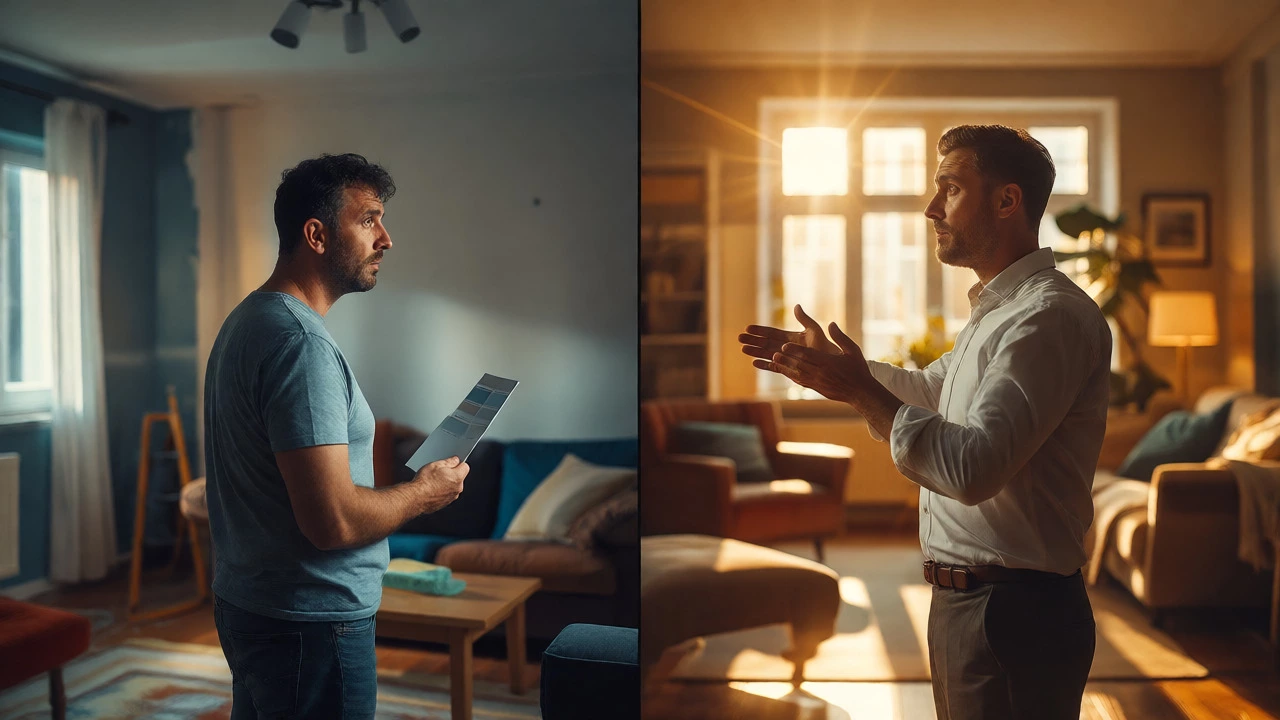
You stare at the blank wall in your living room, paint swatch in hand, wondering if you should call a pro or just trust your gut. It’s a classic dilemma. The internet is flooded with stunning before-and-afters from homeowners who turned their spare bedrooms into masterpieces on a shoestring. But then there are those horror stories where a "simple" kitchen refresh ended up costing three times the budget because of plumbing surprises.
So, is it better to hire an interior designer or do it yourself? The honest answer isn't about which one produces prettier rooms. It's about risk management, time valuation, and project scope. If you’re renovating a heritage-listed terrace in Melbourne or flipping a modern apartment, the stakes change. Let’s break down exactly when you need a pro and when you can safely handle it solo.
The Real Cost of Hiring a Professional
Many people assume hiring a designer is a luxury reserved for celebrities or ultra-wealthy individuals. In reality, the cost structure varies wildly depending on the service level. You aren't always paying for a full-service build; sometimes you're paying for an hour of expertise that saves you $5,000 in mistakes.
Designers typically charge in one of four ways:
- Hourly Rate: Usually between $150 and $300 AUD per hour. This works best for quick consultations, such as choosing paint colors or rearranging furniture layouts.
- Flat Fee: A set price for a specific deliverable, like a floor plan or a mood board. This is great for clarity but offers little flexibility if you change your mind mid-project.
- Percentage of Project Cost: Commonly 10% to 20% of the total construction or furnishing spend. This aligns the designer’s incentive with your budget, but can feel expensive if you’re buying high-end custom pieces.
- Cost Plus: The designer buys items at trade prices (often 20-40% off retail) and marks them up. You pay less than retail, but the markup pays for their sourcing labor.
Here’s the kicker: designers often save you money through trade discounts. If they source a sofa for $2,000 that retails for $3,000, and their fee is $500, you’ve still saved $500 net while getting expert placement. However, this only works if you actually use their purchasing power. If you buy everything yourself, you lose that advantage.
When DIY Is Actually Smarter
Doing it yourself gives you total control over every detail, from the grout color to the curtain tie-back style. For many projects, this autonomy is worth more than any professional polish. But DIY requires a specific skillset: patience, research ability, and a tolerance for frustration.
You should consider going solo if:
- The Scope is Cosmetic: Painting, swapping light fixtures, adding rugs, or hanging art rarely require structural engineering knowledge. YouTube tutorials cover these tasks extensively.
- Budget is Tight: Labor costs are the biggest expense in renovations. By acting as your own project manager, you eliminate the overhead fees associated with hiring contractors directly.
- Time is Not Critical: Professionals have networks of reliable tradespeople. As a DIYer, you might wait weeks for a plumber or electrician to become available. If you can tolerate delays, you can save significant cash.
- You Enjoy the Process: Some people find joy in hunting for vintage chairs or mixing patterns. If the process itself is rewarding, outsourcing it feels like cheating.
However, beware of the "Dunning-Kruger effect" in home improvement. We tend to overestimate our competence in complex areas like lighting plans or spatial flow. A poorly lit kitchen looks cheap regardless of how expensive the cabinets are. That’s where professional insight shines.
Where Interior Designers Add Unseen Value
A good designer doesn’t just pick pretty things. They solve problems you didn’t know existed. Think of them as architects of lifestyle. They analyze how you move through your space, where you store your shoes, and how much natural light hits your breakfast nook at 7 AM.
Consider the concept of spatial planning. Most homeowners place furniture against the walls, leaving a dead zone in the center of the room. A designer might pull the sofa forward to create a conversation area, instantly making a small living room feel larger. This isn’t magic; it’s training in ergonomics and visual balance.
They also manage vendor relationships. Have you ever tried to coordinate a tiler, a painter, and a cabinet installer? One shows up late, another uses the wrong adhesive, and suddenly your timeline slips by two months. Designers act as a buffer. They speak the language of tradespeople, understand building codes, and know which suppliers deliver on time. In Australia, compliance with local council regulations is non-negotiable. A designer ensures your changes don’t violate zoning laws, saving you from costly fines or forced reversals.
Comparing Outcomes: Designer vs. DIY
To help you decide, let’s look at typical scenarios. This table outlines the likely outcomes based on project type and your personal constraints.
| Project Type | DIY Suitability | Designer Value | Risk Factor |
|---|---|---|---|
| Furniture Rearrangement | High | Low (unless layout is flawed) | Low |
| Paint & Decor Refresh | High | Medium (color matching advice) | Low |
| Kitchen/Bathroom Renovation | Low | High (technical specs, layout) | High |
| Full Home Fit-Out | Very Low | Very High (cohesion, scale) | Very High |
| Small Apartment Optimization | Medium | High (space-saving tricks) | Medium |
Notice the trend? As complexity increases, so does the value of professional intervention. Structural changes, electrical rewiring, and custom joinery are not places to experiment. Mistakes here are expensive to fix. Conversely, swapping cushions or repainting a hallway is low-risk territory where your instincts are usually sufficient.
The Hybrid Approach: Best of Both Worlds
You don’t have to choose all-or-nothing. Many successful projects use a hybrid model. You hire a designer for the "hard" decisions and execute the "soft" ones yourself.
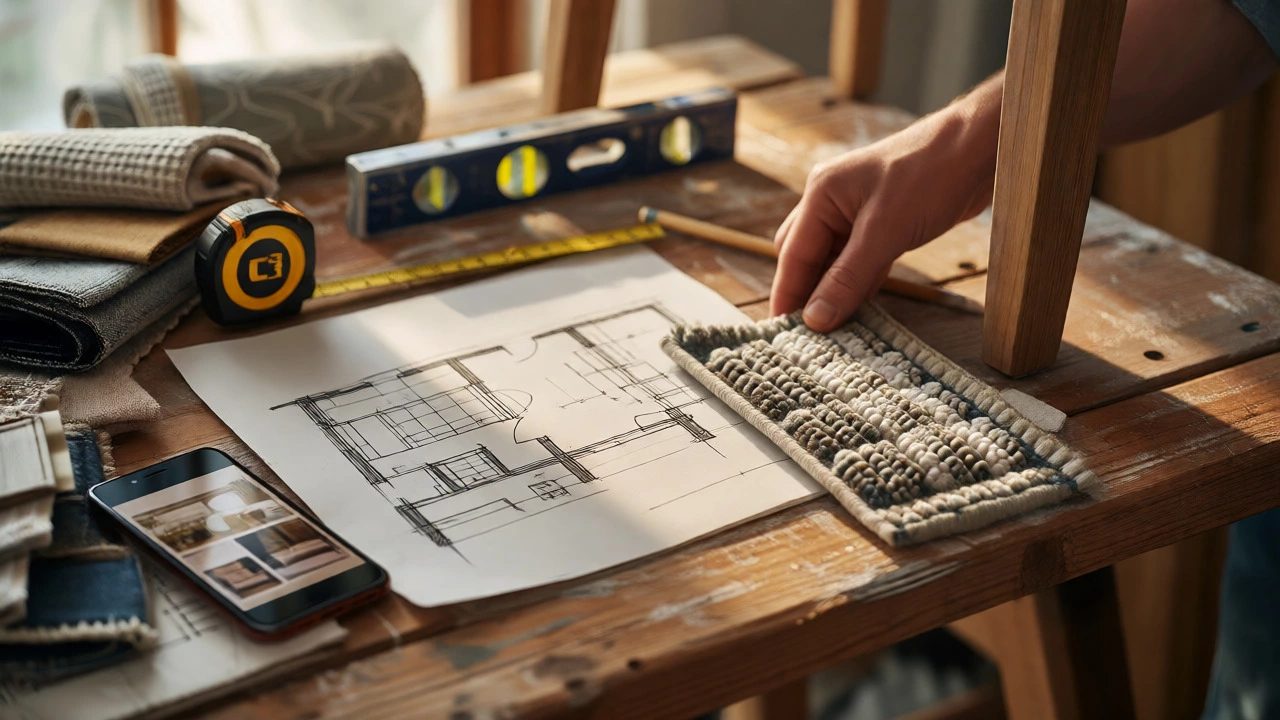
For example, pay a designer to create a detailed floor plan and shopping list. They specify the exact dimensions for the rug, the wattage for the lamps, and the fabric durability rating for the sofa. Then, you go out and buy the items. You hang the curtains, assemble the flat-pack shelving, and install the hardware. This cuts labor costs by half while ensuring the foundational design logic is sound.
Another popular option is a "design consultation." You book a two-hour site visit. The designer walks through your space, takes photos, and provides verbal recommendations. Later, they send a brief email summary. This costs significantly less than a full project but prevents major missteps. It’s perfect for people who want guidance but enjoy the execution phase.
How to Vet a Designer Before Signing
If you decide to hire help, don’t just pick the first person with an Instagram account. Look for evidence of problem-solving, not just pretty pictures. Ask potential candidates:
- "Can you show me a project where you had to work within a strict budget constraint?" (Look for resourcefulness.)
- "How do you handle disagreements between client taste and functional needs?" (Look for communication skills.)
- "Do you have experience with my specific property type?" (Heritage homes in Melbourne, for instance, have different requirements than new builds in Sydney.)
Check their portfolio for diversity. If every room looks identical-white walls, grey sofas, gold accents-they may lack versatility. A good designer adapts to your life, not their brand.
Final Thoughts on Your Decision
Hiring an interior designer is an investment in quality, efficiency, and peace of mind. Doing it yourself is an investment in creativity, savings, and personal satisfaction. Neither path is objectively "better." It depends entirely on your resources and priorities.
If you value your time highly and fear costly errors, hire a pro. If you have free weekends and love the hunt for unique pieces, DIY is rewarding. And if you’re stuck in the middle, try the hybrid approach. Start small. Maybe hire a designer for your kitchen layout but tackle the bedroom decor yourself. See how it feels. Adjust as you go. Your home should reflect who you are, whether that’s curated by a professional or crafted by your own hands.
Is hiring an interior designer really worth the cost?
Yes, if the project involves structural changes, complex layouts, or tight timelines. Designers prevent expensive mistakes and often secure trade discounts that offset their fees. For simple cosmetic updates, however, DIY is usually more cost-effective.
What questions should I ask before hiring a designer?
Ask about their fee structure (hourly vs. percentage), their experience with your specific property type, and how they manage contractor schedules. Request references from past clients who had similar budgets to yours.
Can I use a designer just for one room?
Absolutely. Many designers offer single-room packages or hourly consultations. This is ideal for focusing on high-impact areas like the living room or master bedroom without committing to a whole-home redesign.
How do I ensure my designer understands my style?
Create a Pinterest board or mood collage before your initial meeting. Be specific about what you dislike as well as what you like. Provide examples of textures, colors, and atmospheres that resonate with you to bridge the gap between words and visuals.
Does DIY devalue my home compared to professional design?
Not necessarily. Well-executed DIY projects add value. Poorly executed ones detract from it. Buyers care more about functionality, cleanliness, and neutral appeal than whether a professional did the work. Focus on quality finishes and coherent layouts.