
Modern Dining Room Design Planner
Your Space Details
Personalization Options
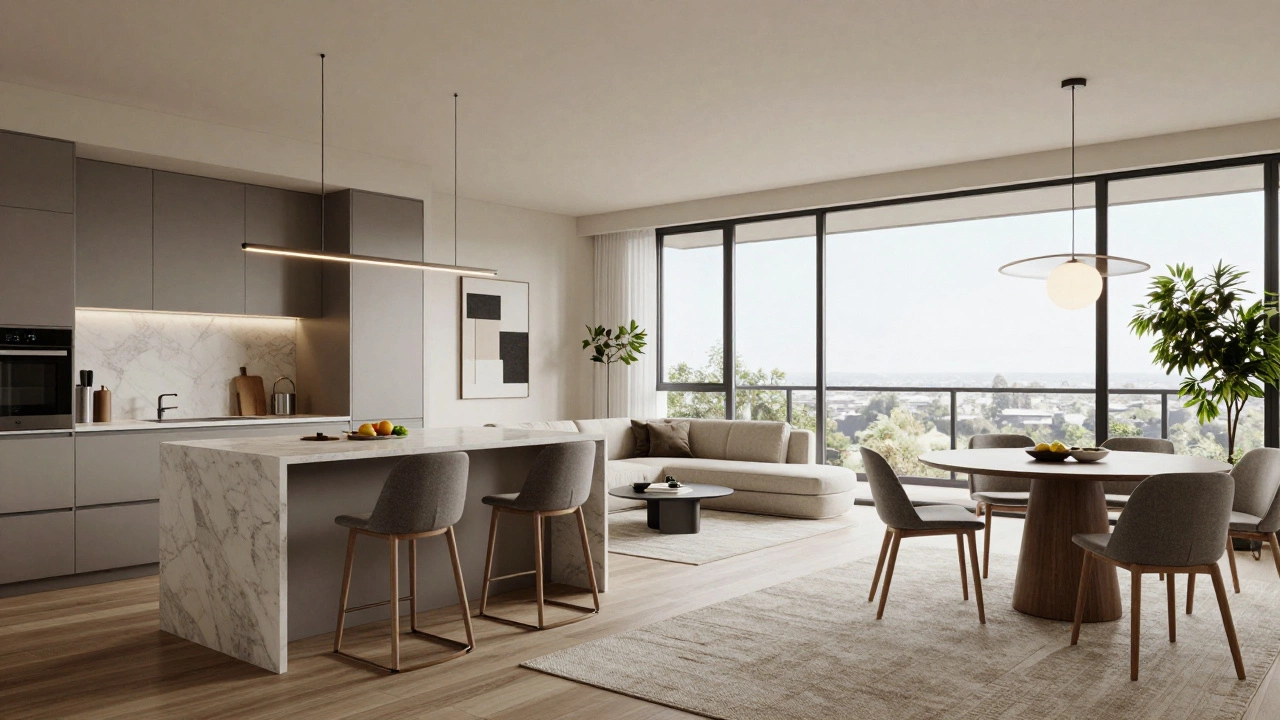
Walk into most new apartments or renovated homes in Melbourne today, and you’ll notice something missing. There’s no separate room with a big table, heavy chairs, and a chandelier that only gets used for Christmas dinner. Instead, you find an island bench attached to the kitchen, surrounded by bar stools. It’s efficient. It’s modern. But it also leaves many of us wondering: is having a dedicated dining room actually old-fashioned?
The short answer is no. The long answer is that the definition of what a dining room *is* has changed completely. We aren’t talking about stiff, formal spaces where you eat roast beef in silence. We’re talking about flexible, social hubs that serve multiple purposes. In fact, as remote work becomes permanent for many and housing prices force us to maximize every square meter, the traditional dining room is evolving rather than disappearing.
The Shift from Formal to Functional
To understand why people think dining rooms are outdated, we have to look at how we live now. Twenty years ago, the "formal dining room" was a status symbol. It was a place reserved for special occasions. If you hosted a casual Tuesday night pizza party, you did it in the kitchen or the lounge. That rigidity made the room feel useless for 95% of the year. Why pay rent on a room that sits empty?
Today, the trend has swung back toward utility. A modern dining area doesn’t just hold meals; it holds life. For many families, this space is where homework happens, where video calls take place during hybrid work weeks, and where board games are played on weekends. This shift aligns with the broader movement toward multi-functional interior design, which prioritizes spaces that adapt to daily needs rather than single-use ceremonial areas.
However, calling it "old-fashioned" misses the point. People still crave separation. The noise of the dishwasher, the smell of frying onions, and the visual clutter of kitchen prep can be overwhelming when trying to enjoy a meal or focus on work. A distinct dining zone-even if it’s not a fully enclosed room-provides psychological relief from the chaos of the kitchen.
Open Plan Living vs. Defined Zones
The biggest enemy of the traditional dining room isn’t laziness; it’s architecture. Since the early 2000s, open-plan living has dominated residential construction in Australia and globally. Developers love it because it makes small spaces feel larger and allows light to flow through the home. Homeowners love it because they can keep an eye on kids while cooking.
But open plans come with trade-offs. Without walls, sound travels everywhere. If someone is watching TV loudly in the lounge, it’s hard to have a quiet conversation over dinner. This is where the concept of the "roomless dining room" comes in. You don’t need four walls to define a space. You can use:
- Furniture placement: Positioning a sofa back-to-back with the dining table creates a natural barrier.
- Rugs: A large area rug under the dining set visually anchors the space and separates it from the kitchen flooring.
- Lighting: A pendant light or chandelier directly over the table signals that this is a distinct zone, different from the task lighting in the kitchen.
- Color or texture: Painting the dining wall a different color or using textured wallpaper can create a sense of enclosure without blocking light.
This approach proves that you can have the benefits of a dining room-privacy, focus, and style-without the drawbacks of a closed-off box.
The Rise of the Hybrid Workspace
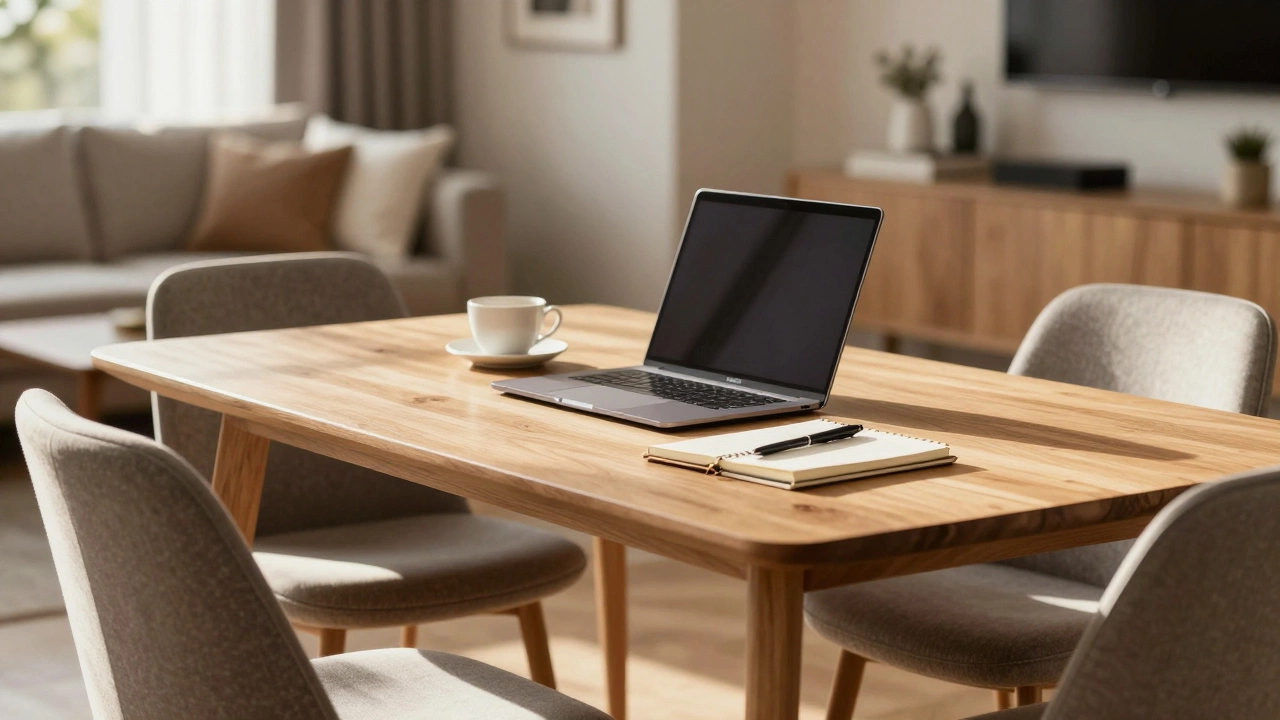
If there’s one thing that has saved the dining table from extinction, it’s the laptop. During the pandemic, millions of people discovered that their coffee tables were terrible desks. The dining table, with its proper height and ample surface area, became the default office for remote workers.
In 2026, this hasn’t gone away. Many professionals work remotely two or three days a week. They need a dedicated spot that feels professional enough for Zoom calls but comfortable enough for deep work. A dining room offers this balance. Unlike the kitchen island, which is often cramped and noisy, a dining table provides elbow room and a cleaner background for video conferences.
This dual purpose makes the investment in good dining room furniture much more justifiable. You’re not just buying a place to eat; you’re buying a workspace. This means durability and ergonomics matter more than ever. Chairs need to be comfortable for sitting for hours, not just for twenty-minute meals. Tables need to be sturdy enough to support monitors and paperwork.
Social Dynamics and Mental Health
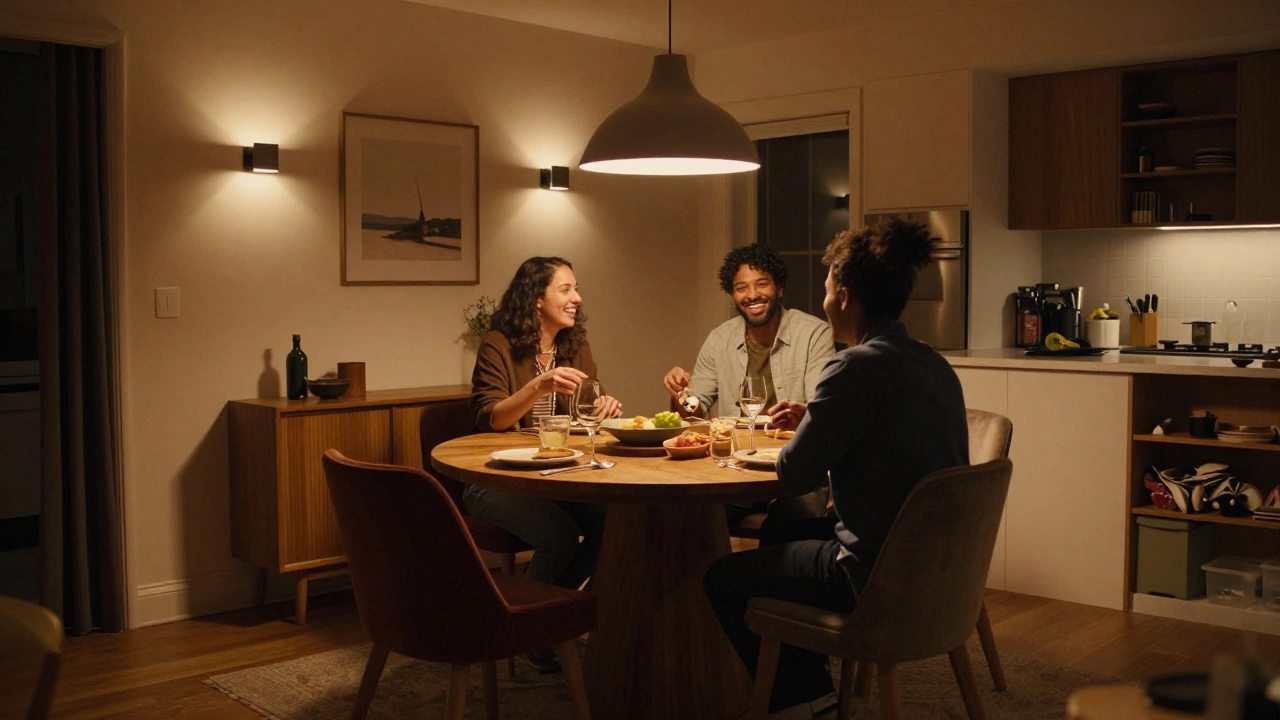
Beyond work and efficiency, there’s a human element to consider. Eating together is one of the few remaining rituals that brings families and friends together regularly. Studies consistently show that shared meals improve mental health, reduce stress, and strengthen relationships. However, these benefits diminish if the eating experience is rushed or distracted.
When you eat at a kitchen counter, you’re often standing up, leaning against cabinets, or cleaning up simultaneously. It’s functional, but it’s rarely relaxing. A designated dining space encourages you to slow down. It signals that it’s time to disconnect from screens (unless working) and connect with each other. This psychological cue is powerful. It transforms eating from a biological necessity into a social event.
For those who entertain frequently, this distinction is even more important. Hosting guests in a kitchen-only setup can feel chaotic. Having a separate area where guests can sit comfortably while the host finishes cooking reduces pressure and improves the hospitality experience.
Design Trends for 2026
If you decide to embrace the dining room, how should you design it? The trends for 2026 lean heavily toward warmth, sustainability, and flexibility. Here are some key directions:
| Element | Traditional Approach | Modern 2026 Trend |
|---|---|---|
| Table Material | Heavy solid wood, dark stains | Light woods, stone composites, recycled materials |
| Chair Style | Matching sets, high backs | Mixed styles, upholstered seats for comfort |
| Lighting | Grand crystal chandeliers | Clustered pendants, adjustable dimmers |
| Layout | Closed off, formal | Open but defined, integrated with living areas |
One major trend is the use of mixed chairs. Instead of buying eight identical chairs, designers are pairing two accent chairs with six simpler ones. This adds visual interest and breaks the formality. Another trend is incorporating storage. Sideboards or buffets are making a comeback, not for displaying china, but for hiding clutter like mail, tech cables, and serving dishes. This keeps the space looking tidy and calm.
Lighting is also crucial. Harsh overhead lights kill the mood. Layered lighting, including dimmable pendants over the table and sconces on the walls, creates ambiance. This allows the same space to feel bright and energetic for morning breakfasts and cozy and intimate for evening dinners.
Small Space Solutions
Not everyone has the luxury of a large floor plan. In cities like Melbourne, Sydney, and London, space is at a premium. Does that mean you give up on a dining room? Not necessarily. You just get creative.
Consider a drop-leaf table or a folding table that can be tucked against a wall when not in use. These allow you to reclaim floor space for yoga, play, or relaxation during the day. When guests arrive, you unfold the table and transform the room. Another option is a round table. Round tables take up less visual space than rectangular ones and encourage better conversation since everyone faces each other equally. They also fit better in tight corners.
For ultra-small apartments, a banquette seating arrangement along a window can save space. Bench seating fits more people than individual chairs and can often include hidden storage underneath. This turns a dead corner into a functional dining nook.
Conclusion: It’s About Intent, Not Walls
So, is it old-fashioned to have a dining room? Only if you cling to the idea that it must be a formal, unused museum piece. If you view it as a flexible, central hub for connection, work, and creativity, then it’s more relevant than ever. The goal isn’t to replicate your grandmother’s house. It’s to create a space that supports how you actually live today.
Whether you have a dedicated room or a defined zone in an open plan, investing in a thoughtful dining setup pays off. It improves your daily routine, enhances your social life, and adds value to your home. Don’t let the trend of open kitchens convince you that gathering around a table is obsolete. It’s not. It’s just evolved.
Do I need a separate room for a dining area?
No, you do not need four walls to have a dining area. In open-plan homes, you can define a dining zone using rugs, lighting, furniture placement, or even a change in ceiling treatment. The key is creating a visual and psychological separation from the kitchen and living areas.
What is the best size table for a small dining space?
For small spaces, a round table with a diameter of 36 to 48 inches is ideal. It seats four people comfortably and takes up less floor space than a rectangular table. Alternatively, a drop-leaf table allows you to adjust the size based on whether you’re eating alone or hosting guests.
Can a dining table replace a home office desk?
Yes, many people use their dining table as a primary workspace. To make this work effectively, ensure you have ergonomic chairs and adequate lighting. Consider adding a monitor arm or laptop stand to maintain good posture. Just be mindful of keeping work clutter contained so the space remains inviting for meals.
How do I make a dining area feel cozy in an open plan?
Use layered lighting, such as pendant lights over the table and floor lamps nearby. Add a large area rug to anchor the space and provide softness. Incorporate personal touches like artwork, plants, or a sideboard with decorative items to create a distinct identity for the dining zone.
Are formal dining rooms worth the investment?
If you entertain frequently or value having a quiet retreat from the rest of the house, yes. Even if it’s not used daily, a well-designed dining space adds resale value and provides a dedicated area for special occasions. However, prioritize versatility so it doesn’t sit empty year-round.