
Home Design Need Assessment
Answer these quick questions to understand if you need professional interior design help for your project.
When you scroll through Instagram or binge-watch home renovation shows, it’s easy to feel like interior design is everywhere. But then you hear someone say, interior design is declining. Are they right? Or is this just another wave of fear that comes with change?
The truth isn’t black and white. Interior design as a profession isn’t disappearing-it’s transforming. And if you think it’s fading, you’re probably looking at the wrong metrics.
What’s Changing, Not Disappearing
Back in the 2010s, interior design felt like a gold rush. Everyone wanted a Pinterest-perfect living room. Designers were booked months in advance. High-end clients paid $20,000 just for a mood board. But that era didn’t vanish-it evolved.
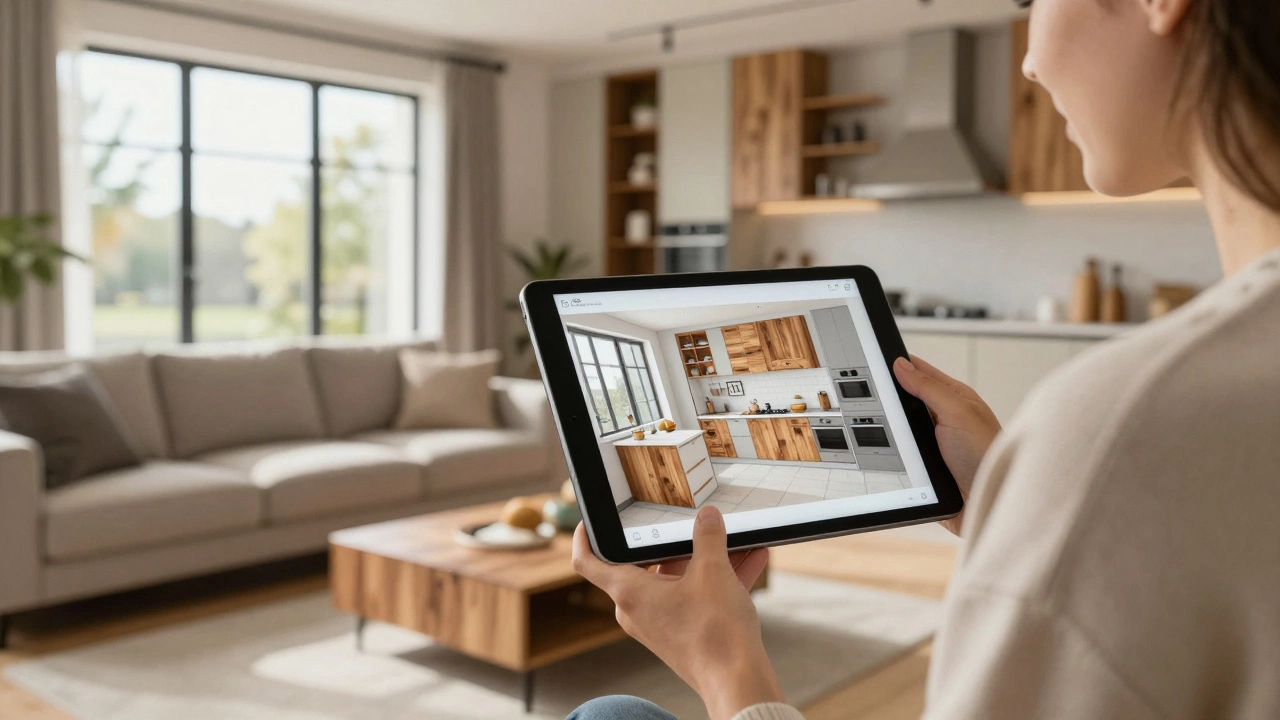
Today, you don’t need to hire a full-service designer to get a great-looking space. Apps like Havenly, Modsy, and even TikTok tutorials let people customize their homes with DIY guides and virtual consultations. That’s not a decline. It’s democratization.
What’s really shifting is who’s doing the work and how they’re paid. The old model-hourly rates, in-home consultations, custom furniture sourcing-isn’t gone. But it’s now one path among many.
The Rise of the Hybrid Designer
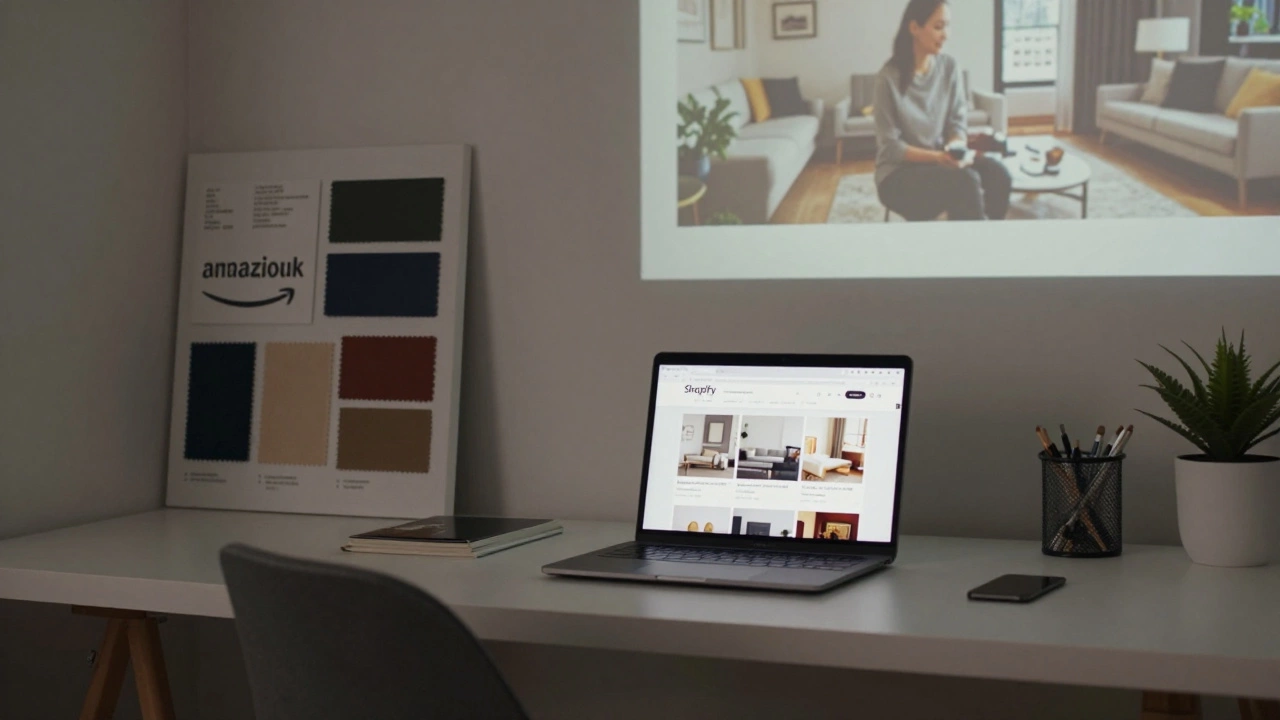
Five years ago, most interior designers worked alone or in small studios. Now, many are part of hybrid businesses. They partner with architects, contractors, or e-commerce brands. Some design online-only packages. Others sell curated product bundles through their own Shopify stores.
In Melbourne, a designer I know started offering $299 digital mood boards with Amazon links. She didn’t lose clients-she gained 300 new ones in six months. Why? Because people don’t want to pay $150/hour to pick a sofa color. They want to know which one actually works in their light, their layout, their budget.
This isn’t a sign of decline. It’s adaptation.
The Data Doesn’t Lie
Let’s look at numbers. According to the International Interior Design Association’s 2025 report, the global interior design market grew by 8.7% last year. That’s faster than construction and close to tech services.
Residential design still makes up 62% of that market. Commercial projects-offices, hotels, co-working spaces-are growing even faster. Why? Because remote work didn’t kill offices. It redefined them. Companies are spending more than ever on environments that attract people back.
Even in housing markets that slowed down, like Australia’s, design spending didn’t drop. It shifted. People are renovating instead of moving. A 2025 survey by Housing Industry Association found 68% of Australian homeowners prioritized kitchen or bathroom redesigns over buying new.
Why People Think It’s Declining
There are three reasons you might think interior design is fading.
- Too many self-proclaimed "designers"-Anyone with a good eye and a camera can call themselves a designer. That floods social media with noise, making it seem like expertise is common. But real design still requires training, technical knowledge, and years of problem-solving.
- AI-generated visuals-Tools like MidJourney can spit out a stunning room in seconds. But they can’t tell you why a couch won’t fit through your doorway, or how humidity affects fabric in a coastal home. That’s still human work.
- Declining luxury spending-The ultra-rich still hire top designers. But the middle class? They’re more cautious. That’s not a collapse-it’s a market correction.
Think of it like photography. When smartphones took over, people said professional photographers were done. But instead, they shifted to weddings, real estate, editorial, and branding. Same thing here.
What’s Actually Growing
Here’s where interior design is thriving:
- Universal design-Spaces built for aging populations, mobility needs, and neurodiversity. Demand is rising fast, especially in countries with aging populations like Japan and Australia.
- Sustainable design-Clients now ask for reclaimed wood, low-VOC paints, and energy-efficient lighting as standard. Designers who specialize in this are in high demand.
- Home office design-Even after remote work settled, people are redesigning their workspaces for focus, comfort, and separation from family life.
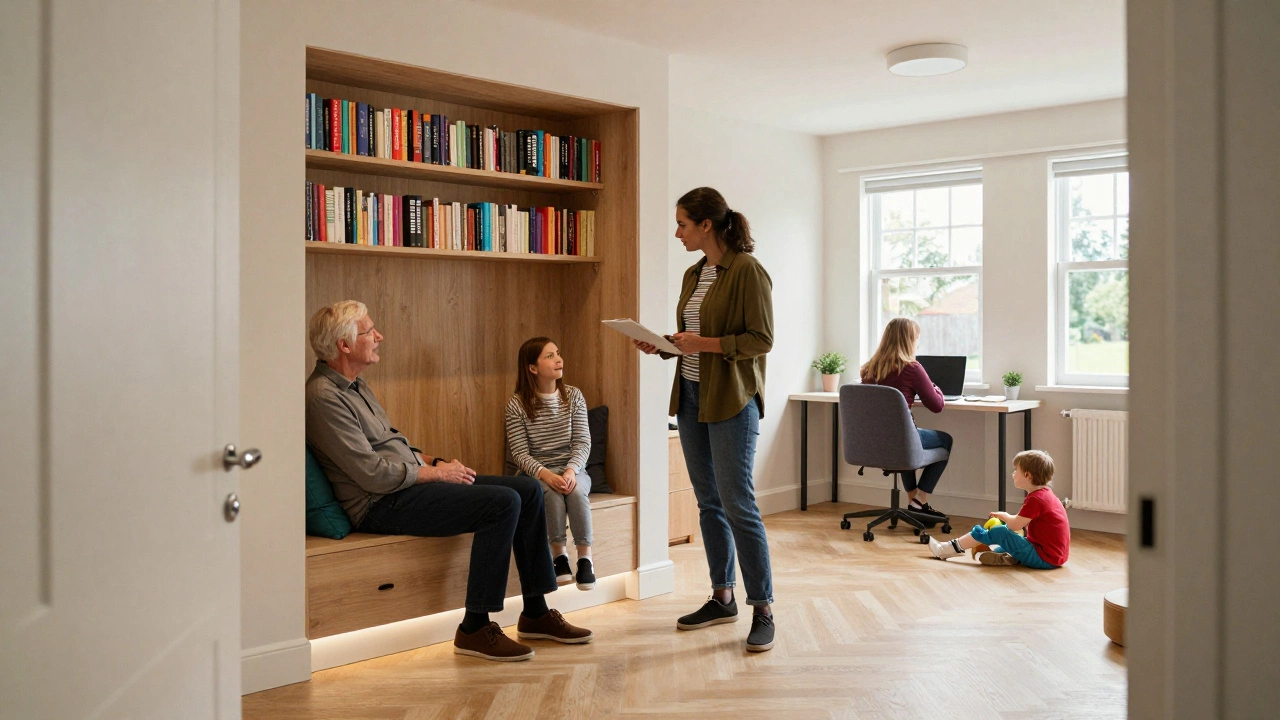
- Multi-generational homes-More families are living together. Designers who understand how to create private zones within shared spaces are seeing a surge.
These aren’t niche trends. They’re mainstream. And they require real expertise.
The Future Isn’t About Aesthetics Alone
The best interior designers today aren’t just picking rugs and paint. They’re solving problems:
- How do you make a small apartment feel spacious without removing walls?
- How do you design a kitchen that works for someone with arthritis?
- How do you create a calming space for someone with anxiety?
That’s not something AI can replicate. It’s not something a $50 template can fix. It’s human-centered problem solving.
And that’s why interior design isn’t dying. It’s becoming more valuable.
What Designers Need to Do Now
If you’re a designer, here’s what works in 2026:
- Specialize-Don’t be "everything to everyone." Be the expert in accessible kitchens, pet-friendly upholstery, or biophilic living rooms.
- Package your services-Offer tiered options: digital consultation, in-person styling, full renovation management.
- Collaborate-Team up with electricians, landscapers, or even mental health professionals who understand how space affects well-being.
- Show results-Before-and-after videos with real clients talking about how their lives changed. That’s more powerful than a portfolio.
If you’re a homeowner? Don’t assume you can do it all. A good designer saves you money in the long run. They prevent costly mistakes-like buying a sofa that doesn’t fit, or lighting that gives you headaches.
Bottom Line
Interior design isn’t declining. It’s getting smarter, more inclusive, and more necessary.
The flashy, Instagrammable look isn’t the future. The functional, thoughtful, human-centered space is.
If you’re worried about the industry, look at the people who are thriving. They’re not chasing trends. They’re solving real problems. And that’s not going away.
Is interior design still a viable career in 2026?
Yes, but not the way it used to be. The traditional model of hourly consultations and full-service design is shrinking. But demand is growing for designers who specialize-whether in aging-in-place homes, sustainable materials, or small-space solutions. Those with clear expertise and practical skills are seeing steady growth.
Are AI tools replacing interior designers?
Not replacing-augmenting. AI can generate visual ideas, but it can’t assess structural limits, material durability, or how light changes in a room over the day. Real designers use AI as a tool, not a replacement. Clients still hire humans to solve complex, personal problems.
Why are more people doing their own interior design?
Because tools like virtual room planners, affordable online furniture, and TikTok tutorials have made it easier than ever. But many people hit a wall-like realizing their dream sofa won’t fit through the door, or that the "perfect" paint color looks awful under natural light. That’s when they realize they need a professional.
Is the market saturated with designers?
There are more people calling themselves designers, yes-but true professionals with formal training, technical knowledge, and problem-solving skills are still in demand. The market is crowded at the bottom, but thin at the top. Specialization is the key to standing out.
What’s the biggest mistake people make when hiring a designer?
Choosing based on aesthetics alone. A beautiful portfolio doesn’t mean the designer understands your lifestyle, budget, or needs. Ask for references, see how they handle constraints, and check if they’ve worked on similar projects before. The best designer isn’t the one with the prettiest pictures-they’re the one who listens.