
LVP Flooring Cost Estimator
Calculate Your LVP Flooring Costs
Enter your room dimensions and select product type to see your estimate
Important: These estimates are based on Australian market rates (2026). Installation costs may vary based on subfloor preparation and professional labor.
Luxury vinyl plank isn’t disappearing-it’s evolving. If you’ve heard rumors that LVP is going out of style, you’re hearing noise, not truth. In Melbourne homes, in Australian showrooms, and across global design blogs, LVP is still one of the most installed flooring types in 2026. But it’s not the same as it was five years ago. What’s changed? The expectations. The look. The performance. And the competition.
Why People Think LVP Is Out of Style
The confusion comes from two places. First, social media shows a flood of reclaimed wood, polished concrete, and terrazzo floors. These are eye-catching. They feel ‘artisan.’ Second, some early LVP products looked fake-too glossy, too uniform, too plastic. People remember those. But today’s LVP doesn’t look like that anymore.Modern luxury vinyl plank mimics real wood so closely, even experienced contractors sometimes double-check the packaging. The embossing matches grain patterns down to the knot and sapwood variations. Textures are deep, tactile, and even include beveled edges that cast real shadows. Brands like Shaw, COREtec, and Armstrong now offer collections with 3D-printed wood visuals that are indistinguishable from solid oak or walnut under natural light.
What’s Really Driving LVP’s Popularity in 2026
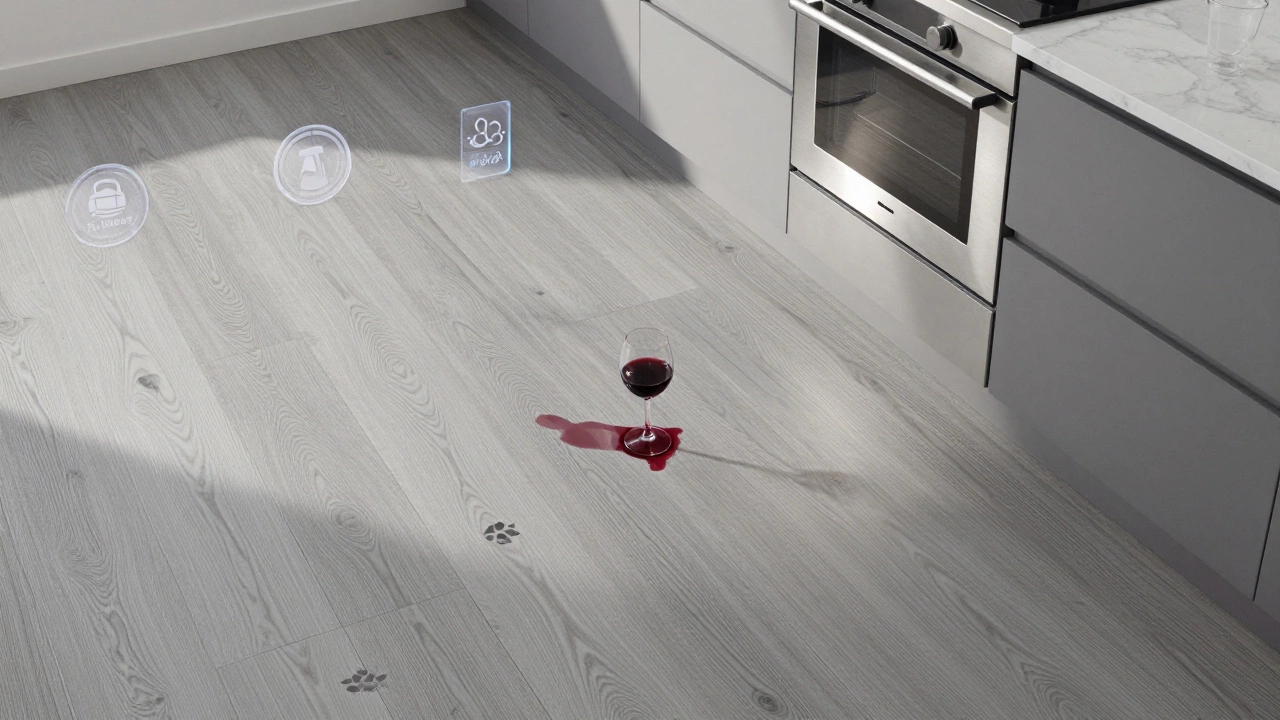
It’s not about fashion. It’s about function. Australian homes are getting older. Many were built in the 70s and 80s with poor subfloors, moisture issues, or uneven concrete. LVP handles all of that. It’s 100% waterproof. It won’t swell in a bathroom. It won’t cup in a kitchen with a leaky dishwasher. It can be installed over radiant heating, which is becoming common in new builds and renovations.Homeowners in Melbourne aren’t choosing LVP because it’s trendy. They’re choosing it because it survives. A family with kids, pets, and a dog that sheds? LVP wipes clean. A couple who entertain often? No more worrying about wine spills. A retiree downsizing? LVP is easy to walk on, quiet underfoot, and doesn’t need sanding or refinishing.
Installation speed matters too. A 50m² home can be floored in one day with click-lock LVP. No waiting for glue to dry. No dust from sanding. No waiting weeks for finish to cure. That’s a big deal when you’re living through a renovation.
How LVP Has Changed Since 2020
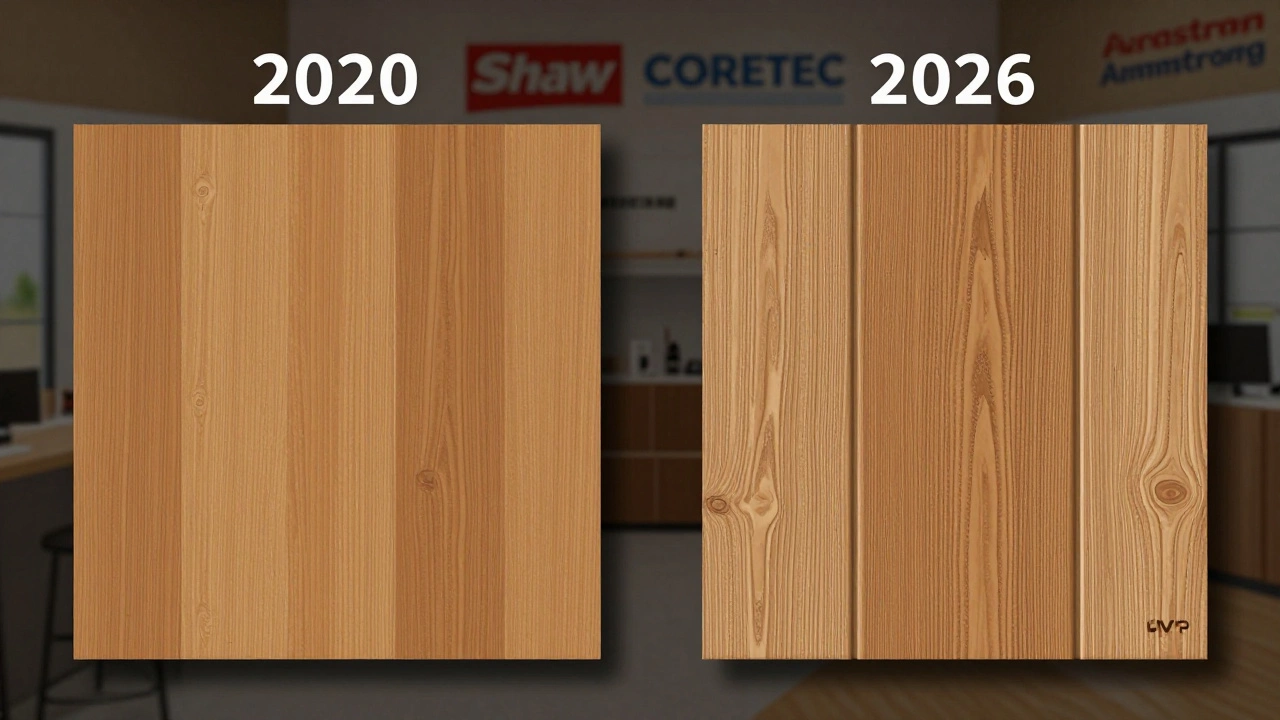
The biggest shift? Thickness and core technology. Early LVP was 4mm to 5mm thick. Today, the premium lines are 7mm to 8mm. The core is no longer just PVC-it’s now a rigid core made from limestone powder and virgin vinyl. That’s called WPC (wood-plastic composite) or SPC (stone-plastic composite). These cores don’t flex. They don’t dent. They resist indentation from heavy furniture and high heels.Also, the wear layer has improved. The top protective layer is now 20mil to 30mil thick. That’s the same thickness you’d find on commercial-grade vinyl in hospitals and schools. Residential LVP used to last 10-15 years. Now, top-tier products come with 25-30 year warranties. Some even include scratch and stain guarantees that cover pet claws and high heels.
And the visuals? Gone are the flat, repetitive patterns. Today’s LVP uses digital scanning of real timber from multiple sources. Each plank has 12-18 unique variations. No two planks look alike. The grain runs across the entire surface, not just the top. Even the edges are stained to match the natural color shift you see in real wood.
What’s Challenging LVP Now?
It’s not that LVP is losing ground-it’s that other options are catching up. Engineered hardwood, for example, now comes with water-resistant cores and pre-finished surfaces that can handle moisture better than ever. Bamboo flooring is cheaper, more sustainable, and looks natural. Cork is making a comeback for its warmth and sound absorption.But here’s the catch: none of these match LVP’s combo of waterproofing, durability, and price. Engineered hardwood can cost $80-$120 per m². LVP? $40-$70. And it’s easier to install. You don’t need a professional. You can do it yourself over a weekend.
Then there’s the eco-angle. Some people still think vinyl is bad for the planet. But that’s changing. Major brands now use 100% recyclable materials. Some products are made with 80% recycled content. They’re also phasing out phthalates and VOCs. Many LVP lines are now FloorScore and GREENGUARD certified-meaning they’re safe for kids and asthma sufferers.
Where LVP Still Falls Short
Let’s be honest. LVP isn’t perfect. It doesn’t feel like real wood under bare feet. It doesn’t have the same warmth or depth of character. If you’re restoring a heritage home, LVP might not be the right fit. It won’t add resale value in the same way solid timber does in premium markets.Also, if you live in a very humid climate and your subfloor isn’t sealed properly, moisture can still get trapped underneath. That’s rare with modern underlayment, but it’s happened. Always check the manufacturer’s subfloor requirements. And never install LVP over carpet or uneven surfaces without proper prep.
What to Look for in 2026 LVP
If you’re buying now, here’s what matters:- Core type: Choose SPC or WPC over basic PVC. SPC is harder and more stable.
- Wear layer: Go for at least 20mil. 30mil is better if you have pets or heavy traffic.
- Texture: Look for embossed-in-register (EIR)-this means the texture matches the wood grain exactly.
- Width: Wider planks (180mm-220mm) look more luxurious and modern.
- Finish: Matte or satin finishes look more natural than high gloss.
- Warranty: 25+ years for residential use. Look for scratch, stain, and indentation coverage.
Brands like NuCore, Karndean, and Tarkett lead in Australia. Don’t buy the cheapest option at the big-box store. You get what you pay for-especially with LVP.
Real Homes, Real Results
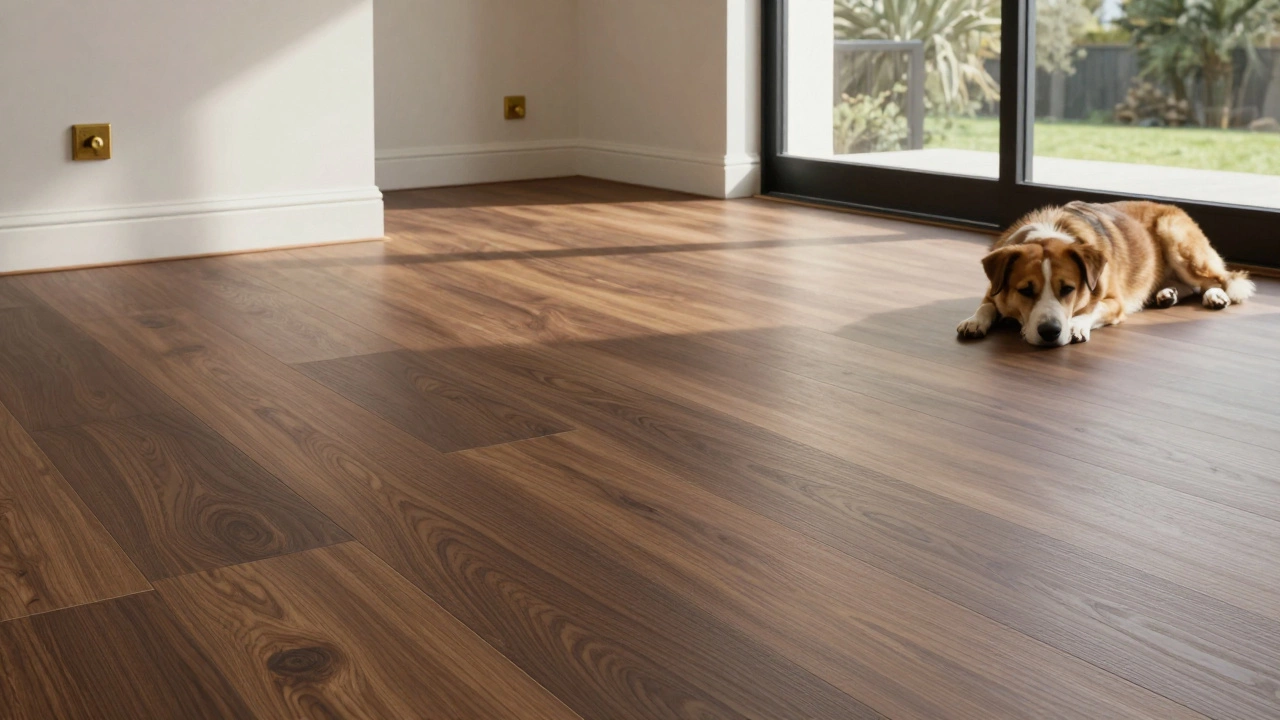
In a Fitzroy renovation last year, a couple replaced their 30-year-old carpet with a 200mm wide, matte-finish SPC LVP in a dark walnut tone. They kept the original skirting boards and added brass light fixtures. The result? A timeless, warm look that felt expensive but cost half as much as engineered timber. They got offers on their house within weeks-and the buyer specifically mentioned the flooring.Another client in Geelong replaced a water-damaged kitchen floor with a grey LVP that mimicked bleached oak. The kids’ dog still scratches it, but the surface hasn’t shown a mark in 18 months. She says, “I don’t have to baby the floor anymore. That’s freedom.”
Final Verdict: Is LVP Out of Style?
No. It’s not going anywhere. The style isn’t the plank-it’s the performance. LVP has moved past being a budget option. It’s now a smart, practical, and beautifully designed choice for modern Australian homes. If you’re looking for flooring that lasts, looks real, and doesn’t demand constant care, LVP is still one of the best bets you can make.Don’t buy it because it’s trendy. Buy it because it works. And in 2026, that’s the most stylish thing you can do.
Is luxury vinyl plank waterproof?
Yes, all modern luxury vinyl plank is 100% waterproof. Unlike engineered wood or laminate, LVP won’t swell, warp, or buckle if exposed to water. This makes it ideal for kitchens, bathrooms, laundry rooms, and basements. Always check the manufacturer’s warranty to confirm full water resistance coverage.
How long does luxury vinyl plank last?
High-quality LVP with a 20mil+ wear layer and SPC/WPC core can last 25 to 30 years in a typical home. Factors like foot traffic, pet claws, and proper maintenance affect lifespan. Avoid dragging heavy furniture and use felt pads under furniture legs to extend its life.
Can you install LVP over existing flooring?
Yes, you can install LVP over most existing hard surfaces like tile, concrete, or vinyl-as long as the surface is flat, clean, and dry. Never install over carpet, cushioned underlay, or uneven subfloors. Always use the manufacturer’s recommended underlayment to ensure warranty validity.
Is LVP better than engineered hardwood?
It depends on your priorities. LVP is more durable, waterproof, and affordable. Engineered hardwood has more natural warmth and adds higher resale value in luxury markets. If you have kids, pets, or moisture concerns, LVP wins. If you’re building a high-end home and want timeless appeal, engineered wood may be better.
Does LVP look cheap?
Not anymore. Premium LVP uses advanced printing and embossing to replicate real wood with incredible detail. Wide planks, matte finishes, and beveled edges make it look expensive. The key is choosing a high-end collection-avoid the cheapest options sold at discount stores.
Is LVP eco-friendly?
Many modern LVP products are made with recycled content and are fully recyclable at end-of-life. Major brands have eliminated phthalates and VOCs. Look for FloorScore or GREENGUARD certification to ensure low emissions and sustainable manufacturing.
If you're considering new flooring, don't let outdated opinions sway you. LVP in 2026 is smarter, stronger, and more beautiful than ever. It’s not about chasing trends-it’s about choosing something that fits your life.