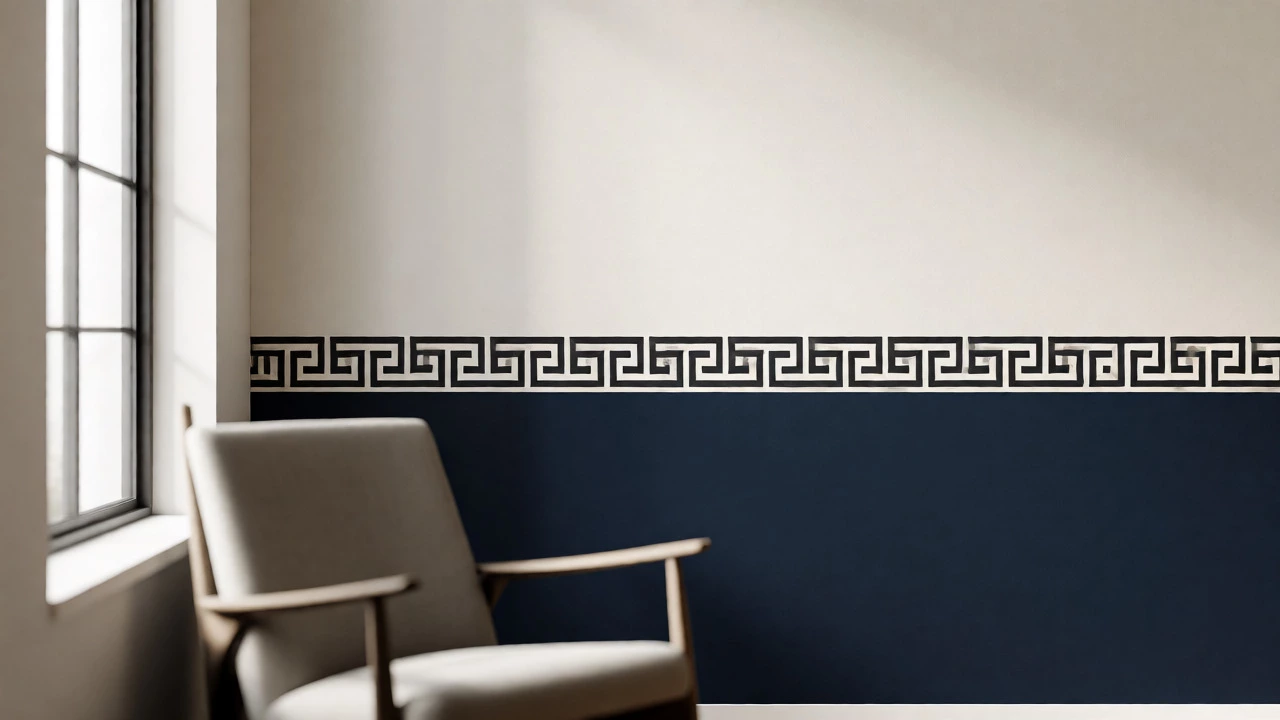
Wallpaper Border Style Simulator
Test if a wallpaper border fits your space before you buy. Adjust the settings below to see how height, width, and style affect the room's perceived size and vibe.
Pro Tips for this Setup:
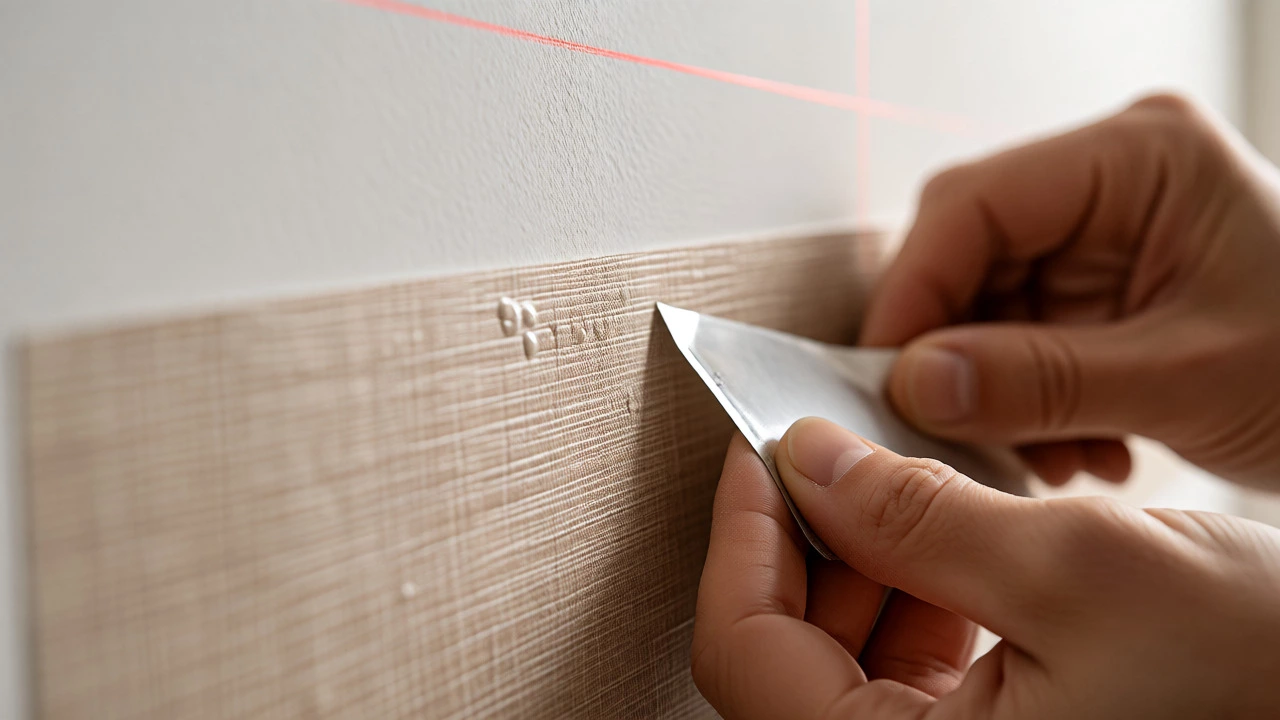
- Use a laser level to ensure straight lines.
- Peel and stick is best for rentals.
You walk into a friend’s house, look up at the wall, and see that distinct strip of patterned paper separating the upper and lower halves. Your brain instantly flashes back to your grandmother’s dining room or that one rental apartment from the late 90s. The immediate question isn’t just "what is that?" but rather, "is it a crime against modern aesthetics?" For years, wallpaper border was the ultimate symbol of dated decor, a relic of an era when people felt walls needed more than just paint. But here is the twist: as of late 2026, this very element is making a quiet, sophisticated comeback. It’s not the loud, floral chaos of the past; it’s a deliberate design choice used by top Melbourne interior designers to add structure without breaking the bank.
If you are staring at your blank white walls wondering if you’re missing out on a trend or avoiding a faux pas, you need context. This isn't about slapping anything on the wall. It's about understanding how architectural detailing has shifted from expensive plaster moldings to accessible, removable solutions. We are going to break down exactly where borders fit today, why they work, and how to use them so your home looks curated, not cluttered.
The Shift From Clutter to Character
Let’s address the elephant in the room: why did we hate wallpaper borders for so long? In the 1980s and 90s, borders were often applied haphazardly. They featured busy patterns that competed with the main wallpaper or clashed with furniture. They were glued directly to drywall, making removal a nightmare that usually resulted in ripped paper and damaged plaster. Because of this trauma, minimalism took over. White walls became the default because they were safe and easy to fix.
But humans get bored of safety. By 2024 and 2025, the pendulum swung back toward maximalism and personality. People wanted character. However, full-wall wallpaper felt too permanent for renters or those who change their minds often. Enter the modern wallpaper border. Unlike its predecessors, today’s versions are often made from high-quality vinyl or non-woven materials that are durable and washable. More importantly, many are now "peel and stick," meaning you can apply them without paste and remove them without leaving a trace. This technological shift changed the risk profile entirely. You aren't committing to a decade-long regret; you're testing a look.
The aesthetic has also evolved. Modern borders are less about decorative frills and more about architectural definition. Think of them as a budget-friendly alternative to chair rails or picture rails. They create a visual horizon line that makes ceilings feel higher and rooms feel more structured. When done correctly, a border doesn't scream "I tried too hard." It whispers "I understand proportion."
Where Do Borders Actually Work Best?
Not every room benefits from a horizontal line across the wall. If you put a busy border in a small, dark bathroom with low ceilings, you might accidentally shrink the space further. Success depends on placement and scale. Here is where you should consider using them, based on current design principles.
- Nursery and Kids’ Rooms: This is arguably the strongest use case. Children grow fast, and tastes change even faster. A playful border at eye level (around 3 feet) adds whimsy without overwhelming the room. Since kids touch walls, choose scrubbable vinyl. If they draw on it or peel it off, you can replace just the border section rather than repainting the whole room.
- Bedrooms: Use a subtle border to define the headboard area or to separate a two-tone paint job. Instead of painting half the wall blue and half white, which can look DIY-heavy, a thin metallic or geometric border acts as a crisp divider. It adds a layer of luxury that paint alone cannot achieve.
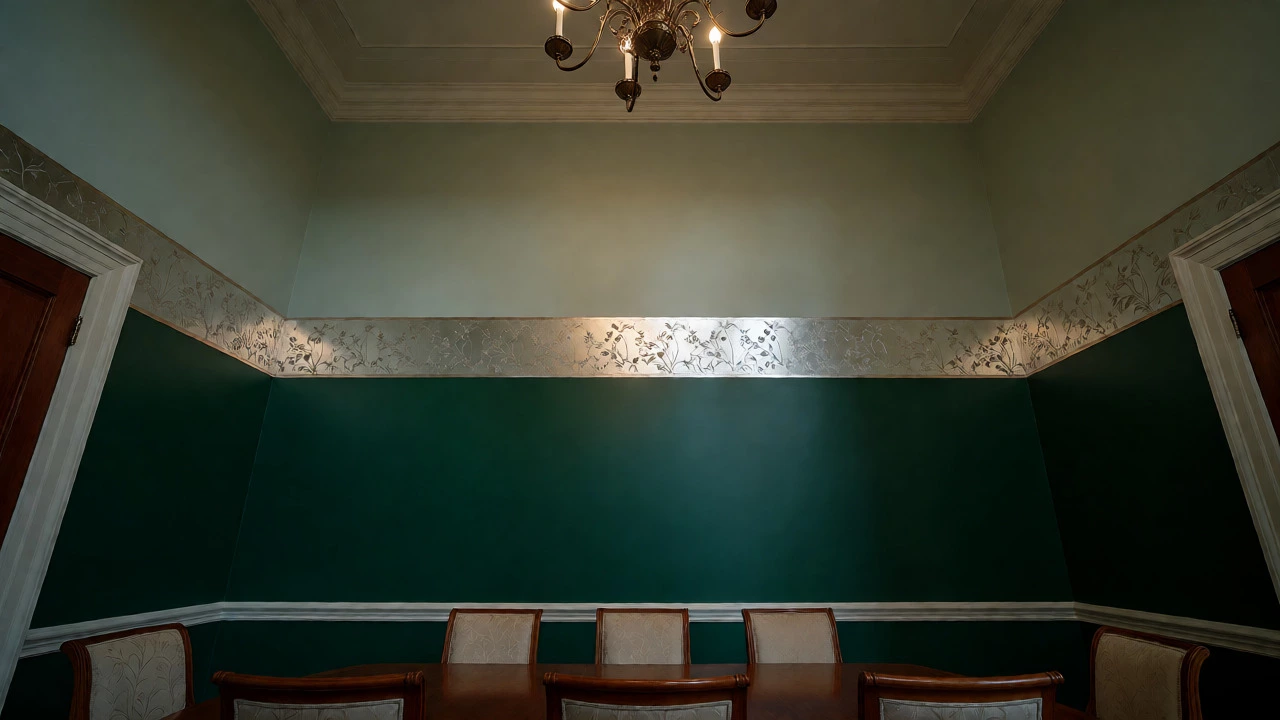
- Dining Rooms: This is where the classic "chair rail" look comes alive. If you have high ceilings, placing a border at chair-rail height (about 32-36 inches) creates a traditional, elegant vibe. Pair a solid color below with a textured or patterned wallpaper above, separated by the border. It grounds the room and makes formal dinners feel intentional.
- Hallways and Stairwells: These are transitional spaces where bold choices are safer. A vertical border running up a staircase or a horizontal one along a hallway draws the eye forward and adds interest to otherwise dead space. It breaks the monotony of long corridors.
Avoid using borders in rooms with already busy features, like intricate crown molding or heavy window treatments. The goal is balance. If your ceiling has elaborate plasterwork, a floor-level border might be too much visual noise. Keep the focus on one focal point per plane.
Modern Styles vs. Vintage Traps
Choosing the right pattern is where most people fail. You want to avoid the "grandma's kitchen" effect unless that is specifically your vintage-inspired goal. Here is a breakdown of what is trending in 2026 versus what should stay in the past.
| Style Type | Vibe | Best Room Application | Risk Level |
|---|---|---|---|
| Geometric/Mid-Century | Clean, sharp lines, retro-modern appeal | Living Room, Office | Low |
| Botanical/Illustrative | Organic, soft, nature-inspired | Bedroom, Nursery | Medium |
| Metallic/Foil | Glamorous, reflective, high-impact | Dining Room, Bar Area | High |
| Classic Floral | Traditional, cozy, cottage-core | Guest Bedroom, Kitchen | Medium-High |
| Plain Textured | Subtle, architectural, minimalist | Any room needing structure | Very Low |
Geometric patterns are currently dominating because they align with the broader trend of mid-century modern revival. They provide structure without adding "clutter." Botanical prints are also strong, especially in biophilic design, where bringing nature indoors is key. However, be careful with scale. A tiny, dense floral pattern can look like static noise from a distance. Look for designs with negative space-areas where the background shows through. This keeps the border feeling light and airy.
Metallic borders are risky. They catch light beautifully but can also highlight every bump and uneven patch in your plaster. If your walls aren't perfectly smooth, skip the foil. Go for matte finishes instead. Plain textured borders, such as those mimicking grasscloth or linen, are the safest bet for skeptics. They act almost like shadow boxes or trim, defining the space without shouting for attention.
The Technical Side: Installation and Removal
The biggest barrier to entry used to be the mess. Traditional paste-and-water methods required soaking tables, mixing glue, and praying the paper didn't tear. Today, the market is flooded with self-adhesive options. Brands like Spoonflower and various local Australian suppliers offer high-quality printable wallpapers that come in roll form with a peel-and-stick backing.
Here is the pro tip that saves hours of frustration: measure twice, cut once, and use a laser level. Human eyes deceive us, especially when looking at long horizontal lines. A cheap laser level ensures your border is perfectly straight. Even a 2-degree tilt will make the room feel crooked. Apply the border slowly, smoothing it out with a squeegee card to remove air bubbles. If you make a mistake, peel it back immediately. Self-adhesive loses tackiness if left exposed to air too long, so work in manageable sections.
Removal is equally critical. Before applying any border, test a small corner with painter's tape. If the tape pulls off paint, your wall primer is weak. In older Melbourne homes with lime-based paints, this is common. If you have fragile walls, consider using a removable adhesive strip method instead of direct application. Or, embrace the imperfection. Many designers now intentionally leave borders slightly imperfect or distressed for a rustic look.
Budget and Value Proposition
Why choose a border over other decor updates? Cost efficiency. Painting a room costs money in labor and materials. Replacing curtains costs hundreds. A high-quality wallpaper border might cost $50 to $100 for a standard room. Yet, it transforms the perceived value of the space. Real estate agents in competitive markets like Sydney and Melbourne often note that detailed wall treatments suggest a well-maintained, thoughtfully designed home. It signals care.
Compare this to installing real wood trim. Custom carpentry can run thousands of dollars. A wallpaper border gives you 80% of the visual impact for 5% of the cost. Plus, it’s reversible. If you sell your house and the new owners hate it, they can peel it off. Try doing that with painted wainscoting.
Common Mistakes to Avoid
Even with good intentions, borders can go wrong. Here are the pitfalls to dodge.
- Ignoring Scale: A wide border in a small room overwhelms the space. Match the width of the border to the size of the room. Small room? Stick to narrow strips (1-2 inches). Large room? You can go wider (4-6 inches).
- Clashing Patterns: If you have patterned upholstery or rugs, keep the border simple. Let the border be the only pattern on the wall. Mixing multiple complex patterns requires expert confidence.
- Placing Too High: Unless you are mimicking a specific historical style, avoid placing borders near the ceiling. It cuts off the room visually. Keep them at waist or chest height to maintain openness.
- Forgetting Lighting: Dark borders absorb light. In a north-facing room with little natural light, a dark navy border might make the room feel cave-like. Opt for lighter tones or metallics that reflect available light.
Final Verdict: Is It Worth It?
So, is wallpaper border still in style? Yes, but only if you treat it as a design tool, not a decoration crutch. It is no longer about covering up bad walls; it is about enhancing good ones. The trend is moving toward intentional, architectural details that add depth and personality without permanence.
If you are hesitant, start small. Buy one roll. Test it in a hallway or a guest room. See how it changes the mood of the space. You might find that this "outdated" element is exactly the thing your modern home has been missing. It bridges the gap between bare minimalism and chaotic maximalism, offering a middle ground that feels both timeless and fresh.
Are wallpaper borders suitable for rentals?
Yes, absolutely. As long as you use peel-and-stick varieties and ensure your landlord allows minor alterations, they are ideal for rentals. They are easy to install and remove without damaging paint, provided you follow proper removal techniques like using heat to soften the adhesive.
How high should I place a wallpaper border?
Standard placement is typically at chair-rail height, which is around 32 to 36 inches from the floor. However, for a more contemporary look, some designers place them higher, near the top third of the wall, to mimic crown molding. Always consider the height of your furniture and windows to ensure the line doesn't clash with existing elements.
Can I use wallpaper borders in bathrooms?
You can, but you must choose moisture-resistant materials. Standard paper borders will bubble and peel in humid environments. Look for vinyl or PVC-backed borders specifically rated for high-humidity areas. Ensure they are sealed properly at the edges to prevent water ingress behind the paper.
Do wallpaper borders make rooms look smaller?
They can, if used incorrectly. A dark, wide border in a small room can visually cut the wall in half, lowering the perceived ceiling height. To avoid this, use light colors, narrow widths, or place the border higher up the wall to draw the eye upward, creating an illusion of height.
What is the best way to remove old wallpaper borders?
Start by scoring the surface lightly to allow water penetration. Apply warm water mixed with a bit of fabric softener or specialized wallpaper remover. Let it soak for 10-15 minutes. Peel gently, using a steamer if necessary for stubborn adhesive. Avoid scraping aggressively, as this can damage the drywall underneath.