

Wallpaper used to be the go-to choice for making walls look fancy. Now, it’s often seen as outdated, or worse - a wall killer. But here’s the thing: wallpaper isn’t good or bad by default. It’s what you do with it that matters. The right wallpaper, installed right, can last decades. The wrong kind, slapped on poorly, can rot your drywall. So is wallpaper good or bad for walls? The answer isn’t simple. It depends on the material, the prep, the room, and how you treat it over time.
Wallpaper Can Protect Walls - If Done Right
Think of wallpaper like a skin for your wall. It shields the drywall from scuffs, fingerprints, and minor spills. In high-traffic areas like hallways or kids’ rooms, a durable vinyl wallpaper acts as a barrier. You wipe it clean with a damp cloth, and the wall underneath stays untouched. That’s protection you don’t get with paint.
A 2023 study by the National Association of Home Builders found that homes with properly installed wallpaper in bathrooms and entryways showed 40% less wall damage over five years compared to painted walls. Why? Paint chips. Paint cracks. Wallpaper, especially non-woven or vinyl types, doesn’t peel under normal humidity or touch.
Modern wallpapers are made to handle moisture. Brands like Graham & Brown and Osborne & Little now offer washable, mold-resistant options designed for kitchens and bathrooms. These aren’t the fragile paper types from the 1980s. They’re engineered to breathe, resist mildew, and stay stuck - even in steamy environments.
Where Wallpaper Goes Wrong
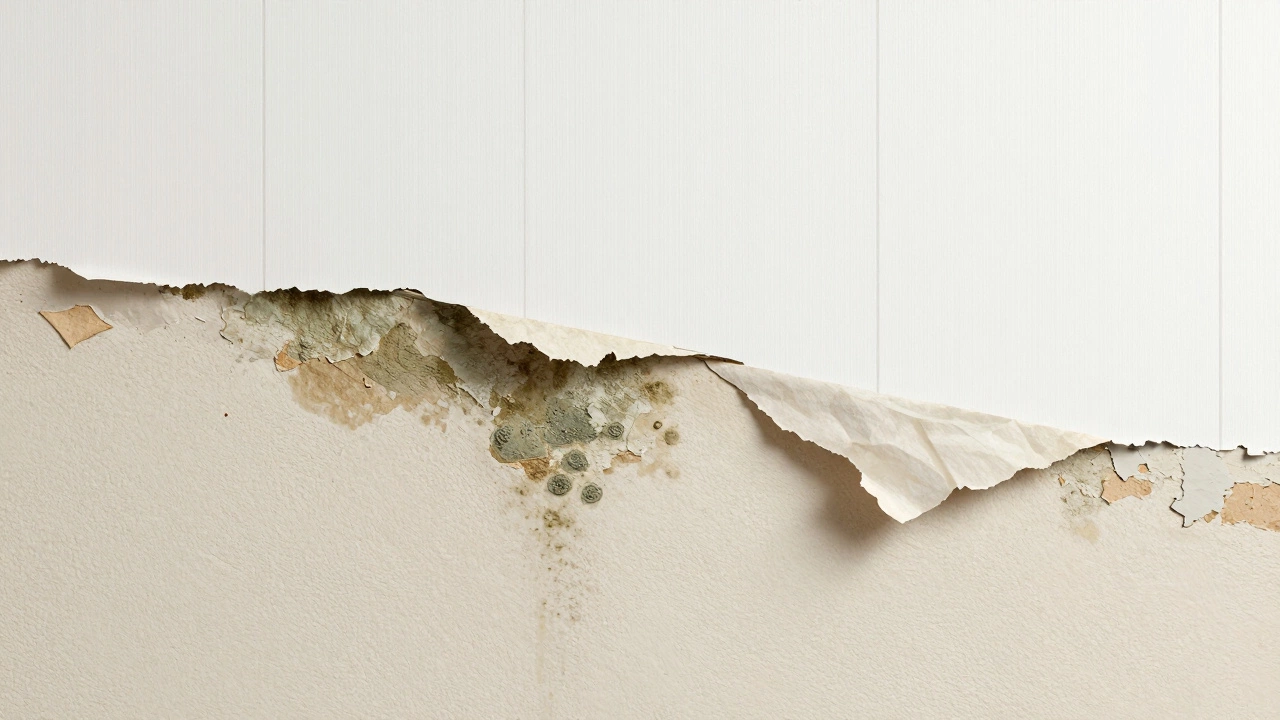
Here’s the catch: wallpaper fails when it’s installed on a bad surface. If your wall is damp, cracked, or covered in old paint that’s peeling, putting wallpaper on top is like putting a bandage on an open wound. Moisture gets trapped. Mold grows. The adhesive breaks down. And when you finally try to remove it, you’re pulling off chunks of drywall with it.
Older homes with plaster walls are especially tricky. If the plaster is crumbling or has been painted with oil-based paint, wallpaper adhesive won’t stick properly. It’ll bubble, lift, and eventually pull the surface apart. I’ve seen entire walls torn open after wallpaper removal because the previous owner didn’t prime or repair the surface first.
And then there’s the glue. Traditional pastes made with wheat starch or cellulose can attract bugs or mold over time. Modern wallpapers use synthetic adhesives that are far more stable, but only if applied correctly. Skipping the primer? Bad idea. Using the wrong paste? Even worse.
Wallpaper vs. Paint: The Real Comparison
People say paint is easier. That’s true - if you’re just looking for a quick refresh. But paint doesn’t hide flaws. It highlights every crack, nail hole, and uneven patch. Wallpaper, on the other hand, can disguise imperfections. A textured or patterned design masks what paint can’t.
Here’s a real-world example: a 1950s bungalow with uneven plaster walls. Painting it looked like a disaster. The walls looked bumpy and cheap. Wallpaper with a subtle grasscloth texture? It looked like a $20,000 renovation. The wall damage? None. The surface stayed intact for 12 years.
Paint lasts 5-7 years before needing a touch-up. High-quality wallpaper lasts 10-15 years, sometimes more. And when it’s time to change? You’re not sanding down layers of old paint. You’re peeling off one thin layer - if it was installed properly.
Room-by-Room: Where Wallpaper Works (and Where It Doesn’t)
Not every room is a good candidate. Here’s the breakdown:
- Living room: Perfect. Low moisture, low wear. Great for bold patterns or textured designs.
- Bedroom: Excellent. Soft, calming patterns reduce visual noise. Non-woven wallpaper resists cracking from temperature changes.
- Kitchen: Only with vinyl or washable wallpaper. Avoid paper-based types near the stove or sink.
- Bathroom: Possible - but only if you use mold-resistant, vinyl-coated wallpaper and install a good exhaust fan. Don’t put it behind the shower.
- Basement: Avoid unless it’s fully waterproofed. Humidity will kill any wallpaper over time.
- Children’s room: Great. Washable vinyl wipes clean. Easy to replace when they outgrow the theme.
One common mistake: putting wallpaper in a room without climate control. If your attic or sunroom gets extreme heat in summer and freezing temps in winter, the adhesive expands and contracts. That leads to lifting edges and bubbling. Paint handles this better.
Removal: The Hidden Risk
The biggest fear people have about wallpaper? Taking it off. And honestly, that’s where things can go wrong.
Old wallpaper - especially the kind from the 70s and 80s - was glued on with heavy, water-soluble paste. When you try to remove it, you soak it with water. That water doesn’t just dissolve the glue. It soaks into the drywall paper layer. And when it dries? It weakens the surface. You end up with a wall that crumbles under your touch.
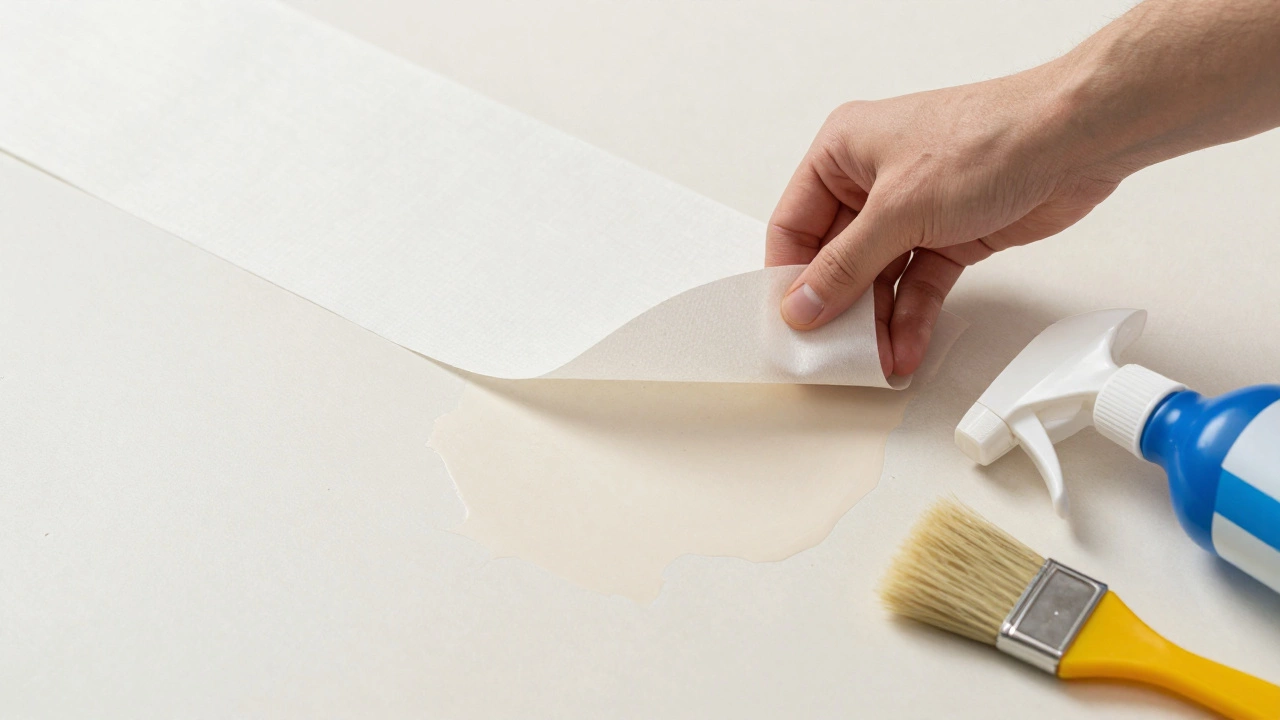
Modern wallpapers are designed for easy removal. Look for terms like “strippable,” “pre-pasted,” or “non-woven.” These types peel off cleanly, often without water. Some even come off in one piece. No scraping. No damage.
But here’s the rule: if you didn’t prep the wall before installing wallpaper, you’re gambling with the wall’s future. Always use a primer. Always check for moisture. Always use the right adhesive for the wallpaper type.
What to Look for When Buying Wallpaper
Not all wallpaper is created equal. Here’s what actually matters:
- Material: Non-woven (fabric-backed) is the best for durability and removal. Vinyl is best for wet areas. Paper is cheap but fragile.
- Washability: Look for “scrubbable” or “washable” on the label. If you can’t wipe it, don’t buy it.
- Expansion rate: Non-woven wallpapers expand less when wet. That means fewer bubbles during installation.
- Pattern repeat: Smaller repeats are easier to hang. Large repeats waste more material and need precise alignment.
- Backing: Avoid wallpapers with paper backing in humid rooms. It absorbs moisture like a sponge.
Brands like Brewster, York Wallcoverings, and Cole & Son offer clear labeling on durability. Read the specs. Don’t just pick a pretty design.
Bottom Line: Wallpaper Isn’t the Enemy
Wallpaper isn’t bad for walls. Bad installation is. Outdated materials are. Ignoring moisture and prep work? That’s the real problem.
Used correctly, wallpaper protects walls, hides flaws, and lasts longer than paint. It’s not a relic - it’s a tool. And like any tool, it works best when you know how to use it.
If you’re thinking of putting wallpaper on your walls, do three things: check for moisture, prep the surface with primer, and choose a modern, washable type. Skip the cheap paper. Avoid the glue that requires soaking. And don’t be afraid to ask the store for installation tips.
Wallpaper can make your walls look incredible - and keep them in great shape for years. But only if you treat it right.
Can wallpaper cause mold on walls?
Yes - but only if moisture is trapped behind it. This happens when wallpaper is installed on a damp wall, in a room without ventilation, or over old paint that doesn’t breathe. Mold grows in the space between the wallpaper and the drywall. To prevent it, always use mold-resistant wallpaper in bathrooms and kitchens, and make sure your room has proper airflow. A working exhaust fan is non-negotiable.
Is it better to paint or wallpaper a wall?
It depends on your goal. Paint is faster, cheaper, and easier to touch up. Wallpaper lasts longer, hides imperfections better, and adds texture or pattern you can’t get with paint. If your walls are uneven or you want a bold design, wallpaper wins. If you’re renting or plan to change colors often, paint is safer. For high-traffic areas, modern washable wallpaper often outperforms paint in durability.
Can you put wallpaper over painted walls?
Yes - but only if the paint is in good condition. If the paint is peeling, glossy, or oil-based, you need to prep it first. Sand glossy paint lightly, clean the wall thoroughly, and apply a wallpaper primer. Never put wallpaper over cracked or flaking paint. That’s how you end up with wallpaper that lifts and takes the wall with it.
Does wallpaper ruin walls when removed?
Not if it’s modern wallpaper installed properly. Non-woven and strippable wallpapers come off cleanly without water. Older, paper-based wallpapers glued with heavy paste can damage walls if soaked with water during removal. The key is preparation: if you primed the wall before installing, removal is safe. If you didn’t, you risk tearing drywall paper. Always test a small area first.
How long does wallpaper last on walls?
High-quality wallpaper lasts 10 to 15 years - sometimes longer. Vinyl and non-woven types hold up better in sun and humidity. Paper wallpapers fade and tear faster, especially in bright rooms. The lifespan depends on the material, room conditions, and how well it was installed. Paint typically needs repainting every 5-7 years, so wallpaper often lasts longer with less maintenance.
Can you hang wallpaper in a bathroom?
Yes, but only with the right type. Use vinyl or non-woven wallpaper labeled as moisture-resistant or washable. Avoid paper-based wallpapers. Install it away from direct water spray - like behind the sink or on the wall opposite the shower. Always pair it with a strong exhaust fan that runs during and after showers. Without ventilation, even the best wallpaper will eventually fail.