
Wallpaper Selector for 2026
Find Your Perfect Match
Based on 2026 industry standards and removal ease.
Recommendation Result
Description goes here.
Suitability Metrics:
Pro Tip:
Advice text goes here.
You walk into a friend's house, and the first thing you notice isn't the furniture. It's the wall. But wait, do you cringe at the floral pattern? Or does it feel fresh and curated? That split-second judgment call defines the biggest debate in our industry right now. People ask me constantly if paper walls belong in a modern home. The short answer is a resounding yes, but only if you pick the right kind. The industry has shifted dramatically since the early 2000s.
In 2026, we aren't talking about the heavy, vinyl-lined sheets of the past that were nearly impossible to strip off drywall. We are talking about art. We are talking about texture. We are talking about surfaces that breathe. If you have been avoiding adding wallpaper because it feels dated to you, you are missing out on the most effective tool available for defining space today. This guide cuts through the noise about what is stylish and what is actually stuck in the eighties.
Quick Summary
- The Verdict: Wallpaper is not outdated, but traditional floral prints require careful selection to fit modern 2026 interiors.
- Maintenance: New technologies like Peel-and-Stick Wallpaper allow renters to change looks seasonally without damage.
- Sustainability: Eco-friendly plant-based adhesives and recycled fibers are the dominant material choice this year.
- Application: "Paste-the-wall" systems save time and reduce waste compared to older paste-the-paper methods.
- Aesthetics: Abstract geometry and textured grasscloths are replacing busy florals as top trends.
The Stigma Behind Old-Fashioned Patterns
Why do some people still think wall coverings are old-fashioned? It comes down to collective memory. For many homeowners, the last time they saw a rolled-up sheet was during a renovation of an inherited property. They remember patterns that felt cramped or colors that clashed with everything else. There is a lingering fear that choosing a print is a commitment you can never escape.
This hesitation makes sense. Imagine trying to peel thirty-year-old vinyl backing off a plaster wall. You need heat guns and scrapers. You need patience. But the industry has solved the removal problem. The stigma exists because people are applying 1990s rules to 2026 products. The materials have evolved. The manufacturing techniques have evolved. Even the way we apply these surfaces is faster and cleaner.
We also need to address the "matchy-matchy" instinct. In previous decades, designers often matched the rug, curtains, and wallpaper to perfection. Today, mixing patterns is the norm. A bold mural works well against solid color furniture. This flexibility removes the risk factor. You don't need to match your sofa to the wall anymore. You simply need to balance the visual weight of the room.
Defining the Central Entity: Modern Wall Coverings
At its core, Wallpaper is a decorative finish applied to interior walls. However, in 2026, the definition is broader. It encompasses digital prints, fabric wraps, and even 3D tiles that mimic organic shapes. When we talk about updating a living room or dining area, we aren't just sticking glue on paper.
Most residential projects now utilize non-woven substrates. These are breathable materials made from natural cellulose fibers rather than plastic liners. This means humidity in bathrooms won't trap moisture behind the surface. Breathability is crucial for preventing mold growth, especially in homes with variable air conditioning systems. A good rule of thumb is checking the label for "non-woven." If it says 100% vinyl, know that it might not perform as well in humid climates like coastal Melbourne.
| Type | Durability | Removability | Best For |
|---|---|---|---|
| Non-Woven Fabric | High | Standard Strip | Living Rooms, High Traffic |
| Vinyl Wallpaper | Very High | Difficult | Kitchens, Hallways |
| Peel-and-Stick | Medium | Easy Removal | Renters, Accent Walls |
| Grasscloth | Medium | Fragile | Bedrooms, Low Traffic |
Notice how durability correlates with removability. If you plan to move apartments within two years, the trade-off favors the removable option over the permanent installation. You sacrifice some lifespan to gain flexibility. This balance is key when discussing whether to invest in high-end custom murals versus standard rolls.
Trends Defining the Look of 2026
What is actually selling and styling this year? We moved past the minimalistic greys of the late 2010s. People want character. Big, bold botanical prints are making a comeback, but they look different. Instead of delicate vines, we see oversized leaves and exotic monstera motifs printed digitally. The scale is massive.
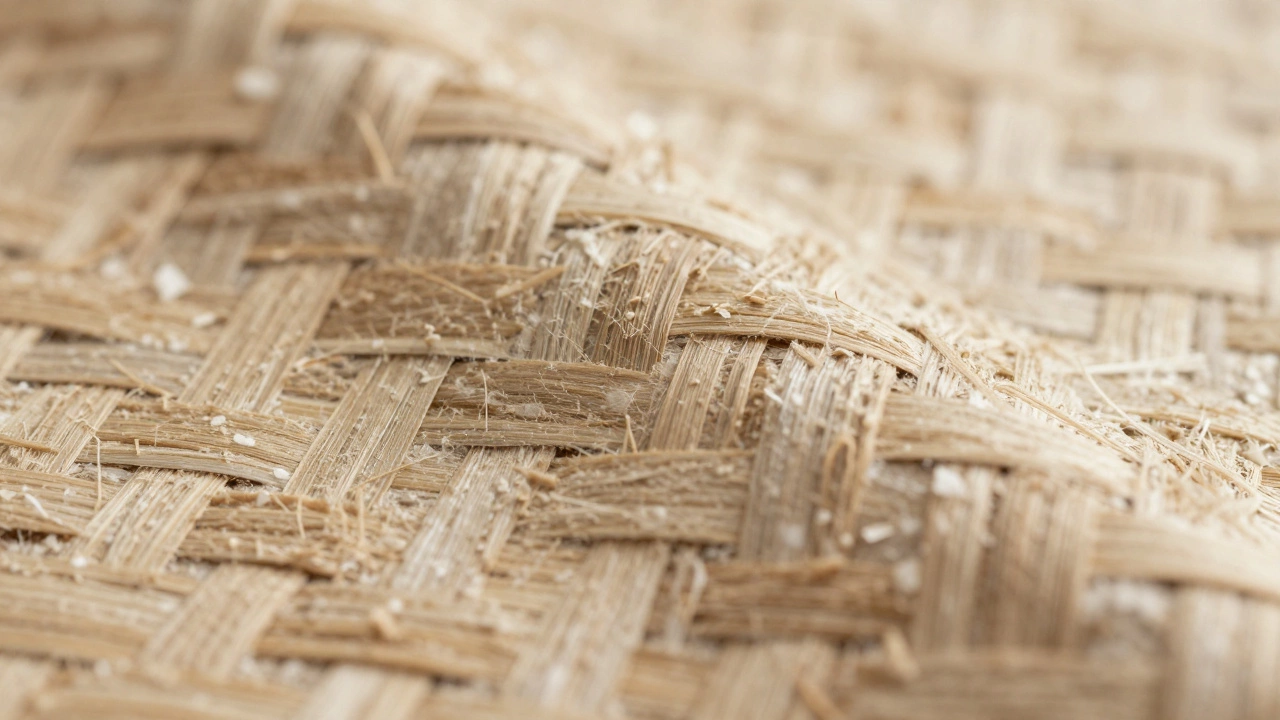
Another major trend involves texture mimicking nature. Many collections in 2026 feature faux stone or faux wood grain that feels incredibly tactile. This creates a cozy, grounded atmosphere. It brings warmth to concrete minimalist structures. If you live in an apartment with hard flooring, adding a textured wall covering softens the echo in the room. It acts similarly to heavy rugs.
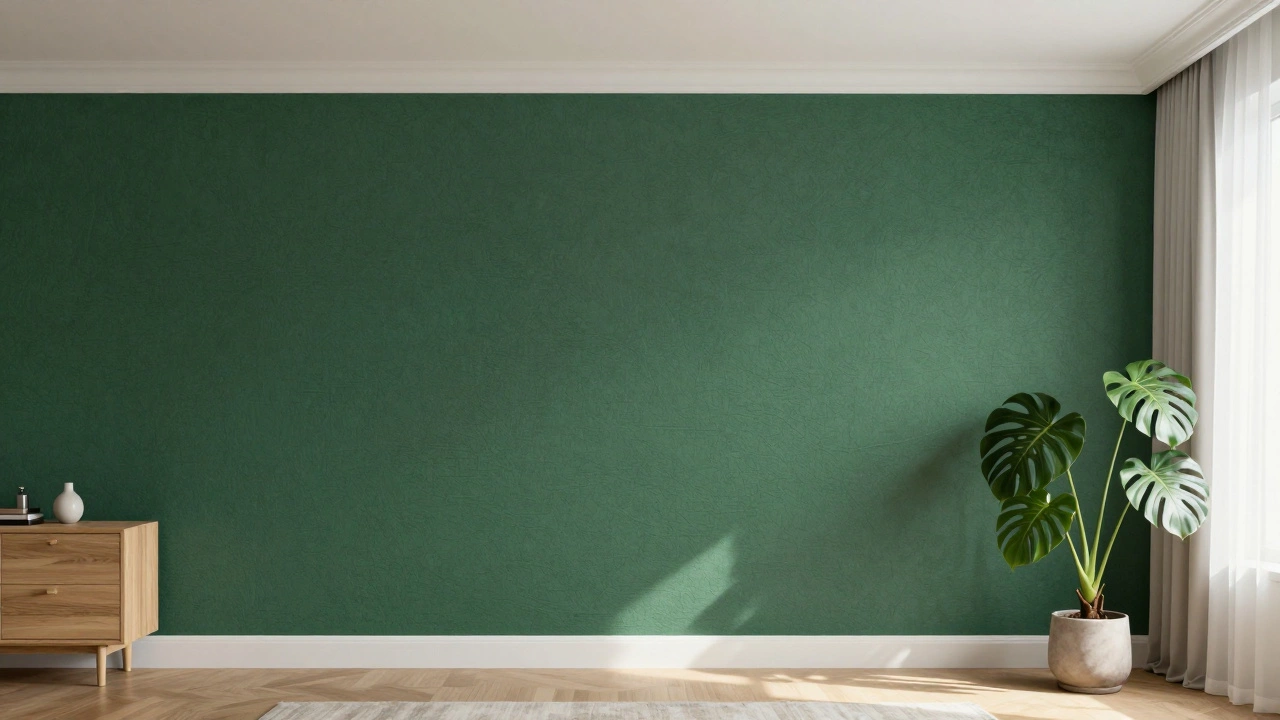
Color psychology also plays a larger role. While neutrals always work, saturated tones are returning. Deep emerald greens and terracotta reds help define social spaces. We are seeing clients pair these dark tones with light-colored trim to maintain contrast. Without this contrast, the room loses definition. A painted ceiling paired with a bold wall creates a "box" effect that feels intimate.
Sustainable sourcing is no longer a niche. Buyers expect transparency. Brands are using bamboo pulp and recycled cotton. Some manufacturers even use water-based inks that contain zero volatile organic compounds (VOCs). This matters for indoor air quality. You spend 90 percent of your life indoors. Breathing toxins trapped in cheap synthetic wall finishes is unnecessary. Always check certifications.
Installation: The Barrier to Entry
The number one reason people avoid wallpaper is the perceived difficulty of hanging it. Historically, misalignment ruined the pattern match. It required skill. If one seam was visible, it drew the eye immediately. The good news is that preparation techniques have improved significantly.
Paste-the-wall systems are the gold standard now. You roll adhesive onto the wall, not the paper. This allows the installer to slide the paper around until it aligns perfectly. There is no shrinking or bubbling after application because the paper doesn't soak up water from the backing. You cut the strips before measuring. It reduces waste.
For DIY enthusiasts, there is a simpler route. Pre-pasted options exist where you activate the glue with a water bottle. For renters, we strongly recommend the peelable variety. This eliminates the need for any wet tools. You position, smooth, and press. It creates a barrier between you and potential deposit loss. Just test a small corner first to ensure the paint underneath doesn't lift.
Lighting matters during this phase. You need natural daylight to spot imperfections in the alignment. Working under yellow incandescent bulbs hides shadow lines. Open the curtains or bring in portable work lights. Proper lighting reveals bubbles instantly. Once the job is done, trimming the edges with a sharp utility knife ensures a clean line against the skirting board.
Room-by-Room Strategy
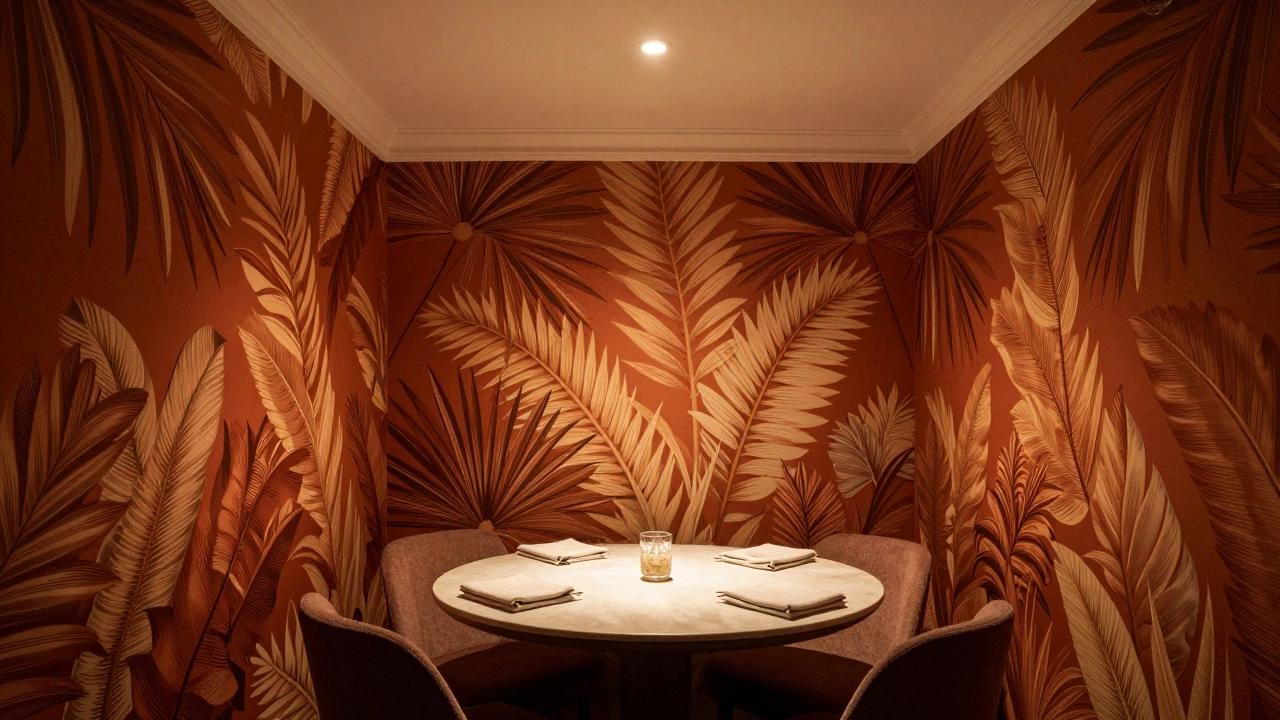
Different rooms demand different functions. You wouldn't put the same delicate fabric in a kitchen as you would in a master suite. In the dining room, you want ambiance. Darker, patterned designs encourage conversation by closing in the space slightly. It separates the dining zone from the open-plan living area.
In the bedroom, calm is king. Soft textures and low-contrast palettes support sleep hygiene. Avoid high-contrast geometrics here as they stimulate the brain. A subtle grasscloth adds depth without the visual noise. For children's rooms, durability is the priority. Washable vinyl withstands markers and crayons better than paper.
Small spaces like powder rooms offer the most freedom. Since the footprint is tiny, the cost of premium custom material remains low. You can experiment with dramatic gradients here. This becomes a statement piece for guests. It sets the tone before anyone enters the main hallway.
Cost Analysis vs. Paint
Budget is the most common objection. Is it worth the extra expense? A gallon of high-quality paint costs significantly less than three meters of premium paper. However, you must calculate the labor hours. Painting multiple coats takes days due to drying times. Wallcoverings often look finished in hours.
Paint requires taping and masking windows. It drips. Wallpaper is a factory-made product with consistent color batches. When you paint yourself, slight color variations happen between coats. With wallcovering, every inch is identical. The cost per square meter is higher, but the longevity often exceeds five years before refreshment is needed. Paint usually peels or chips sooner in high-traffic zones.
If money is tight, consider the hybrid approach. Apply wallpaper to only one focal wall, leaving the others painted white. This balances the budget while introducing the desired style. It gives you the visual pop without the full price tag of covering four walls.
Is wallpaper difficult to remove later?
It depends on the type. Traditional paste requires soaking and scraping. However, many 2026 products use water-soluble adhesives designed for easy stripping. Peel-and-stick versions simply pull off cleanly, though you must watch for paint lifting if you rent.
Can I hang wallpaper in my bathroom?
Yes, but only specific types work. Use washable vinyl or solid non-woven materials in high-humidity zones. Avoid pure paper or unsealed fabrics near direct shower spray. Moisture management is key to preventing mold behind the seams.
Does wallpaper hide wall cracks?
Not really. Heavy textures might mask minor imperfections, but hairline cracks often show through lighter finishes. It is better to repair and skim coat the wall surface before applying any finish. Wallpaper stretches with building movement, sometimes revealing flaws.
How much does professional installation cost?
Rates vary by region and complexity. Generally, professionals charge per square meter or by the day. Intricate pattern matching increases the rate. Expect to pay roughly double the material cost for expert labor to ensure longevity.
Are digital wallpapers eco-friendly?
Digital printing reduces ink waste significantly compared to screen printing. Combine this with plant-based substrates and low-VOC inks, and you get a very green alternative to traditional manufacturing. Always look for GreenGuard certification.
Ultimately, your walls define the energy of your home. Ignoring this powerful element means settling for flat, boring backgrounds. With the right choices, you transform a house into a curated sanctuary. Don't let outdated fears dictate your design journey. Explore the textures and patterns that speak to you personally.