
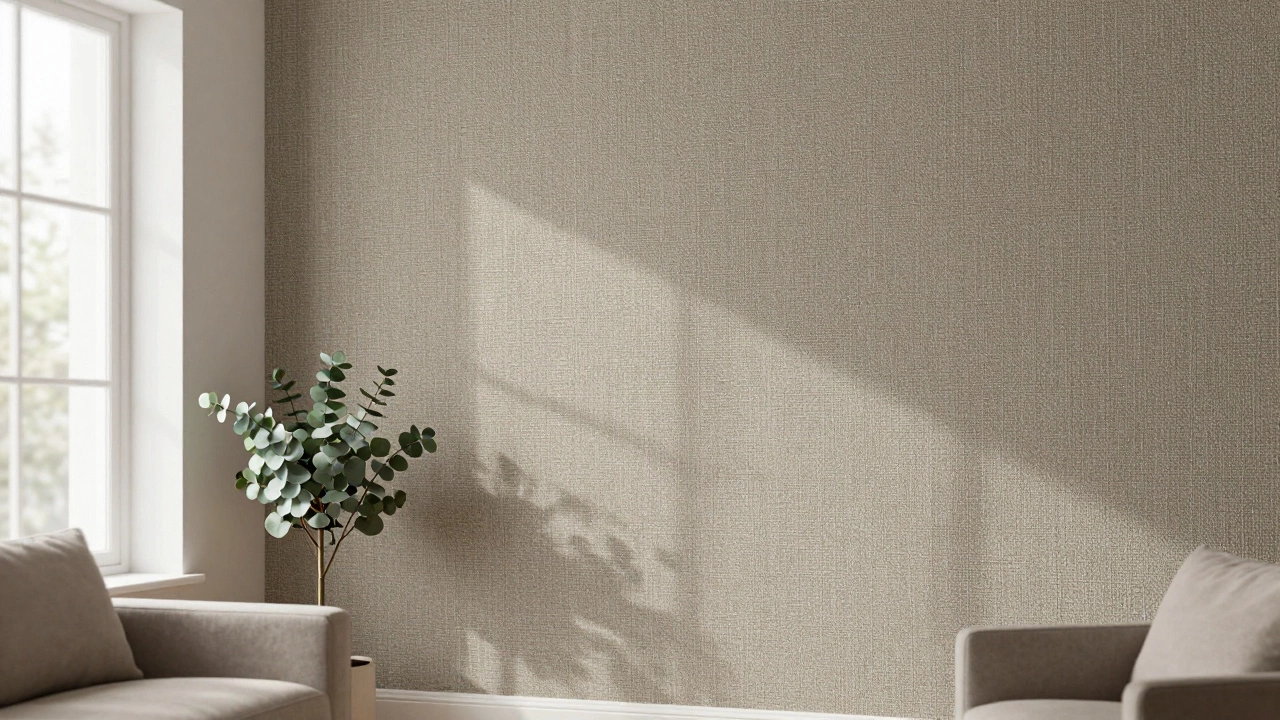
Wallpaper used to be the thing your grandparents had on their walls - floral patterns, thick paste, and a sticky mess when it started peeling. But here’s the truth: wallpaper isn’t dead. It’s not even outdated. In fact, in 2026, it’s having a serious comeback - and it’s not because people are nostalgic. It’s because modern wallpaper is smarter, easier, and way more powerful than anyone remembers.
Wallpaper Isn’t What It Used to Be
Think back to the 90s. Wallpaper meant busy patterns, cheap vinyl, and walls that looked like they were wrapped in a bedsheet from a thrift store. Today’s wallpaper is nothing like that. It’s made with breathable, mold-resistant non-woven fabrics. It’s washable. It’s removable without damaging paint. And it’s printed with ultra-high-definition designs that look like hand-painted murals - not mass-produced repeats.
Take a look at what’s selling right now: botanicals with subtle gradients, textured metallics that catch light like real metal leaf, and abstract watercolor washes that feel more like art than decoration. Brands like Cole & Son, Graham & Brown, and even local Australian makers like The Wall Paper Co. are using eco-friendly inks and FSC-certified paper. You’re not putting up wallpaper - you’re installing a statement piece.
Why People Are Choosing Wallpaper Again
Homeowners in Melbourne, Sydney, and beyond are ditching plain paint for wallpaper because it solves real problems. Paint fades. Paint chips. Paint looks flat. Wallpaper adds depth, texture, and personality in ways paint simply can’t.
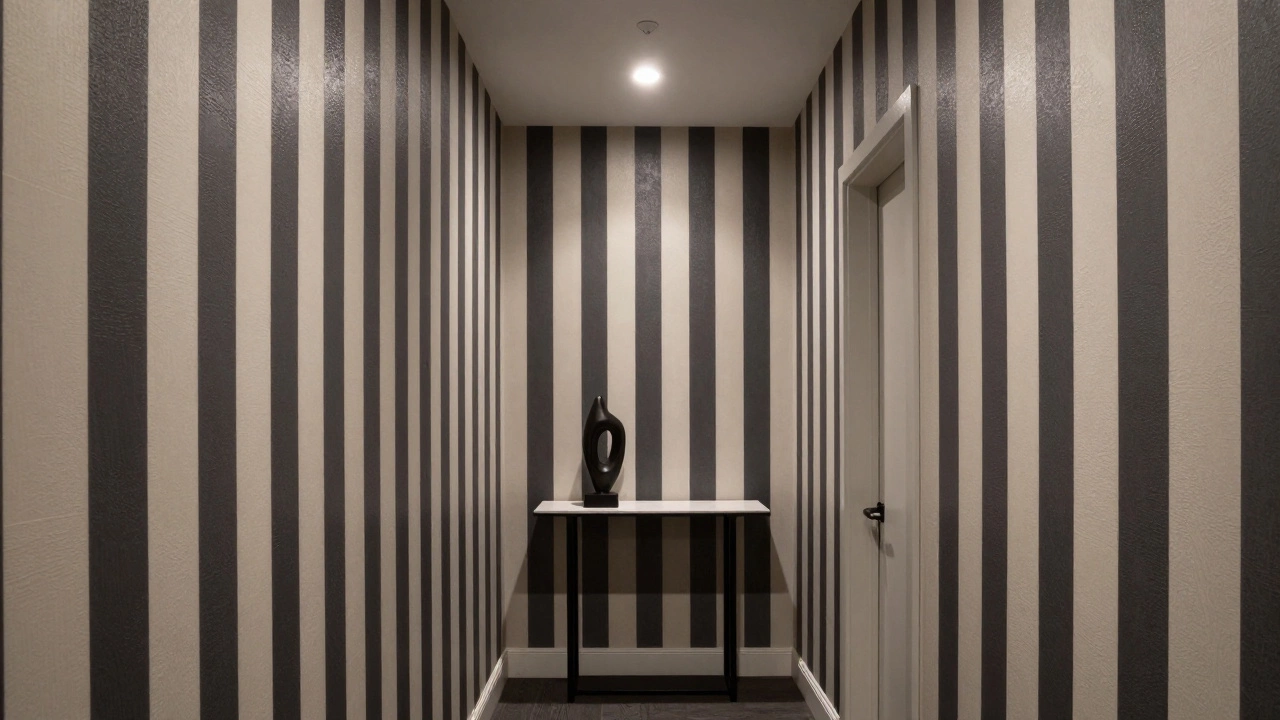
One client I worked with last year had a narrow hallway that felt like a tunnel. She painted it three times - each time it looked smaller. Then she put up a vertical stripe wallpaper in charcoal and cream. Instantly, the space felt taller, more intentional, and surprisingly luxurious. No renovation. No new lighting. Just one roll of paper.
Another reason? Privacy. In open-plan homes, wallpaper helps define zones without walls. A bold pattern behind the dining area separates it from the living room without blocking light. A soft linen-textured wallpaper in the bedroom creates a cocoon effect - calming, warm, and far more inviting than flat white.
What’s Actually In Style in 2026
Let’s cut through the noise. Here’s what’s actually being installed in homes right now:
- Textured finishes: Grasscloth, cork, and linen-effect wallpapers are huge. They add tactile warmth and absorb sound - perfect for open-plan living.
- Monochrome with depth: Black, white, and gray aren’t boring anymore. Think charcoal with subtle embossing, or cream with a brushed concrete effect.
- Biophilic designs: Realistic ferns, eucalyptus branches, and abstract leaf patterns are everywhere. They connect indoor spaces to nature without needing a plant on every surface.
- Geometric minimalism: Clean lines, asymmetrical shapes, and low-contrast patterns. Think Japanese ink washes or Bauhaus-inspired grids.
- Accent walls with purpose: Not every wall. Just one. The wall behind the bed. The wall in the powder room. The wall you see when you walk in the door. That’s where wallpaper shines.
And here’s the kicker: 68% of interior designers in Australia reported a 40% increase in wallpaper requests from clients between 2023 and 2025, according to the Australian Interior Design Association. It’s not a fad. It’s a shift.
Where Wallpaper Still Doesn’t Work
Don’t get me wrong - wallpaper isn’t magic. It doesn’t fix every problem.
A bathroom with poor ventilation? Avoid paper unless it’s specifically rated for high-moisture areas. Some products can handle steam, but not all. Look for the ‘Class A’ moisture rating on the label.
A rental with peeling plaster? Wallpaper won’t hide that. You need a smooth, primed surface. If the wall’s uneven or crumbling, paint is still your friend.
And if you’re planning to sell your house next year? Stick to neutral tones. Bold wallpaper can turn off buyers - unless it’s a high-end feature in a luxury market. In Melbourne’s inner suburbs, a well-chosen accent wall can actually boost perceived value. In regional areas? Play it safe.
Cost vs. Paint: Is It Worth It?
Let’s talk money. A good roll of modern wallpaper costs between $60 and $120. You’ll need about 4-6 rolls for a standard room. That’s $250-$700 total.
Paint? A 20L drum of premium paint runs $150-$200. You’ll need two coats. That’s $300-$400 for materials - plus brushes, trays, tape, drop cloths, and your time.
Here’s the real difference: wallpaper takes less time to install. A pro can do an accent wall in under three hours. Painting that same wall? At least half a day, with prep, drying time, and touch-ups.
And wallpaper lasts. A quality non-woven paper lasts 15-20 years if not abused. Paint? Five to seven years before it starts looking tired.
How to Pick the Right Wallpaper
Start with the room’s purpose.
- Living room: Go bold. Texture, pattern, color - this is your stage.
- Bedroom: Soft, calming, tactile. Linen, grasscloth, muted tones.
- Home office: Subtle pattern or tone-on-tone. Avoid distraction.
- Bathroom: Only use moisture-resistant. Avoid large patterns - they show seams.
- Entryway: First impression matters. Use wallpaper to make a statement.
Test before you buy. Order a sample. Tape it to the wall. Live with it for a week. Watch how the light changes from morning to night. What looks dramatic in the store might feel overwhelming in your space.
The Future of Wallpaper
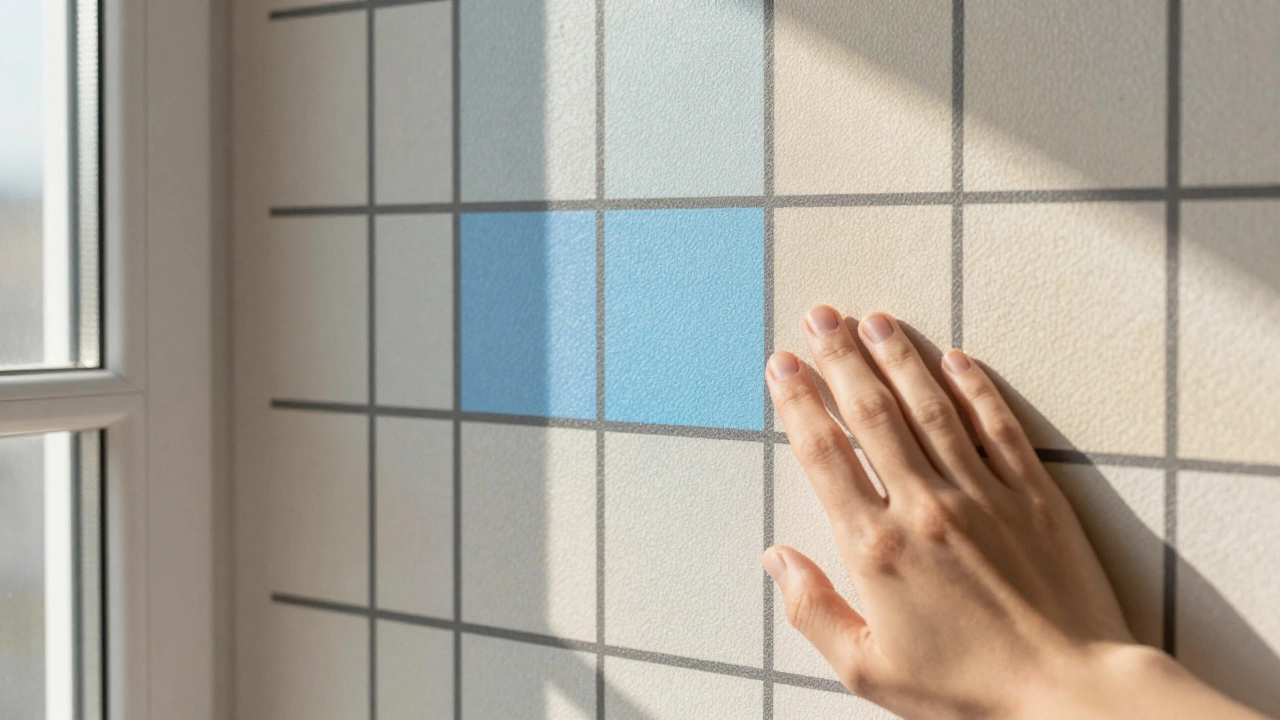
Smart wallpaper is already here. Some brands are releasing products with embedded LED strips that glow softly at night. Others use thermochromic inks that shift color with temperature - cool blue in winter, warm beige in summer.
And sustainability? That’s the biggest driver. Unlike paint, which often contains VOCs, modern wallpaper is made with plant-based adhesives and recycled fibers. Many companies now offer take-back programs. You send back old rolls, they recycle them into new ones.
Wallpaper isn’t coming back because it’s trendy. It’s coming back because it’s better. It’s more expressive. More durable. More thoughtful. It doesn’t ask you to choose between style and function - it gives you both.
If you’ve been holding off because you think wallpaper is old-fashioned - you’re not behind the times. You’re just late to the party.
Is wallpaper hard to remove?
Modern non-woven wallpaper peels off cleanly in most cases - no steaming or scraping needed. Just start at the top corner and pull down slowly. If you’ve got old vinyl or paste-based paper, it’s trickier. But if you’re buying new wallpaper today, removal is built into the design.
Can I put wallpaper over painted walls?
Yes, but the wall needs to be smooth, clean, and primed. If the paint is flaking or glossy, sand it lightly and apply a wallpaper primer. Avoid putting wallpaper over textured walls like knockdown finishes - the pattern will warp over bumps.
Does wallpaper make a room look smaller?
It can, if you pick the wrong pattern. Large, busy designs in dark colors can feel overwhelming in small spaces. But vertical stripes, light tones, and subtle textures actually make rooms feel taller and more spacious. The key is scale and contrast.
Is wallpaper expensive to install?
Professional installation costs $30-$60 per square meter in Australia, depending on complexity. DIY is doable for beginners - most modern wallpapers are paste-the-wall, meaning you apply adhesive to the wall, not the paper. That cuts down on mess and mistakes.
What’s the best wallpaper for a rental?
Look for peel-and-stick wallpaper made for rentals. Brands like Tempaper and Wallsauce offer removable, repositionable options that won’t damage paint. They’re perfect for short-term use and easy to take down when you move out.
If you’re thinking about wallpaper because you want your home to feel different - not just updated - you’re on the right track. It’s not about following trends. It’s about choosing something that reflects how you actually live. And in 2026, that means going beyond paint. Wallpaper isn’t out of date. It’s just getting started.