Interactive Space & Light Balancer
Room Visualization
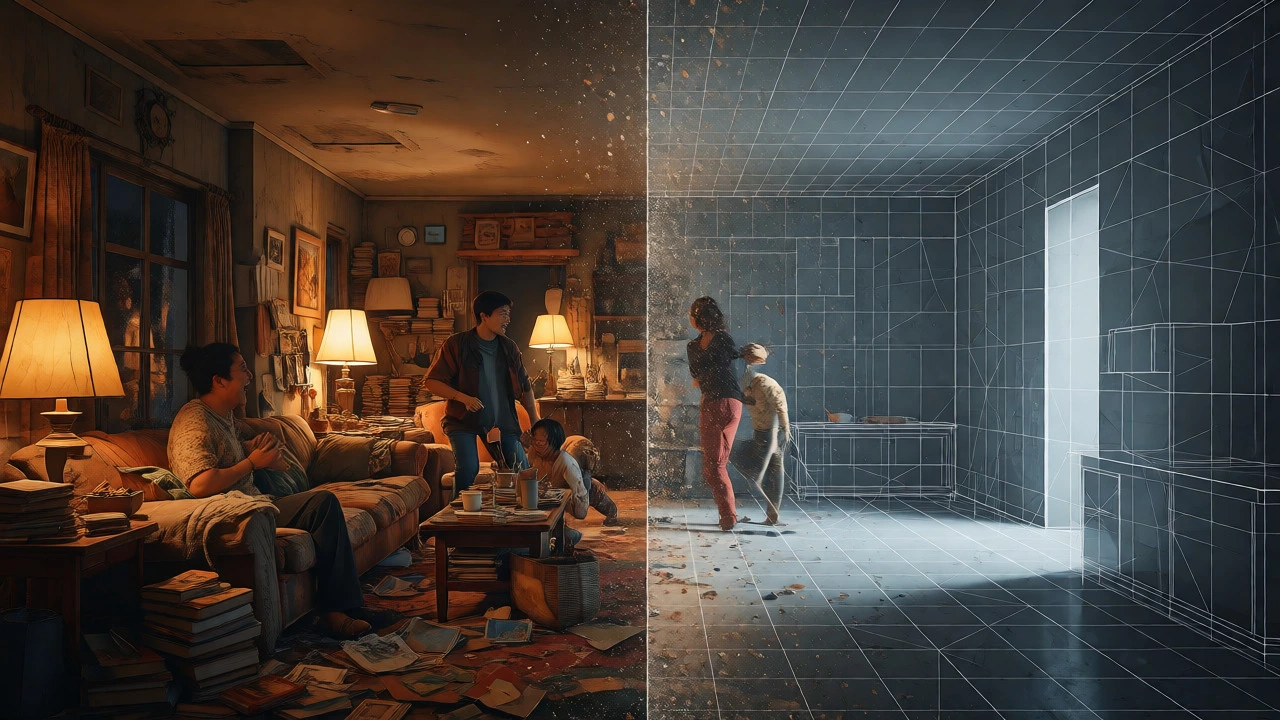
You walk into a room that looks like it belongs on the cover of Architectural Digest. The colors are perfect. The furniture is expensive. But something feels off. You can’t sit comfortably. The light hurts your eyes. You trip over a rug edge every time you walk to the kitchen. This is the silent killer in interior design: the gap between how a space looks and how it actually works.
Most people think the hardest part of designing a home is picking the right shade of beige or finding a sofa that fits through the door. It’s not. Those are logistical headaches, sure, but they’re solvable with tape measures and patience. The real challenge-the one that keeps designers up at night and leaves homeowners frustrated-is Balancing Form and Function, which is the practice of ensuring aesthetic choices do not compromise usability, comfort, or structural integrity. It’s about making a space beautiful without making it unusable.
The Illusion of Perfect Photos
We live in an era of Instagram-ready interiors. We scroll through feeds filled with minimalist living rooms that have zero clutter and bedrooms where no one has ever slept. These images create a dangerous expectation. They suggest that interior design is purely visual. But here’s the truth: a room is a machine for living. If you prioritize the "look" over the "live," you end up with what designers call a "museum piece." It’s stunning to look at, but nobody wants to touch anything.
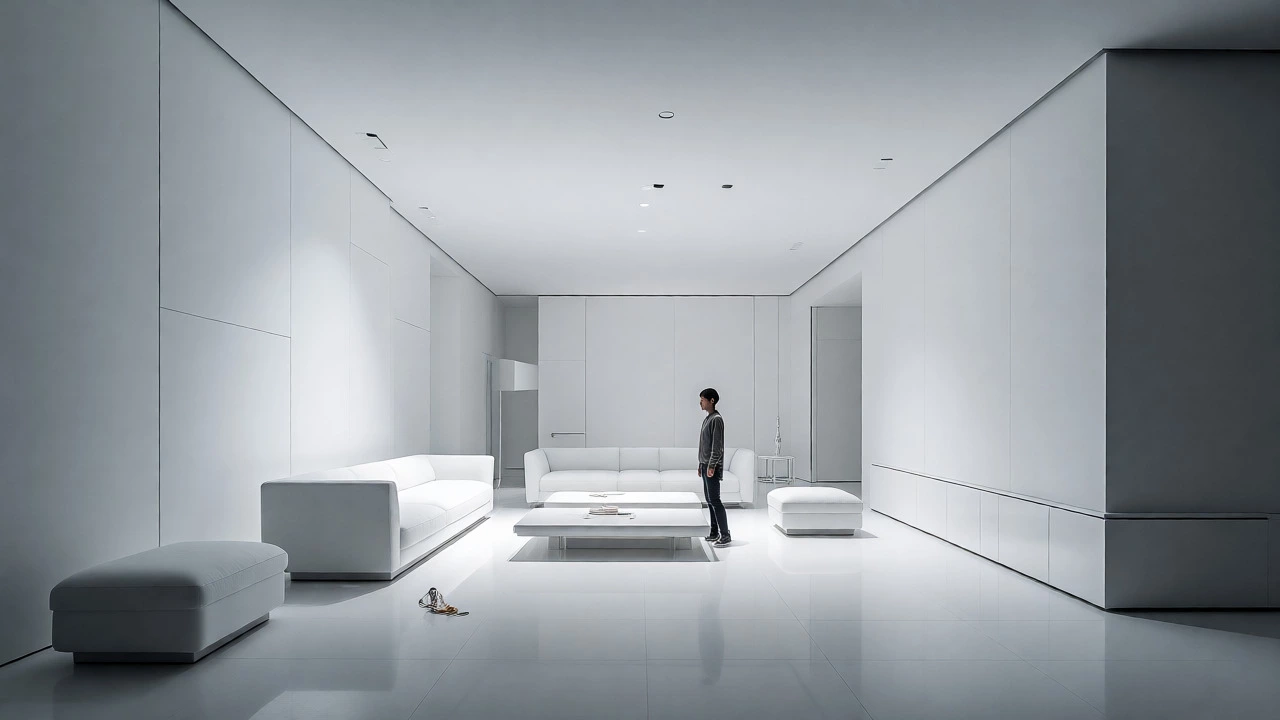
Consider the trend of all-white interiors. On camera, it looks airy and clean. In reality, if you have kids or pets, maintaining that pristine white requires constant vigilance. The friction between wanting a serene aesthetic and needing a durable, forgiving surface is a classic form-vs-function battle. The hardest decision isn't choosing the color; it's deciding whether you're willing to sacrifice peace of mind for that specific shade of white.
Space Planning Is Not Just Geometry
If there is one technical skill that separates amateurs from pros, it’s Space Planning, which is the strategic arrangement of furniture and fixtures to optimize flow, ergonomics, and utility within a defined area. Beginners often make the mistake of pushing all their furniture against the walls. It feels safe. It maximizes floor space in theory. But in practice, it creates a giant, empty void in the center of the room that feels cold and disconnected.
True space planning requires understanding human behavior. How do you move from the front door to the couch? Do you carry groceries from the car? Where does the dog sleep? A well-planned room accounts for these invisible paths. For example, leaving only 18 inches between a coffee table and a sofa might save space, but it makes getting out of the chair a contortionist act. The standard recommendation is 14-18 inches for reachability, but 30 inches allows for comfortable passage. Choosing between saving square footage and allowing easy movement is a daily dilemma.
| Mistake | Consequence | Best Practice |
|---|---|---|
| Floating furniture too far apart | Conversation becomes difficult; room feels fragmented | Keep seating within 8-10 feet of each other |
| Ignoring traffic patterns | People cut across the room, disrupting seating areas | Leave clear pathways of at least 36 inches |
| Using oversized rugs | Makes small rooms feel cramped and dark | Ensure all furniture legs fit on the rug or just front legs |
| Blocking natural light | Room feels smaller and moodier than intended | Place tall furniture on north-facing walls if possible |
The Budget Paradox
Money is always tight. Or rather, money is finite, but desires are infinite. The hardest financial aspect of Interior Design is allocating limited resources across competing priorities such as structural changes, high-use furniture, and decorative accents. Homeowners often blow their entire budget on a statement sofa, leaving nothing for lighting, curtains, or the paint job that ties it all together.
This leads to a disjointed look. You have a $3,000 sectional sitting on bare floors under a builder-grade ceiling light. The eye notices the imbalance immediately. Smart design requires a hierarchy of spending. High-touch items-things you physically interact with daily, like mattresses, sofas, and faucets-deserve a larger portion of the budget. Decorative items, like throw pillows or art prints, can be found at discount stores. The hard part is resisting the urge to buy the trendy armchair that costs more than your monthly grocery bill when you still need a working lamp.
Lighting: The Invisible Sculptor
You can spend thousands on furniture, but if your lighting is wrong, the room will fail. Lighting is arguably the most complex element because it involves physics, electricity, and psychology. Most homes rely on a single overhead fixture, known as the "big light." This casts harsh shadows and flattens the depth of the room. It’s functional, yes, but it’s rarely flattering.
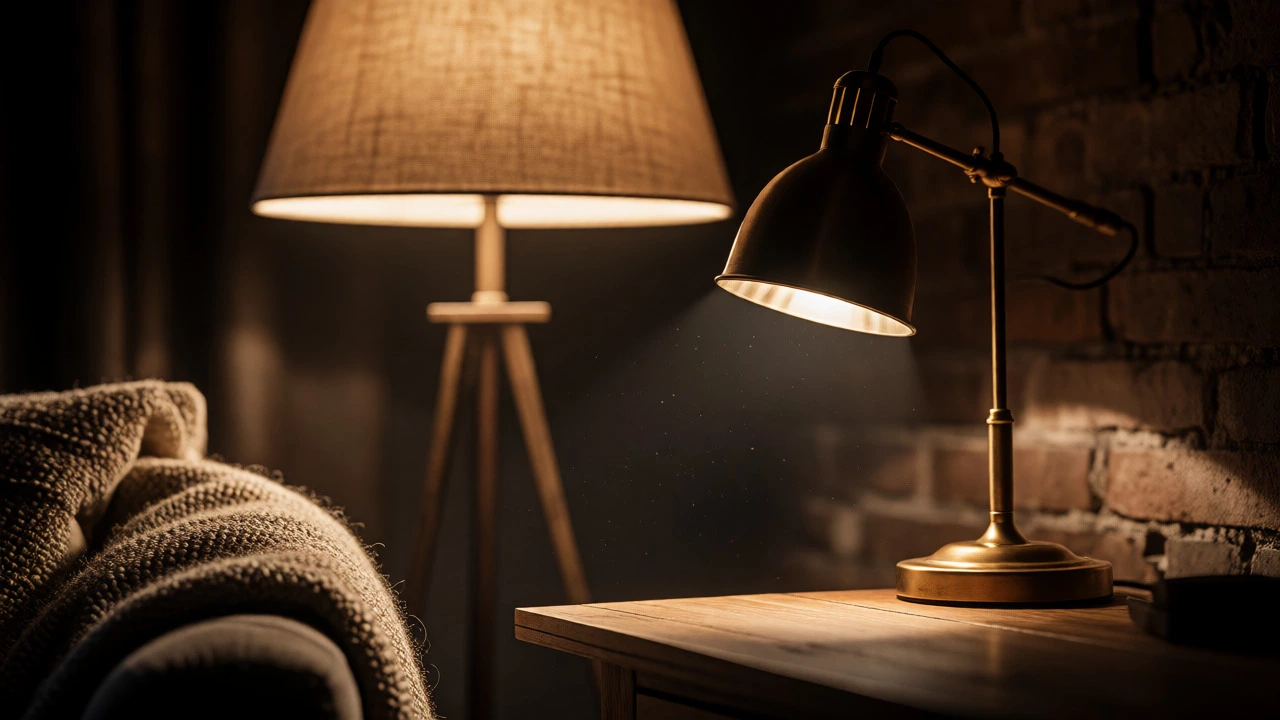
Layered Lighting is a technique combining ambient, task, and accent lighting to create depth and flexibility in a space. Ambient light provides general illumination. Task light helps you read or chop vegetables. Accent light highlights artwork or architectural features. The difficulty lies in wiring and placement. Retrofitting layered lighting into an existing home often requires electricians, new switches, and careful bulb selection. Color temperature matters too. A 2700K bulb (warm) in a kitchen can make food look muddy, while a 5000K bulb (cool) in a bedroom can feel clinical and wake you up. Getting this balance right is technically demanding and visually critical.
Color Psychology and Personal Taste
Choosing a color seems simple until you stand in the paint aisle holding fifty identical swatches of gray. Why is this so hard? Because color is subjective and contextual. A wall color looks different at 9 AM than it does at 9 PM. It looks different depending on whether your windows face north or south. North-facing rooms receive cool, blue-toned light, which can make warm yellows look greenish. South-facing rooms get intense golden light, which can wash out pale pastels.
Moreover, color affects mood. Red raises heart rates and stimulates appetite-great for a dining room, terrible for a bedroom. Blue calms, but too much can feel melancholic. The challenge is reconciling your personal taste with the psychological impact of the hue. You might love bright orange, but if it makes you anxious after a long day at work, it’s a bad choice for your sanctuary. Navigating this emotional landscape without regret is a significant hurdle.
Dealing with Existing Constraints
Unless you are building from scratch, you are fighting history. Older homes have quirks: uneven floors, low ceilings, awkward window placements, and load-bearing walls that cannot be moved. Modern apartments have their own issues: lack of storage, poor insulation, and standardized layouts that ignore how families actually live.
Designers must act as problem-solvers, not just decorators. How do you hide a massive HVAC unit without ruining the aesthetic? How do you add storage to a tiny bathroom without making it feel claustrophobic? These constraints force creative compromises. Sometimes the solution is accepting imperfection. Exposed brick beams might clash with modern furniture, but hiding them behind drywall loses the character of the home. Deciding what to highlight and what to conceal is a nuanced judgment call that defines the final result.
Conclusion: Embracing the Friction
The hardest thing in interior design isn't a single task-it's the continuous negotiation between beauty, budget, and behavior. There is no perfect formula. What works for a bachelor pad won't work for a family of five with two dogs. The key is to prioritize function first. If the layout doesn't work, no amount of pretty pillows will save it. Start with how you live, then layer in the aesthetics that reflect who you are. And remember, a home should evolve. Don't aim for perfection; aim for livability.
Why is lighting considered harder than furniture selection?
Lighting is dynamic and changes throughout the day, affecting how colors and textures appear. Unlike furniture, which is static, lighting requires understanding electrical infrastructure, color temperature, and layering techniques. Poor lighting can ruin even the most expensive furniture by casting unflattering shadows or creating glare.
How do I balance my budget in interior design?
Follow the 60-30-10 rule for spending. Allocate 60% to foundational items you use daily (sofa, mattress, flooring), 30% to secondary pieces (dining table, cabinets), and 10% to decor (art, accessories). Invest in quality where durability matters and save on trends that change quickly.
What is the biggest mistake beginners make in space planning?
Pushing all furniture against the walls. This creates a large, unused central area and disconnects conversation zones. Instead, float furniture to create intimate groupings, ensuring there are clear walkways of at least 30-36 inches for comfortable movement.
Can I fix bad lighting without rewiring?
Yes. Use plug-in sconces, floor lamps, and table lamps to add layers. Swap bulbs for higher CRI (Color Rendering Index) options to improve color accuracy. Add dimmer switches to control intensity. Strategic mirror placement can also bounce light around dark corners.
How does natural light affect color choice?
North-facing rooms receive cool, indirect light, making warm colors appear muted and cool colors look stark. South-facing rooms get warm, direct sunlight, which intensifies colors and can bleach fabrics. Always test paint samples on multiple walls and observe them at different times of day before committing.