
What are you trying to solve?
Select all that apply to find your optimal setup.
Why this works:
Essential Gear:
Select your symptoms and click calculate to see the ideal position for your health needs.
Quick Guide: Which Position Fits Your Needs?
- Side Sleeping: Best for snoring, sleep apnea, and pregnancy.
- Back Sleeping: Best for spinal alignment and preventing facial wrinkles.
- Stomach Sleeping: Generally discouraged, but okay for some with specific snoring issues if modified.
The Side Sleeper: The Most Popular Choice
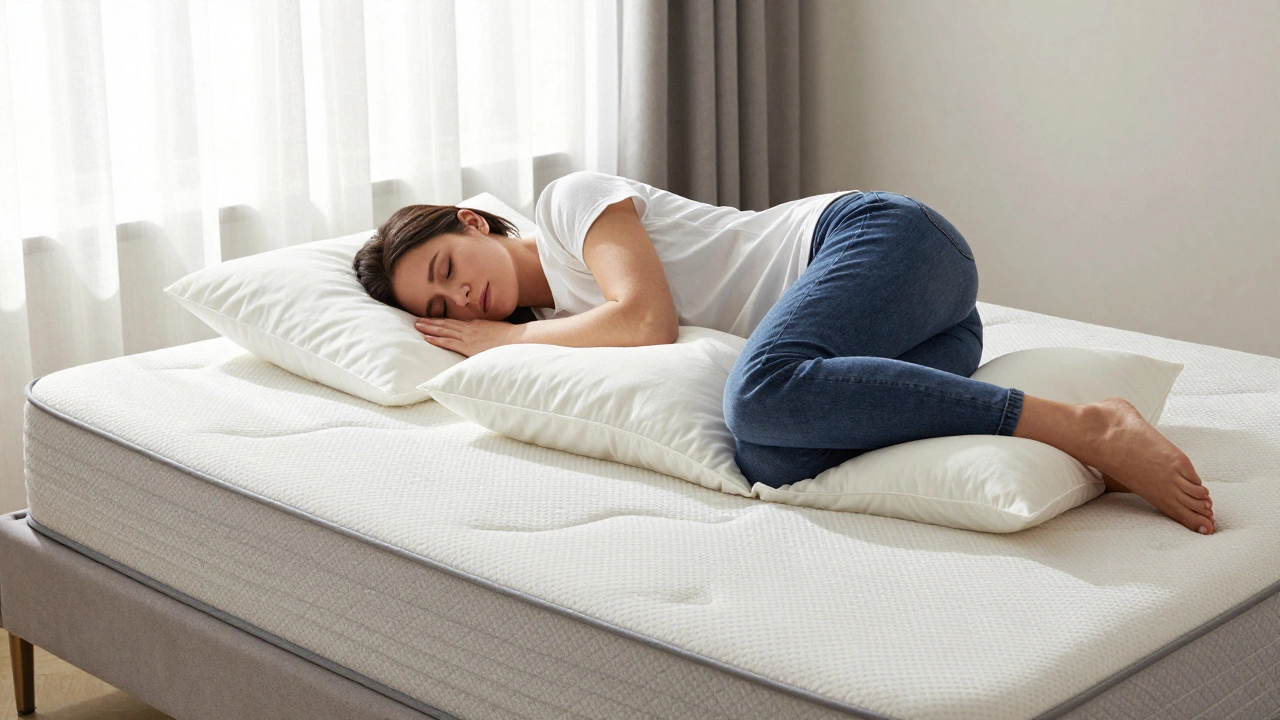
Most people naturally gravitate toward their side. It's generally the safest bet for most adults, especially if you struggle with Sleep Apnea, a condition where your breathing repeatedly stops and starts. When you sleep on your back, your tongue can collapse backward, blocking the airway. Side sleeping keeps that pipe open. But side sleeping has a hidden trap: the shoulder and hip crush. If you just lie flat on your side, your top leg often slides forward, twisting your pelvis and putting a strain on your lower back. To fix this, grab a firm pillow and place it between your knees. This keeps your hips, pelvis, and spine in a neutral line. If you're a side sleeper who wakes up with a numb arm, try "hugging" a pillow. This prevents your top shoulder from collapsing forward, which reduces tension in your neck and upper back.The Back Sleeper: The Gold Standard for Alignment
If you want the most balanced weight distribution, the back is where it's at. When you lie on your back, your weight is spread evenly across the largest surface area of your body. This means fewer pressure points and less tossing and turning. From a beauty perspective, this is the only position that prevents "sleep wrinkles." Since your face isn't smashed into a pillow for eight hours, you avoid the permanent creases that can form over time. However, the back is the danger zone for snoring. Gravity pulls the soft tissues in the throat downward, which is why many people find themselves snoring loudly in this position. To make back sleeping actually feel good, you need to support the natural curve of your lower back. A small pillow or a rolled-up towel under the knees is a game-changer. It flattens the lumbar spine against the mattress, removing that annoying gap that often leads to morning stiffness.
The Stomach Sleeper: The Risky Move
Let's be honest: sleeping on your stomach is usually the worst option for your health. The biggest issue is your neck. You can't breathe through your pillow, so you have to turn your head 90 degrees to one side. Doing this for eight hours puts massive torque on your cervical spine and strains the muscles in your neck. Furthermore, stomach sleeping often causes the lower back to arch excessively, which can lead to chronic lumbar pain. If you absolutely cannot sleep any other way, you need to change your gear. Switch to a very thin pillow-or no pillow at all-for your head to keep your neck from angling too sharply. Some people find relief by placing a flat pillow under their pelvis to lift the hips and flatten the back.| Position | Pros | Cons | Best Accessory |
|---|---|---|---|
| Side | Reduces snoring, good for digestion | Shoulder pressure, hip misalignment | Knee pillow |
| Back | Perfect spinal alignment, skin health | Triggers snoring and sleep apnea | Under-knee bolster |
| Stomach | Can reduce some snoring | Neck strain, lower back arching | Thin or no pillow |
Matching Your Position to Your Health Issues
Your healthiest sleeping position depends entirely on what's keeping you up at night. If you deal with GERD (Gastroesophageal Reflux Disease), the left side is your best friend. Because of the angle of the stomach, lying on the left side keeps gastric acid from leaking into the esophagus. Lying on the right side or your back can actually make heartburn worse. For those with chronic lower back pain, back sleeping with knee support is usually the winner. However, if you have a herniated disc in your neck, side sleeping with a contoured pillow that fills the gap between your ear and shoulder is often the only way to get a painless night's rest. ## The Role of Your Bedroom Environment Your posture is only half the battle; the surface you're on does the heavy lifting. A mattress that is too soft will cause your hips to sink, creating a "hammock effect" that ruins your spinal alignment regardless of your position. For side sleepers, a medium-firm mattress is usually ideal because it provides enough give for the shoulder and hip but enough support to keep the spine straight. Back sleepers generally do better with a slightly firmer feel to prevent the midsection from sagging. If you're a stomach sleeper, you need a firm surface; otherwise, your hips sink and your back arches, which is a recipe for a morning migraine in your lower spine.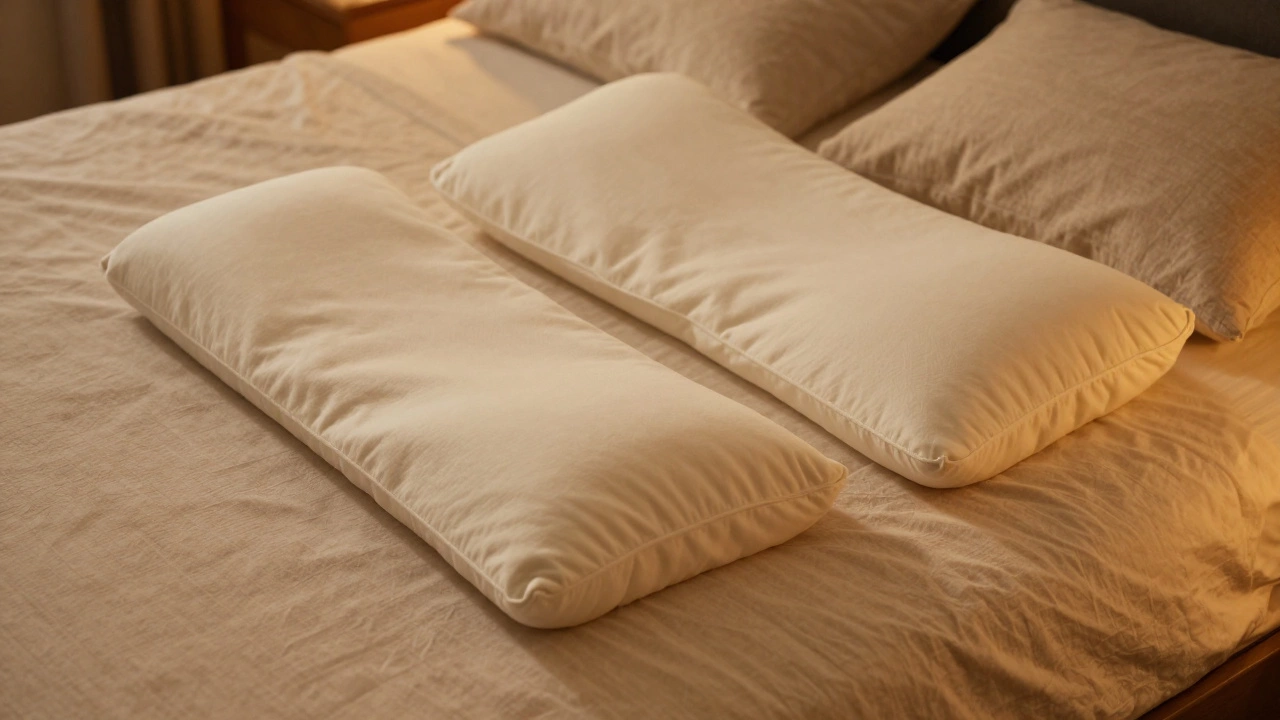
Common Pitfalls and How to Fix Them
One of the biggest mistakes people make is using the same pillow for every position. A thick, fluffy pillow is great for side sleeping because it fills the space between the shoulder and the head. But if you roll onto your back with that same pillow, it pushes your chin toward your chest, closing your airway and straining your neck. Another common error is ignoring the "sleep transition." Many of us start the night in a healthy position but wake up in a twisted mess. To prevent this, try using a body pillow. It acts as a physical barrier that keeps you locked into a side-sleeping position, preventing you from rolling onto your stomach or back mid-sleep.Is sleeping on your left side better than your right?
For most people, the left side is superior if you suffer from acid reflux or indigestion. This is due to the anatomy of the stomach; lying on the left keeps the stomach opening above the gastric acid level. However, for heart health, some older studies suggested the right side puts less pressure on the heart, though for the average healthy person, the difference is negligible.
How can I stop sleeping on my stomach?
The most effective way is "positional training." Start by using a long body pillow to hug and place between your legs; this makes side sleeping feel more secure and natural. Some people even sew a tennis ball into the back of a t-shirt to create a physical discomfort that forces them to roll away from the stomach position during the night.
Does a memory foam pillow help with neck pain?
It can, provided it's the right density. Memory foam contours to the curve of your neck, which is great for side sleepers. However, if the foam is too soft, your head will sink too far, losing the support needed to keep the spine neutral. Look for "contoured" memory foam pillows that have a dedicated neck roll.
Why do I wake up with a numb arm when sleeping on my side?
This is usually caused by compressing the brachial plexus nerves in your shoulder. This happens when your shoulder collapses inward or you tuck your arm under your head. To fix this, use a softer mattress topper or a pillow that allows your shoulder to sink in slightly without compressing the nerve.
Is it okay to sleep on my back if I snore?
Generally, no. Back sleeping allows gravity to pull the soft tissues of the throat downward, narrowing the airway and increasing snoring. If you must sleep on your back, try elevating the head of your bed by 4 to 6 inches using a wedge pillow to keep the airway more open.
Final Adjustments for Better Sleep
If you're still waking up in pain, start a "sleep audit." Spend one week tracking exactly how you wake up. Do you have a kink in your neck? Your pillow is likely too high. Do you have a dull ache in your lower back? Your mattress might be too soft, or you need a pillow under your knees. Small tweaks-like moving a pillow from under your head to between your knees-can be the difference between a night of tossing and turning and a deep, restorative sleep. Your body is a series of curves; the goal of your bedroom setup should be to support those curves, not fight them.