
Warm Minimalism Style Quiz
Discover how well you match the dominant 2026 interior trend. Four questions, one personalized result.
Walk into any well-designed home in Melbourne right now, and you’ll notice a shift. The stark, cold white boxes of the early 2020s are gone. In their place is something warmer, more textured, and significantly more livable. If you’re wondering what defines modern home interiors today, the answer isn’t a single rigid rulebook but a blend of functionality, comfort, and honest materials. We’ve moved past the phase where homes had to look like showrooms. Now, they need to feel like *you*.
The dominant style for 2026 is often described as "Warm Minimalism" or "Soft Modern." It’s not about having less stuff; it’s about having the right stuff. Every item serves a purpose, but that purpose includes emotional comfort, not just utility. This approach balances clean lines with organic textures, creating spaces that feel calm without being sterile. It’s the style that acknowledges we spend most of our lives at home, so the environment should support our mental health, not just impress guests.
Defining Warm Minimalism
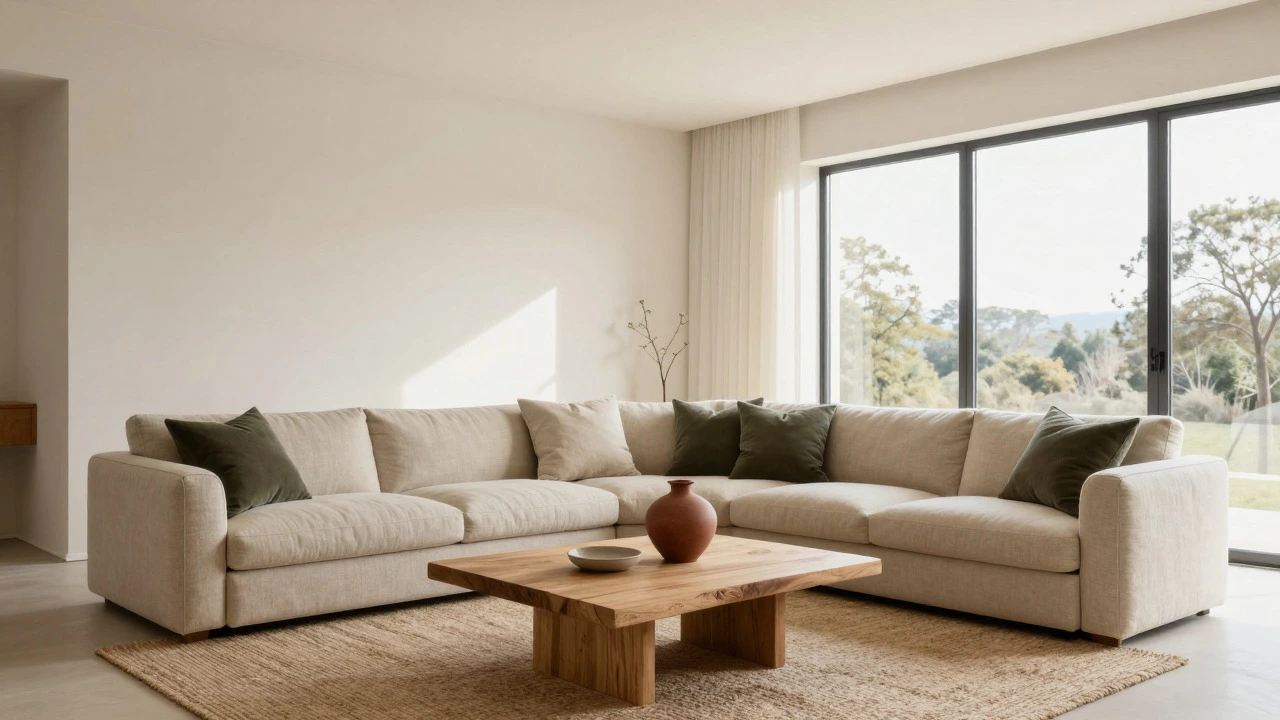
Warm Minimalism is an interior design aesthetic that combines the clean lines of modern architecture with natural materials, earthy tones, and layered textures to create cozy yet uncluttered spaces. Unlike traditional minimalism, which can feel clinical, this style embraces warmth through color and material choice. Think of it as the difference between a hospital waiting room and a high-end boutique hotel lobby. Both are tidy, but one feels unwelcoming while the other invites you to stay.
This style relies heavily on a neutral palette that isn’t purely white or gray. Instead, designers are leaning into creams, taupes, warm whites, and soft beiges. These base colors allow natural light to bounce around the room, making smaller spaces feel larger. But the magic happens in the accents. Deep greens, terracottas, and muted blues appear in throw pillows, rugs, or statement furniture pieces. This layering prevents the space from feeling flat.
Key Materials and Textures
You can’t talk about modern interiors without talking about touch. In 2026, visual appeal is only half the battle; tactile experience is the other. Smooth surfaces are being paired with rough ones to create contrast. Here’s what you’re seeing everywhere:
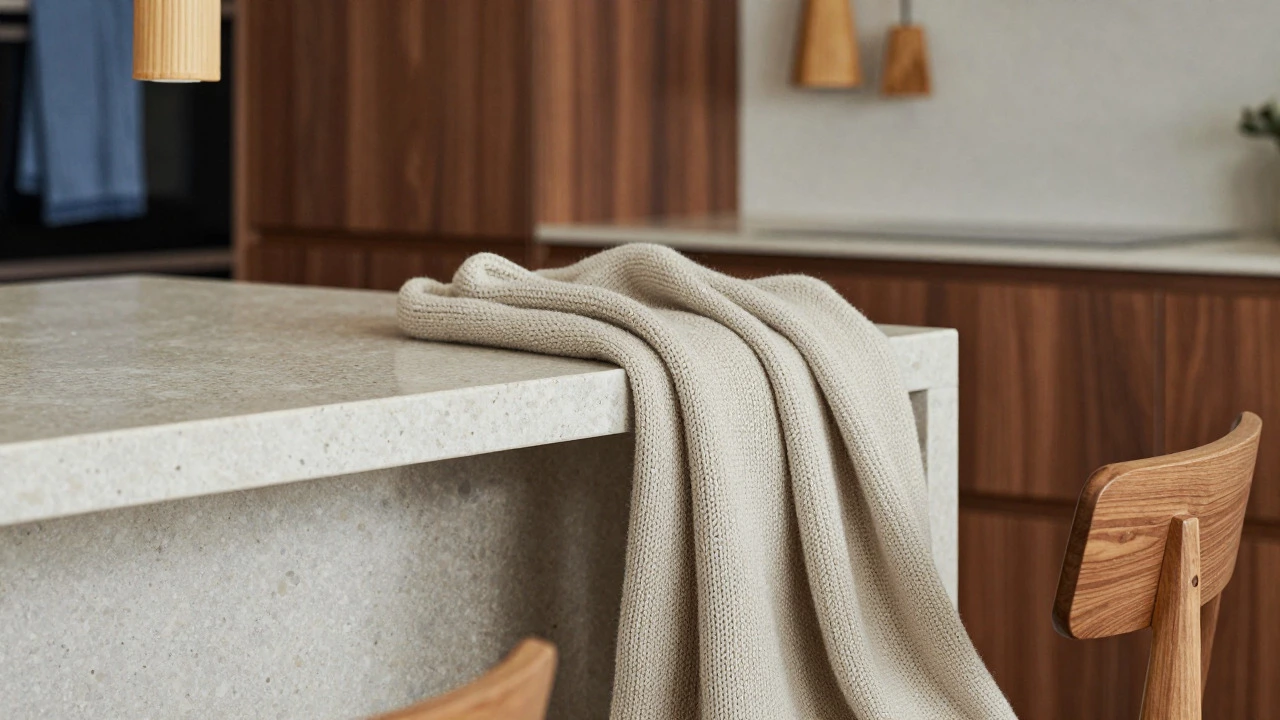
- Natural Wood: Light oak and walnut are staples. They add warmth to hard floors and countertops. Look for live edges or visible grain rather than polished, uniform finishes.
- Linen and Cotton: Heavy, textured fabrics replace glossy silks. Linen curtains and cotton slipcovers bring a relaxed, lived-in vibe to sofas and windows.
- Bamboo and Rattan: These sustainable materials are making a strong comeback. They work well in lighting fixtures, baskets, and even headboards, adding an organic element to structured rooms.
- Stone Surfaces: Marble is still present, but travertine and limestone are gaining popularity due to their softer, more porous looks. They pair beautifully with dark cabinetry in kitchens and bathrooms.
The goal is to avoid a single dominant texture. A smooth leather sofa looks different next to a chunky knit throw and a woven jute rug. This variety keeps the eye moving and makes the space feel dynamic.
Color Palettes That Work
Color psychology plays a huge role in how a room feels. For 2026, the trend is away from bold, saturated primaries and toward muted, complex hues. Designers are using color to create zones within open-plan living areas, which is common in Australian homes.
| Palette Name | Primary Colors | Accent Colors | Best For |
|---|---|---|---|
| Earthy Neutrals | Cream, Taupe, Beige | Olive Green, Rust | Living Rooms, Bedrooms |
| Coastal Calm | White, Light Gray | Dusty Blue, Sand | Kitchens, Bathrooms |
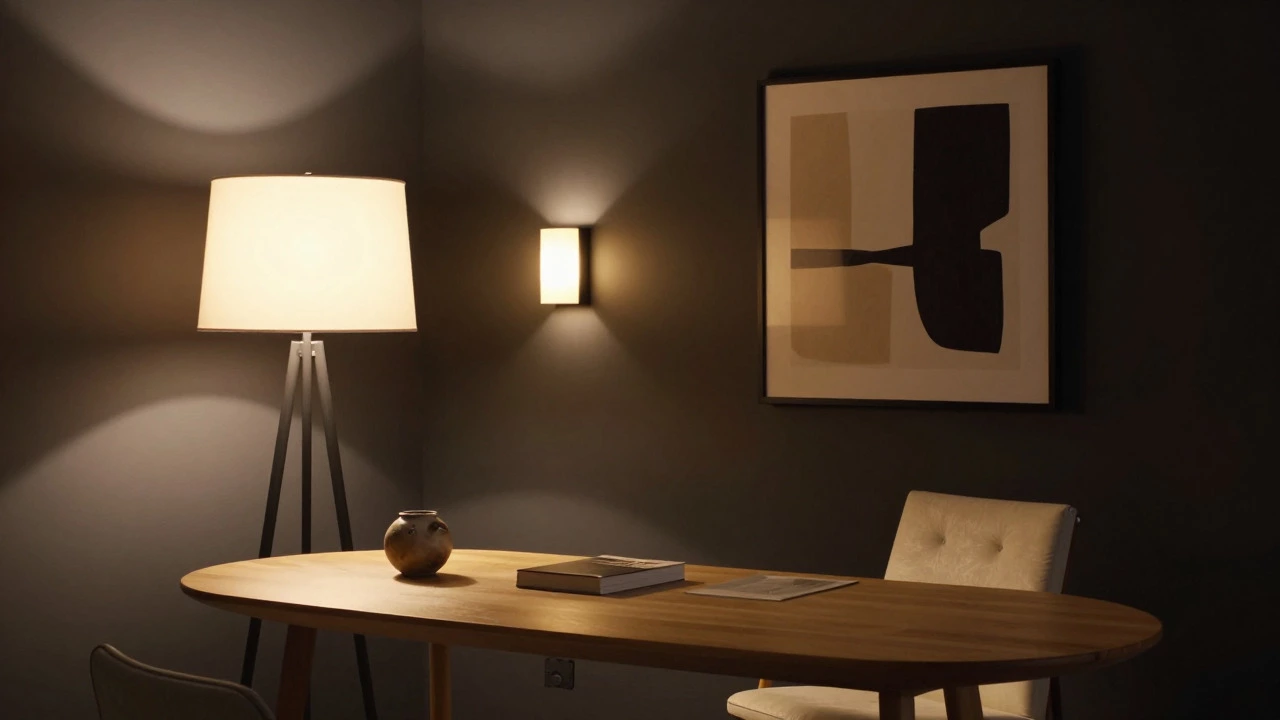
| Urban Sophistication | Charcoal, Black | Bronze, Cream | Home Offices, Dining Areas |
Notice how each palette uses a neutral base. This makes it easy to swap out accent items seasonally without repainting walls. If you love bright reds, you don’t need to paint your living room red. You can use red in ceramics, books, or art. This flexibility is a hallmark of the current style-it’s adaptable to personal taste without requiring major renovations.
Furniture Choices: Function First
Modern furniture in 2026 is defined by its ability to do more than one thing. Multi-functional pieces are no longer just for small apartments; they’re a lifestyle choice for anyone who values efficiency. A coffee table that doubles as storage, a bed frame with built-in drawers, or a dining table that extends when needed-these are standard features now.
Shape matters too. Sharp, angular edges are giving way to softer, rounded forms. Curved sofas and oval dining tables soften the architectural lines of the room. This curvature creates a sense of flow, guiding movement through the space naturally. When selecting furniture, look for pieces with clean silhouettes but comfortable proportions. Avoid anything overly ornate or bulky. The best modern pieces feel light, even if they are physically heavy.
Lighting: The Layered Approach
Lighting is often the first thing people get wrong in modern interiors. Relying solely on overhead lights creates harsh shadows and a flat look. The 2026 standard is layered lighting, which involves three types of light sources working together:
- Ambient Lighting: The general illumination of the room. This comes from ceiling fixtures, recessed lights, or large floor lamps. It should be dimmable to adjust the mood throughout the day.
- Task Lighting: Focused light for specific activities. Think pendant lights over kitchen islands, under-cabinet lighting in pantries, or reading lamps beside beds.
- Accent Lighting: Decorative light that highlights architectural features or artwork. Track lights, wall sconces, and LED strips behind shelves fall into this category.
In Melbourne, where natural light varies dramatically between seasons, maximizing daylight during the day and using warm artificial light in the evening is crucial. Choose bulbs with a color temperature between 2700K and 3000K for a cozy glow. Cooler temperatures (4000K+) can make a warm minimalist space feel too clinical.
Common Mistakes to Avoid
Even with the best intentions, it’s easy to fall into traps when trying to achieve this look. Here are the most common errors we see:
- Over-accessorizing: Just because the style is minimalist doesn’t mean empty. However, every object should have a reason to be there. If a decorative bowl hasn’t been used or admired in a month, consider storing it.
- Ignoring Scale: Large, bulky furniture can overwhelm a modern room. Ensure there is adequate walking space around pieces. A good rule of thumb is to leave at least 90cm of clearance in front of sofas and beds.
- Mixing Too Many Styles: While mixing eras is possible, it requires a unifying thread. If you mix vintage mid-century chairs with ultra-modern glass tables, ensure the colors or materials tie them together. Otherwise, it looks like a mismatched collection rather than a curated space.
Start small. You don’t need to overhaul your entire home in a weekend. Pick one room, choose a color palette, and update the textiles first. Fabric changes are inexpensive and high-impact. Once you’re happy with the base, then consider swapping out furniture or adding new lighting.
FAQ
Is modern interior design expensive?
Not necessarily. While custom furniture can be pricey, the core principles of modern design focus on simplicity and quality over quantity. You can achieve a modern look by decluttering, repainting walls in neutral tones, and updating hardware. Thrift stores are also excellent sources for unique, high-quality pieces that fit the aesthetic.
What is the difference between modern and contemporary design?
Modern design refers to a specific historical period (roughly 1920s-1950s) characterized by clean lines and industrial materials. Contemporary design is current and evolving. Today's contemporary interiors often blend modern elements with warmer, more organic touches, which is why "Warm Minimalism" is a subset of contemporary design rather than strict modernism.
How do I incorporate personal items into a minimalist space?
Curate, don't clutter. Choose a few meaningful items-a family photo, a favorite book, a handmade ceramic-and display them intentionally. Use open shelving sparingly and group items in odd numbers for a balanced look. The key is restraint; fewer items displayed with care have more impact than many items crammed together.
Are dark colors suitable for modern interiors?
Yes, but use them strategically. Dark colors like charcoal or navy can add depth and drama to a room. They work well in bedrooms or home offices where you want a cocooning effect. Pair them with lighter woods and ample natural light to prevent the space from feeling cramped.
What flooring is best for a modern home?
Light hardwood or laminate is the most popular choice as it reflects light and complements neutral palettes. Large-format tiles in stone-look finishes are also trending for their durability and sleek appearance. Avoid busy patterns; keep the floor simple so the furniture and decor can stand out.