Timeless Flooring Score Calculator
Input your current or planned flooring specifications below to see how well it aligns with the principles of timeless design outlined in the article.
You’re standing in a showroom, staring at a wall of samples. One looks trendy, another feels safe, and the third is screaming "2015." You want to pick something that won’t make you cringe in five years, let alone twenty. The truth? Most people waste money chasing trends that expire faster than milk.
Here’s the secret: timeless flooring isn’t about being boring. It’s about choosing materials and patterns that have survived centuries of design shifts because they work with light, space, and human psychology. Whether you’re renovating a heritage home in Melbourne or updating a modern apartment, picking the right floor saves you from expensive replacements later. Let’s break down exactly what sticks around and why.
Why Some Floors Last Forever While Others Fade Fast
Flooring longevity isn’t just about durability-it’s about visual neutrality. Trends rely on specific colors or textures that become dated when the cultural vibe shifts. Timeless styles, however, mimic natural elements or use proportions that feel inherently balanced to the eye.
Think about it this way: A neon green shag carpet was huge in the 70s but looks absurd today. Why? Because the color was tied to a specific era’s aesthetic. In contrast, wide-plank oak has been popular since colonial times. It works because wood grain is organic, unpredictable, and calming. Our brains are wired to find comfort in natural patterns. When you choose flooring that mimics nature or uses classic geometry, you’re tapping into something universal rather than temporary.
This doesn’t mean you can’t add personality. You just need to keep the floor as a stable canvas. If your floor changes every decade, your furniture and paint choices suffer too. A consistent foundation allows you to swap out rugs, curtains, and decor without worrying if the base still matches.
Hardwood: The Undisputed King of Longevity
If there’s one material that never fails, it’s real wood. But not all wood is created equal when it comes to staying stylish. The key lies in species, finish, and plank width.
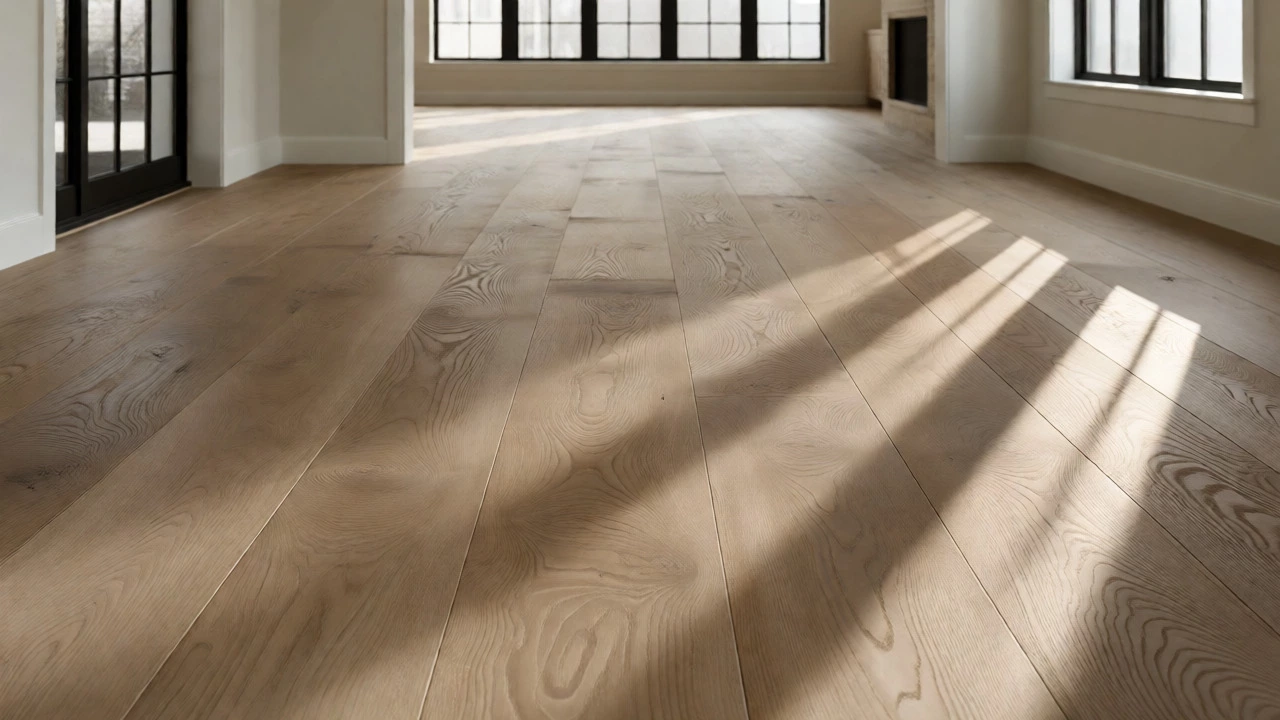
White Oak is currently the darling of interior designers, but it’s also a historical staple. Its tight grain and neutral undertones fit almost any style, from farmhouse to minimalist. Unlike Red Oak, which has prominent pinkish rings that look dated, White Oak blends seamlessly. For a truly timeless look, go for a matte or satin finish. High-gloss polyurethane screams "1980s" and shows every scratch. A hand-scraped or wire-brushed texture adds character without looking forced.
Plank width matters more than you think. Narrow strips (under 3 inches) tend to look busy and old-fashioned unless you’re restoring a Victorian home. Wide planks (6-8 inches) create a sense of calm and continuity. They make small rooms feel larger by reducing visual clutter. If you live in a humid climate like parts of Australia, consider engineered hardwood. It resists warping better than solid wood while offering the same authentic surface layer.
Classic Tile Patterns That Defy Time
Tiles offer durability that wood can’t match, especially in wet areas. But tile trends shift wildly-look at how gray concrete-look tiles dominated the 2010s only to feel cold now. To stay timeless, stick to geometric classics and natural stone looks.
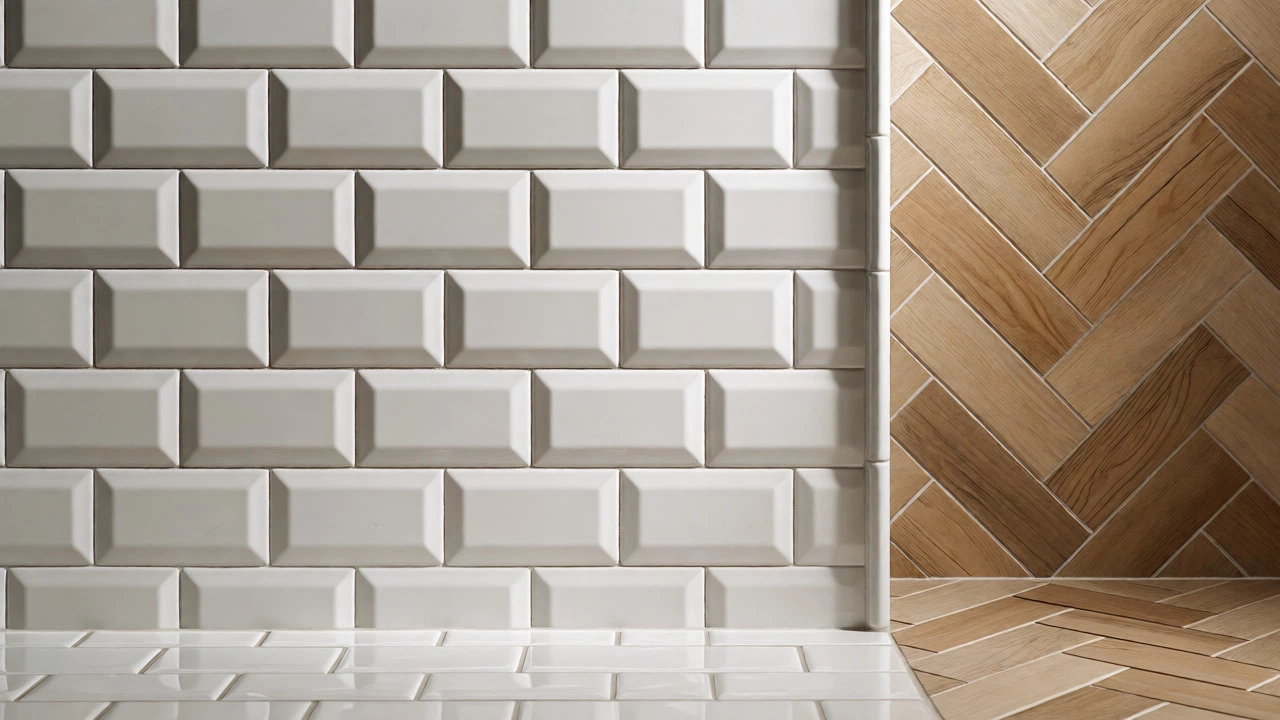
Ceramic Subway Tiles, typically 3x6 inches, have been used in bathrooms and kitchens for over a century. Their rectangular shape creates a clean, linear rhythm that feels orderly yet simple. Install them in a traditional brick pattern with white grout for maximum versatility. Avoid bold colored grouts unless you love committing to a trend.
Another winner is the herringbone or chevron layout using wood-look porcelain. These patterns add movement and elegance without relying on color. Natural stone options like travertine or limestone also hold up well. They age gracefully, developing a patina that tells a story. Just ensure you seal them properly to prevent staining. Marble is beautiful but high-maintenance; if you want the look without the hassle, high-quality marble-effect porcelain is a smart alternative.
| Flooring Type | Durability | Maintenance | Best For |
|---|---|---|---|
| White Oak Hardwood | High (can be refinished) | Medium (needs occasional resealing) | Living areas, bedrooms |
| Porcelain Herringbone | Very High | Low (easy to clean) | Kitchens, entryways |
| Neutral Wool Carpet | Medium | High (requires vacuuming/shampooing) | Bedrooms, cozy spaces |
| Polished Concrete | Extremely High | Low | Modern industrial homes |
The Power of Neutral Tones and Textures
Color is where most homeowners stumble. They pick a shade that matches their current sofa, not realizing the sofa will be replaced in three years. Timeless flooring relies on neutrals: beige, taupe, gray-brown (greige), and warm whites. These tones reflect light naturally and don’t clash with changing wall colors.
Avoid stark pure whites or jet blacks as primary floor colors. Pure white shows dirt instantly and can feel clinical. Jet black absorbs heat and highlights dust. Instead, opt for earthy tones. A dark walnut floor provides richness without feeling heavy. A light ash floor brightens a room without glaring. Texture plays a role here too. A smooth, uniform surface can look sterile. Adding slight variations in tone or grain breaks up the monotony, making the floor feel alive and authentic.
Carpet: How to Make It Look Modern
Many people write off carpet as outdated. That’s a mistake. Carpet reduces noise, adds warmth underfoot, and improves air quality by trapping allergens. The trick is avoiding plush, deep-pile carpets in bold colors. Those trap dirt and look dated quickly.
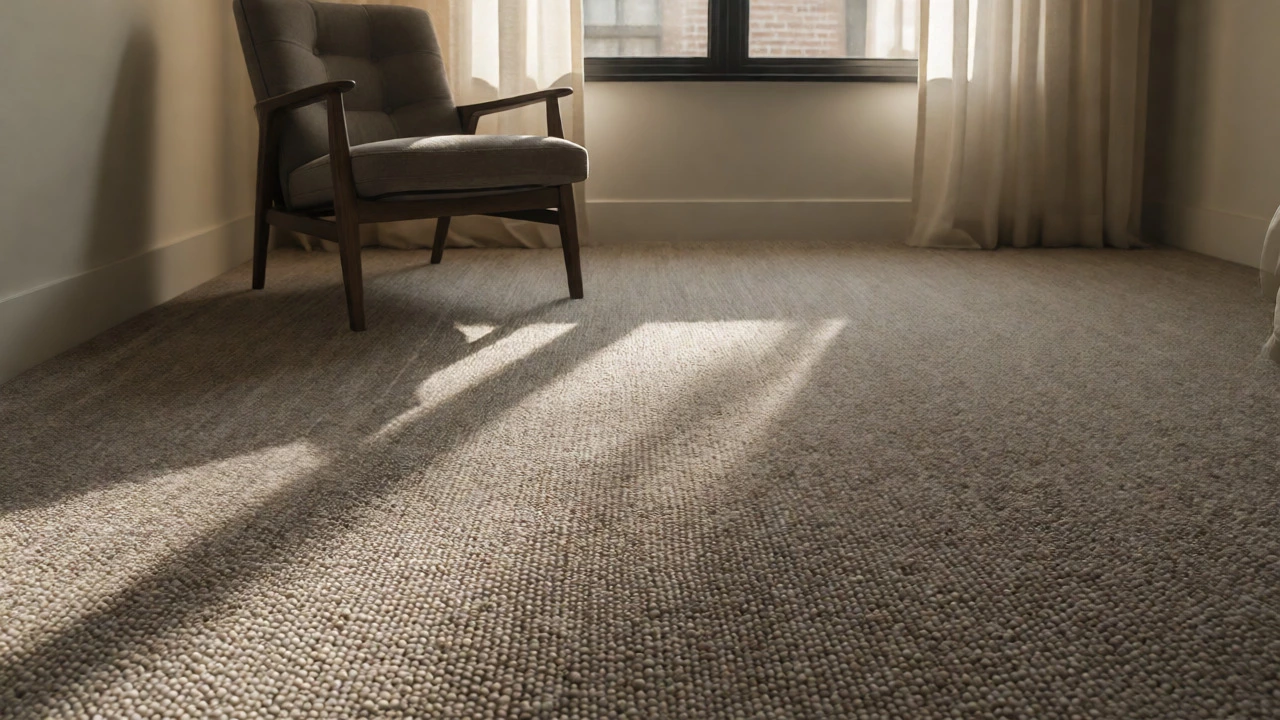
Choose low-pile or loop-pile carpets in natural fibers like wool. Wool is resilient, stain-resistant, and biodegradable. Stick to solid colors or subtle tonal variations. A textured berber-style carpet in oatmeal or charcoal fits both contemporary and traditional interiors. Use carpet strategically-in bedrooms and media rooms-rather than wall-to-wall throughout the house. This keeps the overall look fresh and prevents the "1990s builder-grade" vibe.
Luxury Vinyl Plank: The Practical Compromise
If you love the look of wood but hate the maintenance, Luxury Vinyl Plank (LVP) is a viable option. Early versions looked fake, but modern LVP uses advanced printing and embossing techniques to replicate wood grain realistically. It’s waterproof, scratch-resistant, and affordable.
To keep LVP timeless, avoid overly rustic or distressed looks. Choose planks with realistic knots and color variation. Matte finishes are best. Glossy vinyl reflects light unnaturally, giving away its synthetic nature. Ensure the planks are rigid-core (SPC or WPC) for stability. Soft vinyl can dent easily, ruining the illusion. While LVP won’t last as long as solid hardwood, it’s perfect for high-traffic areas or rentals where budget matters.
Pitfalls to Avoid When Choosing Your Floor
Even within timeless categories, mistakes happen. Here’s what trips people up:
- Going Too Dark: Very dark floors shrink a room visually and show dust. Unless you have massive windows and minimal clutter, stick to medium tones.
- Inconsistent Transitions: Changing flooring types abruptly between rooms breaks flow. Use thresholds wisely or plan open-plan layouts carefully.
- Ignoring Lighting: Test samples in your actual space at different times of day. North-facing light makes floors cooler; south-facing light warms them up. A sample that looks great in the store might turn orange in your living room.
- Over-Matching: Don’t match your floor exactly to your cabinets or doors. Slight contrast adds depth. Identical tones flatten the space.
Final Thoughts on Making the Right Choice
Choosing flooring isn’t just about aesthetics; it’s an investment in your daily comfort. By sticking to natural materials, neutral palettes, and classic geometries, you build a foundation that adapts to life’s changes. You won’t need to rip up your floors when a new color trend emerges. Instead, you’ll simply refresh your soft furnishings. Start with the room’s function, then narrow down by lifestyle needs. Do you have pets? Go for durable tile or high-quality vinyl. Love warmth? Opt for wool carpet or cork. Want prestige? Solid hardwood wins.
Remember, the goal is harmony, not perfection. A slightly imperfect floor with character often beats a flawless surface that feels impersonal. Trust your instincts, test samples extensively, and prioritize longevity over fleeting popularity.
Is gray flooring still considered timeless?
Pure cool grays were a major trend in the 2010s and are starting to feel dated. However, warm grays (often called greige) remain versatile. If you prefer gray, lean toward warmer undertones to ensure it pairs well with future decor trends.
What is the most durable timeless flooring option?
Porcelain tile is arguably the most durable. It resists water, scratches, and stains better than wood or laminate. Properly installed porcelain can last decades with minimal care, making it ideal for high-traffic areas and wet zones.
Does wide-plank flooring make a room look bigger?
Yes, generally speaking. Wider planks reduce the number of seams and lines running across the floor, creating a cleaner, more expansive visual effect. This is particularly effective in smaller rooms or spaces with limited natural light.
Can I mix different timeless flooring types in one home?
Absolutely, but keep transitions intentional. Use similar tone values across different materials (e.g., light oak next to cream tile) to maintain flow. Avoid abrupt clashes in color temperature or scale unless you have large buffers like rugs or doorways.
Is bamboo flooring considered timeless?
Bamboo has gained popularity due to sustainability, but its appearance can vary widely. Strand-woven bamboo offers a unique grain that may stand out too much for some tastes. For a safer bet, choose bamboo with a finish that mimics traditional oak or maple tones.