
2024 Curtain Style Finder
Best Fabric
--
--
Light Control: --Color Palette
--
--
Pro Styling Tip
--
Recommended Hardware
--
Select your preferences to generate a personalized curtain recommendation.
Walking into a home in late 2024 felt different. The heavy, floor-to-ceiling velvet drapes that dominated the previous decade were quietly retreating to the back of the closet. In their place? Lighter fabrics, natural textures, and a distinct shift toward windows that actually let you see outside. If you were shopping for curtain trends 2024, you likely noticed a clear move away from hiding your windows and toward framing them.
The year 2024 wasn't about one single look. It was about comfort meeting clarity. People wanted homes that felt airy but still cozy. They wanted light control without the gloom. This article breaks down exactly what worked, why it worked, and how these styles are shaping the way we treat our windows today.
The Rise of Natural Linen and Textured Weaves
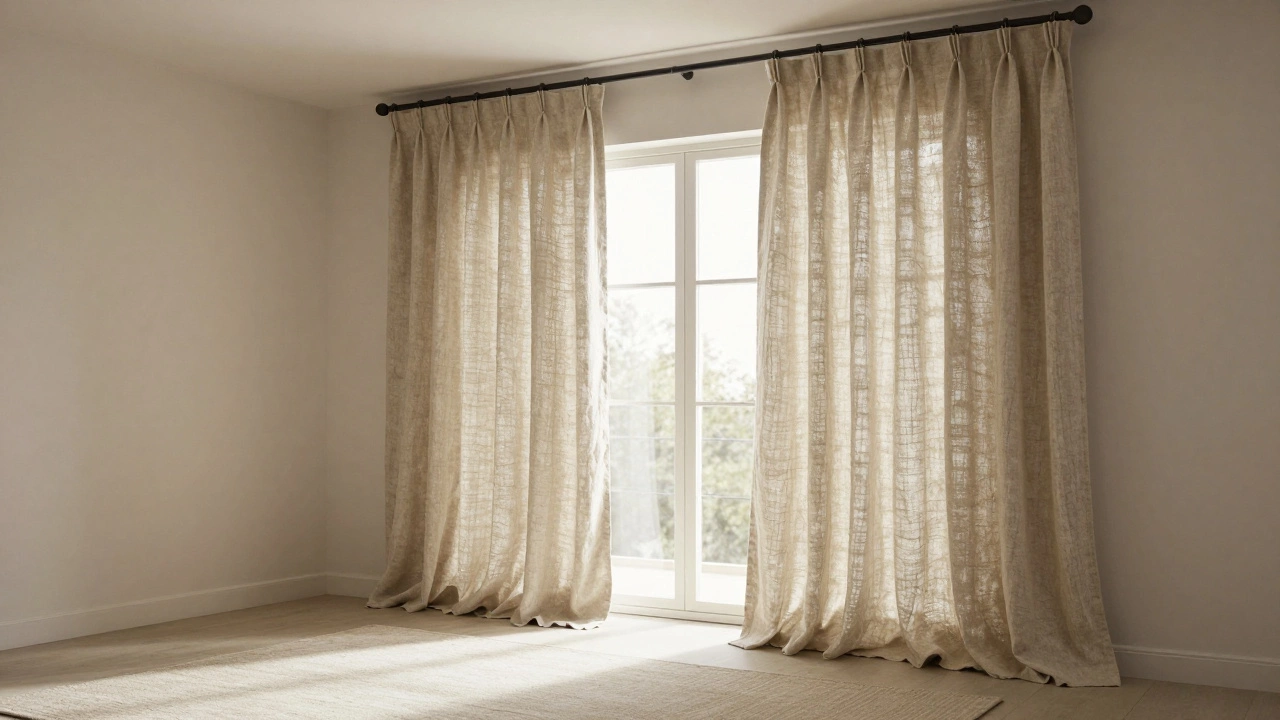
Why did linen take over? Because homeowners were tired of plastic-looking sheers. Linen has a natural slub-those tiny bumps and variations in the weave-that catches light beautifully. It doesn’t hang stiffly; it moves with the air. In 2024, the most popular color wasn't stark white, but "oatmeal," "sand," or "clay." These earthy tones softened the harshness of bright sunlight while keeping the room feeling open.
You didn't need pure linen to get the look. Blends of linen and cotton offered better durability and less wrinkling, which made them practical for high-traffic living rooms. The key was avoiding anything too smooth. If it looked like it came out of a factory roll without character, it missed the mark. The trend was all about imperfection and texture.
Sheers That Aren't See-Through
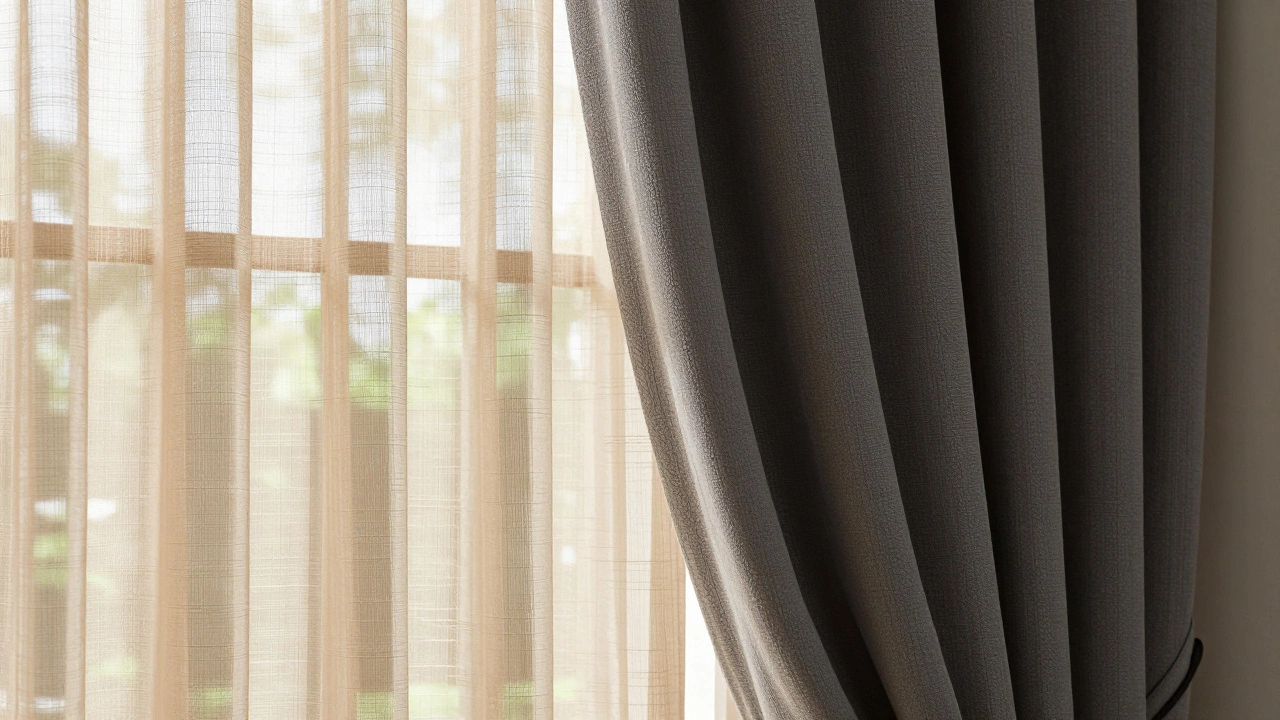
There was a massive pushback against total privacy blinds. Instead, people chose layered sheer curtains. But not the flimsy, translucent ones that reveal every silhouette at night. The 2024 version of sheers was denser. Think "privacy sheers" or "light-filtering voiles."
This style served two jobs. First, it diffused harsh midday sun, reducing glare on TV screens and computer monitors. Second, it maintained a connection to the outdoors. You could see the trees, the street, or the sky without sacrificing modesty. In urban apartments, where views are often limited, this was crucial. It made small spaces feel larger by blurring the line between inside and out.
A pro tip from interior designers in 2024 was to hang these sheers close to the ceiling, even if the window is smaller. This vertical stretch draws the eye up, making ceilings appear higher. Pairing a sheer layer with a heavier blackout curtain behind it gave you total control: sheer for day, heavy for night.
Bold Patterns and Maximalist Prints
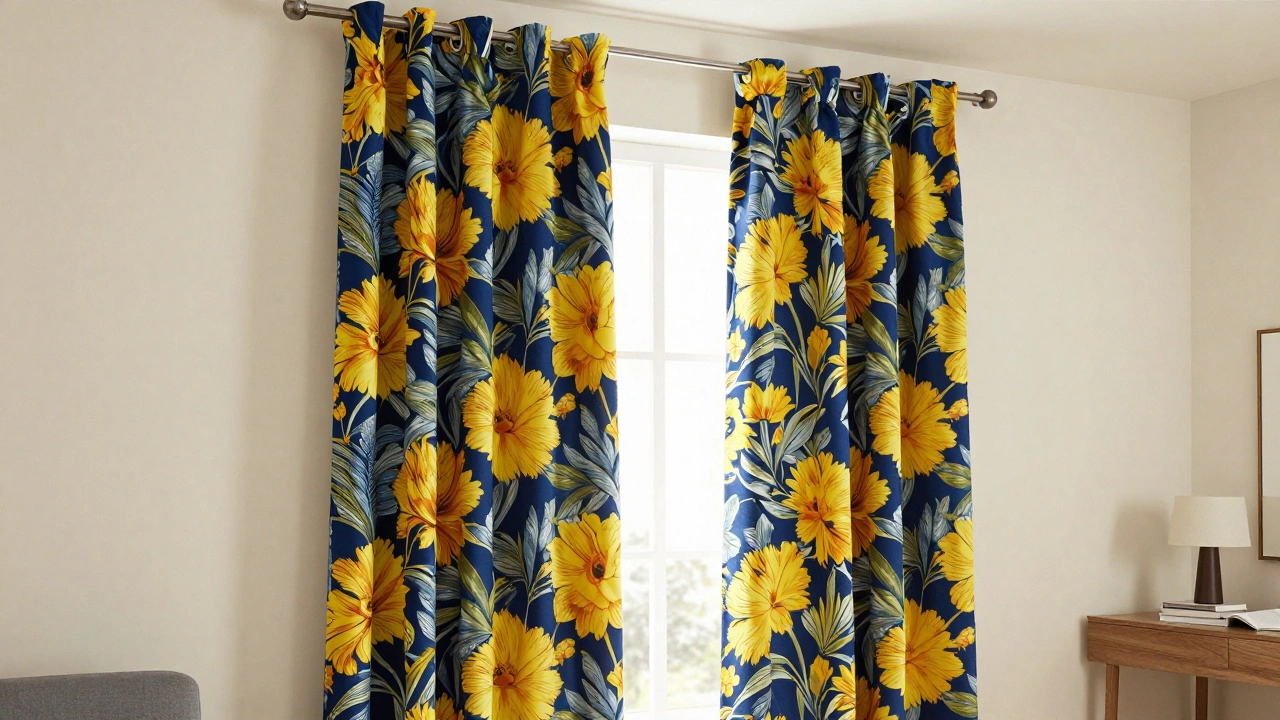
If minimalism got tired, maximalism stepped in. While neutral linens ruled half the market, the other half embraced bold patterns. Large-scale botanical prints, abstract geometric shapes, and vintage-inspired florals made a comeback. These weren't subtle accents; they were statement pieces.
The trick here was balance. A room with patterned curtains needed solid-colored walls and simple furniture to avoid looking chaotic. In 2024, many people used curtains as the only source of pattern in a room. This allowed the window treatment to act as art. Dark backgrounds with bright motifs, like navy blue with yellow flowers, created depth and drama in otherwise plain spaces.
This trend also extended to upholstery. Matching your sofa fabric to your curtains created a cohesive, designed look. It signaled intentionality. You weren't just covering a window; you were curating a space.
Sustainable and Eco-Friendly Materials
Conscious consumption hit the window treatment industry hard in 2024. Shoppers asked questions they never did before: Where was this made? What is it made of? Is it recyclable?
Organic Cotton and Hemp gained significant traction. Hemp, in particular, is incredibly durable and requires very little water to grow. It has a slightly stiffer drape than linen, giving it a structured, modern look. Bamboo-derived fabrics also appeared, though consumers learned to check for greenwashing. True bamboo viscose can be eco-friendly, but some blends use harmful chemicals in processing.
Brands that highlighted transparency in their supply chains saw increased trust. Labels showing GOTS (Global Organic Textile Standard) certification became a selling point. For renters, this meant investing in fewer, higher-quality pairs of curtains that would last years, rather than cheap replacements every few seasons.
Hardware Matters: Minimalist Rods and Tension Poles
The fabric is only half the story. In 2024, the hardware holding those curtains became visible design elements. Gone were the ornate, gold-plated finials. In came sleek, matte black or brushed nickel rods.
Tension poles made a surprise return, especially in rental properties. Modern tension rods are no longer flimsy silver sticks. They come in thick, weighted designs with ceramic or metal finishes that look intentional. They allow for easy installation without drilling holes, appealing to the growing renter demographic who wants style without damage.
For permanent installations, floating rod systems remained popular. These hide the mounting brackets, making the curtain appear to float near the ceiling. This clean line supports the minimalist aesthetic that paired well with both linen and bold prints.
| Fabric Type | Light Control | Drape Quality | Maintenance | Best For |
|---|---|---|---|---|
| Linen Blend | Medium | Relaxed, textured | Low iron, machine washable | Living rooms, bedrooms |
| Privacy Sheer | High diffusion | Flowing, soft | Easy care | Urban apartments, patios |
| Heavy Velvet | Full blackout | Structured, luxurious | Professional cleaning recommended | Formal dining, media rooms |
| Hemp | Medium | Stiff, structured | Durable, low maintenance | Modern, industrial spaces |
Color Palettes: Earth Tones and Moody Neutrals
Color played a huge role in defining the mood. The pastel pinks and blues of earlier years faded. Instead, 2024 embraced colors found in nature. Terracotta, olive green, deep charcoal, and warm beige dominated showrooms.
Moody neutrals, like dark gray or brownish-black, worked surprisingly well in bright rooms. They added weight and sophistication. In darker rooms, lighter earth tones like cream and sand helped reflect available light. The rule of thumb was to pick a color that complemented the existing wood tones or flooring, creating harmony rather than contrast.
Functional Layering for Climate Control
Energy efficiency became a silent driver of curtain choices. With rising energy costs, people looked for ways to insulate their homes. Thermal-lined curtains saw a resurgence, but they were styled more discreetly. Instead of bulky, quilted looks, thermal backing was integrated into thinner fabrics.
Layering a sheer curtain with a thermal-backed drape provided versatility. During the day, the sheers kept heat in or out depending on the season. At night, closing the thermal layer reduced heating bills. This functional approach aligned with the broader trend of sustainable living. It wasn't just about looks; it was about performance.
How to Choose the Right Style for Your Space
Selecting the right curtains depends on your specific needs. Ask yourself three questions:
- What is the primary function? Do you need blackout for sleep, light filtration for work, or just decoration?
- What is the room's vibe? Does it lean modern and clean, or cozy and rustic?
- Who will maintain them? Are you willing to dry clean, or do you need machine-washable options?
For bedrooms, prioritize light control and sound dampening. Heavy linen blends or thermal-backed fabrics work best. For living areas, focus on aesthetics and airflow. Sheers and lightweight linens keep the space inviting. In kitchens and bathrooms, moisture resistance is key. Synthetic blends or treated hemp hold up better against humidity.
Are linen curtains worth the extra cost?
Yes, if you value texture and longevity. Pure linen ages beautifully, developing a softer feel over time. However, linen blends offer a similar look at a lower price point with easier maintenance. They resist wrinkles better and are often machine washable, making them a practical choice for most households.
How should I hang curtains to make my room look bigger?
Hang your curtain rod as high as possible, ideally 2-3 inches below the ceiling or molding. Extend the rod 6-10 inches beyond the window frame on each side. This makes the window appear wider and draws the eye upward, creating an illusion of height and space.
Can I mix and match curtain styles?
Absolutely. Layering is a major trend. Combine a sheer panel for daytime privacy with a heavier drape for nighttime insulation. Ensure the colors complement each other, such as pairing a white sheer with a beige linen, to maintain a cohesive look.
What is the difference between sheer and voile curtains?
Voile is a type of sheer fabric, typically made from cotton or polyester. It is slightly thicker and more opaque than standard net sheers. Voile offers better light diffusion and privacy while still allowing natural light to enter, making it a versatile choice for living areas.
How do I care for organic cotton curtains?
Most organic cotton curtains are machine washable on a gentle cycle. Use cold water and mild detergent to preserve the fibers. Avoid bleach. Line drying is recommended to prevent shrinkage and reduce energy usage. Iron on a medium setting if needed, though slight wrinkles add to the natural aesthetic.