
Vinyl Flooring Cost Calculator for 12x12 Room
Project Configuration
Estimated Total Cost
Cost Breakdown:
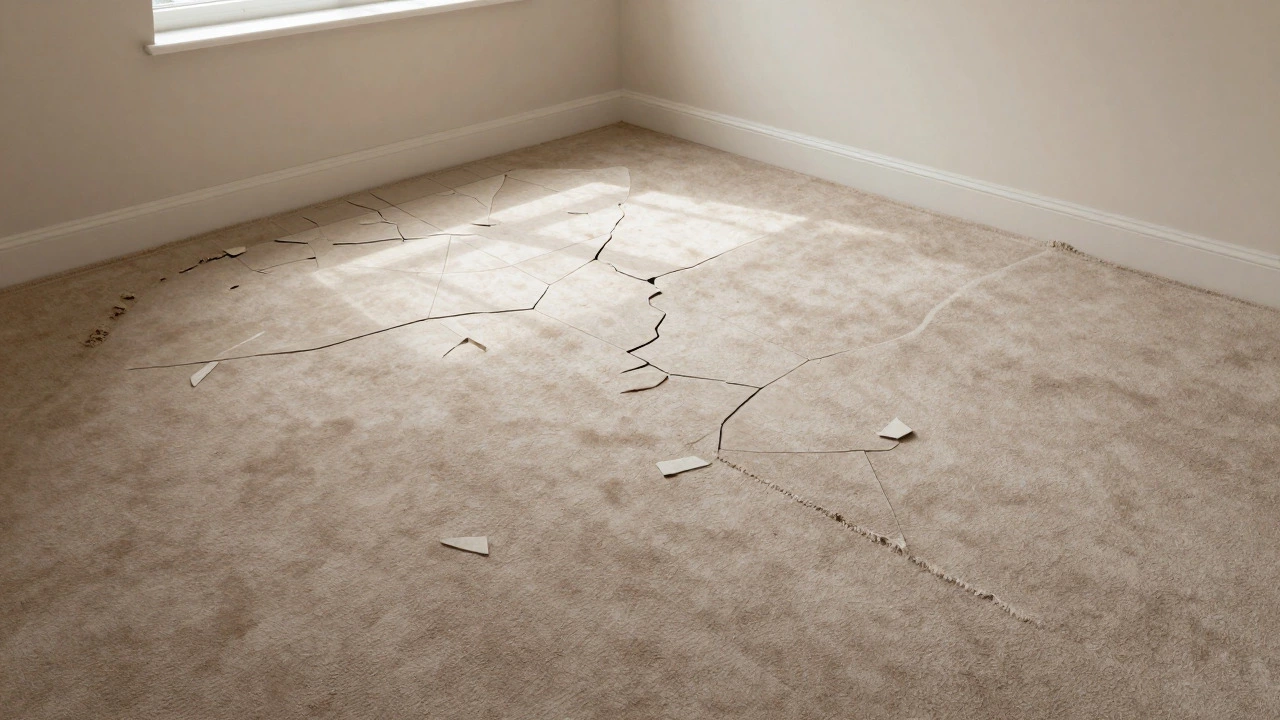
Walking into a 12x12 room and staring at worn-out carpet or cracked tile is frustrating. You know you want the look of wood or stone without the headache of maintenance. Vinyl flooring, specifically Luxury Vinyl Plank (LVP) is a durable, water-resistant flooring option that mimics natural materials like hardwood and stone, has become the go-to solution for homeowners in 2026. But before you pick up a tool, you need to know the real cost. Is it a weekend project budget or a major renovation expense?
The short answer? Expect to pay between $300 and $1,500 for a standard 12x12 room, depending on whether you do it yourself or hire a pro. The material alone might cost you $150 to $600, but labor, subfloor preparation, and trim can double that number quickly. Let’s break down exactly where your money goes so you don’t get hit with surprise invoices.
Calculating the Square Footage: More Than Just 144 Sq Ft
A 12x12 room is exactly 144 square feet. Simple math, right? Not quite. In the flooring world, you never buy exactly what you measure. You need to account for waste. Cuts happen. Mistakes happen. And sometimes, the box runs out when you’re halfway through the last row.
For a straightforward rectangular room, add 10% for waste. That means you need to buy enough material for roughly 158 square feet. If your room has closets, alcoves, or complex angles, bump that up to 15-20%. So, you’re actually shopping for about 170 square feet of coverage. This buffer is crucial because buying extra boxes later often means paying for another delivery fee and risking color batch variations.
| Room Complexity | Base Area (sq ft) | Waste Factor | Total Material Needed (sq ft) |
|---|---|---|---|
| Simple Rectangle | 144 | 10% | 158 |
| With Closets/Angles | 144 | 15% | 165.6 |
| Complex Layout/Diagonal Install | 144 | 20% | 172.8 |
Vinyl Flooring Types and Their Costs in 2026
Not all vinyl is created equal. The term "vinyl flooring" covers everything from cheap sheet rolls to high-end rigid core planks. The type you choose dictates both the upfront cost and the longevity of your investment.
Luxury Vinyl Tile (LVT) / Luxury Vinyl Plank (LVP): This is the most popular choice today. It comes in planks or tiles and often features a rigid core made of Stone Plastic Composite (SPC) is a waterproof, rigid core material used in high-quality vinyl flooring for stability and durability. SPC cores are incredibly stable, meaning they won’t expand and contract with temperature changes like cheaper vinyl does. Prices for quality SPC LVP range from $2.50 to $6.00 per square foot. For our 158 sq ft requirement, that’s $395 to $948 just for the planks.
Vinyl Sheet: This is the classic roll-out flooring. It’s seamless, which makes it great for bathrooms or kitchens where water resistance is paramount. However, it’s harder to install for beginners because cutting large sheets requires precision. High-quality sheet vinyl costs between $2.00 and $5.00 per square foot. Total material cost: $316 to $790.
Rigid Core WPC (Wood Plastic Composite): WPC is softer and warmer underfoot than SPC but slightly less dimensionally stable. It’s often preferred for bedrooms or living areas. Prices are similar to SPC, ranging from $3.00 to $7.00 per square foot. Total material cost: $474 to $1,106.
If you opt for the cheapest options-often found in big-box stores under $1.50 per sq ft-you’ll likely sacrifice the wear layer thickness. A thin wear layer (less than 12 mil) will scratch easily. Look for at least a 20-mil wear layer for residential use. That small upgrade adds durability that pays off over five years.
DIY vs. Professional Installation: The Labor Split
This is where the budget swings wildly. Installing vinyl flooring yourself saves significant money, but it demands time, patience, and basic tools. Hiring a professional guarantees a smooth finish but costs more.
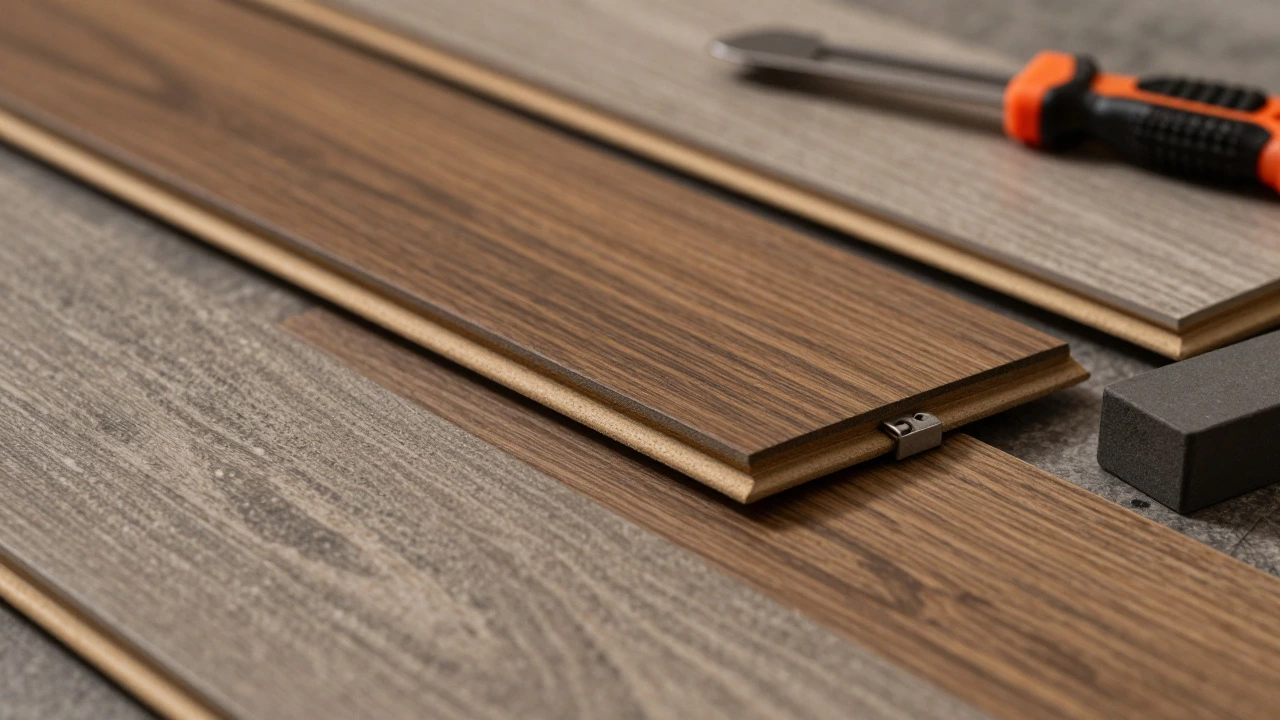
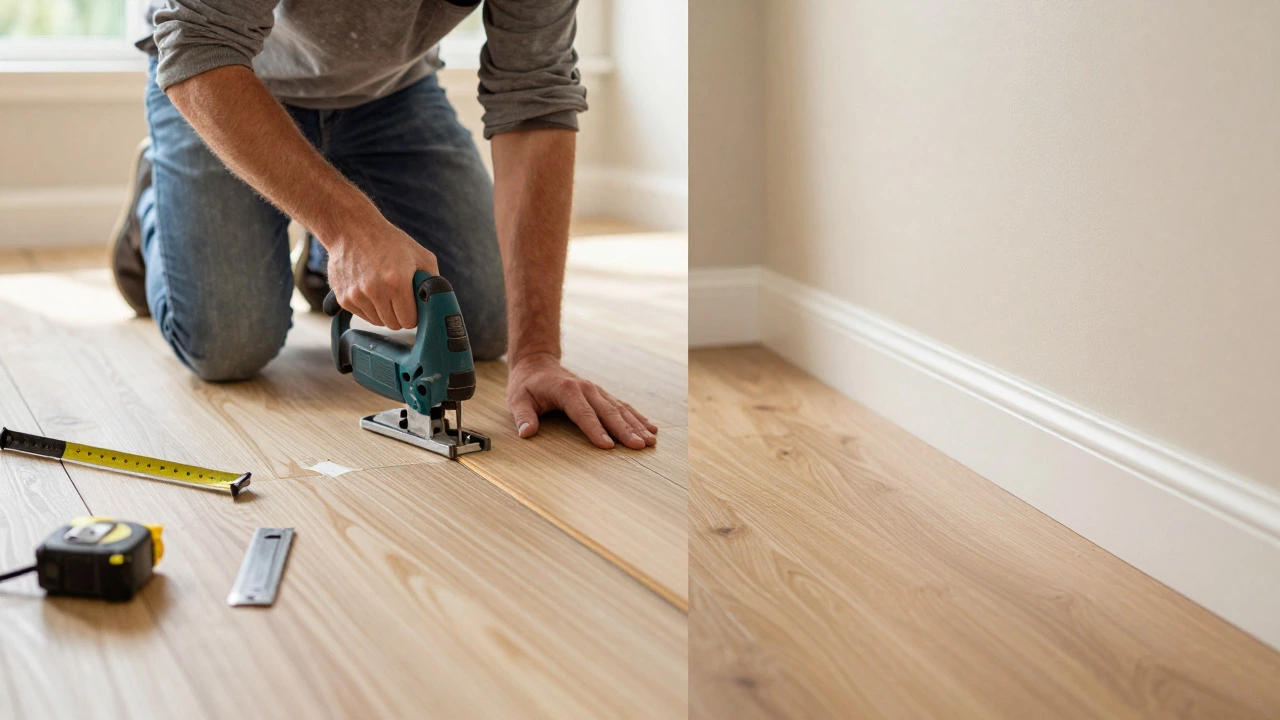
DIY Approach: If you choose a click-lock LVP system, you don’t need glue. You snap the planks together. The main tools you’ll need are a utility knife, a tapping block, a pull bar, and a jigsaw for cutting around doors and outlets. These tools cost about $50-$100 if you don’t already own them. Labor cost: $0. Total project cost (mid-range material + tools): ~$500 - $700.
Professional Installation: Professionals charge by the square foot. In 2026, the average rate for vinyl installation is $2.00 to $5.00 per square foot, depending on your location and the complexity of the job. This usually includes removing old flooring, minor subfloor leveling, and installing baseboards. Labor cost for 144 sq ft: $288 to $720. Total project cost (mid-range material + labor): ~$700 - $1,400.
Ask yourself: Do you have the physical stamina to kneel for six hours? Can you cut straight lines accurately? If not, hiring a pro is worth the extra $300 to avoid a bumpy floor that trips you every morning.
Hidden Costs That Blow Up Your Budget
Most homeowners forget these three items until the installer shows up with a clipboard.
1. Underlayment: Some LVP products come with pre-attached underlayment. Others require a separate foam pad. If you need to buy it separately, expect to pay $0.50 to $1.50 per square foot. For 144 sq ft, that’s $72 to $216. Don’t skip this-it reduces noise and provides cushioning.
2. Subfloor Preparation: Vinyl is unforgiving. Any dip, crack, or nail head in your concrete or plywood subfloor will telegraph through to the surface. If your subfloor is uneven, you’ll need self-leveling compound or patching kits. This can add $100 to $300 to the bill if hired out, or $50 in materials if DIY.
3. Trim and Transition Strips: You can’t leave raw edges exposed. You’ll need transition moldings where the vinyl meets other flooring types (like hallway carpet) and quarter-round or shoe molding to cover expansion gaps along the walls. Moldings cost $2 to $5 per linear foot. A 12x12 room has 48 linear feet of perimeter. That’s $96 to $240 for trim alone.
Step-by-Step Cost Breakdown Example
Let’s put it all together with a realistic scenario for a 12x12 bedroom using mid-range SPC LVP.
- Material (158 sq ft @ $3.50/sq ft): $553
- Underlayment (if not attached): $100
- Tools/Materials for DIY: $80 (tape measure, spacers, adhesive for transitions)
- Trim and Transitions: $150
- Old Floor Removal Disposal: $100 (dumpster bag fees or haul-away service)
- Total DIY Estimate: $983
If you hire a contractor for the same job:
- Material: $553
- Installation Labor (144 sq ft @ $3.50/sq ft): $504
- Subfloor Prep: $150
- Trim and Transitions: $150
- Total Pro Estimate: $1,357
Tips to Save Money Without Sacrificing Quality
You don’t need to spend a fortune to get a beautiful floor. Here’s how to keep costs down:
Buy During Sales: Major retailers run sales during holidays like Memorial Day, Labor Day, and Black Friday. You can often save 20-30% on premium brands. Also, check for "overstock" or "clearance" sections online; manufacturers sometimes have excess inventory from discontinued colors.
Stick to Standard Sizes: Planks that are 6 inches wide and 36 inches long are standard. Unusual sizes may cost more and generate more waste because you have fewer usable pieces left after cuts.
Do the Demo Yourself: If you hire a pro, ask if they can just install while you handle the removal of the old carpet or tile. Removing old flooring is heavy, dirty work, but it’s not technically difficult. Saving $100-$200 on demo fees is easy if you have a truck and some sweat equity.
Reuse Existing Trim: If your current baseboards are in good condition, you can often install the new vinyl underneath them by carefully prying them up and re-nailing them. This saves the entire cost of new molding and paint.
Frequently Asked Questions
How much does it cost to install vinyl flooring in a 12x12 room including labor?
Including professional labor, expect to pay between $800 and $1,500 for a 12x12 room. This covers mid-range SPC vinyl planks ($500-$900), installation labor ($300-$700), and basic trim/transitions. Prices vary based on your region and the complexity of the subfloor.
Is vinyl flooring expensive compared to laminate?
High-end vinyl (LVP/LVT) is generally more expensive than laminate, costing $2.50-$6.00 per sq ft versus $1.00-$3.00 for laminate. However, vinyl is fully waterproof, making it a better long-term investment for moisture-prone areas like basements or bathrooms where laminate would swell and fail.
Can I install vinyl flooring myself in a 12x12 room?
Yes, especially if you choose a click-lock floating floor system. A 12x12 room is manageable for a beginner with patience. You’ll need basic tools like a jigsaw and utility knife. The key is ensuring your subfloor is perfectly flat and clean before starting. Allow one full day for installation.
What is the cheapest type of vinyl flooring?
Sheet vinyl is typically the cheapest option, starting around $1.50 per square foot. However, rigid core LVP (Luxury Vinyl Plank) offers better durability and easier DIY installation for only slightly more money ($2.50+ per sq ft). Avoid ultra-thin vinyl tiles as they lack stability and wear quickly.
Do I need an underlayment for vinyl plank flooring?
It depends on the product. Many modern SPC and WPC planks come with a pre-attached foam underlayment. Check the manufacturer's instructions. If yours doesn't have it, you must buy a separate underlayment to reduce noise, provide cushioning, and protect the floor from minor subfloor imperfections.
How long does it take to install vinyl flooring in a 12x12 room?
For a DIYer, plan for 6 to 10 hours for the actual installation, plus additional time for acclimating the planks (usually 24-48 hours) and preparing the subfloor. A professional crew can typically complete the installation in half a day to a full day, including cleanup.
Will vinyl flooring increase my home value?
Yes, high-quality luxury vinyl plank flooring is seen as a positive update by buyers due to its durability and low maintenance. While it doesn't add as much value as genuine hardwood, it offers a strong return on investment by replacing outdated or damaged floors, making the home more marketable.