
2024 Wallpaper Trend Matcher
Looking back at wallpaper trends from 2024 feels like reviewing a high school yearbook. You remember the big moments, the styles that defined the era, and maybe one or two choices you regretted. For designers and homeowners alike, 2024 was a pivotal year. It marked a shift away from the sterile minimalism of the early 2020s toward something warmer, more textured, and deeply personal. If you are planning a renovation in 2026, understanding what worked in 2024 helps you decide what to keep and what to leave behind.
The Rise of Maximalism and Bold Patterns
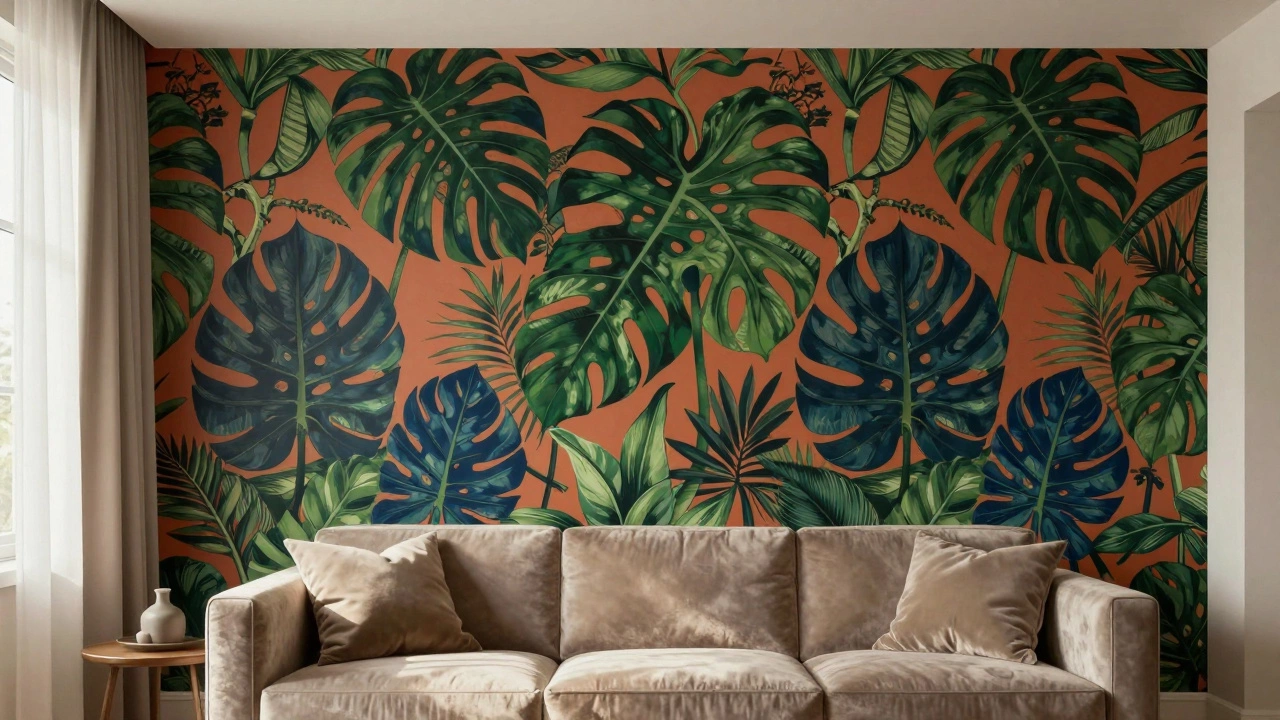
In 2024, walls stopped being just backgrounds. They became the main event. The trend toward maximalism wasn't about clutter; it was about confidence. Homeowners wanted their spaces to tell a story, and wallpaper was the quickest way to do it. Large-scale botanical prints made a massive comeback, but with a twist. Instead of delicate watercolors, we saw bold, graphic leaves in deep greens, terracottas, and even electric blues.
This shift was driven by a desire for connection to nature without leaving the city. Think oversized monstera leaves or jungle vines that covered entire accent walls. These patterns created an immediate sense of depth and drama. In Melbourne homes, where natural light can be tricky during winter, these dark, rich tones helped create cozy, intimate spaces that felt grounded rather than airy and sparse.
- Graphic Botanicals: High-contrast leaf prints in matte finishes.
- Jungle Themes: Dense, layered foliage designs for accent walls.
- Color Palette: Deep forest green, burnt orange, and midnight blue.
Texture Over Print: Grasscloth and Natural Fibers
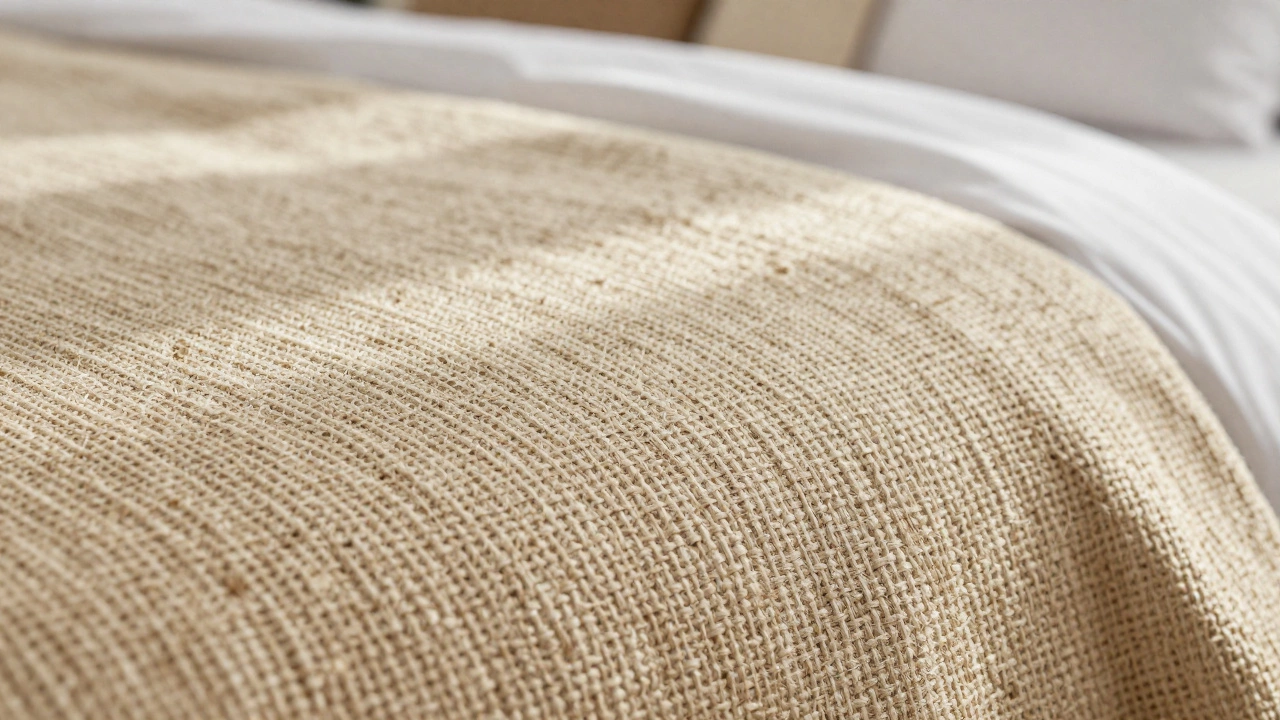
Not everyone went bold with color. A huge chunk of the 2024 market moved toward texture. Grasscloth wallpaper, a material made from woven natural fibers like jute, hemp, or cotton that adds tactile depth to walls became a staple in modern interiors. This trend spoke to a growing appreciation for sustainability and organic materials.
Why did grasscloth take over? It adds warmth and absorbs sound, making it perfect for open-plan living areas and bedrooms. Unlike smooth vinyl wallpapers, grasscloth has a subtle, uneven surface that catches light differently throughout the day. This creates a dynamic look that changes as the sun moves across the room. In 2024, neutral tones dominated this category. Beiges, creams, and soft greys were popular because they provided a sophisticated backdrop for colorful furniture and art without competing for attention.
| Type | Best Room | Vibe | Durability |
|---|---|---|---|
| Grasscloth | Living Room / Bedroom | Organic, Calm | Medium |
| Non-Woven Vinyl | Kitchen / Bathroom | Bold, Durable | High |
| Flock (Velvet) | Dining Room | Luxurious, Dramatic | Low-Medium |
The Return of Geometric and Art Deco Shapes
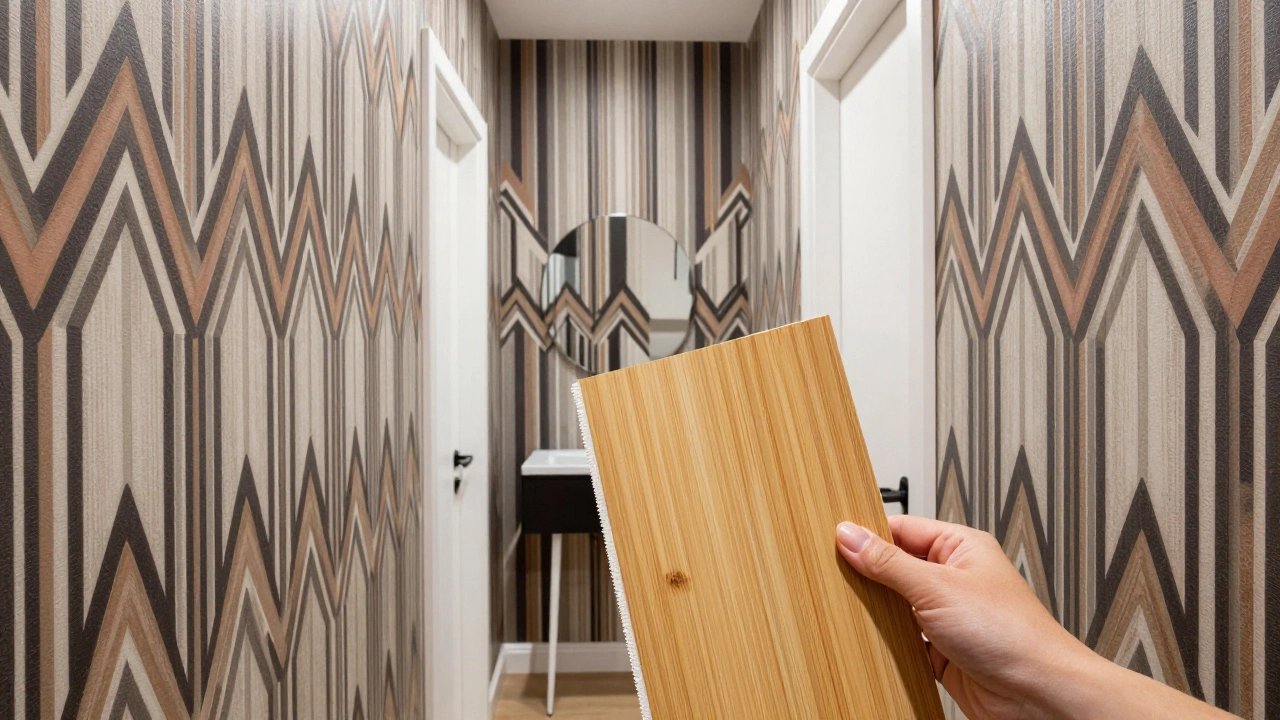
If plants weren't your thing, geometry was the next big move. 2024 saw a resurgence of Art Deco-inspired patterns. We’re talking chevrons, zigzags, and sunburst motifs. But unlike the flashy golds of the 1920s, the 2024 version was more muted and modern. Black and white combinations remained classic, but earthy tones like clay and sand added a contemporary feel.
This trend worked well in smaller spaces like powder rooms and hallways. The repetitive lines create an illusion of height and structure, making narrow corridors feel wider and more intentional. Designers often paired geometric wallpapers with sleek, minimalist furniture to balance the visual noise. It’s a great example of how pattern can define a space’s character without needing extra decor.
Sustainable and Eco-Friendly Materials
You couldn’t talk about 2024 wallpaper trends without mentioning sustainability. Consumers became increasingly aware of the environmental impact of traditional PVC-based wallpapers. This led to a surge in demand for eco-friendly alternatives. Brands started highlighting materials like recycled paper, bamboo, and plant-based inks.
Eco-friendly wallpaper, wall coverings made from renewable resources such as bamboo, cork, or recycled paper, designed to minimize environmental impact offered both style and conscience. Cork wallpaper, for instance, gained popularity for its acoustic properties and natural insulation. It looked warm and rustic, fitting perfectly into Scandinavian and Japandi-style homes. This trend wasn't just a niche; it became a standard expectation for many buyers who valued transparency in product sourcing.
Peel-and-Stick: The DIY Revolution
Perhaps the biggest practical trend of 2024 was the normalization of peel-and-stick wallpaper. Once seen as temporary or cheap, self-adhesive wallpapers entered the mainstream thanks to improved quality and design variety. Renters and homeowners alike embraced them for their ease of installation and removal.
This accessibility democratized design. You didn’t need a professional installer to try out a bold pattern in your bedroom. If you got bored, you could simply peel it off and replace it. This flexibility encouraged experimentation. People tried murals in kids' rooms, textured backsplashes in kitchens, and even ceiling treatments. The barrier to entry dropped significantly, leading to a more diverse range of styles being used in everyday homes.
How to Choose Based on 2024 Lessons
So, what does this mean for you in 2026? The lessons from 2024 are clear: authenticity and texture matter more than fleeting fads. When choosing wallpaper today, consider the following:
- Focus on Texture: If you want longevity, choose materials like grasscloth or linen blends. They age gracefully and don’t date quickly.
- Use Color Intentionally: Bold colors work best in low-traffic areas or small rooms where they can have maximum impact without overwhelming the eye.
- Prioritize Sustainability: Look for certifications like GreenGuard or FSC to ensure your choice is environmentally responsible.
- Test Before Committing: Use samples to see how the pattern looks in your specific lighting conditions. Morning light vs. evening lamp light can change the appearance drastically.
Avoid overly trendy, highly specific motifs unless you are willing to update them in three years. Instead, opt for abstract interpretations of nature or timeless geometric shapes. These offer versatility and allow you to change your furniture and accessories without clashing with the wall.
Common Mistakes to Avoid
Even with good trends, mistakes happen. One common error in 2024 was ignoring scale. Large patterns in small rooms can feel claustrophobic, while tiny patterns in large rooms can get lost. Always measure your space and visualize the repeat pattern before buying. Another mistake was neglecting the ceiling. While ceilings are often painted white, using a light-colored wallpaper there can add unexpected elegance and height, especially in dining rooms or master bedrooms.
Finally, don’t underestimate the importance of adhesive. Cheap adhesives can damage walls upon removal, negating the benefits of peel-and-stick options. Invest in quality products that promise clean removal without residue. This protects your deposit if you’re renting and preserves your wall integrity if you own your home.
What was the most popular wallpaper color in 2024?
Deep greens and warm terracottas were the dominant colors. These earthy tones provided a sense of calm and connection to nature, aligning with the broader biophilic design trend. Neutral beiges and creams also remained highly popular for textured wallpapers like grasscloth.
Is grasscloth wallpaper still in style in 2026?
Yes, grasscloth remains a strong choice. Its natural texture and acoustic benefits make it timeless. While specific color palettes may shift, the material itself continues to be favored for creating warm, inviting spaces in living rooms and bedrooms.
Can I use peel-and-stick wallpaper in a bathroom?
You can, but you must choose moisture-resistant varieties. Standard peel-and-stick may peel off in high-humidity environments. Look for products specifically labeled as waterproof or suitable for bathrooms to ensure longevity and prevent mold growth.
What is the difference between non-woven and vinyl wallpaper?
Non-woven wallpaper is made from a mix of synthetic and natural fibers, making it breathable and easy to hang. Vinyl wallpaper is plastic-based, offering higher durability and washability. Non-woven is better for dry areas like bedrooms, while vinyl is ideal for kitchens and bathrooms.
How do I remove old wallpaper without damaging the wall?
Start by scoring the wallpaper lightly to allow steam or remover solution to penetrate. Apply a commercial wallpaper stripper or hot water mixed with vinegar. Let it sit for 15-20 minutes, then gently scrape it off with a wide putty knife. For delicate walls, test a small area first to avoid paint damage.