
Want to become an interior designer? It’s not just about picking pretty colors or arranging furniture. Real interior design is about solving problems, reading people, and turning spaces into places that feel right. If you’re thinking about this career, ask yourself: do you have what it actually takes? Here are the four non-negotiable characteristics that separate good designers from great ones.
1. You See Beyond the Surface
Most people look at a room and see a couch, a rug, and some lamps. A designer sees how light moves through the space at 4 p.m., how a child might bump into the corner of the coffee table, or how a person in a wheelchair needs clear pathways. You don’t just choose what looks good-you anticipate how things will be used. That’s why so many successful designers started as architects, theater set designers, or even occupational therapists. They learned to think in systems, not decorations.
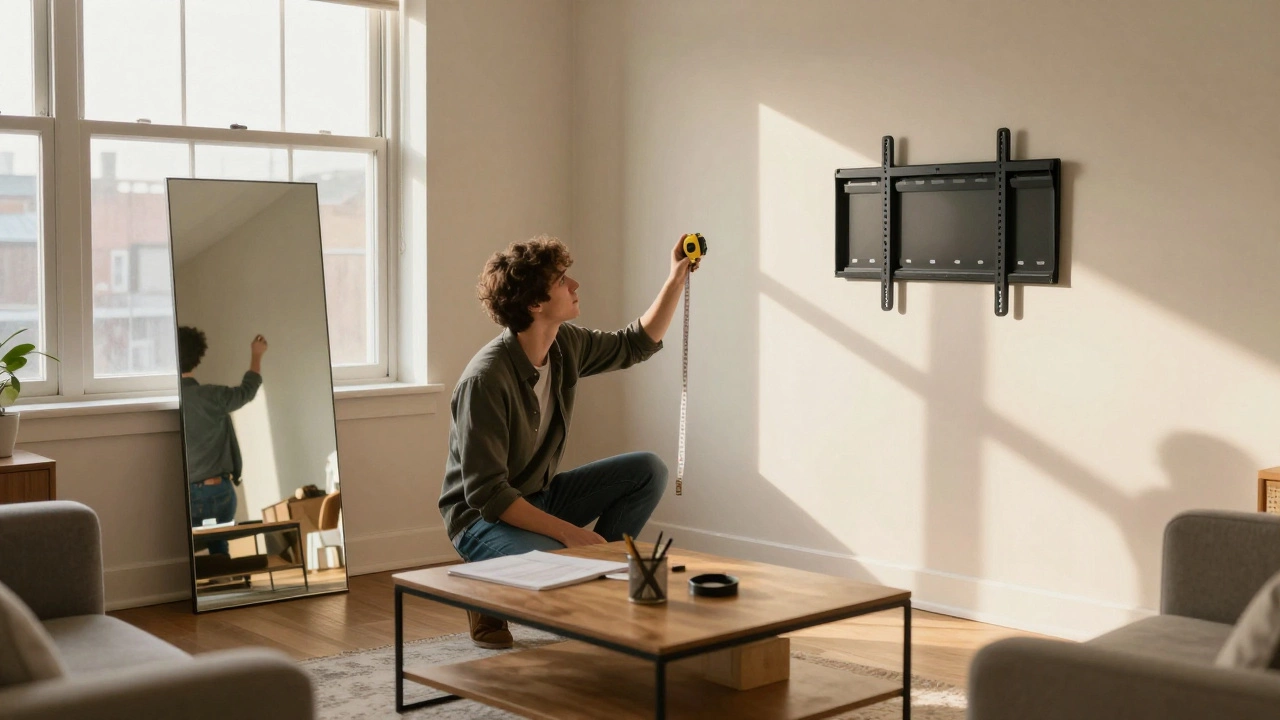
Take a real example: a client in Minneapolis hired a designer to make her small apartment feel bigger. The designer didn’t just swap out bulky furniture. She noticed the client kept her TV on a low stand because she watched it from bed. So she raised the TV wall mount, lowered the coffee table, and used mirrors to bounce natural light from the window. The result? The space felt 30% larger. That’s not magic. That’s seeing what others overlook.
2. You’re Comfortable with Messy Process
Design isn’t a straight line. You’ll start with a mood board, then the client changes their mind about the color palette. Then the contractor says the custom cabinet won’t fit. Then the fabric you ordered is backordered for six weeks. If you get frustrated when things don’t go as planned, this job will eat you alive.
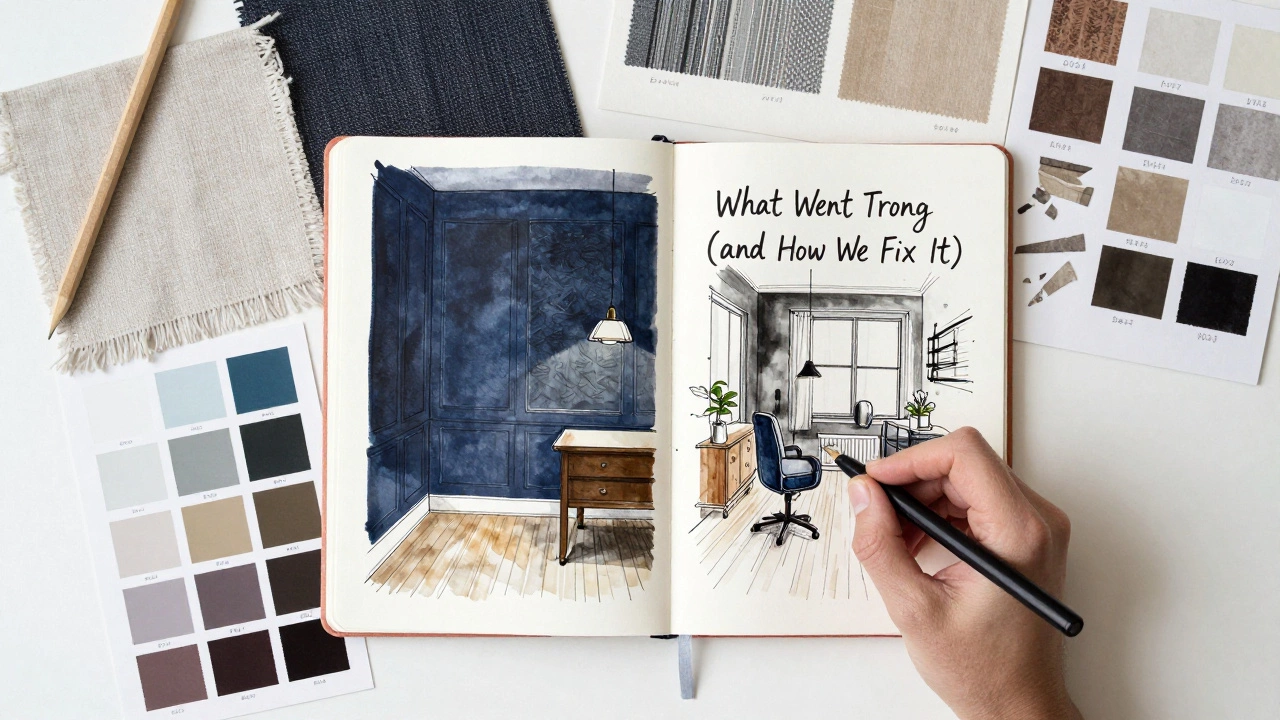
The best designers treat chaos like a puzzle. They know that every delay or change is a chance to improve the outcome. One designer in Portland told me she keeps a notebook titled “What Went Wrong (and How We Fixed It).” She’s logged over 120 entries. One entry: “Client loved navy walls. We installed them. They hated them after 3 days. Solution? Painted one accent wall in a deep charcoal, added layered lighting, and now it’s their favorite room.” That’s not luck. That’s adaptability.
3. You Listen More Than You Speak
Interior design isn’t about your taste. It’s about the client’s life. Too many designers walk in with a vision and try to force it. The ones who thrive? They ask questions. Not just “What colors do you like?” but “How do you unwind after work?” or “What’s one thing you hate about your current space?”
A designer in Austin worked with a family who said they wanted a “modern, minimalist living room.” But during the interview, the mom mentioned she always leaves her coffee mug on the armrest. The dad said he reads in bed with his laptop propped on his knees. The kids never sat on the couch-they played on the floor. So the designer ditched the sleek white sofa. She chose a deep, stain-resistant sectional with built-in storage for toys, a side table that doubled as a charging station, and a rug that could handle muddy boots. The client cried when they saw it. Not because it was trendy. Because it was theirs.
Listening isn’t passive. It’s the most powerful design tool you have.

4. You Have a Strong Sense of Scale and Balance
You can have the best taste in the world, but if your furniture is too big for the room-or too small-it will feel off. No matter how much you love that oversized sectional, if it blocks the doorway, it’s not design. It’s a mistake.
Good designers think in dimensions, not just aesthetics. They know that a 9-foot ceiling needs taller curtains. They know a 6-foot dining table needs 36 inches of clearance on all sides. They know a rug should be at least 18 inches wider than the sofa on each side. These aren’t rules. They’re physics. And ignoring them makes spaces feel awkward, even if everything “looks nice.”
One designer in Seattle told me she measures every doorframe, window, and stairwell before even meeting a client. Why? Because once, she picked a gorgeous chandelier for a foyer-only to realize the ceiling height was 7 feet 8 inches. The fixture would’ve hit the top of the door. She had to redesign the whole lighting plan. That’s the kind of detail that separates amateurs from pros.
Scale isn’t about following trends. It’s about respecting the space you’re working with. A room that feels balanced doesn’t need to be expensive. It just needs to feel right.
Is This Career Right for You?
If you have these four traits-seeing beyond the surface, embracing messy processes, listening deeply, and respecting scale-you’re already ahead of most people who think they want to be designers. The rest? That’s learnable. You can take courses. You can learn software. You can build a portfolio.
But you can’t fake curiosity. You can’t fake patience. And you can’t fake the quiet confidence it takes to say, “This space doesn’t need more stuff-it needs better flow.”
Start small. Redesign your own closet. Document the changes. Ask friends how the space feels now. Notice what you learned. That’s your first project. And it’s the best training ground you’ll ever have.
Do you need a degree to become an interior designer?
No, you don’t need a degree. But you do need to understand building codes, lighting ratios, and space planning. Many designers start with online courses or certifications from organizations like the Interior Design Society or the American Society of Interior Designers. What matters more than a diploma is your ability to solve real problems and deliver results clients love.
How long does it take to become a professional interior designer?
There’s no fixed timeline. Some people land their first client after six months of practicing on friends’ spaces. Others spend two to three years building a portfolio, learning software like SketchUp or AutoCAD, and networking. The key isn’t time-it’s consistency. If you do one small project every month, track the feedback, and refine your process, you’ll be ready to charge for your work before you know it.
What’s the biggest mistake new designers make?
They focus on aesthetics before function. A room full of Instagram-worthy decor that no one can actually use is just a showroom. Real design works for real life. That means considering storage, traffic flow, durability, and comfort-even if it means choosing a plain rug over a patterned one.
Can you be an interior designer without being creative?
Creativity isn’t about being artistic. It’s about finding clever solutions. You don’t need to paint or draw to be creative. You can be creative by rearranging furniture to improve flow, choosing multi-functional pieces, or repurposing an old ladder as a bookshelf. Design is problem-solving with space. If you like puzzles, you’re already halfway there.
How do you find your first clients?
Start with people you know. Offer to redesign a friend’s home office or a family member’s closet for free-or at a deeply discounted rate-in exchange for photos and a testimonial. Post before-and-after shots on Instagram or Pinterest. Use hashtags like #SmallSpaceSolutions or #BeforeAfterInterior. Real results build trust faster than any ad.