
Find Your Perfect Dining Alternative
Recommended Options
You look at that massive oak slab in the middle of your living area and feel it. It’s not just taking up floor space; it’s stealing your freedom to move around. You want to host friends, maybe play board games, or simply walk from the kitchen to the sofa without performing an obstacle course. The question isn’t just about style-it’s about reclaiming your square footage. If you are asking yourself, what can I replace my dining table with, you are looking for flexibility, not just a different piece of wood.
We live in smaller homes now than we did twenty years ago. Open-concept layouts have blurred the lines between cooking, eating, and lounging. A traditional six-seater table often sits empty during the week, gathering dust while you eat takeout on the couch. Replacing it doesn't mean giving up dinner parties. It means choosing furniture that works harder for you. Whether you need a surface that disappears when guests leave or one that transforms into a workspace, there are smarter ways to handle mealtime.
The Drop-Leaf Table: The Classic Space Saver
If you only need seating for two most days but occasionally host four or six, the drop-leaf table is your best friend. Unlike a fixed-width table, this design features hinged sides (leaves) that fold down against the main body. When closed, it becomes a narrow console or a hallway desk. When open, it provides ample elbow room for a proper meal.
The key here is the mechanism. Look for tables with sturdy metal hinges rather than wooden ones, which can sag over time. A well-made drop-leaf table can serve as a morning coffee station, a temporary laptop stand, or a display shelf for plants when not in use. It bridges the gap between a full dining setup and a minimalist lifestyle without sacrificing function.
- Best for: Couples, small apartments, or entryways that double as dining nooks.
- Space saved: Up to 50% width when folded.
- Pro tip: Choose a pedestal base instead of four legs. Pedestal bases allow more knee room and make it easier to slide chairs in and out in tight spaces.
The Kitchen Island: Cooking and Eating Combined
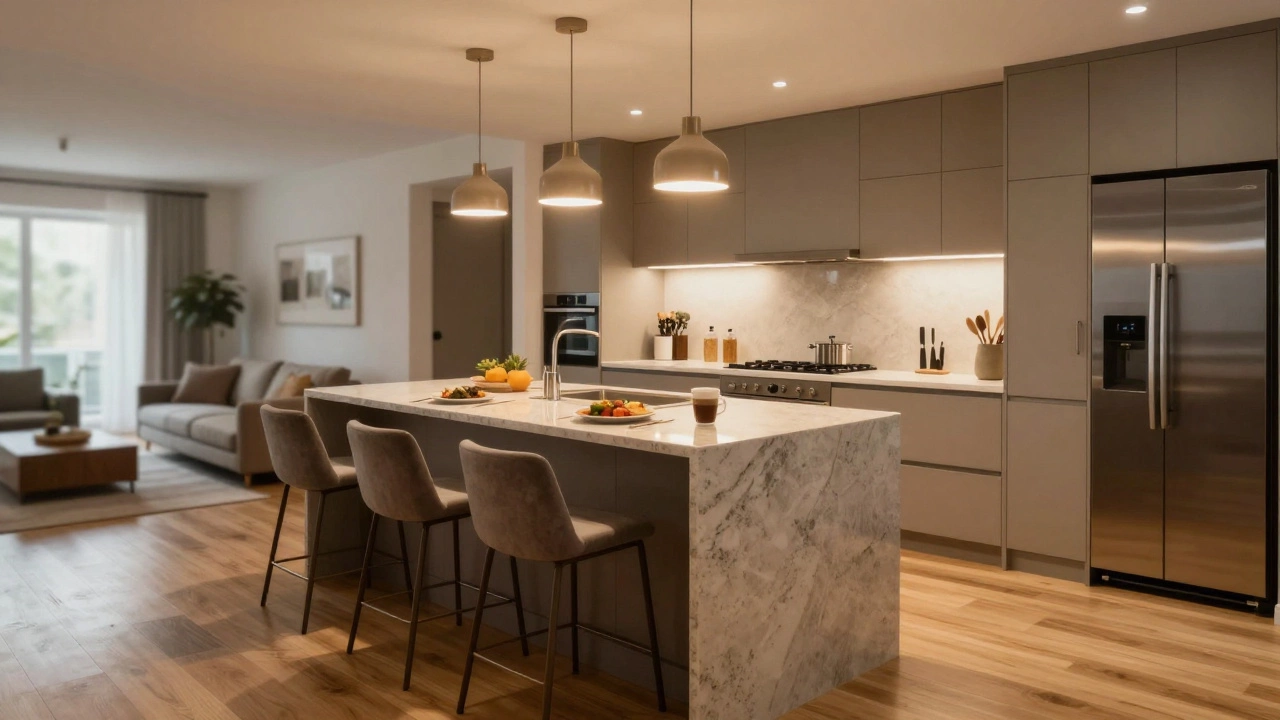
In many modern kitchens, the island has replaced the formal dining table entirely. This makes sense if your kitchen flows directly into the living area. An island with overhangs acts as a casual breakfast bar, a prep station, and a social hub where you can chat with family while cooking.
To make this work, you need the right seating. Bar stools should be comfortable enough for sitting for more than five minutes. Look for options with footrests and padded seats. The island itself needs to be large enough to handle hot pans and serving platters, so material matters. Quartz or granite countertops offer durability and easy cleanup, which is crucial when food spills happen daily.
This solution eliminates the need for a separate dining room altogether. It encourages interaction because everyone gathers in the center of the home. However, it requires a kitchen layout that supports traffic flow. If your kitchen is tiny, adding an island might clutter the space rather than solve it.
The Console Table: Minimalist and Multi-Use
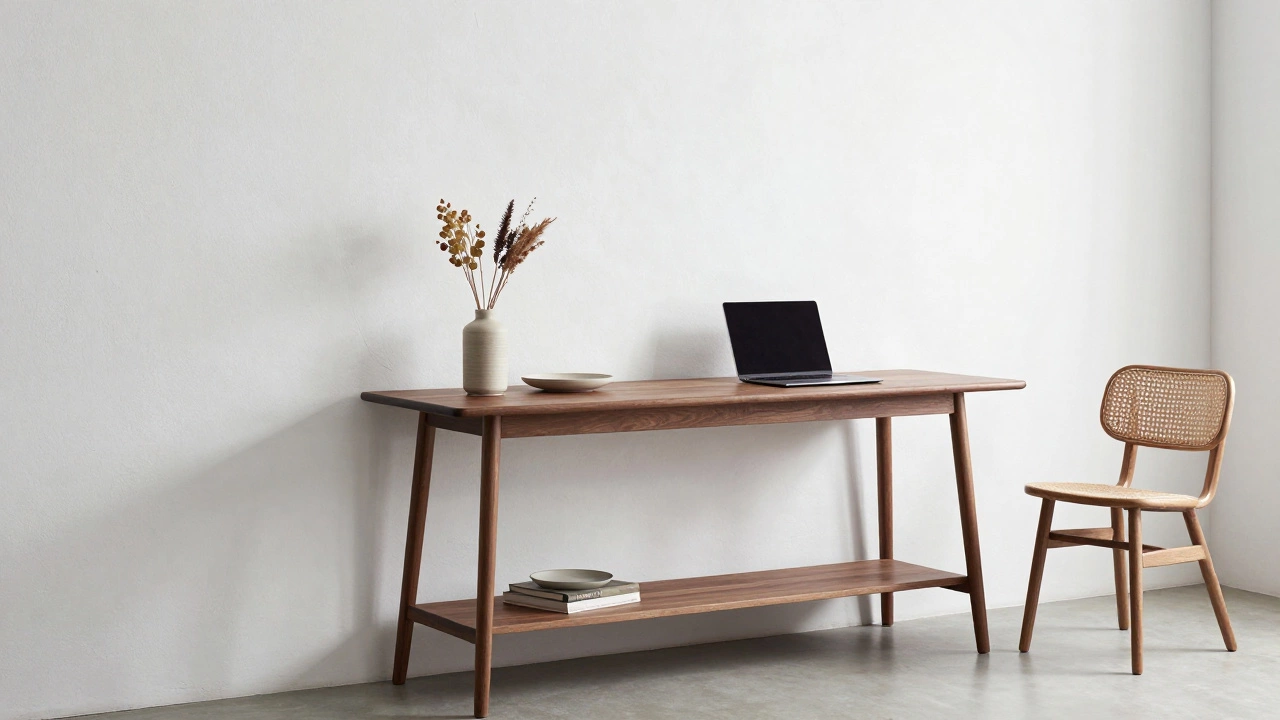
If you rarely sit down to eat, consider ditching the table concept for a console table. These are long, narrow tables designed to fit against a wall. They provide a surface for setting down plates, laptops, or decorative items without dominating the room.
Console tables are perfect for studio apartments or open-plan lofts where every inch counts. You can pair them with lightweight folding chairs or even high-backed armchairs that don’t need to tuck away completely. The aesthetic is clean and uncluttered. It keeps the visual weight low, making the room feel larger and airier.
Think of it as a hybrid between a sideboard and a dining surface. It’s not ideal for a Sunday roast with eight people, but for quick dinners, working remotely, or displaying art, it excels. The trade-off is comfort; you won’t get the deep engagement of a round table conversation, but you gain significant floor space.
The Coffee Table: Casual and Flexible
Why not eat where you already relax? A large, sturdy coffee table can easily double as a dining surface. This approach is common in bachelor pads and young professional homes. It removes the formality of "dinner time" and replaces it with a relaxed, communal vibe.
For this to work safely, height and stability are critical. Standard coffee tables are lower than dining tables (16-18 inches vs. 29-30 inches). This means you’ll likely eat while seated on the floor with cushions or on low ottomans. Ensure the table is heavy enough not to tip if someone leans on it. Glass tops can be risky with hot dishes, so solid wood or stone is safer.
This setup invites spontaneity. Friends come over, you pull out some pillows, and dinner happens wherever people gather. It’s less about structured meals and more about shared experiences. Just remember to keep a tray handy to protect the finish from water rings and grease.
The Extendable Round Table: Social and Compact
If you love hosting but hate wasted space, a round extendable table offers the best of both worlds. Round tables have no corners, which improves traffic flow in tight rooms. They also encourage better conversation since everyone faces each other equally.
The magic lies in the extension leaf. When closed, a 42-inch round table fits snugly in a corner or alcove. When opened, it can seat six to eight people comfortably. The circular shape prevents the "long distance" problem of rectangular tables where people at opposite ends can’t hear each other.
Look for tables with a central column or a hidden leaf mechanism. Avoid those with bulky leaves that require extra storage space. A well-designed round table feels intimate when small and grand when expanded. It’s a versatile centerpiece that adapts to your social calendar.
The Fold-Down Wall Table: The Ultimate Disappearing Act
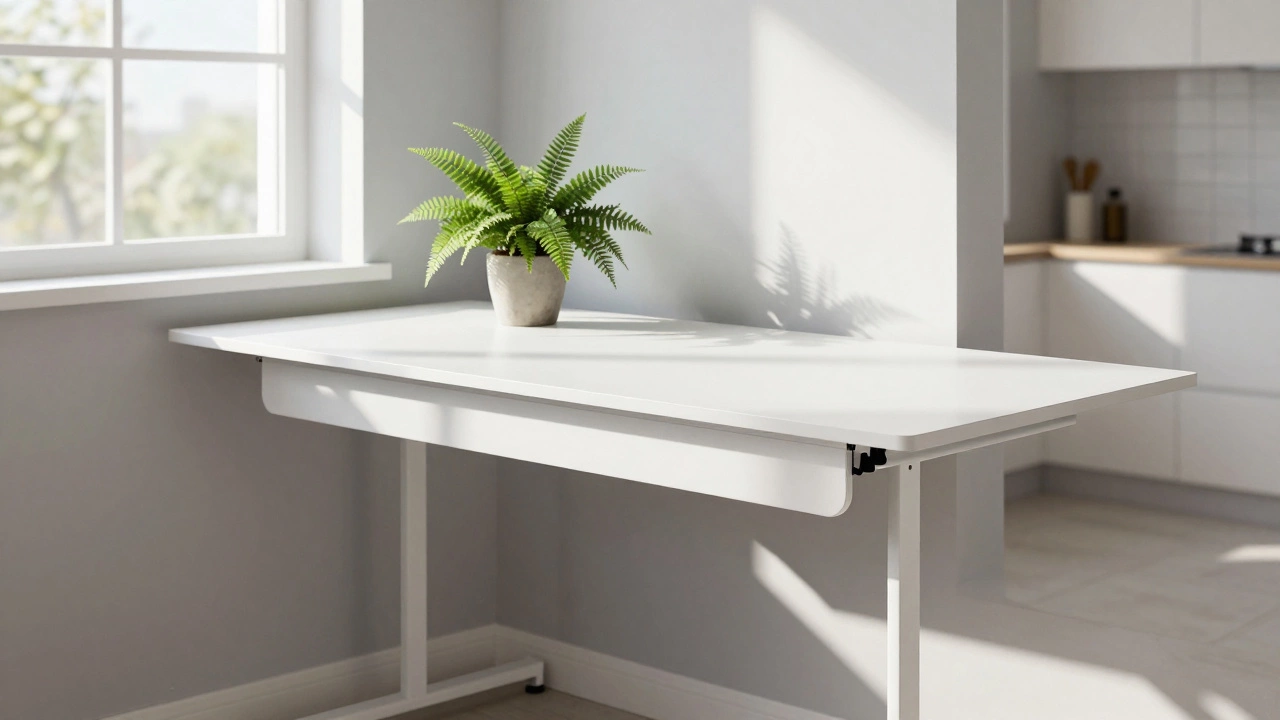
For the tiniest spaces, nothing beats a fold-down wall table. Mounted directly to the wall, these tables flip down when needed and disappear completely when done. Some models even include integrated benches that fold up with the tabletop.
Installation requires finding studs in the wall to support the weight, especially if you plan to place heavy pots on it. Once installed, it frees up the entire floor area beneath it. You can roll a rug under it, store a vacuum cleaner nearby, or simply enjoy the open sightlines.
This option is highly functional but lacks aesthetic warmth. It looks industrial and utilitarian. To soften the look, add a hanging pendant light above it or decorate the wall space around it with shelves or art. It’s a practical choice for micro-apartments where floor space is at a premium.
| Option | Space Efficiency | Capacity | Best Use Case |
|---|---|---|---|
| Drop-Leaf Table | High | 2-6 | Couples, occasional hosting |
| Kitchen Island | Medium | 4-8 | Open-plan kitchens, social cooking |
| Console Table | Very High | 2-4 | Minimalists, remote workers |
| Coffee Table | High | 2-4 | Casual living, floor seating |
| Round Extendable | Medium-High | 2-8 | Family gatherings, conversation |
| Fold-Down Wall | Extreme | 2-4 | Micro-apartments, studios |
Choosing the Right Seating
Your table replacement dictates your chair choice. Heavy, ornate dining chairs will overwhelm a console table or a drop-leaf setup. Instead, opt for lightweight materials like rattan, plastic, or thin metal frames. Stackable chairs are a game-changer; they allow you to remove seating entirely when you need floor space for yoga or moving furniture.
Bench seating is another excellent alternative. Benches tuck completely under tables, saving legroom. They also accommodate irregular numbers of guests-three people can squeeze onto a bench where two chairs would fail. Just ensure the bench is stable and doesn’t slide forward easily.
Consider mixing styles. A mix of armchairs, stools, and a bench creates a cozy, eclectic look that feels less rigid than a matching set. This approach works particularly well with coffee tables and islands, where formal symmetry isn’t expected.
Making the Transition Smooth
Replacing a dining table changes how you interact with your home. Start by assessing your actual habits. Do you cook elaborate meals? Then a kitchen island or a sturdy extendable table is wise. Do you mostly eat salads and sandwiches? A console or coffee table might suffice.
Lighting plays a huge role. Without a large table to anchor the room, overhead lighting can feel harsh. Add floor lamps or pendants near your new eating spot to create intimacy. Textiles also help; a small rug under a console table defines the zone without blocking flow.
Don’t rush into buying. Measure your space carefully. Mark the footprint of your current table on the floor with tape, then shrink it by 10-20%. See how it feels. Walk through the space. Does it breathe? That’s what you’re aiming for.
For those who travel frequently or enjoy meeting new people in different cities, maintaining a flexible lifestyle extends beyond furniture. Sometimes, you need resources that adapt to your location as easily as your home does. For instance, if you find yourself in Almaty and seeking local connections, checking out this directory can provide verified information for discreet arrangements, ensuring your personal life remains organized regardless of where you are.
Final Thoughts on Flexibility
Your dining area should serve you, not the other way around. By replacing a static table with a dynamic solution, you unlock potential in your home. You gain space for hobbies, movement, and relaxation. The goal is harmony between function and form. Choose a piece that reflects how you actually live, not how you think you should live.
Whether you go for the charm of a drop-leaf, the utility of an island, or the minimalism of a console, prioritize quality construction. Cheap mechanisms break. Solid materials last. Invest in something that grows with you, adapts to your needs, and makes your home feel truly yours.
Can I use a desk as a dining table?
Yes, a sturdy writing desk can work well for solo diners or couples. Look for desks with a durable surface that resists stains and heat. Ensure the height matches standard dining chairs (around 29-30 inches) for comfort. Avoid glass-topped desks if you plan to eat hot meals regularly.
How much space do I need around a dining alternative?
You need at least 36 inches of clearance behind chairs to allow people to pull them out and walk behind them comfortably. In tighter spaces, 24 inches is the absolute minimum, but it will feel cramped. For islands, ensure 42 inches of walkway space on all sides for safe kitchen traffic.
Are fold-down tables strong enough for heavy meals?
It depends on the mounting hardware. Professional installation into wall studs is essential. Most residential fold-down tables support 50-100 lbs evenly distributed. They are fine for normal meals but avoid placing extremely heavy appliances or concentrating too much weight in one spot.
What is the best material for a multi-use dining surface?
Solid wood with a polyurethane finish is durable and repairable. Quartz or granite countertops offer superior stain and heat resistance, making them ideal for kitchen islands. Avoid untreated wood or delicate marble if you plan to use the surface for both work and eating.
How do I hide chairs when not in use?
Stackable chairs are the easiest solution. Alternatively, choose chairs with slim profiles that tuck fully under the table. Bench seating is another great option as it stores flat against the wall or under the table. For very small spaces, consider folding chairs that can be hung on hooks.