
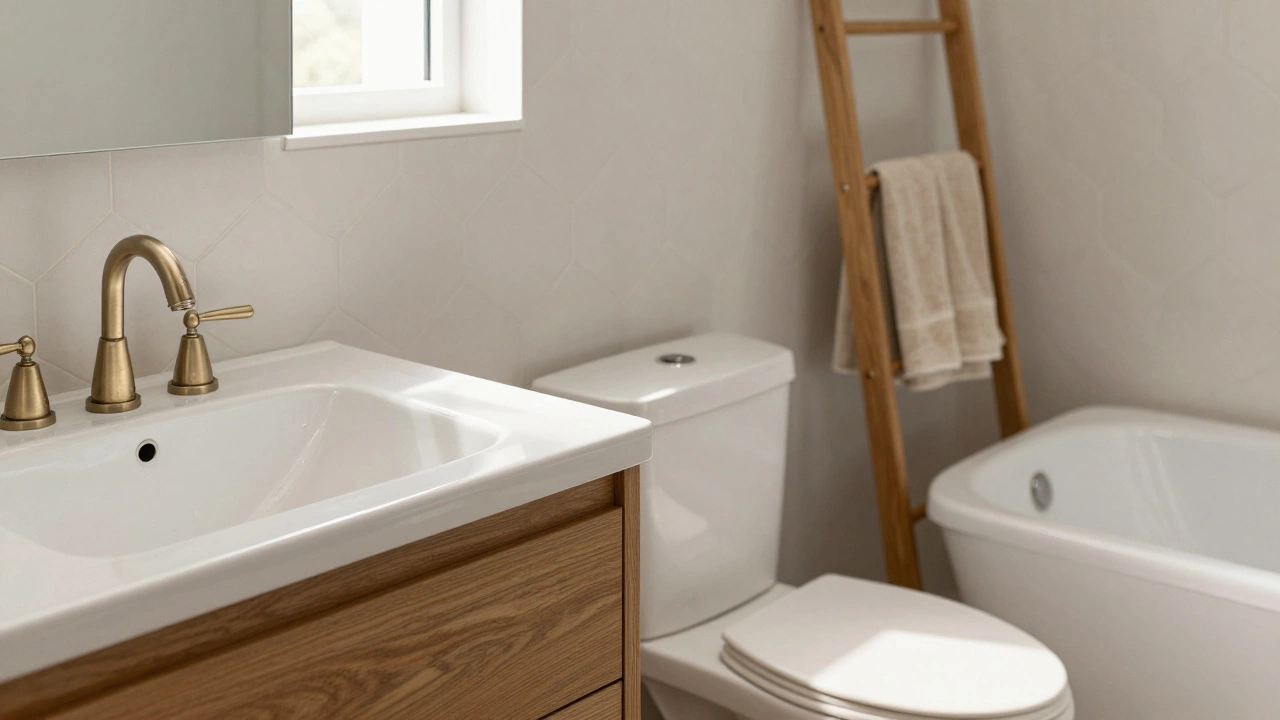
When you’re redoing your bathroom, the biggest mistake isn’t picking the wrong tile or the shiniest faucet-it’s choosing a fixture color that looks great today but feels dated in five years. You want something that won’t make you cringe when you look in the mirror ten years from now. So what color bathroom fixture is truly timeless? The answer isn’t fancy, it’s not trendy, and it’s not even close to being controversial: white.
Why White Wins Every Time
White bathroom fixtures-sinks, toilets, bathtubs-have been the standard for over a century. Why? Because they work with everything. Whether your style is rustic farmhouse, sleek modern, or coastal chic, white fixtures blend in without trying. They don’t compete with the walls, the tiles, or the towels. They just… sit there, quietly perfect.
Look at any historic home that’s been restored-1920s bungalows, 1950s mid-century homes, even 1980s ranches. The original fixtures? Almost always white. Even today, high-end designers like Kelly Wearstler and Joanna Gaines keep white fixtures in their luxury projects. Not because they’re boring, but because they’re reliable. White doesn’t fade in style. It fades in visibility, letting the rest of the room shine.
And it’s not just about looks. White reflects light. In a small bathroom, that makes the space feel bigger. In a windowless room, it lifts the mood. In a bathroom with poor lighting, white fixtures don’t cast shadows or look dull. They stay clean-looking, even under harsh fluorescent bulbs.
What About Other Colors? Are They Ever Timeless?
You’ve seen them: black sinks, matte green tubs, navy toilets. They look bold in showrooms. Instagram loves them. But here’s the truth-most of these colors don’t last. In 2023, black bathroom fixtures were everywhere. By 2025, they’re already looking dated. Why? Because they’re high-maintenance. Water spots show up like ink stains. Fingerprints cling like magnets. And if your water has minerals? You’re scrubbing daily.
Colored fixtures also limit your options. If you pick a blush pink sink, you’re stuck matching every towel, rug, and shower curtain to it. White? You can switch out colors every season. Swap navy towels for coral ones. Change the shower curtain from linen to geometric print. White fixtures don’t fight you. They adapt.
There’s one exception: brass. Not the fixture itself, but the hardware. Brass faucets, towel bars, and cabinet pulls have made a comeback. But even then, it’s the metal, not the porcelain, that’s the accent. The sink? Still white. The tub? Still white. The toilet? Still white. The brass adds warmth. The white keeps it grounded.
The Practical Side of White Fixtures
Let’s talk about real life. Kids splash. Soap scum builds. Hard water leaves rings. White doesn’t hide dirt-it reveals it. And that’s actually a good thing.
When you can see the grime, you clean it. That means your bathroom stays healthier. Dark fixtures hide buildup, which means mold, mildew, and mineral deposits grow unnoticed. In humid climates like Melbourne, that’s a risk you don’t need.
White fixtures are also easier to repair. If your sink chips, you can touch it up with porcelain repair kits. If your tub stains, bleach works. If you want to repaint? White enamel is widely available. Try that with a matte charcoal tub. Good luck finding the right color match.
Resale value? White wins again. Real estate agents know it. Buyers scan bathrooms first. A white fixture says, “This has been cared for.” A colored fixture says, “Someone had a strong opinion.” Most buyers don’t want to re-do a bathroom just to change the color. White means less work. Less cost. Less stress.
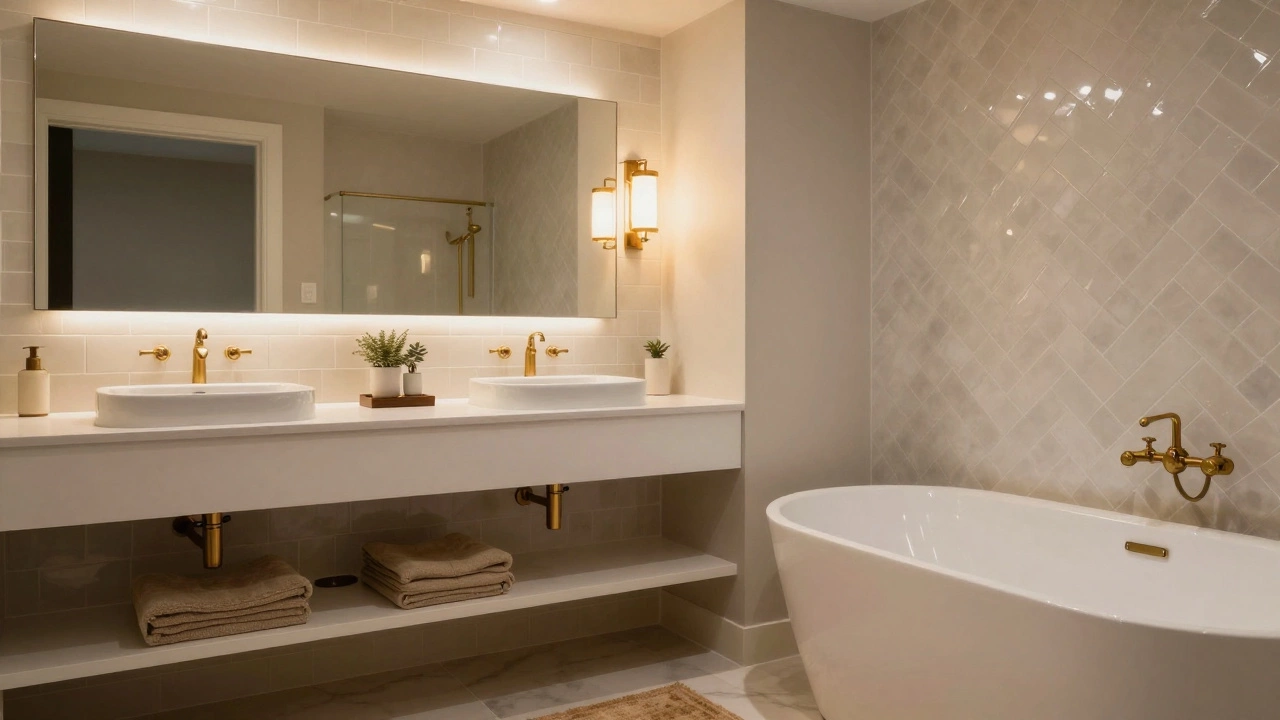
How to Make White Fixtures Feel Fresh
White doesn’t have to mean sterile. It doesn’t have to feel like a hospital. The trick is in the details.
- Pair white porcelain with warm wood vanities-oak, walnut, or teak. The contrast adds depth.
- Use textured tiles. Subway tiles in a herringbone pattern, matte hexagons, or hand-glazed ceramics break up the flatness.
- Layer lighting. A central ceiling light isn’t enough. Add sconces, under-cabinet strips, or a dimmable vanity light.
- Introduce metal accents. Brushed nickel, oil-rubbed bronze, or unlacquered brass bring warmth without overwhelming.
- Choose towels and rugs in earth tones: sage, oat, terracotta. They make white feel cozy, not cold.
Even the shape of your fixture matters. A classic pedestal sink feels timeless. A floating vanity with clean lines feels modern. Both work with white. It’s not the color that changes-it’s the silhouette.
What About Custom Colors? Should You Ever Try Them?
Yes-but only if you’re planning to live in the house for 20+ years and you’re confident in your taste. If you’re someone who loves deep emerald green and can’t imagine living without it, go for it. But know this: you’re not choosing timeless. You’re choosing personal.
And that’s fine. Just don’t confuse personal with timeless. If you’re selling in five years, you’re likely to lose money on that custom tub. But if you’re staying put? Go wild. Just remember: white is the safe base. Color is the accent. Even in bold designs, white is often the quiet hero behind the scenes.
Real-World Examples That Prove It
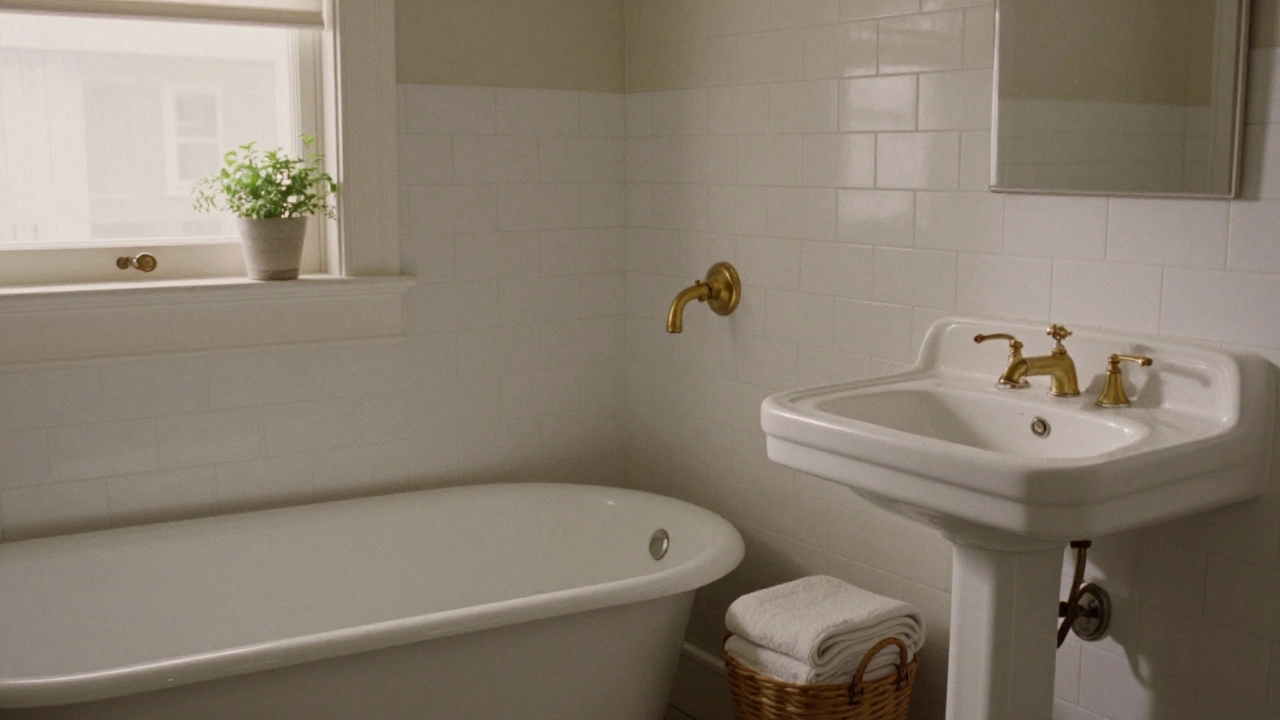
Look at the bathrooms in the homes of design legends. Charlotte Perriand’s 1930s Paris apartment? White tub, white sink. Mid-century modernist Charles Eames’ home in California? White fixtures with black hardware. Even today’s luxury hotels-The Ritz-Carlton, Aman Resorts, Four Seasons-they all use white porcelain. Why? Because they know it lasts. It’s not about fashion. It’s about endurance.
And in Australia? The same. In Melbourne’s old terrace houses, the original 1890s sinks are still white. In new builds in the Mornington Peninsula, builders use white fixtures because they know buyers expect it. It’s not a trend. It’s a standard.
Final Thought: Timeless Isn’t Boring
Timeless doesn’t mean boring. It means confident. It means knowing what works, and sticking with it. White bathroom fixtures aren’t a lack of imagination-they’re a statement of clarity. They say, “I value quality over flash.” They say, “I’m not chasing the next trend. I’m building something that lasts.”
So if you’re wondering what color bathroom fixture is timeless-look in the mirror. The answer isn’t hidden in a catalog. It’s right there. Clean. Simple. Always there.
Is white the only timeless color for bathroom fixtures?
Yes, for porcelain, ceramic, and enamel fixtures, white is the only color proven to stay relevant across decades and design styles. While other colors may look stylish today, they rarely hold up over time in terms of resale value, maintenance, and adaptability to changing decor trends.
Do black or colored fixtures go out of style quickly?
Yes. Colored fixtures like black, navy, or blush pink often peak in popularity within 2-3 years and then become hard to sell. They show water spots, fingerprints, and mineral buildup more noticeably than white, and buyers often see them as dated or too personal. White fixtures remain neutral and universally appealing.
Can I use colored hardware with white fixtures?
Absolutely. Faucets, towel bars, and cabinet pulls in brass, brushed nickel, or oil-rubbed bronze add warmth and personality without overwhelming the space. The fixtures stay white; the hardware becomes the accent. This is the smartest way to add style without sacrificing timelessness.
Why do luxury hotels always use white bathroom fixtures?
Luxury hotels use white because it’s clean, durable, and easy to maintain at scale. It also creates a sense of calm and consistency across rooms. White doesn’t distract from the experience-it supports it. That’s why even the most expensive hotels stick with it: it’s not a cost-cutting move, it’s a design choice rooted in longevity.
Will white fixtures make my bathroom look cheap?
Not if you pair them well. Cheap-looking bathrooms come from poor lighting, low-quality tiles, or mismatched accessories-not from white fixtures. In fact, white porcelain elevates the space when combined with good materials: natural stone vanities, textured tiles, and thoughtful lighting. The fixture isn’t the problem-it’s the context.