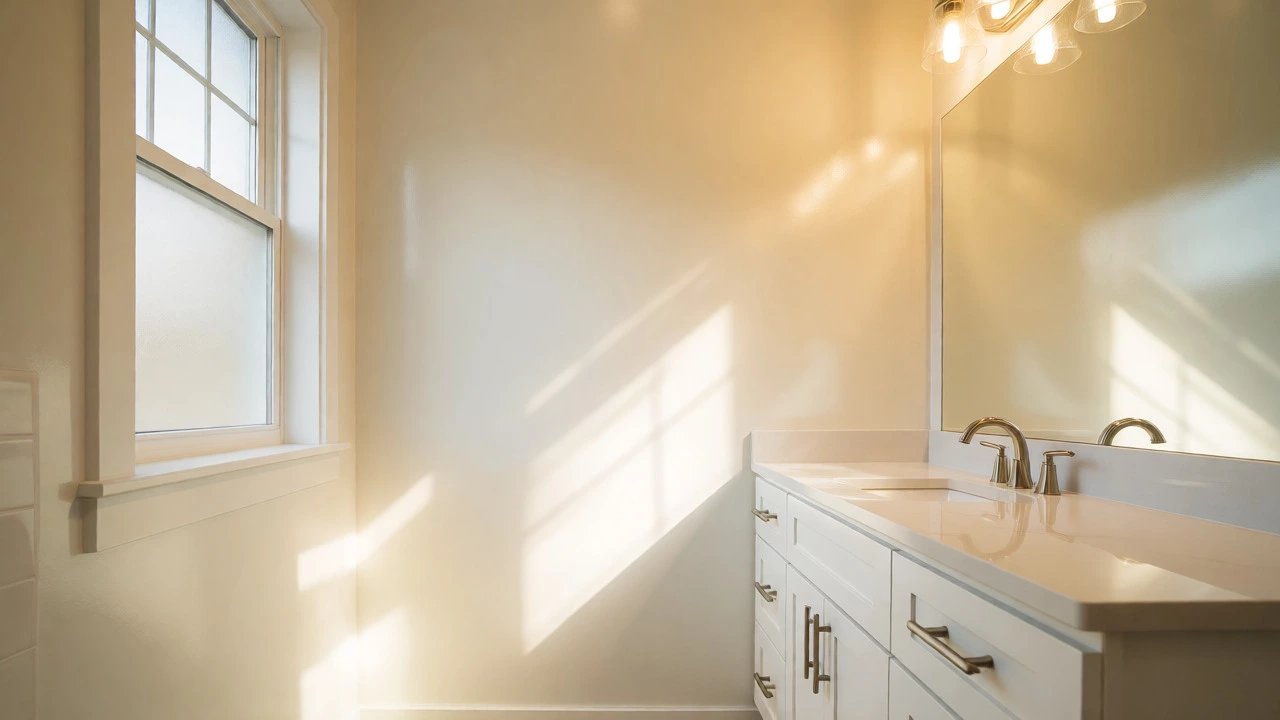
Bathroom Paint ROI Simulator
Select a wall color to see how it impacts potential buyer perception and estimated return on investment. Based on current market trends for 2026.
1. Choose Wall Color
Estimated Impact
2. Visualize the Room
ROI: --%You’re staring at a swatch of "Seafoam Green" from 1998 and wondering if it’s costing you money. It probably is. When you’re looking to sell your house, the bathroom isn’t just a place to shower; it’s a high-stakes audition room for potential buyers. A dated or aggressive color choice can make a $300,000 home feel like a fixer-upper, while the right shade can make the same space feel like a luxury spa. The question isn't just about what looks pretty to you-it's about what makes a buyer reach for their checkbook.
Real estate agents will tell you the same thing: neutral colors are the safest bet for increasing home value. But "neutral" doesn't mean boring beige. In 2026, the market favors warm whites, soft grays, and earthy tones that reflect light and create a sense of cleanliness. Let’s break down exactly which colors work, why they work, and how to use them without making your bathroom look like a dentist’s office.
The Psychology of Cleanliness and Space
Why do neutrals win? It comes down to two things buyers care about most: perceived space and hygiene. Dark, saturated colors absorb light, making small bathrooms feel cramped and cave-like. If a buyer has to turn on three lights to see if the sink is clean, they’ll hesitate. Conversely, light colors reflect natural and artificial light, bouncing it around the room to make even a tiny powder room feel airy and open.
There’s also a subconscious association with cleanliness. White, cream, and pale gray signal sterility. Think about hospitals, hotels, and high-end spas-they all lean heavily into these palettes. When a buyer walks into a bathroom painted in a crisp white or a soft greige (gray-beige), their brain registers "clean" before they’ve even checked the grout. This psychological shortcut is powerful. You want the buyer to focus on the quality of your tiles or the new vanity, not on whether the walls need repainting.
Top Performing Colors for Resale Value
Not all neutrals are created equal. Some shades have fallen out of favor, while others are surging in popularity among modern buyers who want a touch of warmth. Here are the specific color families that consistently drive higher offers.
Warm Whites and Creams
Gone are the days of stark, blue-toned hospital whites. Today’s market prefers warm whites-shades with yellow, red, or orange undertones. These colors soften the harshness of fluorescent lighting and pair beautifully with brass or gold fixtures, which are currently trending. A warm white makes the space feel inviting rather than clinical. It’s versatile enough to match any tile, whether you have outdated pink ceramic or modern marble-look porcelain.
Soft Grays and Greiges
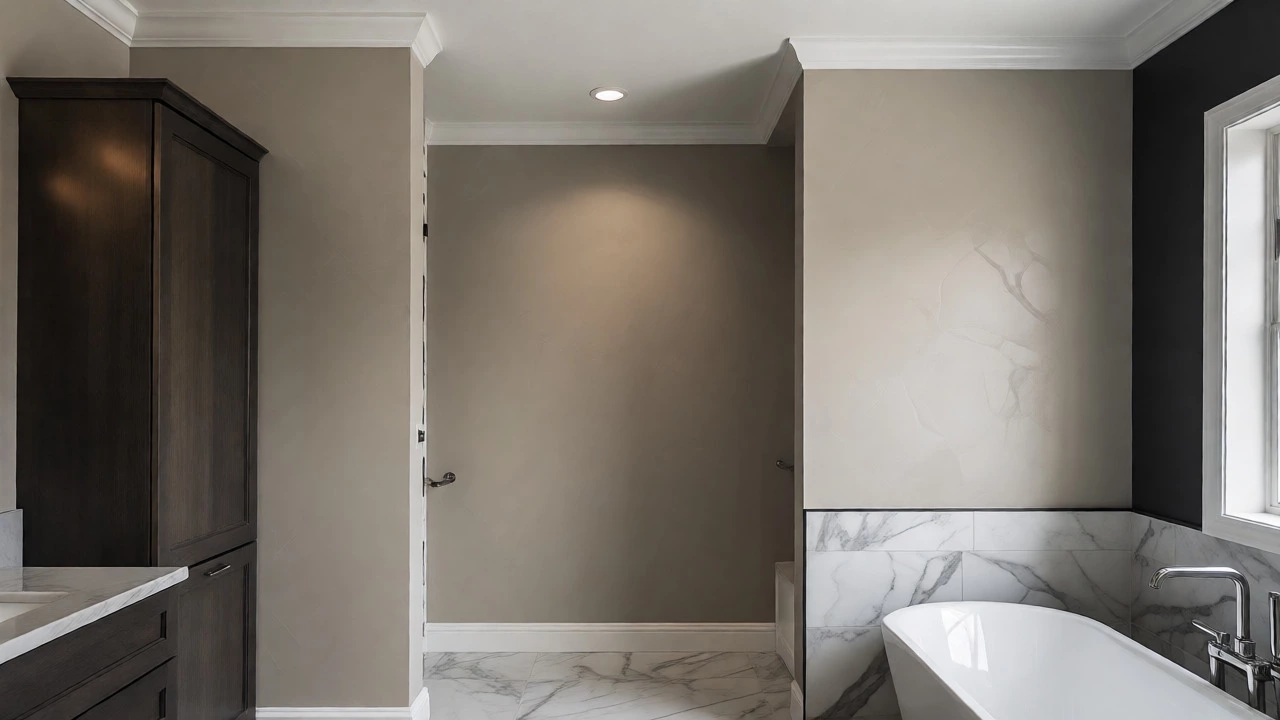
Gray was the king of the 2010s, but pure cool gray can feel cold in a bathroom. Enter "greige." This hybrid of gray and beige offers the sophistication of gray with the warmth of beige. It’s incredibly forgiving. If you have dark wood cabinets, greige bridges the gap between the wood and the white tub. It adds depth without shrinking the room. For larger master baths, you can go slightly darker with a charcoal accent wall, but keep the rest of the palette light to maintain balance.
Navy Blue and Deep Greens
Yes, you can use color. But there’s a catch: it works best in half-baths or as an accent. Navy blue is considered a "neutral" in interior design circles because it pairs well with almost everything. It signals stability and calm. Deep forest greens evoke nature and tranquility. However, these colors require excellent lighting. If your bathroom has no windows, stick to lighter shades. If you have great natural light, a navy lower-half wainscoting with white above can add character without overwhelming the space.
| Color Family | Perceived Space | Cleanliness Signal | Buyer Appeal |
|---|---|---|---|
| Warm White | Maximizes Light | High (Sterile) | Broadest Audience |
| Greige | Expands Visually | Moderate-High | Modern Buyers |
| Navy Blue | Cozy/Intimate | Moderate | Niche/Stylish Buyers |
| Pastel Pink/Green | Neutral | Low (Dated) | Risk of Lower Offer |
Avoiding the "Personal Taste" Trap
Your favorite color might be electric purple or sunset orange. That’s fine for living in the house, but it’s risky when selling. Personal tastes vary wildly, and a bold color forces the buyer to imagine painting over it immediately. That mental effort translates to a lower bid. They think, "I’m going to have to spend $500 and a weekend fixing this," so they subtract $1,000 from their offer just to be safe.
Specifically, avoid bright primary colors, heavy florals, and anything that screams "1970s avocado green." Even if the paint is fresh, the hue carries cultural baggage. If you absolutely love color, confine it to accessories. Throw rugs, towels, shower curtains, and art can introduce personality without committing the walls. This allows buyers to project their own style onto the canvas you’ve provided.
Lighting Matters More Than Paint
You can pick the perfect shade of Sherwin-Williams Alabaster, but if your lighting is terrible, the room will still feel cheap. Paint color and lighting are inseparable. Before you decide on a color, test it under different conditions. Buy sample pots and paint large poster boards. Move them around the room at different times of day. See how they look with the overhead light off, with the vanity bulbs on, and during twilight.
LED temperature plays a huge role here. Cool LEDs (4000K-5000K) can make warm whites look dingy or yellow. Warm LEDs (2700K-3000K) can make cool grays look muddy. Aim for a balanced 3000K-3500K bulb temperature for a true representation of the paint color. If you’re selling, upgrade your bulbs to high-CRI (Color Rendering Index) LEDs. They cost a few dollars more but make skin tones look healthy and surfaces look vibrant, enhancing the perceived value of the entire room.
ROI: Is Painting Worth It?
Painting a bathroom is one of the highest ROI projects you can tackle. It costs relatively little-maybe $150-$300 for materials-and takes a weekend. Yet, it can yield returns of 100% or more by speeding up the sale and preventing low-ball offers based on "cosmetic issues." Compare this to retiling, which costs thousands and takes weeks. Unless your tiles are cracked or moldy, paint is your best friend.
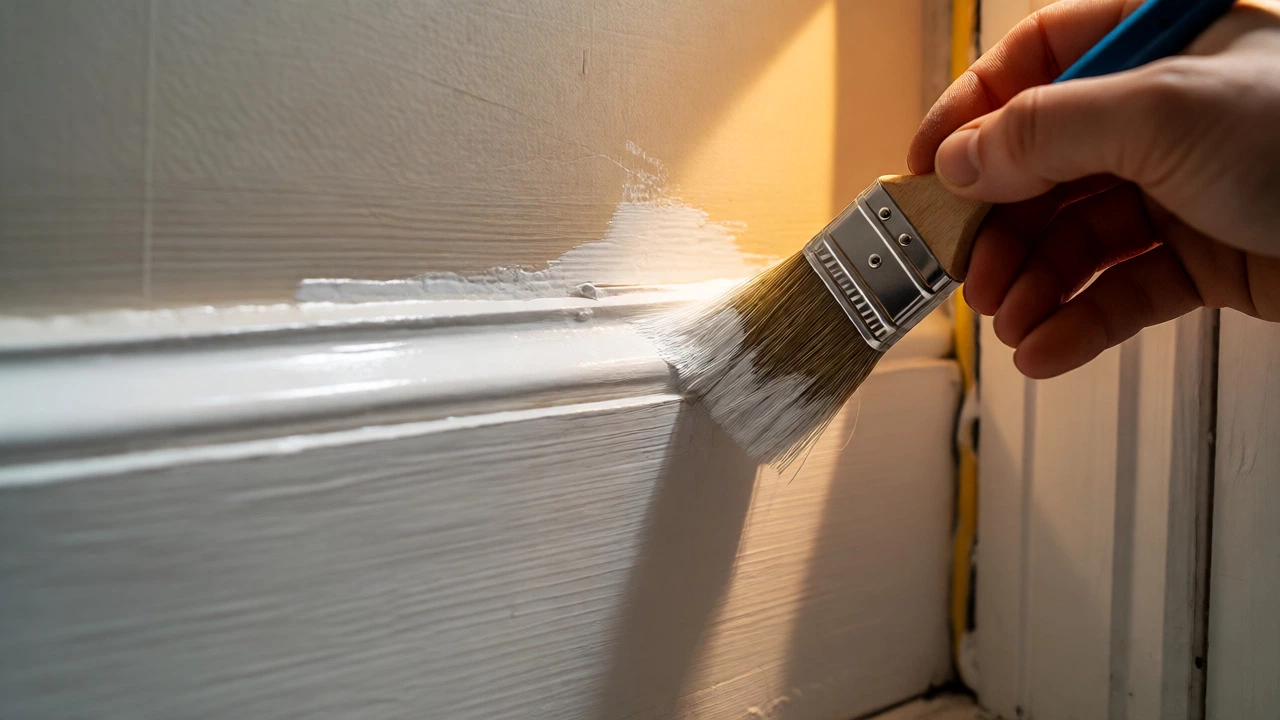
Focus on trim and ceilings too. Don’t just paint the walls. Fresh white trim frames the room and draws the eye upward. A stained ceiling makes a room look dirty instantly. Spending an extra hour rolling the ceiling pays dividends in perception. Ensure your caulk lines are crisp and white. Yellowed silicone caulk is a red flag for moisture issues, so replace it along with the paint job.
Practical Checklist for a High-Value Bathroom Refresh
- Test Samples: Always test paint samples in the actual room lighting before buying gallons.
- Fix Leaks First: No paint hides water damage. Repair leaks and dry out moisture before priming.
- Use Satin or Semi-Gloss: Matte finishes show fingerprints and water spots. Satin wipes clean easily and reflects light better.
- Update Hardware: Swap out old towel bars and toilet paper holders for brushed nickel or matte black. It’s a $50 update that looks expensive.
- Declutter: Remove personal photos and excessive toiletries. Less stuff equals more space.
Ultimately, the goal is neutrality with intention. You want the bathroom to feel like a blank slate that happens to be beautiful. By choosing warm, light, and reflective colors, you’re not just decorating; you’re marketing. You’re telling the buyer, "This home is cared for, modern, and ready for you." That message is worth far more than any trendy accent wall.
Does dark paint really decrease home value?
Dark paint doesn't necessarily decrease value, but it narrows your buyer pool. Many buyers perceive dark rooms as smaller and harder to light, leading them to estimate higher costs for renovation. Neutral colors appeal to the widest audience, reducing the risk of lowball offers.
What is the best white paint for bathrooms?
Warm whites like Sherwin-Williams Alabaster or Benjamin Moore Swiss Coffee are top choices. They reflect light well without feeling sterile or blue-toned, pairing nicely with both cool and warm fixtures.
Should I match my bathroom paint to my kitchen?
Not necessarily. Bathrooms are distinct spaces. While flow matters, you don't need identical colors. Keeping a cohesive neutral palette throughout the home creates harmony, but slight variations in tone are acceptable and often preferred for creating separate zones.
Do colored tiles affect resale value?
Colored tiles (like pink or avocado) significantly hurt resale value. They are expensive to remove and hard to hide. If you have colored tiles, consider using neutral paint to distract from them, or budget for a replacement if the rest of the home is high-end.
Is it worth hiring a pro to paint for resale?
If you lack time or skill, yes. A professional finish looks flawless and saves time. However, DIY painting is highly effective if done carefully. Focus on prep work-cleaning, sanding, and taping-which is where amateurs usually fail.