
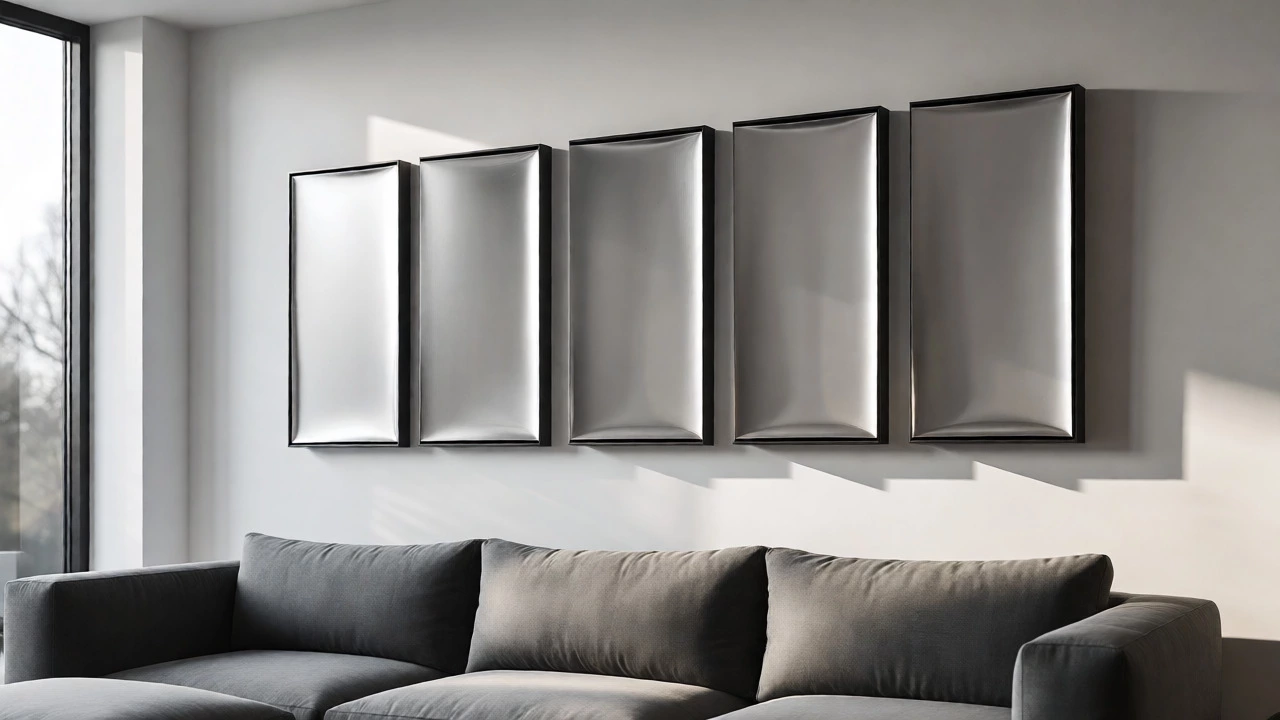
Quintych Wall Art Planner
Plan your quintych installation by entering the dimensions of your panels and desired spacing. This tool calculates the total width required on your wall to ensure a perfect fit.
Installation Parameters
Visual Preview & Results
You’re walking through a modern gallery or scrolling through a high-end interior design feed, and you spot it: a sleek, geometric object mounted on the wall. It’s not quite a painting, not exactly a sculpture, but it commands attention with its sharp angles and minimalist presence. You might ask yourself, what is a quintych? If that term sounds unfamiliar, you aren’t alone. It’s a niche concept in the world of contemporary wall art, often confused with standard canvases or metal prints, yet distinct in its construction and visual impact.
At its core, a quintych is a multi-panel wall installation designed to create a cohesive image or abstract pattern across separate physical pieces. Unlike a single canvas that breaks the illusion of depth when viewed from an angle, a quintych uses spacing between panels to add dimensionality. Think of it as the bridge between flat photography and three-dimensional relief art. The name itself hints at this structure-often implying five parts (from the Latin root "quinque" for five), though modern interpretations vary widely in panel count. Understanding what makes these pieces tick helps you decide if they belong in your living room, office, or hallway.
Defining the Quintych Structure
To grasp the essence of a quintych, you have to look past the surface image and examine the physical build. Standard wall art usually consists of one frame containing one image. A quintych, however, splits that image across multiple substrates. These substrates are typically made from materials like aluminum composite, acrylic, or thick canvas wrapped around wooden frames. The key differentiator is the gap-the negative space left between each panel when installed. This gap isn't an accident; it's a deliberate design choice that allows light to play across the edges, creating shadows that change throughout the day.
Why does this matter? Because our eyes perceive depth through contrast and separation. When you view a single flat canvas, your brain registers it as a window into another scene. When you view a quintych, the gaps remind your brain that the object exists in your physical space, adding a layer of tactile reality to the visual experience. It transforms a passive viewing experience into an active spatial interaction. Most quintychs feature either symmetrical layouts, where the center panel is the focal point, or asymmetrical arrangements that lead the eye diagonally across the wall.
Materials and Construction Techniques
The durability and aesthetic of a quintych depend heavily on the materials used. You won't find cheap paper posters here. High-quality quintychs rely on rigid substrates to maintain their shape over time. Aluminum dibond is a popular choice because it is lightweight yet incredibly stiff. It resists warping in humid environments, making it suitable for kitchens or bathrooms where standard canvas might sag. Acrylic faces offer a glossy, glass-like finish without the weight or fragility of real glass. They reflect ambient light, which can brighten up dark corners of a room.
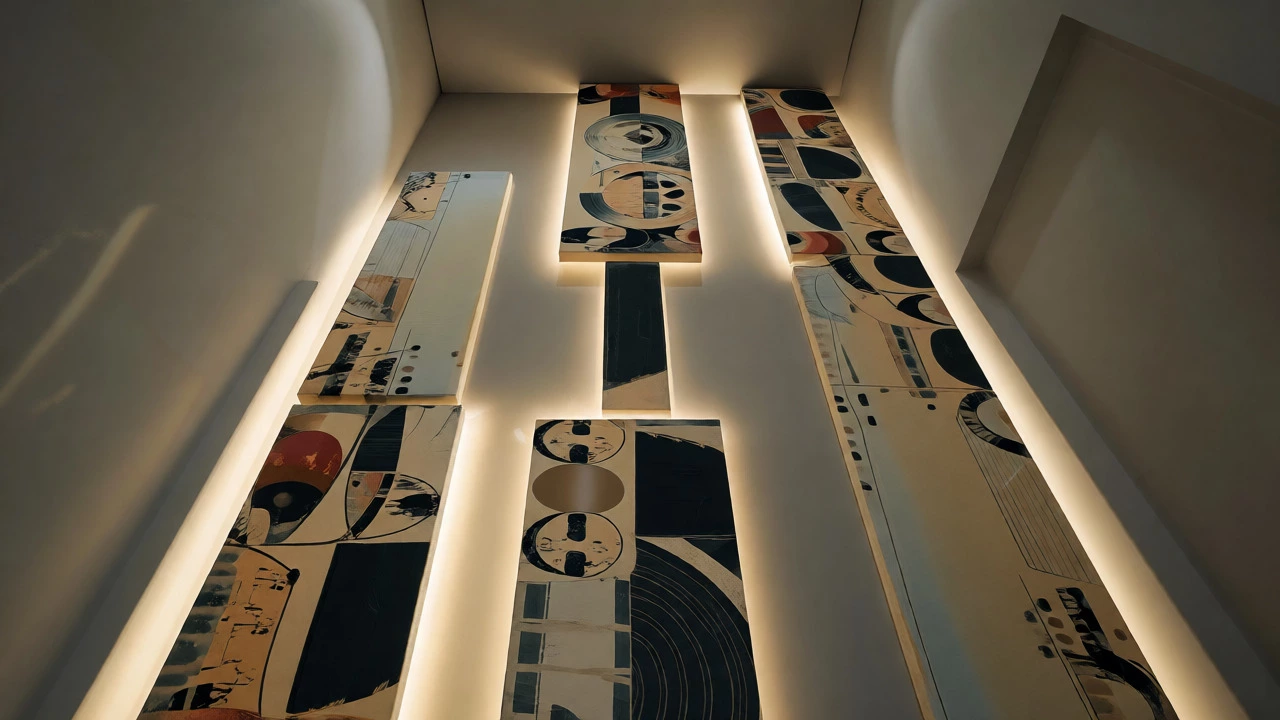
Canvas remains a favorite for those who prefer a softer, more traditional look. However, in a quintych setup, the canvas is stretched tightly over deep-profile frames, often 1.5 inches or thicker. This depth creates a shadow box effect even before the panels are hung next to each other. Some premium versions incorporate mixed media, combining wood slats with printed images or embedding LED backlighting behind the panels. This integration of technology turns the art piece into a light source, altering the mood of the room instantly.
Choosing the Right Layout for Your Space
Deciding how many panels your quintych should have depends on the wall size and the desired visual rhythm. While the term suggests five panels, you will commonly see triptychs (three panels) and polyptychs (many panels). A three-panel layout works best for medium-sized walls above sofas or beds. It provides balance without overwhelming the furniture below. The central panel is usually slightly larger or positioned higher to anchor the composition.
For larger open spaces, such as a loft living area or a corporate lobby, a five-panel arrangement creates a panoramic effect. This wide format draws the eye horizontally, making the room feel wider. Asymmetrical layouts, where panels vary in height and width, suit eclectic or industrial interiors. They break the monotony of straight lines and add dynamic energy. Before buying, measure your wall width and subtract at least two inches for every gap between panels. If you plan on having four gaps, that’s eight inches of empty space you need to account for. Ignoring this calculation leads to cramped installations where the art feels squeezed rather than spacious.
Installation Tips for Perfect Alignment
Hanging a quintych is significantly harder than hanging a single picture. If one panel is off by even a fraction of an inch, the entire composition looks broken. You cannot rely on eyeballing it. Use a laser level to mark the top line for all panels. Consistency is critical; the tops must align perfectly unless you are intentionally going for a staggered look. For staggered layouts, use a template made from cardboard cutouts of each panel’s dimensions. Tape them to the wall first to visualize the spacing.
Spacing rules vary, but a general guideline is to keep gaps between 0.5 and 2 inches. Too narrow, and the panels merge visually, losing the intended dimensional effect. Too wide, and the connection between the pieces weakens, making them look like unrelated items. Use painter’s tape to hold the template in place while you drill holes. Always check the level after installing the first two panels before committing to the rest. If the wall isn't perfectly flat-which most aren't-you may need adjustable D-ring hangers or French cleats to fine-tune the distance from the wall, ensuring the panels sit parallel to each other.
Quintych vs. Traditional Multi-Panel Art
It’s easy to confuse a quintych with a standard split-canvas print. Both involve multiple pieces, but the intent differs. A standard split canvas is simply one digital file sliced into rectangles for shipping convenience. The image flows seamlessly across the cuts. In a quintych, the artist often designs the piece specifically for the gaps. The gaps might interrupt the subject matter deliberately, forcing the viewer to mentally complete the image. This cognitive engagement is part of the appeal.
| Feature | Quintych | Standard Split Canvas |
|---|---|---|
| Design Intent | Gaps are integral to the artistic composition. | Gaps are incidental due to manufacturing limits. |
| Material Rigidity | High; often uses aluminum or acrylic. | Variable; often flexible canvas or thin foam board. |
| Visual Effect | Creates depth and shadow interplay. | Flattens the image; minimal depth. |
| Installation Precision | Critical; alignment defines the artwork. | Forgiving; minor misalignment is less noticeable. |
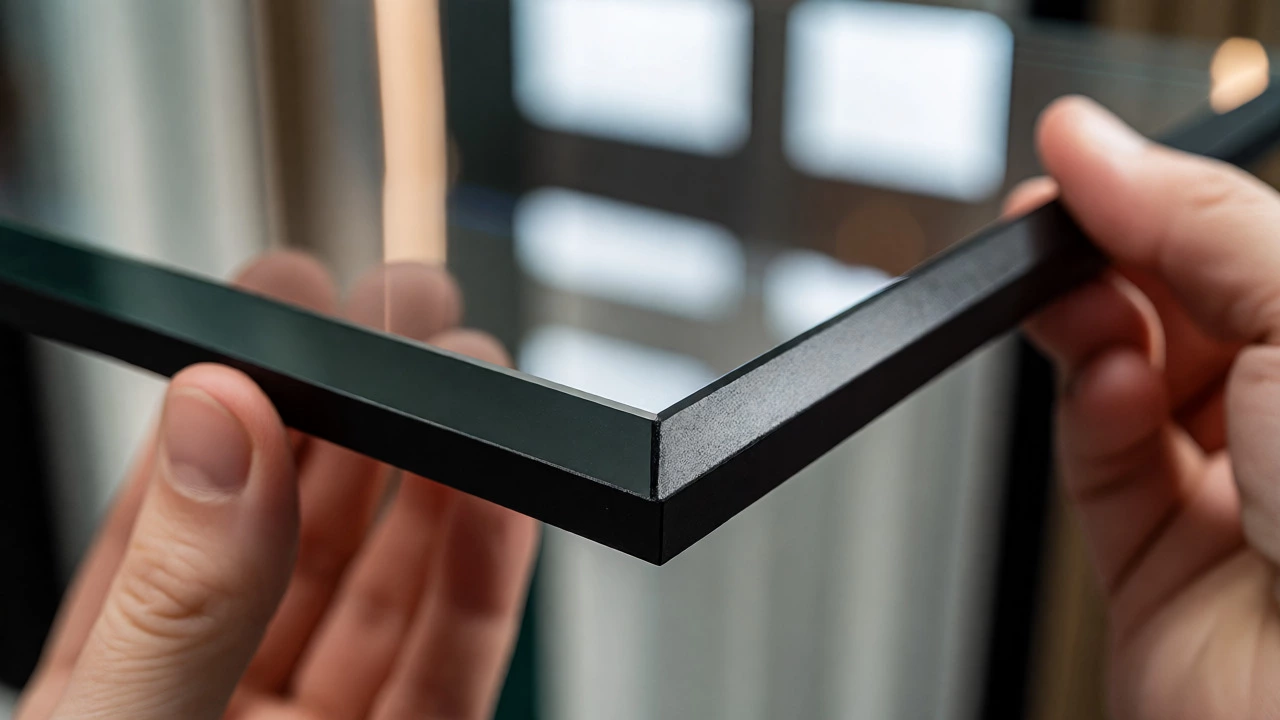
Another distinction lies in the edge treatment. Quintych edges are often finished to be visible, sometimes painted black or white to accentuate the border. Standard split canvases frequently wrap the image around the sides, hiding the edge color. This subtle difference signals to the viewer that the object is a constructed artifact, not just a captured moment.
Where to Place a Quintych in Your Home
Kitchens benefit greatly from quintychs because the modular nature allows for easier cleaning around appliances. Placing a slim three-panel set above the counter adds interest without protruding too far into walkways. Bathrooms are another excellent candidate, especially if using waterproof aluminum or acrylic. The steam-resistant materials ensure longevity, while the reflective surfaces bounce light around small, windowless rooms.
In living rooms, avoid placing quintychs directly behind large plants or cluttered shelves. The intricate spacing needs breathing room to be appreciated. A blank section of wall opposite the seating area works best. In hallways, a vertical stack of two or three narrow panels can elongate a low ceiling. Just ensure the bottom panel hangs at least 60 inches from the floor to prevent accidental bumps. Bedrooms require a calmer approach; opt for muted tones and symmetrical layouts to promote relaxation rather than visual stimulation.
Does "quintych" always mean five panels?
Not necessarily. While the prefix "quin-" relates to five, the term is often used loosely in marketing to describe any multi-panel wall art with significant gaps between pieces. You will frequently see three-panel sets marketed as quintych-style art. Always check the product description for the exact number of pieces included.
How much space should I leave between quintych panels?
The ideal gap ranges from 0.5 inches to 2 inches, depending on the total width of the installation. For smaller setups under 4 feet wide, stick to 0.5-1 inch. For larger panoramic displays over 6 feet, gaps up to 2 inches help define the individual sections. Consistency is more important than the specific measurement.
Can I hang a quintych on drywall without studs?
Yes, provided you use appropriate anchors. Aluminum quintychs are lightweight enough for toggle bolts or heavy-duty plastic anchors rated for 20+ pounds per panel. Acrylic pieces are heavier, so hitting a stud is safer. Always verify the weight of each panel and match it to the anchor rating to prevent damage to your wall.
Are quintychs expensive compared to regular prints?
Generally, yes. The cost reflects the complex manufacturing process, higher-quality substrates like aluminum dibond, and the precision required for cutting and finishing. Expect to pay 30-50% more than a comparable single-canvas print. However, the added visual impact and durability often justify the investment for long-term decor.
How do I clean a quintych?
Use a microfiber cloth lightly dampened with water. Avoid harsh chemicals, especially on acrylic surfaces, which can scratch or cloud. For aluminum panels, a mild soap solution works well. Never spray cleaner directly onto the art; apply it to the cloth first to prevent moisture from seeping into the mounting hardware.