
When you hear someone say they’re an interior designer, you might picture someone picking out couches and curtains. But that’s just one part of the job. In real life, people in this field use many different titles depending on what they actually do, where they work, and how they trained. So if you’re wondering what another name for an interior designer is, the answer isn’t one single word-it’s a few, and each tells you something different about their role.
Interior Decorator
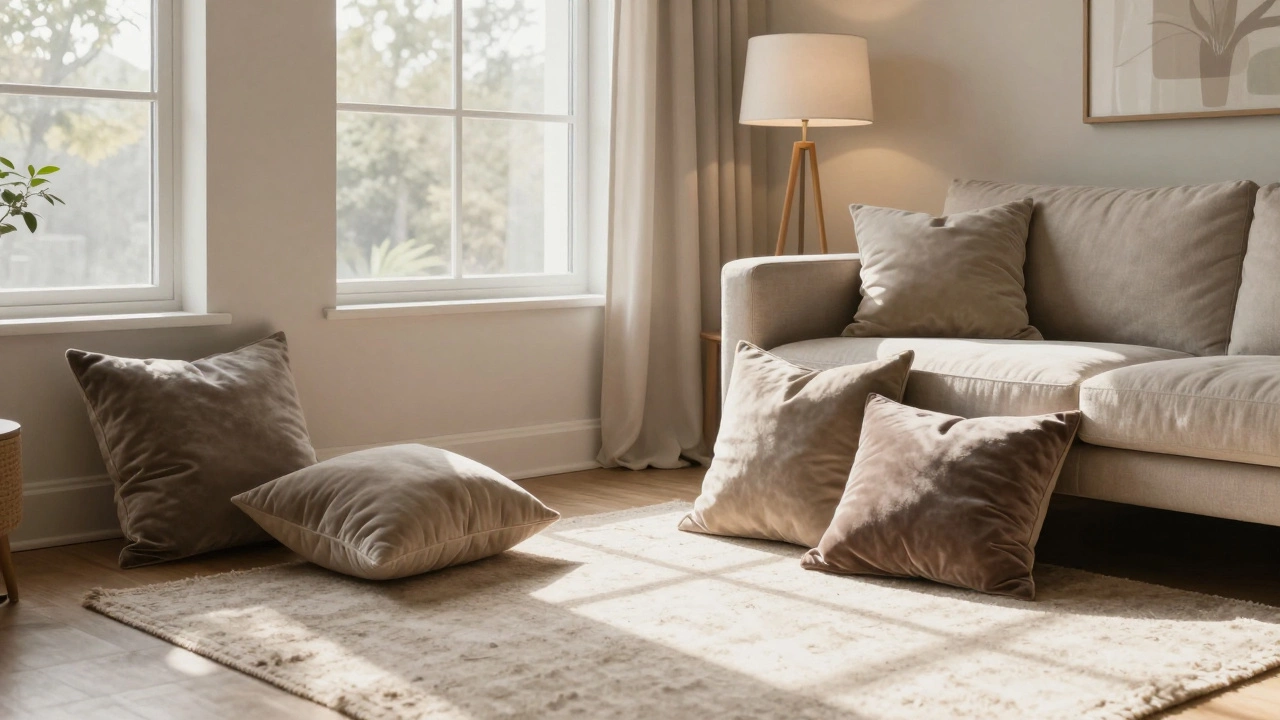
This is the most common alternative you’ll hear. Many people use "interior decorator" and "interior designer" interchangeably, but there’s a real difference. An interior decorator focuses on the finishing touches: paint colors, fabrics, lighting fixtures, rugs, and accessories. They don’t usually change walls, move plumbing, or deal with building codes. If you want to refresh your living room with new throw pillows and a statement lamp, you hire a decorator. They’re great at style, not structure.
In Australia, where regulations vary by state, you don’t need a license to call yourself a decorator. That’s why so many stylists, bloggers, and even furniture salespeople use the title. But if you’re planning a full renovation-moving walls, adding windows, or rewiring-then you need someone with more than just a good eye.
Residential Designer
"Residential designer" is a title you’ll see often in Australia and North America. It’s used by professionals who design living spaces but aren’t licensed architects. They handle floor plans, space planning, lighting layouts, and material selections for homes. Unlike decorators, they work with structural elements. They know how to make a small apartment feel bigger, how to position a kitchen for workflow, or how to bring natural light into a dark hallway.
Many residential designers have diplomas in interior design or architecture technology. They’re the ones who draw the plans your builder follows. If you’re building a new home or doing a major remodel, you’ll likely work with a residential designer before hiring a contractor. They bridge the gap between your vision and what’s physically possible.
Spatial Designer
"Spatial designer" sounds fancy, but it’s becoming more common in modern design studios. This term focuses on how people move through and experience space-not just how it looks. A spatial designer thinks about flow, ergonomics, acoustics, and even psychological impact. They might work on homes, but also on retail stores, museums, or co-working spaces.
This title is often used by designers with a background in architecture or industrial design. It’s less about matching cushions to curtains and more about how a hallway makes you feel, or why a kitchen island encourages conversation. If you’ve ever walked into a room and just "felt" it was right, that’s spatial design at work.

Interior Architect
"Interior architect" is a more technical title, and it’s protected in some countries. In Australia, you can’t legally call yourself an interior architect unless you’re a registered architect with a specialization in interiors. These professionals deal with structural changes: load-bearing walls, fire safety compliance, accessibility standards, and building codes.
If you’re converting a warehouse into a loft, adding a mezzanine, or redesigning a heritage home with strict heritage rules, you need an interior architect. They sign off on plans that get approved by councils. Their work overlaps with architecture, but they focus only on the inside. They’re the ones who make sure your dream open-plan kitchen doesn’t collapse.
Design Consultant
"Design consultant" is a broad term used by freelancers and boutique studios. It’s not tied to any specific skill set, so it can mean anything from color advice to full project management. Some consultants specialize in one thing-like lighting or kitchen layouts-while others act as project coordinators, managing painters, electricians, and furniture deliveries.
Many design consultants work with clients who want professional help but don’t need a full-service design firm. They might charge by the hour or offer flat-rate packages for specific tasks: "I’ll pick your paint palette and create a shopping list" or "I’ll layout your bedroom in 3D." It’s flexible, practical, and popular among busy professionals.
Why the Different Titles Matter
It’s not just semantics. The title tells you what kind of help you’re getting. Hiring a decorator for a structural change could leave you with a beautiful room that breaks building codes. Hiring an architect for a simple paint job is overkill-and expensive.
In Melbourne, where housing styles range from Victorian terraces to modern infill homes, knowing the difference saves time and money. A real estate agent might recommend a "designer" to stage a home for sale. That’s usually a decorator. But if you’re adding a second story, you need someone who understands load distribution and council regulations.
Always ask: "What’s your scope?" Can you draw plans? Do you handle permits? Are you familiar with the Building Code of Australia? Their answer will tell you more than their title.

What to Look For When Hiring
Here’s a quick guide to match the right professional to your project:
- Just updating finishes? → Look for an interior decorator or design consultant.
- Redesigning layout, adding storage, or changing lighting? → Go for a residential designer.
- Moving walls, adding windows, or structural changes? → You need an interior architect or licensed architect.
- Want a space that feels calm and flows well? → Seek out a spatial designer with experience in human-centered design.
Check credentials. In Australia, look for membership in the Design Institute of Australia (DIA) or the Australian Institute of Interior Designers (AIID). These organizations require proof of training and experience. Don’t just rely on Instagram portfolios-ask for references and past project files.
Common Misconceptions
One myth is that all interior designers are rich and work only on luxury homes. That’s not true. Many work on small apartments, rental renovations, or community centers. Another myth is that you need a degree to do this work. While formal education helps, many successful designers learned through apprenticeships or online courses.
Another confusion: "interior designer" vs. "furniture stylist." A stylist arranges what’s already there for photos. A designer changes what’s there to improve function and comfort. One is for magazines; the other is for living.
Final Thought
There’s no single right answer to "What is another name for an interior designer?" The truth is, the field has split into specialties. The title you hear tells you what kind of problem they solve. If you want beauty, go for a decorator. If you want smart space, find a residential designer. If you’re changing the bones of your home, you need someone who understands structure and law.
Don’t just pick a title. Pick the right person for the job.
Is an interior decorator the same as an interior designer?
No. An interior decorator focuses on finishes like paint, fabrics, and accessories. An interior designer handles space planning, structural changes, and building codes. Decorators don’t typically alter walls or electrical systems. Designers do.
Can I call myself an interior designer without a degree?
In Australia, yes-you can legally call yourself an interior designer without a degree. But you can’t call yourself an interior architect unless you’re a licensed architect. Many professionals gain skills through diplomas, online courses, or apprenticeships. What matters is your experience and portfolio, not just a title.
What’s the difference between a residential designer and an architect?
An architect is licensed to design entire buildings, including exteriors and structural systems. A residential designer specializes in the interiors of homes and typically doesn’t handle exterior structural changes. Architects are required for major renovations involving load-bearing walls or new additions. Residential designers handle layout, finishes, and non-structural changes.
Do I need a permit if I hire an interior designer?
It depends on what you’re doing. If you’re only changing paint or furniture, no permit is needed. But if you’re moving walls, adding windows, or altering plumbing or electrical systems, you’ll need council approval. Only licensed professionals like architects or interior architects can submit those plans. Always ask your designer if permits are required.
What should I ask before hiring a design professional?
Ask: "What’s your scope?", "Do you handle permits?", "Can I see your past projects?", and "Are you a member of a professional body like DIA or AIID?" Also ask if they’ve worked on homes like yours before. A designer who’s done lots of apartments may not know how to handle a heritage home.