
Bathroom Renovation Cost Estimator (Melbourne 2026)
Configuration
Estimated Total
Picture this: you’ve picked out the tiles. You’ve chosen the vanity. You’re feeling good about your budget. Then you call the plumber for a quote on moving the shower drain three inches to the left. The number they give you makes you drop your coffee. Why does one tiny adjustment cost more than the entire set of towels?
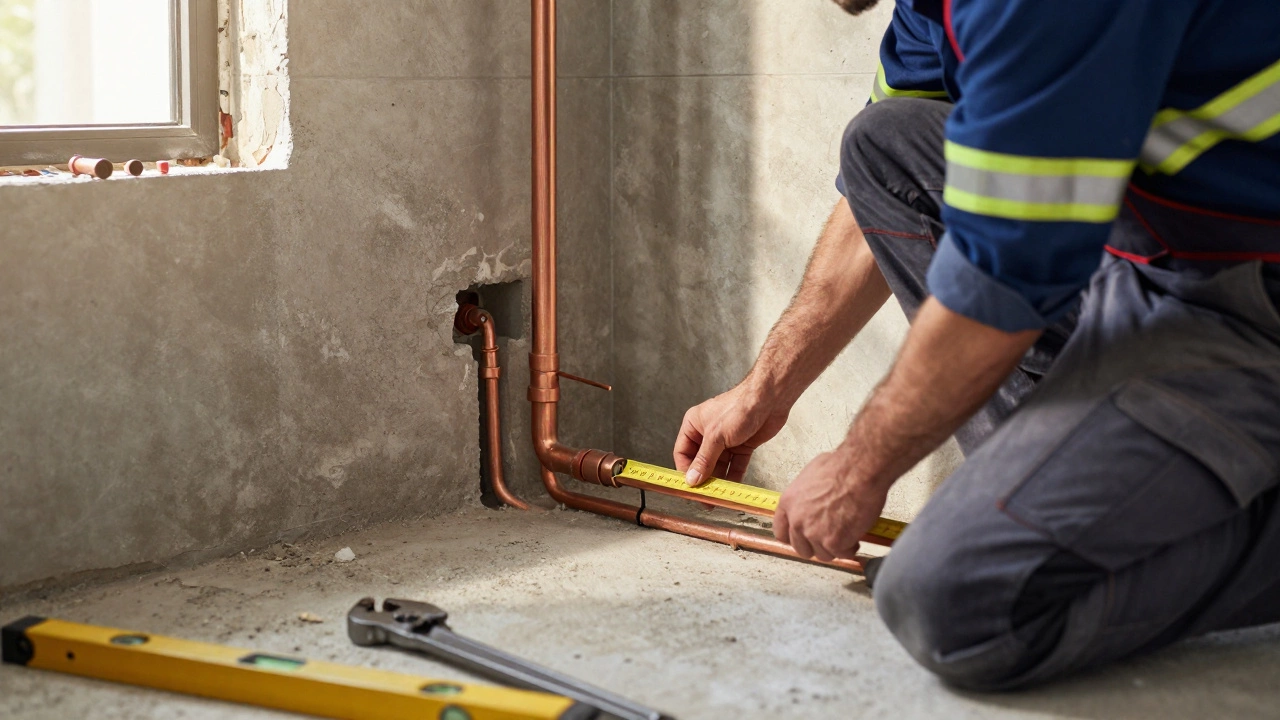
The short answer is that plumbing and structural work are almost always the most expensive parts of a bathroom renovation. While shiny faucets and smart mirrors grab your attention, the hidden infrastructure-pipes, drains, water heaters, and waterproofing-drives the price tag up significantly. In Melbourne in 2026, labor costs have risen sharply, and skilled tradespeople are in high demand. This means that anything requiring a licensed plumber or builder will eat into your budget faster than any fixture.
The Hidden Beast: Plumbing Infrastructure
When people ask what costs the most, they usually think of the things they can see. But the real money goes into the things you hope you never have to look at again. Moving plumbing fixtures is the single biggest budget killer in bathroom renovations.
If you keep the toilet, sink, and shower in their existing locations, you save thousands. But if you want to move the shower from one corner to another, you are digging into concrete floors, rerouting waste pipes, and potentially raising the floor level to maintain proper drainage slope. In Australia, building codes are strict. You need certified plumbers, and they charge by the hour plus materials. Expect to pay between $300 and $500 per hour for a qualified plumber in major cities like Melbourne or Sydney. A simple pipe relocation can easily run $1,500 to $3,000 just for labor.
| Component | Low End ($) | High End ($) | Primary Cost Driver |
|---|---|---|---|
| Plumbing & Drainage Relocation | 1,500 | 5,000+ | Labor, excavation, code compliance |
| Waterproofing | 800 | 2,500 | Skill, material quality, inspection fees |
| Heated Floors | 1,200 | 3,000 | Installation complexity, electricity load |
| Luxury Vanity Unit | 800 | 4,000 | Material (stone vs. MDF), brand |
| Shower System (Rainhead/Body Jets) | 300 | 2,500 | Brand, number of jets, thermostatic valve |
Waterproofing: The Non-Negotiable Expense
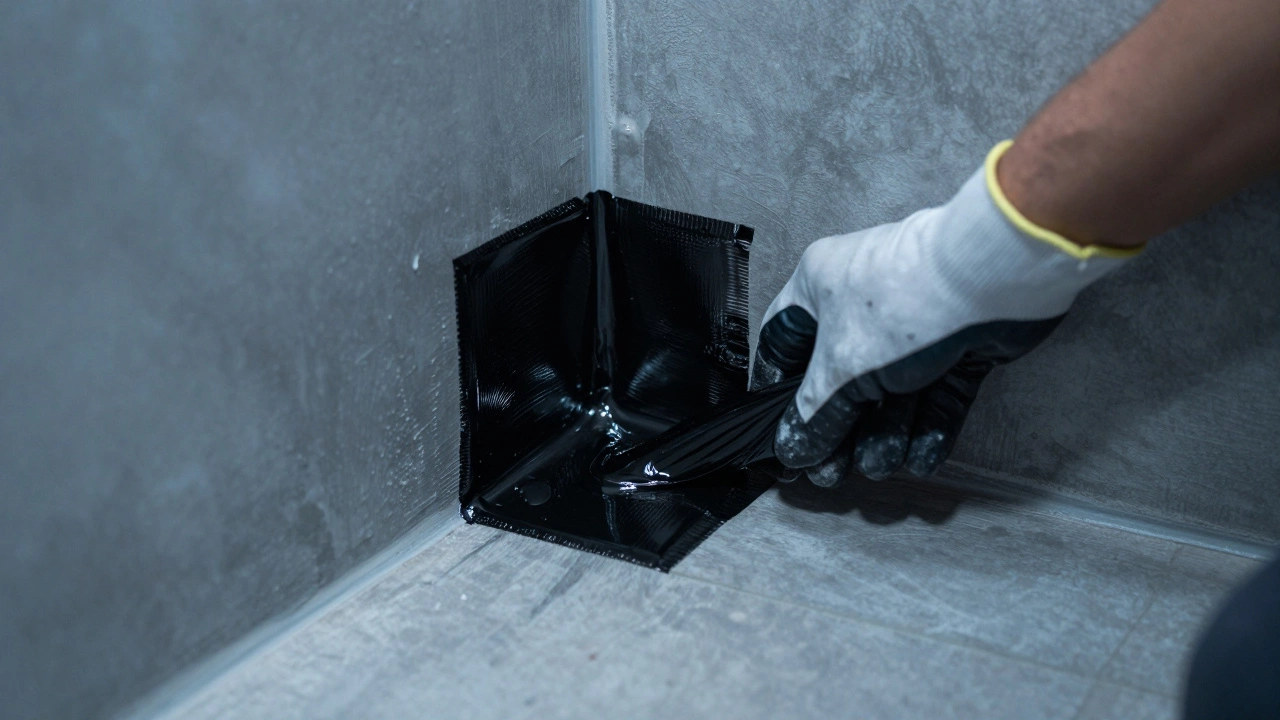
You might not see it, but waterproofing is arguably the most critical part of your bathroom. And it’s expensive. In Australia, we take moisture seriously because our climate varies wildly, and mold is a health hazard. Proper waterproofing isn’t just slapping on some paint. It involves preparing surfaces, applying multiple coats of membrane, sealing corners, and passing strict inspections.
If you cut corners here, you risk rotting timber frames, mold growth behind walls, and costly repairs down the line. A professional waterproofing job in a standard-sized bathroom can cost anywhere from $800 to $2,500 depending on the size and complexity. If you are installing a wet room or an open shower without a curb, the cost goes up because every inch of the floor needs protection. Don’t hire the cheapest guy with a van. Hire someone certified. Your future self will thank you when you don’t smell mildew every time you walk in.
Floor Heating: Luxury That Adds Up
Let’s talk about comfort. Heated floors are becoming a standard expectation in modern Australian bathrooms, especially in cooler months. They feel amazing under bare feet, but they add significant cost. There are two main types: electric mats and hydronic (water-based) systems.
Electric heated floors are easier to install and cheaper upfront, typically costing between $1,200 and $2,000 for a small bathroom. However, they increase your electricity bill slightly. Hydronic systems are integrated into your home’s hot water system. They are more efficient to run but much more expensive to install, often exceeding $3,000 because they require specialized piping and integration with your boiler or heat pump. If you are already breaking up the floor for plumbing changes, adding heated floors makes sense. If not, the disruption might not be worth it.
The Vanity: Style Meets Storage
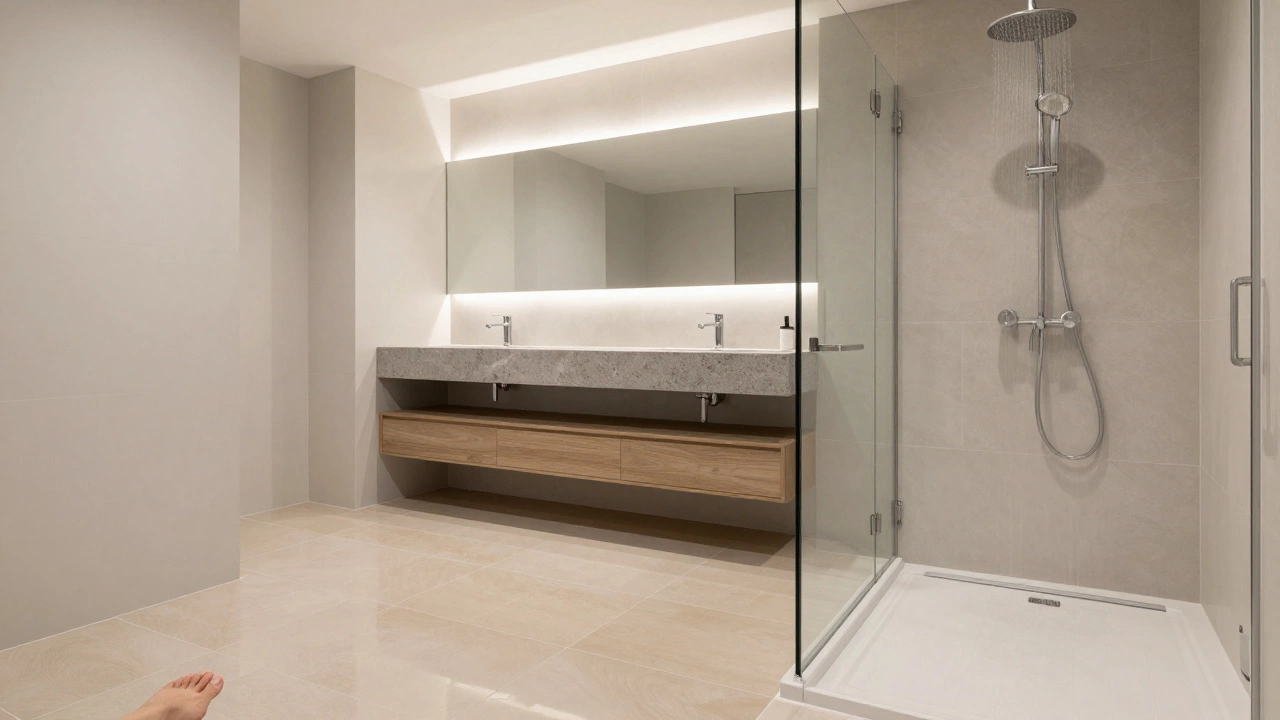
Now let’s look at the visible stuff. The vanity is the centerpiece of most bathrooms. It defines the style. A basic MDF vanity with a laminate top might cost you $800. But if you want a custom stone countertop, soft-close drawers, and a built-in mirror cabinet, you are looking at $2,000 to $4,000 or more.
Stone tops like quartz or marble are durable and beautiful, but they are heavy and require careful installation. Also, consider the mirror. A simple framed mirror is cheap. A backlit LED mirror with anti-fog technology and Bluetooth speakers? That’s another $500 to $1,500. These items are easy to upgrade later if you are on a tight budget now, unlike plumbing.
Shower Systems: More Than Just Water
A standard shower head costs less than $100. A luxury shower system with a rain head, handheld sprayer, body jets, and a digital thermostatic control panel can cost over $2,000. Brands like Hansgrohe, Grohe, and Kohler dominate this space. The price difference isn’t just about looks. High-end systems offer precise temperature control, better water pressure consistency, and superior durability.
If you love long showers, investing in a good system pays off in daily enjoyment. But remember, the fancy shower needs good plumbing behind it. If your pipes are old or clogged, even the best shower head won’t perform well. Always check your water pressure before buying expensive fixtures.
Tiling: Labor Over Material
Tiling seems straightforward, right? Buy tiles, stick them on. Not quite. The cost of tiling is mostly labor. Good tilers are hard to find. They charge by the square meter, and complex patterns or small mosaic tiles take much longer to install.
Cheap tiles might cost $20 per square meter. Premium porcelain or natural stone can cost $100+ per square meter. But the tiler’s fee is often double the material cost. If you choose large-format tiles, you need experienced installers to avoid lippage (uneven edges). If you go for intricate mosaics in the shower niche, expect to pay extra for the detailed work. Tiling is one area where DIY is risky. One mistake means breaking tiles and redoing the job.
How to Prioritize Your Budget
So, how do you manage these costs? Here is a practical approach:
- Keep plumbing in place. If you can design around existing pipes, do it. Save the money for nicer finishes.
- Invest in waterproofing. Never skimp here. It protects your home structure.
- Choose mid-range fixtures. You don’t need the most expensive faucet. Look for solid brass construction and good warranties.
- Upgrade gradually. Install a basic vanity now and replace it with a luxury one in five years. You can’t easily move plumbing later, but you can swap a vanity.
- Get multiple quotes. Prices vary widely between contractors. Get at least three detailed quotes.
Common Mistakes That Blow the Budget
Many homeowners underestimate change orders. You start with a plan, then decide you want a different tile halfway through. Or you realize the electrical outlet for the hair dryer is in the wrong spot. Each change costs time and money. Finalize your design before work begins.
Another mistake is ignoring contingencies. Always set aside 10-15% of your budget for unexpected issues. Old houses in Melbourne often hide surprises like asbestos or rotten subfloors. When you find them, you have to deal with them safely and legally, which adds cost.
Is the toilet the most expensive part of a bathroom?
No, the toilet itself is rarely the most expensive item. A standard toilet costs between $200 and $800. The expense comes from installing it, especially if you need to move the waste pipe. Smart toilets with bidet functions can cost $1,500+, but plumbing labor still outweighs the fixture cost.
Does hiring a designer increase bathroom costs?
Yes, hiring an interior designer adds cost, typically 10-20% of the project value. However, designers can help you avoid expensive mistakes, source materials efficiently, and create cohesive plans that reduce change orders during construction. For complex renovations, this investment often pays for itself.
Can I save money by doing some work myself?
You can save on painting, demolition, and minor cosmetic updates. However, in Australia, plumbing, electrical, and waterproofing work must be done by licensed professionals to comply with building codes and insurance requirements. Attempting DIY on these areas can void your insurance and lead to failed inspections.
Are glass shower screens expensive?
Frameless glass shower screens range from $800 to $2,500 depending on size, thickness, and hardware quality. They are more expensive than curtain setups but add value and a modern look. Ensure the glass is tempered and meets safety standards to prevent breakage.
How much should I budget for a full bathroom renovation in Melbourne?
As of 2026, a mid-range bathroom renovation in Melbourne typically costs between $15,000 and $25,000. Luxury renovations can exceed $40,000. Basic refreshes without structural changes might cost $8,000 to $12,000. Always include a contingency fund for unexpected issues.