
Curtain Sizing Calculator
Curtain Dimensions Calculator
Calculate the perfect measurements for your panel curtains based on your window size.
Recommended Results
Your curtain dimensions:
Tip: For panel curtains, you'll need 2 panels with a total width of 1.5-2x your window width. A 60-inch window needs 90-120 inches of fabric total.
Enter your window measurements to calculate the ideal curtain dimensions.
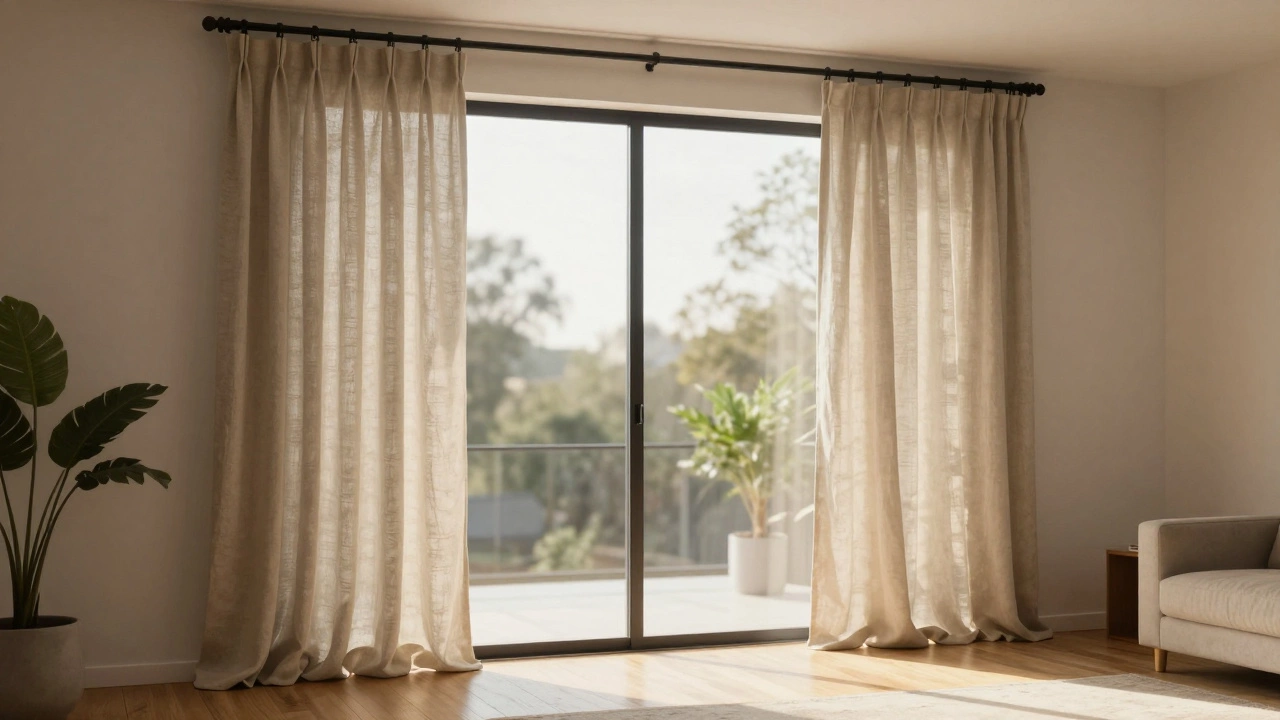
When you walk into a room and instantly feel it’s put together-calm, balanced, inviting-that’s often because of the curtains. Not the color, not the pattern, but the style. In 2025, the most popular curtain style isn’t about drama or frills. It’s about clean lines, natural movement, and quiet confidence. The winner? Panel curtains with soft, floor-length pleats and lightweight, linen-like fabrics. They’re everywhere-from small city apartments to sprawling suburban homes-and for good reason.
Why Panel Curtains Dominate in 2025
Panel curtains are simple: two or more vertical panels of fabric, hung from a rod, hanging straight to the floor. No ruffles. No tiebacks. No valances. Just fabric that flows. They replaced the bulky, layered curtains of the 2010s because people are done with clutter. Modern homes favor open spaces, natural light, and minimal maintenance. Panel curtains do all three.
They’re easy to operate. Slide them open with one hand. They don’t catch on furniture. They don’t collect dust like layered sheers and drapes. And they frame the window without blocking it. In a living room with large windows, panel curtains let sunlight pour in during the day and create a soft, cozy glow at night.
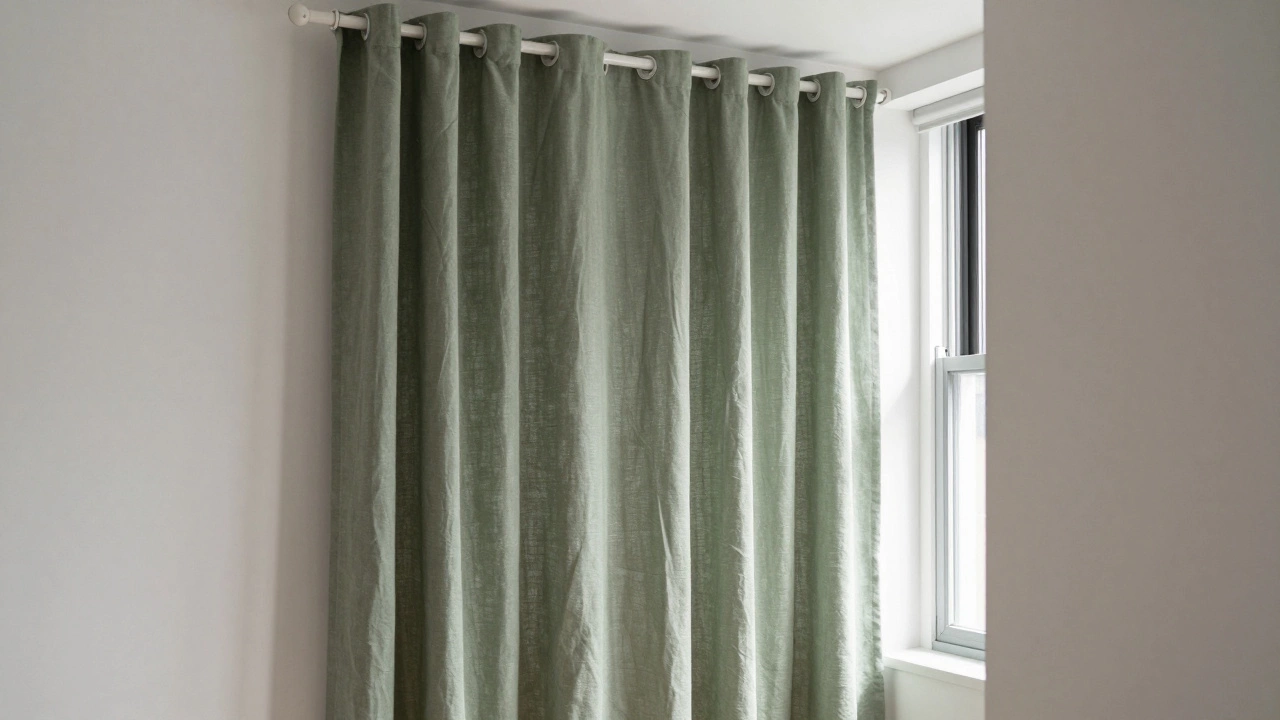
Look at any home featured in Architectural Digest or Elle Decor from the last 18 months. You’ll see them. Not in every room, but in the main spaces-living rooms, bedrooms, even home offices. The fabric? Usually a blend of linen and cotton, or a tightly woven rayon that mimics linen’s texture without wrinkling as much. Colors are muted: warm white, oatmeal, soft gray, or sage green. Nothing too bold. Nothing too trendy. Just calm.
What Makes a Curtain Style Popular?
Popularity isn’t random. It’s shaped by real-life needs. In 2025, people want curtains that:
- Work with smart home systems (motorized rods are rising fast)
- Hide imperfections in older windows without looking heavy
- Blend with neutral, earth-toned interiors
- Don’t require dry cleaning or special care
- Look expensive without costing a fortune
Panel curtains check every box. They’re the Swiss Army knife of window treatments. You can hang them sheer for privacy with light, or line them for blackout. You can use one panel for a narrow window or five for a wide bay. They scale effortlessly.
Compare that to other styles. Roman shades? Great for small windows, but they look dated on tall, wide ones. Café curtains? Perfect for kitchens, but they don’t work in bedrooms or living rooms. Sheer curtains alone? Too see-through for privacy. Velvet drapes? Luxurious, yes-but they trap heat, attract lint, and cost three times as much.
How to Choose the Right Panel Curtains
Not all panel curtains are created equal. Here’s what actually matters:
- Fabric weight-Go for medium weight. Too light (like voile) and they billow in the breeze. Too heavy (like blackout velvet) and they look stiff. A 100% linen or linen-blend fabric around 8-10 oz per square yard is ideal.
- Length-Floor-length is non-negotiable. Curtains that stop at the windowsill or just above the floor look cheap. Let them pool slightly-about 1 to 2 inches-on the floor. It adds softness and hides uneven flooring.
- Width-Buy panels that are 1.5 to 2 times the width of your window. This ensures fullness when open. A 60-inch window needs 90 to 120 inches of fabric total.
- Hanging height-Mount the rod as close to the ceiling as possible. This makes the window look taller. Even if you have 8-foot ceilings, hang the rod 4 to 6 inches below the crown molding.
- Hardware-Use a simple, matte metal rod. Brushed brass, black iron, or brushed nickel. Avoid shiny chrome or plastic rods. The rod should be invisible when the curtains are closed.
Pro tip: If you’re on a budget, buy unlined panels and add blackout lining separately. It’s cheaper than buying pre-lined ones, and you can remove the lining later if you change your mind.
What’s Replacing Panel Curtains? (And Why It’s Not Happening Yet)
You might have seen roller shades with motorized controls trending on Pinterest. Or bamboo blinds painted white. Or even no curtains at all-just bare windows.
These styles are gaining ground, especially in minimalist lofts and modern offices. But they’re not replacing panel curtains. Why?
Roller shades lack texture. They’re functional, yes, but they don’t add warmth. Bamboo blinds are great for sunlight control but can’t block noise or cold. Bare windows? They work in high-end condos with custom-built frames-but most homes have standard, unremarkable windows that need framing.
Panel curtains solve problems no other style can. They soften harsh light. They reduce echo in open-plan rooms. They make a room feel lived-in without being messy. They’re the quiet hero of interior design.
Real Homes, Real Results
Take a 2023 renovation in Portland. The homeowners had a 12-foot-wide living room window with a view of trees. They wanted privacy but didn’t want to lose the view. They chose two 72-inch-wide linen panels in oatmeal, hung on a black iron rod 10 inches below the ceiling. The result? The room feels larger, calmer, and more expensive-even though the curtains cost under $300.
Or a Brooklyn studio with a single window. The tenant used one 48-inch panel in soft gray, hung from a ceiling-mounted rod. The curtain acts as a visual divider between the sleeping area and the living space. No wall needed. No extra furniture. Just fabric.
These aren’t design magazine stunts. These are real people, using a simple solution that works.
What to Avoid
Even the best style can go wrong. Here’s what not to do:
- Don’t use too many panels-Three panels on a 4-foot window looks like a curtain wall. Two is enough.
- Don’t choose bright white-Pure white yellows over time and looks cold. Go for warm white or cream.
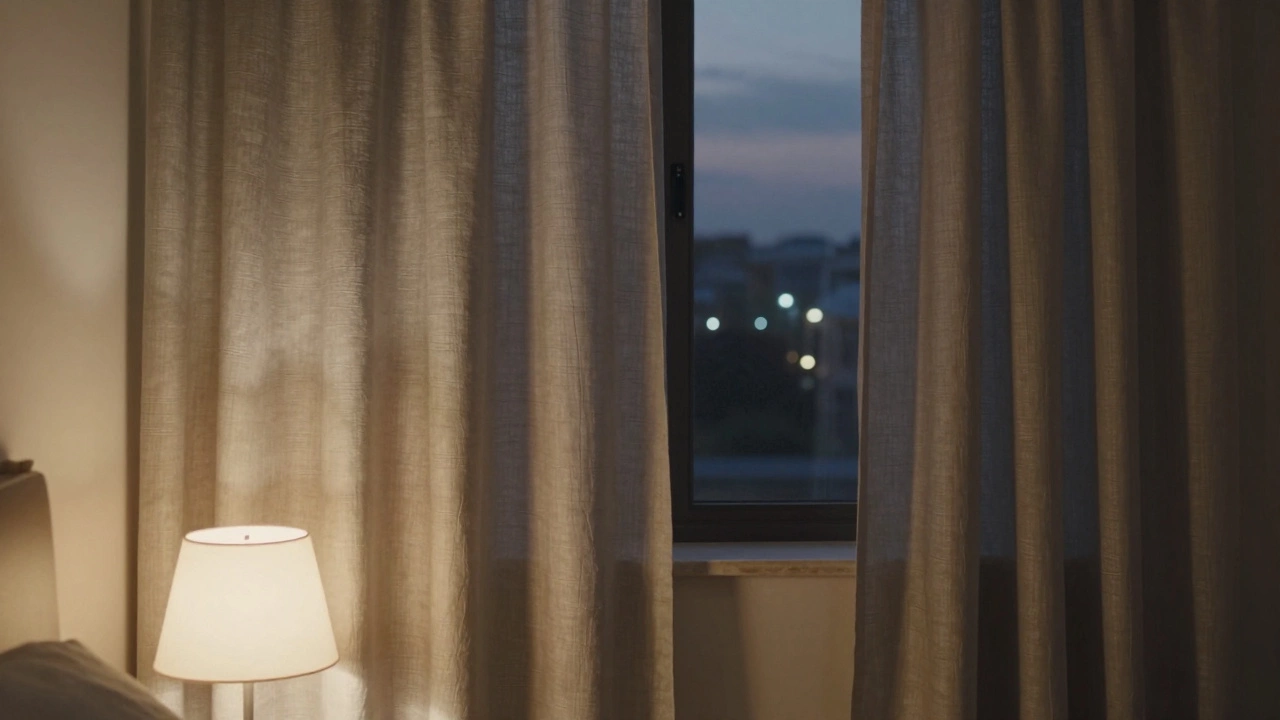
- Don’t ignore the back of the curtain-If your window faces a bright street, choose a fabric with a light-blocking backing. Otherwise, your curtains will glow at night.
- Don’t hang them too low-If the rod is below the window frame, the window looks smaller. Always go high.
And skip the tassels, fringe, or decorative tiebacks. They add visual noise. Panel curtains are about quiet elegance. Let the fabric speak.
The Bigger Picture
Panel curtains aren’t just a trend. They’re a response to how we live now. We want spaces that feel calm, not curated. We want things that work without demanding attention. We want beauty that doesn’t shout.
In a world full of noise, the most popular curtain style is the one that doesn’t compete. It just… fits.
Are panel curtains good for bedrooms?
Yes, especially if you choose a lined fabric. Linen-blend panels with blackout lining block 95% of light, making them perfect for sleep. They’re quieter than roller shades and don’t rattle in the wind. Plus, they add warmth to a cold room.
Can I use panel curtains in a small room?
Absolutely. In fact, they make small rooms feel bigger. Hang them high and wide-just above the window frame and extending beyond the sides. This draws the eye upward and outward, creating the illusion of more space. Avoid heavy fabrics; stick to lightweight linens.
Do panel curtains need lining?
Not always, but it helps. Unlined panels are great for living rooms where you want soft light. For bedrooms, home offices, or rooms facing direct sunlight, add lining. It blocks UV rays, reduces heat transfer, and prevents fading. You can buy pre-lined panels or sew in a separate lining.
How do I clean panel curtains?
Most linen-blend curtains are machine washable on a gentle cycle with cold water. Hang them to dry-they shrink if tumble-dried. Iron while slightly damp for best results. Avoid bleach and fabric softeners, which break down natural fibers. Vacuum them lightly with a brush attachment every few months to remove dust.
What’s the average cost of panel curtains?
A pair of standard-sized (48x84 inch) linen-blend panel curtains costs between $80 and $180. Premium brands or custom sizes can go up to $300. Hardware (rod and brackets) adds another $50 to $100. That’s less than half the price of custom drapes and far more durable than cheap polyester options.