
If you’re standing in a showroom right now, staring at a wall of flooring samples, you’re not alone. Everyone’s asking the same question: What is the most popular floor covering today? The answer isn’t a single material-it’s a shift in what people actually want from their floors. It’s not just about looks anymore. It’s about durability, ease of cleaning, comfort underfoot, and how well it holds up to real life-kids, pets, spills, and heavy foot traffic.
Vinyl Plank Flooring Is Winning Right Now
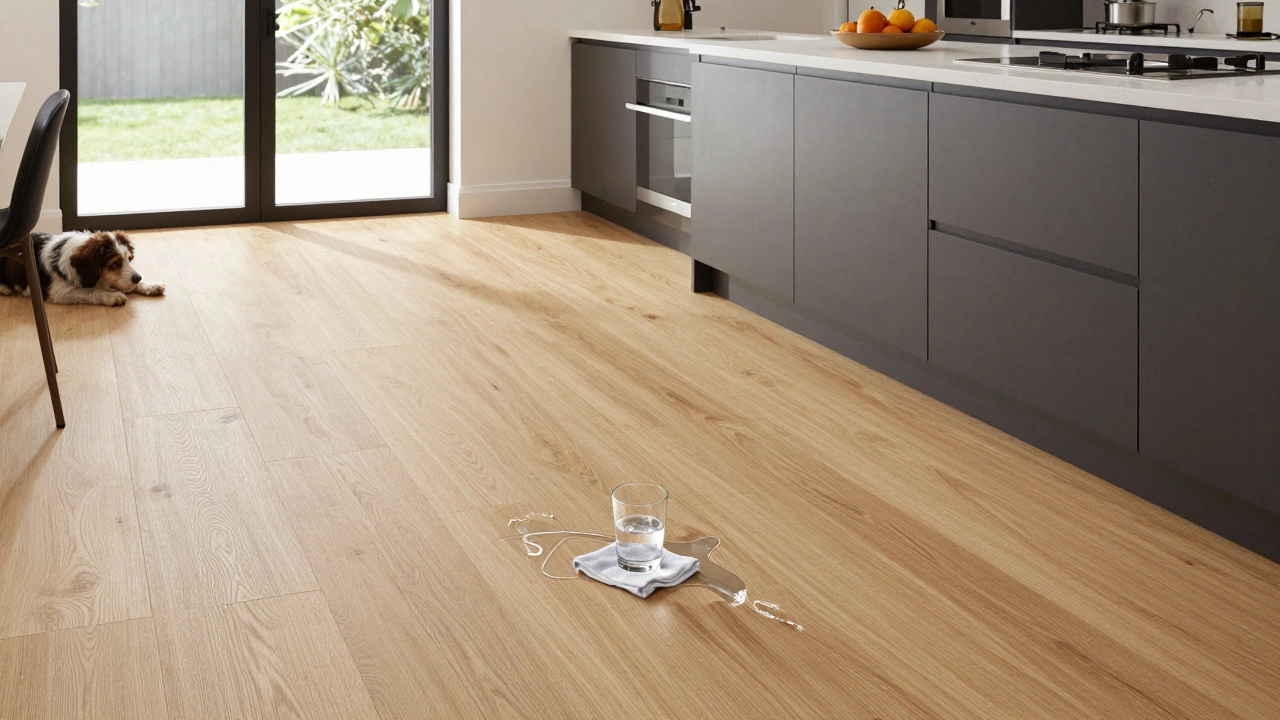
In 2025, vinyl plank flooring (also called LVP or luxury vinyl plank) is the clear leader in sales and homeowner satisfaction. It’s not just popular-it’s everywhere. From Melbourne apartments to suburban Queensland homes, you’ll find it in kitchens, bathrooms, hallways, and even bedrooms. Why? Because it nails the sweet spot between looks and practicality.
Modern vinyl plank looks like real wood, stone, or even concrete. High-definition printing and embossed textures make it nearly impossible to tell apart from the real thing. But unlike real wood, it doesn’t swell when water spills. It doesn’t scratch from dog nails. It doesn’t need sanding or refinishing every few years. A mop and a little cleaner are all it takes.
Homeowners in Melbourne are choosing vinyl plank for its ability to handle damp bathrooms without mold, hot kitchens without warping, and high-traffic hallways without showing wear. Brands like COREtec, Shaw, and Mohawk now offer planks with rigid cores that feel solid underfoot-no hollow sound, no creaking. Some even come with built-in underlayment for noise reduction, which is a big deal in apartments.
Hardwood Still Has Its Place-But Not Like Before
Real hardwood hasn’t disappeared. It’s still a favorite for living rooms and bedrooms where people want warmth and timeless appeal. But the way people choose it has changed. In 2025, engineered hardwood is the go-to, not solid wood.
Engineered hardwood has a thin layer of real wood on top, bonded to layers of plywood or high-density fiberboard. This makes it way more stable than solid wood. It won’t cup or buckle with humidity changes-which matters a lot in Australia’s varying climate. You can install it over concrete slabs, even in basements or ground floors where solid wood would fail.
People are also leaning toward lighter woods now: oak with a whitewash finish, ash in soft greys, and even bamboo for a modern, eco-friendly look. Dark walnut is still around, but it’s less common than it was five years ago. Why? Lighter tones make rooms feel bigger and brighter, which is exactly what most homeowners want.
Tile Is Making a Quiet Comeback
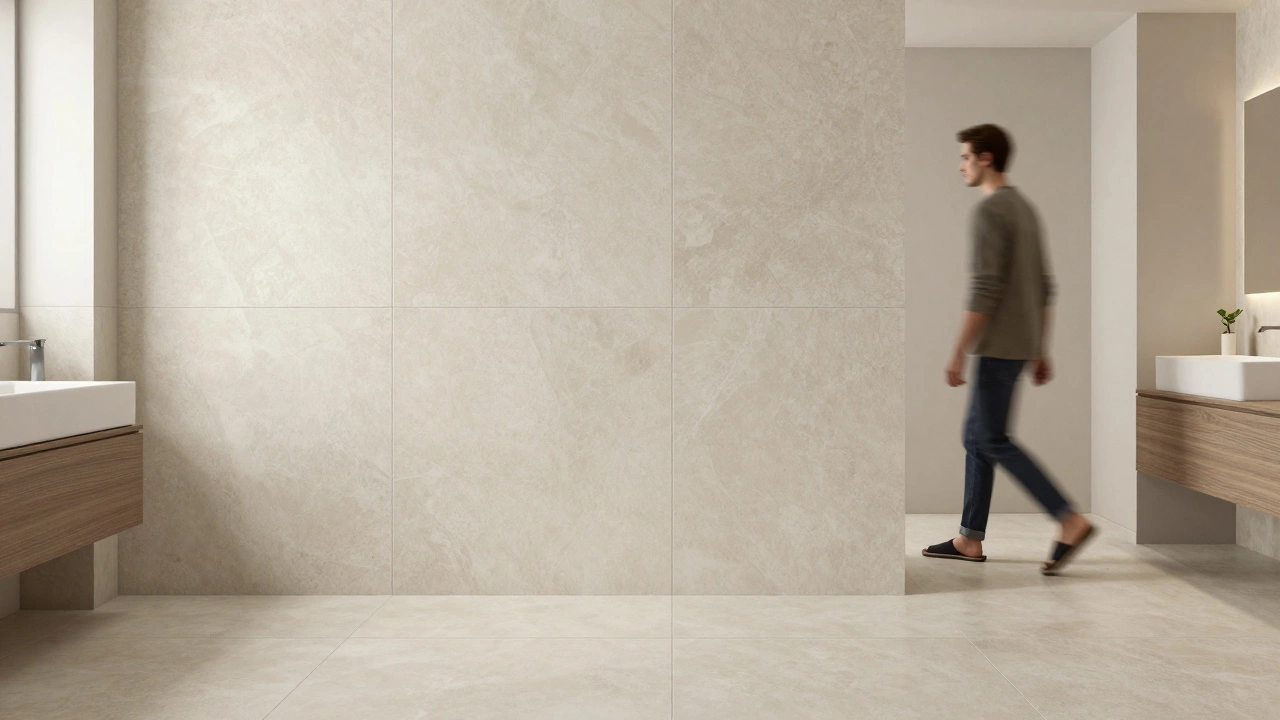
Porcelain tile used to be seen as cold and clinical. Not anymore. Today’s porcelain tiles come in huge slabs-up to 1.2 meters wide-with realistic wood, stone, and even fabric textures. The grout lines are thinner, and the finishes are matte or softly polished, not glossy and slippery.
Tile is the top choice for bathrooms and laundry rooms, but it’s also showing up in kitchens and entryways. Why? It’s the most durable option you can buy. It won’t burn, stain, or scratch. It’s naturally resistant to mold and mildew. And with new installation techniques, it’s easier to lay than ever before.
Large-format tiles mean fewer grout lines, which makes cleaning faster. Matte finishes reduce the risk of slipping, especially important for homes with elderly residents or young kids. And because porcelain is fired at extremely high temperatures, it’s frost-resistant-so it’s just as good for covered outdoor areas as it is for indoor spaces.
Why Laminate Is Losing Ground
Laminate used to be the budget-friendly alternative to hardwood. But today’s buyers are thinking differently. They’re willing to spend a little more for something that lasts longer and feels better.
Older laminate had a fake texture, a hollow sound when you walked on it, and it couldn’t handle water at all. Even a small spill left a mark. Newer versions are better-but not enough to compete with vinyl plank.
Vinyl plank now costs about the same as high-end laminate. But it’s more flexible, more waterproof, and feels more like real wood. Most people who bought laminate five years ago are now replacing it with vinyl. They’re not looking for the cheapest option anymore-they’re looking for the smartest one.
Carpet Isn’t Dead-It’s Just Changing
Carpet still has a role, especially in bedrooms and kids’ rooms. But the kind of carpet people buy today is nothing like the shaggy, stain-prone stuff from the 90s.
Modern carpet is made with advanced nylon or polyester fibers that resist crushing and stains. Many come with built-in stain guards and antimicrobial treatments. The pile is low and dense, so it’s easier to vacuum and doesn’t trap dirt or pet hair.
Color trends have shifted too. Neutral tones like greige, soft taupe, and muted blues are replacing bright whites and beige. These colors hide dirt better and blend with modern decor. And because modern carpets are thinner, they work well with underfloor heating, which is becoming more common in Australian homes.
What People Are Avoiding
There are a few flooring types that are fading fast. Solid wood in high-moisture areas? Gone. Ceramic tile with thick, white grout? Out. Vinyl sheet with visible seams? Not happening anymore.
People are also avoiding floors that require a lot of upkeep. Waxing, sealing, polishing-none of that appeals to today’s homeowners. They want something that looks good and just works. That’s why vinyl plank dominates. It’s low-effort, high-reward.
Another thing people are skipping: exotic woods like teak or ipe. They’re expensive, hard to source sustainably, and often require special maintenance. Most buyers now prefer locally sourced or recycled materials. Bamboo and cork are gaining traction for their eco-credentials, but they’re still niche compared to vinyl and engineered hardwood.
How to Choose for Your Home
Here’s a simple way to decide:
- Kitchens, bathrooms, laundry, entryways: Go with vinyl plank or porcelain tile. Water resistance is non-negotiable here.
- Living rooms, dining rooms: Engineered hardwood for warmth, or vinyl plank if you have pets or kids.
- Bedrooms: Carpet for comfort, or vinyl plank if you want easy cleaning and a modern look.
- Basements or concrete slabs: Engineered hardwood or vinyl plank only. Solid wood won’t survive.
Also think about your climate. In humid areas like Brisbane or Sydney, moisture resistance matters more. In drier areas like Adelaide, you have more flexibility. But in Melbourne, with its unpredictable weather, vinyl plank is the safest bet year-round.
What’s Next?
The next big thing in flooring isn’t a new material-it’s smarter installation. Floating floors with magnetic or snap-lock systems are becoming more common. Some vinyl planks now come with integrated LED lighting strips along the edges. Smart floors that detect moisture or temperature? Still in testing, but they’re coming.
For now, the winner is clear: vinyl plank flooring. It’s affordable, durable, beautiful, and low-maintenance. It doesn’t promise perfection-it delivers practicality. And in a world where time is the scarcest resource, that’s what people really want.
Is vinyl plank flooring really waterproof?
Yes, modern vinyl plank flooring is fully waterproof. Unlike laminate or solid wood, it won’t swell, warp, or get damaged if water sits on it for hours. That’s why it’s the top choice for kitchens, bathrooms, and basements. Just make sure you’re buying a true waterproof product-not just water-resistant. Look for terms like "100% waterproof" and "rigid core" on the packaging.
How long does vinyl plank flooring last?
Most quality vinyl plank flooring lasts between 15 and 25 years with normal use. High-end products with thicker wear layers (0.5mm or more) can last even longer. The key is choosing a product with a good warranty-20 to 30 years is standard for premium brands. Avoid the cheapest options; they often wear out faster and look dull after a few years.
Can I install vinyl plank myself?
Yes, most vinyl plank flooring is designed for DIY installation. It uses a click-lock system that snaps together without glue or nails. You’ll need a few basic tools-a tape measure, a utility knife, a tapping block, and a pull bar. As long as your subfloor is flat and clean, you can usually install it in a weekend. Many brands even offer free online tutorials.
Is engineered hardwood better than solid hardwood?
For most homes today, yes. Engineered hardwood is more stable, especially in areas with changing humidity or over concrete. It can be installed in more places-basements, ground floors, even over radiant heating. Solid hardwood can only be installed above ground and needs more care. Engineered also tends to be more affordable and comes pre-finished, so there’s no sanding or sealing needed after installation.
What’s the most affordable flooring option?
Laminate is still the cheapest upfront, but vinyl plank gives you better long-term value. Vinyl costs about the same as mid-range laminate now-often $3 to $6 per square foot installed-and lasts longer, resists water, and feels more like real wood. If you’re comparing price per year of use, vinyl wins. Don’t just look at the sticker price-think about maintenance, replacement, and durability.
Do I need underlayment under vinyl plank?
It depends. Many vinyl planks come with an attached underlayment that reduces noise and adds cushioning. If yours doesn’t, you’ll need to add a thin foam underlayment-especially on concrete or over noisy subfloors. Skip thick underlayments; they can interfere with the click-lock system. Always check the manufacturer’s instructions.
If you’re planning a renovation, don’t just pick the trend. Pick what fits your life. Vinyl plank isn’t flashy-but it’s reliable. And in a home, that’s what matters most.