
When walking into any modern Melbourne home, you notice something immediately about the windows. Window Treatments have shifted from purely functional coverings to key architectural elements that manage light, heat, and mood. By 2026, the market has settled on a clear favorite that balances style with practicality. If you are standing in a hardware store wondering what actually looks good, the answer isn't just one product. It is a layering method combining technology and texture. We see clients moving away from heavy velvets and toward breathable, sustainable options that play well with our unpredictable weather.
The Leading Choice: Motorized Roller Blinds with Liner Layers
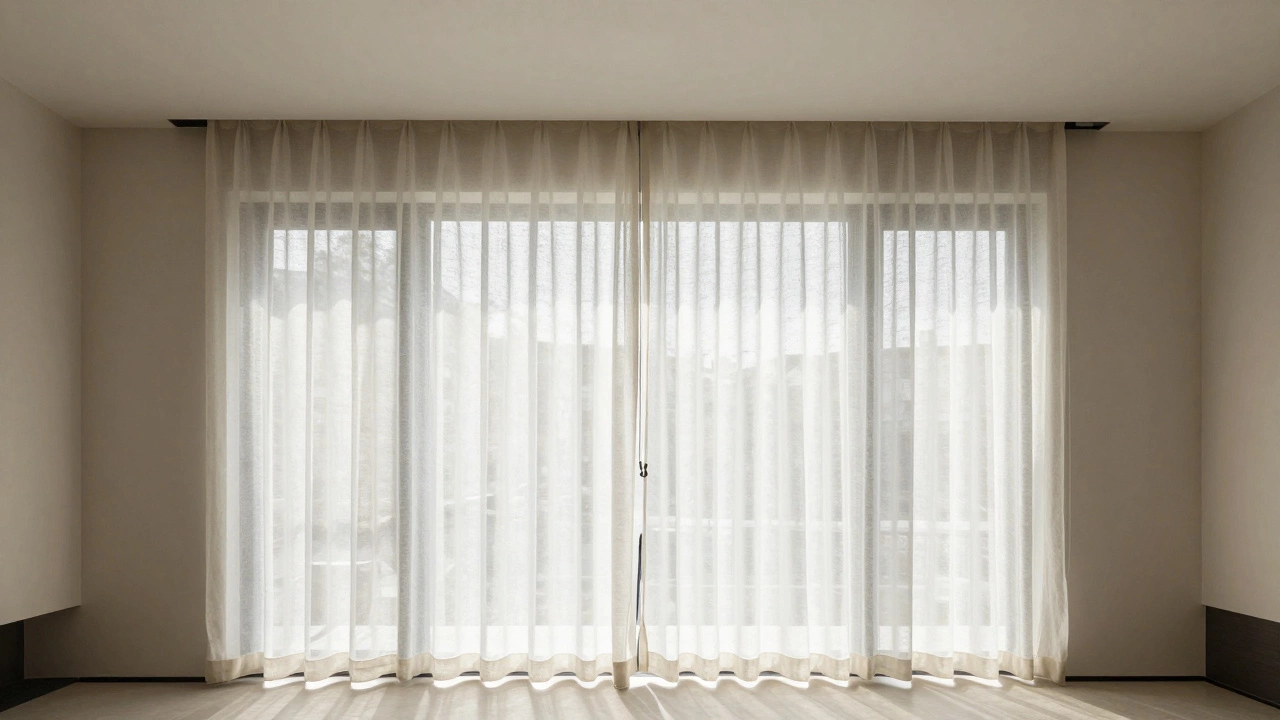
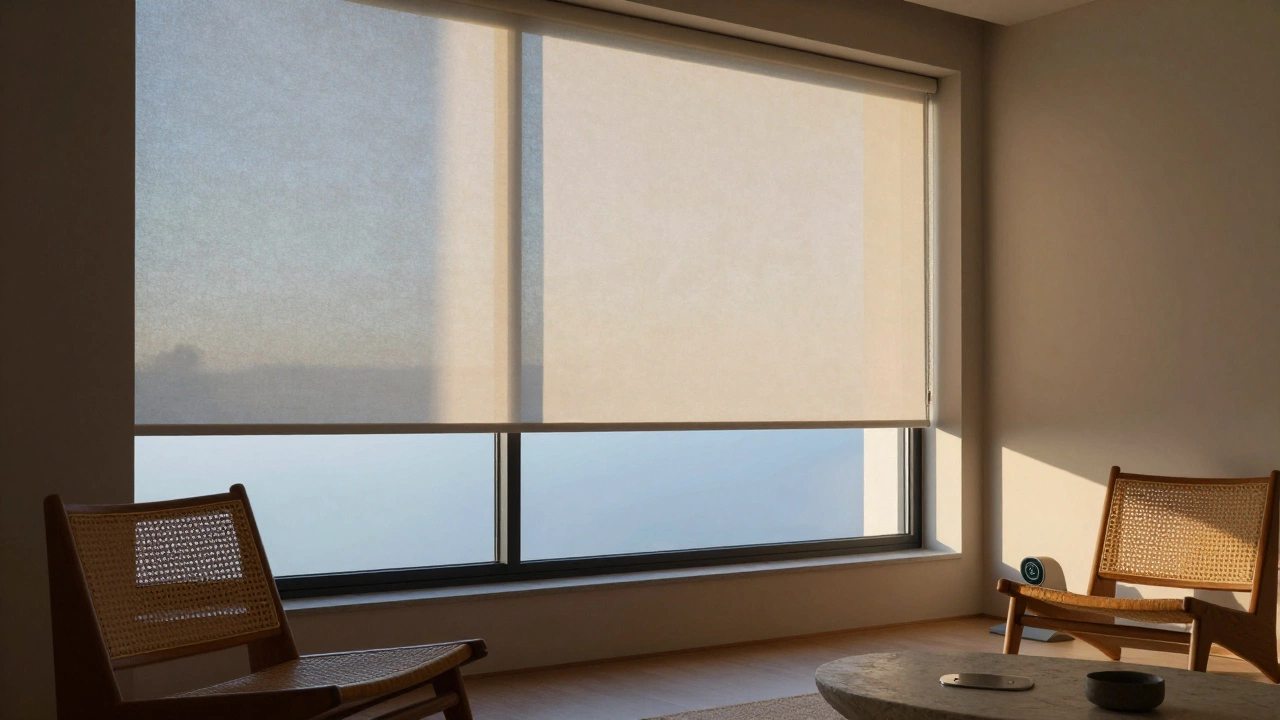
The undisputed champion of the season is the combination of Motorized Roller Blinds paired with Sheer Curtain Panels. This setup wins because it solves the two biggest complaints homeowners have. First, manual strings look messy and wear out quickly. Second, single-layer coverings often fail at either privacy or light control. When you automate the blind, you gain precise timing for sun glare, while the sheer linen curtains provide daytime softness without blocking the view entirely. In our local market, seeing these units integrated with HomeKit or Google Assistant is now standard expectation, not a luxury add-on.
Consider a typical morning routine in a suburb like South Yarra. You wake up before sunrise. With automation, your blinds rise gradually to mimic natural dawn, helping your circadian rhythm. During the peak afternoon heat, they lower automatically to reduce air conditioning load. Then, when guests arrive, you drop them fully for privacy. This dynamic capability pushes pure roller blinds to the top spot over static alternatives. The aesthetic remains clean; there are no wands or cords dangling from the frame, which aligns perfectly with the minimalist interiors still dominating Australian design trends.
Why Plantation Shutters Are Still Competing
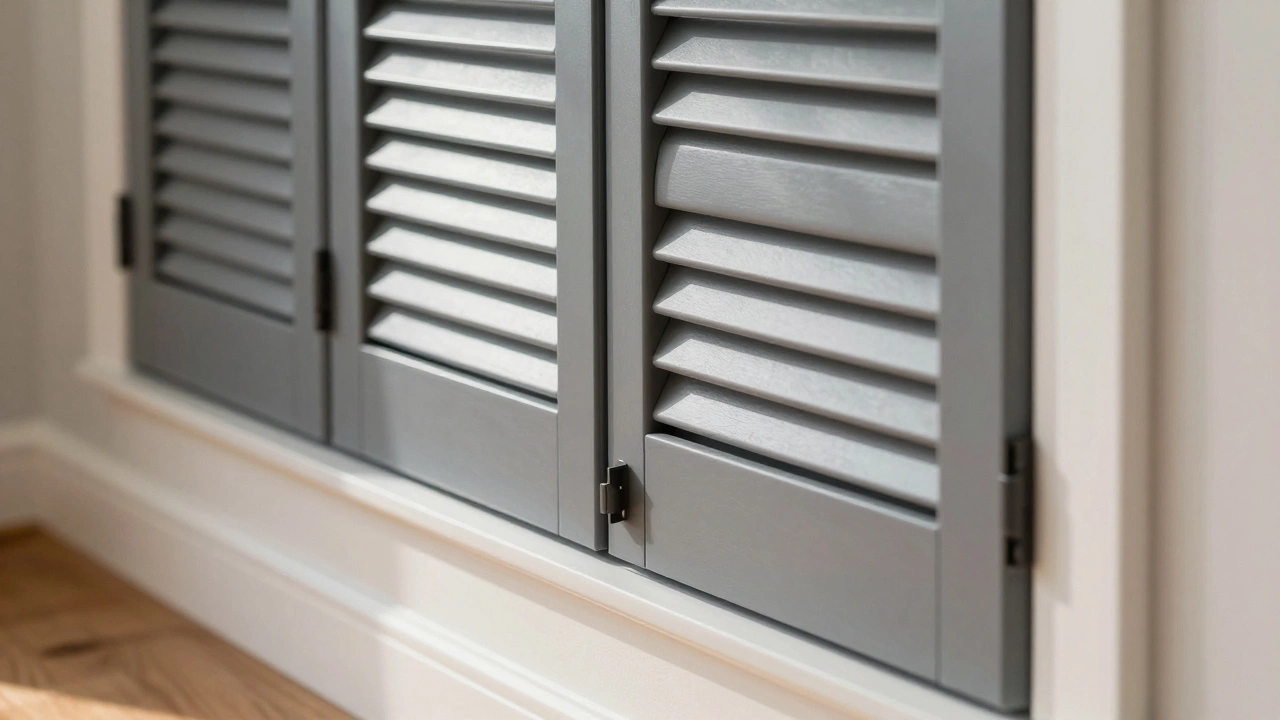
Even with the rise of automation, Plantation Shutters remain a strong second place contender. Their durability is unmatched. Unlike fabric blinds, the louvers don't fade under direct sunlight, a significant benefit given how strong the ultraviolet rays get down south. While roll-up blinds last five to seven years, quality composite shutters can last thirty. For families with young children who might tug at cords or pets who scratch surfaces, the rigid structure of wood or polymer frames offers peace of mind. They also hold value during resale, something many renovators factor into their budget decisions.
However, shutters lack the softening effect of textiles. If your room feels too clinical or box-like, hard slats might feel cold. That is why we often recommend installing them inside the recess rather than overlaying the glass. This keeps sightlines open to the outdoors. The color palette has also shifted. Instead of stark white, warm neutrals like 'greige' or soft charcoal are becoming the default choices, bridging the gap between traditional architecture and modern decor preferences.
| Feature | Motorized Rollers | Plantation Shutters | Blackout Curtains |
|---|---|---|---|
| Aesthetics | Sleek, Minimalist | Classic, Architectural | Cozy, Soft |
| Lifespan | 5-8 Years | 20-30 Years | 7-10 Years |
| Energy Rating | Medium (with insulation) | High | Very High |
| Privacy Control | Adjustable | Fully Adjustable Louvers | Binary (Open/Closed) |
| Cost Factor | Moderate to High | High Investment | Budget Friendly |
Materials Define the Room's Vibe
In 2026, sustainability is no longer a niche request; it is a baseline requirement. You cannot simply say "I want linen" anymore. Manufacturers are focusing on Recycled Polyester Fines that mimic natural fibers but resist moths and stains better. Natural cotton or hemp is trending for those willing to maintain higher care routines. These materials breathe, allowing humidity to pass through, which is crucial in coastal areas like St Kilda where salt air clings to fabrics. Synthetic blends trap moisture and eventually yellow under the Victorian sun.
Another attribute gaining traction is sound dampening. Many people work from home now. Acoustic panels hidden within drapery valances help reduce echo in open-plan living spaces. You don't necessarily need industrial felt sheets. Dense weaves with weighted hems achieve similar noise reduction levels without compromising the visual lightness of the room. This shift addresses the post-pandemic need for multi-functional rooms that serve as offices by day and family hubs by evening.
Smart Home Integration Essentials
Connecting your window coverings to your network changes everything. In 2026, protocols like Matter and Thread mean you don't need five different apps to control shades, lights, and thermostats. A single ecosystem command can dim the lights and close the blinds simultaneously. This creates distinct "scenes" for different activities. The movie scene drops the blinds and turns off overhead lighting. The security scene closes every covering when you leave for the holiday.
We recommend choosing systems with battery life that extends beyond five years. Replacing batteries in high ceilings is frustrating enough without doing it annually. Hardwired models are superior but require planning during construction or major renovation. Retrofit solutions using wireless motors exist, but ensure they support solar charging. Harnessing ambient light to power the mechanism removes the clutter of visible charging cables behind the fabric, keeping the look seamless.
Cleaning and Maintenance Realities
A beauty mark of the current trend is washability. Dust accumulates rapidly in urban environments like Melbourne CBD. Treated fabrics that withstand machine washing extend the life of the decor significantly. For larger installations, vacuum attachments are essential. Avoiding water damage requires regular checks of the waterproof backing on cellular shades. Once the seal breaks, moisture gets trapped, leading to mold growth which poses health risks. Regular inspection of tracks ensures smooth operation and prevents premature wear on the mechanical parts.
If you choose layered sheers, rotate the position periodically. Sun damage occurs unevenly across wide windows. Rotating prevents one side of the fabric from bleaching faster than the other, maintaining a consistent appearance for years. Proper hanging rod tension also matters; sagging rods ruin the drape lines instantly. Invest in sturdy brackets anchored into studs rather than drywall alone.
Budgeting for Long-Term Value
While upfront costs for motorization can seem steep, consider the energy savings. Thermal performance reduces heating bills in winter and cooling costs in summer. The payback period in our climate zone is roughly three to four years. Custom sizes often cost more than standard stock sizes, but they eliminate gaps that let light leak through. Measure accurately yourself before ordering. Online configurators help visualize proportions before payment.
Are motorized blinds worth the extra cost?
Yes, especially if you live in a multi-story home. The convenience of reaching high windows safely adds significant value. Additionally, the energy efficiency gains from automated scheduling offset the initial investment over time. Most homeowners report the ability to control light remotely is the primary deciding factor.
Which material lasts longest in bright sun?
Polyester blends treated for UV resistance outperform natural fibers. While natural linen looks beautiful, it degrades faster in direct exposure. Choose a synthetic blend with a matte finish to prevent glare and fading issues over several seasons.
Can I install these myself?
Most roller blinds come with DIY kits including drilling templates. However, motorized units require electrical connections or complex pairing steps. If you are unsure about mounting heights or balancing the weight, hiring a professional installer ensures warranty validity and safety.
How do I clean my window treatments?
For fabrics, remove and machine wash according to care labels. Hard surfaces like shutters need gentle dusting with a microfibre cloth. Avoid harsh chemicals. Regular vacuuming with a brush attachment prevents deep-set dirt accumulation.
Is black necessary for total privacy?
No, light-filtering layers often provide sufficient privacy from the street while maintaining interior brightness. Complete blackout is usually reserved for bedrooms where total darkness aids sleep cycles. Most living areas benefit from semi-opaque textures instead.
Ultimately, the right choice depends on how much time you spend in the room versus how often you entertain guests. There is no universal product that fits every situation. Evaluating your daily habits helps narrow down whether you prioritize aesthetics, automation, or thermal regulation. Making that distinction leads to a space that functions as well as it looks.