
Home Value Paint Calculator
Select the primary wall color for your main living areas (Living Room, Kitchen, Master Bedroom) to see how it impacts potential buyer interest and sale price.
Buyer Appeal Score
Financial & Market Impact
| Factor | Analysis | Risk Level |
|---|
Recommendation
Loading recommendation...
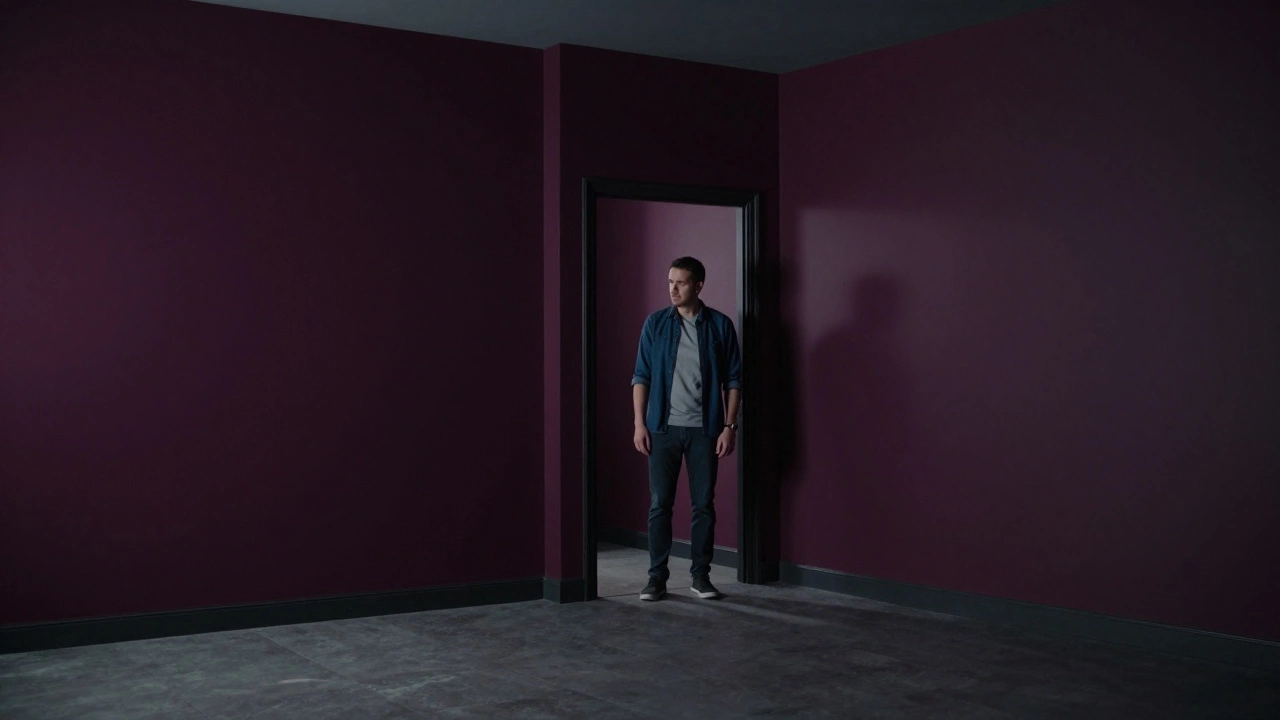
Picture this: You’ve spent weeks prepping your house for sale. The floors are polished, the clutter is gone, and the lighting is perfect. But then, the potential buyer walks into the living room and freezes. Their eyes aren’t on the view or the hardwood; they’re locked onto the walls. They’re painted a deep, moody plum. Or maybe a neon lime green. In that split second, their imagination breaks. They can’t see their own furniture in there. They can’t picture their life happening in that space. And just like that, you’ve lost them.
Paint is the cheapest way to upgrade a home, but it’s also the fastest way to tank its perceived value if you get it wrong. We often think of color as purely personal expression, which is great when you’re living in the house forever. But when money is on the line, color becomes a financial instrument. The question isn't just "what looks good?" It's "what sells?"
The Psychology of "Off-White" vs. The Danger of Bold
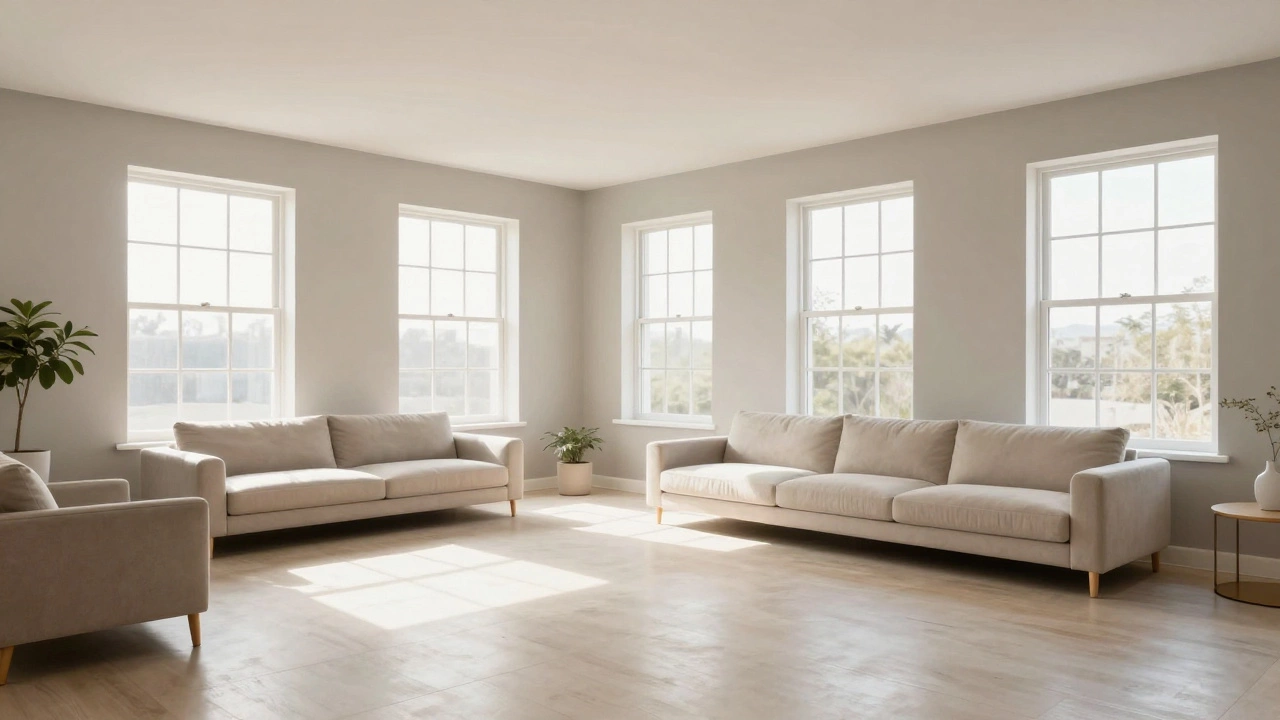
Let’s talk about the elephant in the room: Neutrals. I know, I know. You want your home to have personality. But in the world of real estate, neutral paint colors are the gold standard for a reason. Buyers need a blank canvas. When you walk into a home with crisp white or soft beige walls, your brain fills in the gaps with your own style. You imagine your art, your sofa, your rug. That mental projection creates emotional attachment.
When you paint a room a specific, strong color, you block that projection. A dark navy study might look stunning to you, but to a buyer with kids, it looks like a maintenance nightmare. To a minimalist, it feels oppressive. To someone who loves bright, airy spaces, it feels like a cave. By choosing a bold color, you aren't just decorating; you're filtering out buyers who don't share your exact taste. And in a competitive market, every filtered-out buyer is a lost offer.
The safest bet? Think "greige" (a mix of gray and beige), warm whites, or very pale taupes. These colors reflect light, make rooms feel larger, and appeal to the widest possible demographic. They signal cleanliness and modernity without screaming for attention.
Specific Colors That Kill Curb Appeal and Interior Value
While "bold" is a broad category, some specific hues have become notorious in the real estate industry for turning off buyers. Here is what you should avoid if you plan to sell within the next few years:
- Dark Brown is often associated with dirt or outdated decor from the 1970s and 80s. Using brown as a primary wall color, especially in kitchens or living areas, can make a home feel dated and heavy. It absorbs light rather than reflecting it, making spaces feel smaller and darker.
- Neon or High-Saturation Colors are vibrant shades like electric blue, hot pink, or lime green. These are fun for a kid’s bedroom or a creative studio, but in main living areas, they feel chaotic and childish. They create visual noise that distracts from the architecture of the home.
- Mustard Yellow is a trendy accent color that fails as a full-room wall color. While mustard was huge in interior design around 2015-2020, it has since aged poorly. On large surfaces, it can cast an unflattering yellow hue on skin tones and furniture, making the room feel sickly rather than sunny.
- Dark Red or Burgundy is an intense color often linked to older dining room styles. Unless you are selling to a very niche market, red walls can feel aggressive and claustrophobic. They are difficult to redecorate around and often require expensive repainting before a sale.
The Kitchen and Bathroom: Where Money Meets Paint
If there are two rooms where you absolutely cannot experiment with risky colors, it’s the kitchen and the bathroom. These are high-utility spaces where buyers look for functionality and hygiene.
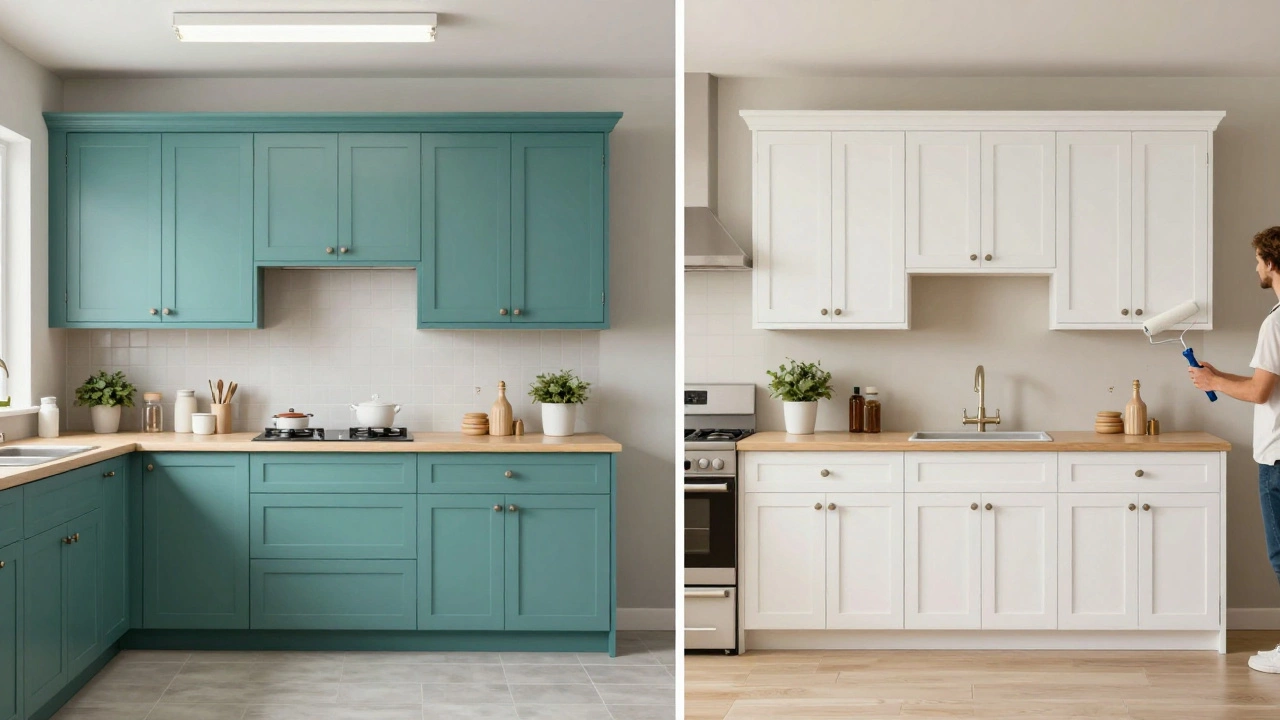
In the kitchen, Cabinetry Color plays a huge role. While white cabinets are currently dominating the market because they pair with any countertop and backsplash, dark wood stains are still acceptable if they are well-maintained. However, painted cabinets in colors like teal, navy, or black are becoming polarizing. A five-year trend might be timeless to you, but to a buyer looking for a move-in ready home, it signals immediate work. If you love colored cabinets, consider painting only the island a statement color while keeping the perimeter cabinets neutral. This gives you the flair you want without alienating buyers.
Bathrooms follow similar rules. White, cream, or very light gray tiles and walls make a small bathroom feel spa-like and spacious. Dark grout lines combined with dark wall colors can make a powder room feel dirty or cramped. Remember, bathrooms are judged on cleanliness first, aesthetics second. Any color that makes dust, hair, or water spots more visible is working against you.
Lighting: The Hidden Variable in Color Perception
You can pick the perfect neutral shade, but if your lighting is wrong, the color will fail. Natural light changes throughout the day. North-facing rooms tend to have cooler, bluer light, while south-facing rooms get warmer, yellower light.
A cool gray that looks sophisticated in a showroom under fluorescent lights might look stark and hospital-like in your north-facing living room. Conversely, a warm beige might look muddy and orange in a sun-drenched southern exposure. Always test paint samples on the actual walls. Live with them for three days. Watch how they change from morning to night. If the color shifts dramatically or reveals undertones you dislike, swap it out. A color that looks inconsistent throughout the day suggests poor quality or bad choices to a discerning buyer.
| Color Choice | Buyer Perception | Value Impact | Best Use Case |
|---|---|---|---|
| Warm White / Greige | Clean, Modern, Spacious | Positive | All main living areas |
| Dark Navy / Charcoal | Mood-setting, Dated, Heavy | Negative / Neutral | Accent walls only (if done perfectly) |
| Bright Yellow | Cheery, Cheap, Overstimulating | Negative | Kids' rooms (only) |
| Black Walls | Dramatic, Gloomy, Hard to Sell | Negative | Homeowners who aren't selling soon |
The Cost-Benefit Analysis of Repainting Before Sale
Here is the hard truth: Repainting your entire house costs money. Labor and materials add up. So, do you repaint? It depends on the current state of your walls. If your walls are already a neutral tone and in good condition, you might not need to touch them. But if you have peeling paint, smoke stains, or those "value-killing" colors mentioned earlier, the investment pays off.
Real estate agents often cite a return on investment (ROI) for fresh paint of anywhere from 50% to 100%. That means for every $1,000 you spend on paint, you could increase the final sale price by $500 to $1,000. More importantly, homes with fresh, neutral paint sell faster. Days on market matter. Every week a house sits unsold is a week of carrying costs, mortgage payments, and insurance. Speed sells.
Don’t try to DIY a professional-grade paint job if you’re not skilled. Sloppy edges, drips, and uneven coats scream "amateur" and can actually lower value by suggesting neglect. Hire a professional painter for the main living areas. For closets, pantries, and ceilings, you can save money by doing it yourself.
Fixing the Mistakes: How to Recover Lost Value
If you’ve already painted your home in a controversial color and now realize you need to sell, don’t panic. You don’t always have to strip everything down to bare drywall. Here is how to mitigate the damage:
- Re-paint the Main Zones: Prioritize the entryway, living room, kitchen, and master bedroom. These are the first places buyers look. If these are neutral, they’ll forgive a weird guest room color later.
- Use Accent Furniture to Distract: If you can’t repaint immediately, use large, neutral-colored furniture to break up the wall space. A large white bookshelf or a light-colored sofa can reduce the visual impact of a dark wall.
- Maximize Lighting: Add floor lamps and table lamps to brighten dark-colored rooms. Good lighting can soften the intensity of bold colors and make them feel less overwhelming during a showing.
- Depersonalize: Remove all personal photos, quirky art, and collections. Let the buyer focus on the structure, not your taste. If the walls are bold, keep everything else minimal to avoid visual clutter.
Future-Proofing Your Color Choices
Trends come and go. What is "modern" today might look "dated" in five years. The key to future-proofing your home’s value is to choose timeless elements over trendy ones. Neutrals are timeless because they are essentially absent of strong opinion. They allow the architecture, natural light, and landscaping to shine.
If you crave color, bring it in through textiles, rugs, curtains, and art. These items are easy to change and remove. You can have a vibrant, colorful home that lives inside a neutral shell. When it’s time to sell, you pack up your colorful pillows and rugs, leaving behind a clean, appealing backdrop that appeals to everyone. That is the smartest strategy for protecting your home’s value while still enjoying your personal style.
Is black paint bad for selling a house?
Yes, generally speaking. Black walls absorb light and can make rooms feel smaller and gloomier. Most buyers prefer bright, airy spaces. While black accents are trendy, full black walls are seen as a major renovation project by most buyers, which can lower the perceived value.
What is the best neutral color to paint a house for sale in 2026?
Warm whites, greiges (gray-beige mixes), and soft taupes are currently the top choices. These colors feel modern yet cozy, reflecting light well and appealing to a wide range of tastes. Avoid cool, stark whites which can feel clinical.
Should I paint my kitchen cabinets a bold color before selling?
It is risky. While navy or sage green cabinets can be beautiful, they limit your buyer pool. White or light gray cabinets are safer bets as they match any countertop and backsplash. If you must use color, stick to the island only.
How much does repainting a house increase its value?
Repainting typically offers an ROI of 50-100%. More importantly, it helps the house sell faster. A fresh coat of paint signals to buyers that the home has been well-maintained, reducing their fear of hidden issues.
Can I keep my colorful accent walls?
It depends on the color and location. A subtle accent wall in a secondary bedroom might be okay, but bold colors in the living room or kitchen are usually discouraged. If the color is extreme, it is better to repaint it to neutral to maximize appeal.