
Dining Room Dresser Styling Simulator
Styling Controls
Select items for each zone to create a balanced composition using the Rule of Three.
That long, low piece of furniture against the wall in your dining room? It’s not just dead space waiting for dust bunnies. Whether you call it a dining room dresser, sideboard, or buffet, this horizontal surface is one of the most versatile spots in your home. It’s the perfect place to balance function with style, offering storage for your good china while creating a visual anchor that ties the whole room together.
If you’re staring at an empty top wondering where to start, you’re not alone. The trick isn’t to fill every inch; it’s to create layers. You want depth, texture, and a reason for each item to be there. Let’s break down exactly what goes on that surface so you can stop guessing and start styling with confidence.
The Rule of Three: Building a Balanced Composition
Before you grab anything from your shelves, remember the golden rule of interior design: odd numbers work better than even ones. Grouping items in threes creates a natural rhythm that feels balanced but not rigid. Think of your dresser top as three distinct zones or clusters rather than one long line of clutter.
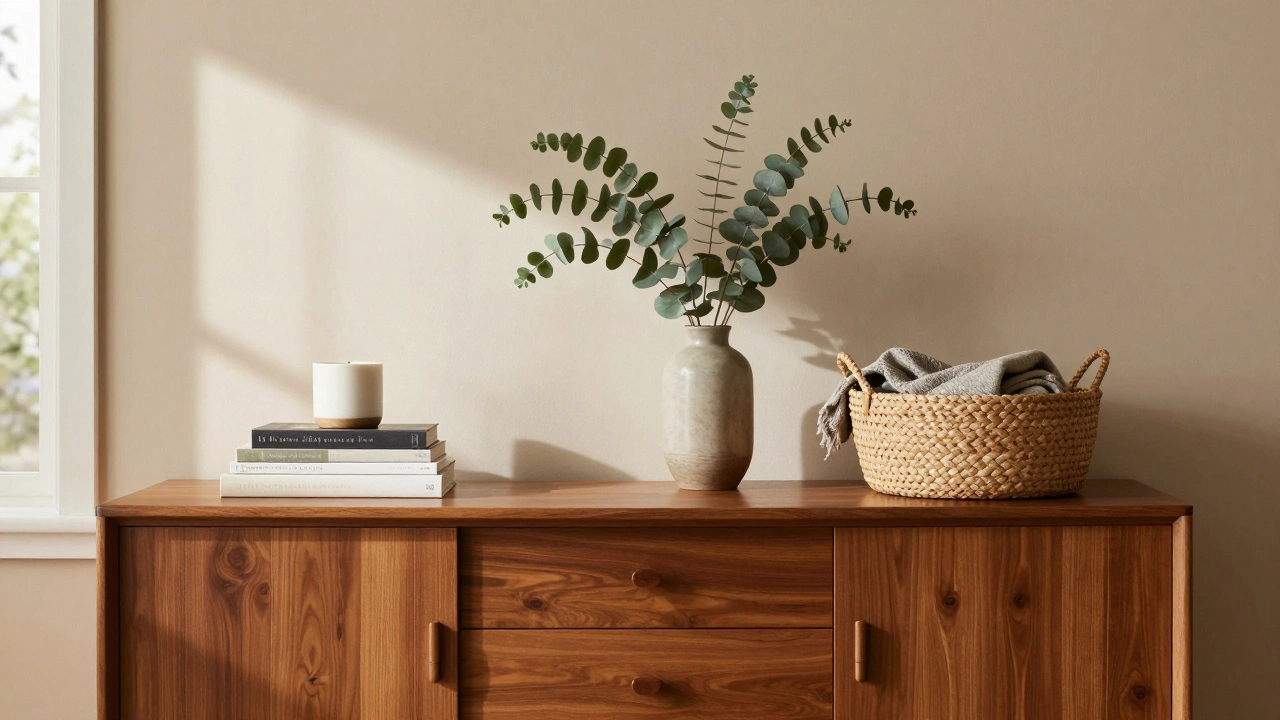
To make these groups pop, you need verticality. A flat row of objects looks boring. Instead, mix heights. Place a tall vase next to a medium-sized stack of books, topped with a small candle or fruit bowl. This "triangle" effect draws the eye up and around, making the arrangement feel intentional. If your dresser is particularly long, repeat this triangular grouping twice or three times across the surface, leaving breathing room between them.
Functional Anchors: Storage That Looks Good
A dining room dresser is primarily a storage unit. Hiding away serving platters, wine glasses, and extra napkins is its job. But how you store those items matters. Closed cabinets are great for hiding mess, but open shelving or the top surface invites display. Here is how to blend utility with aesthetics:
- Baskets and Bins: Use woven baskets for bulky items like blankets or pet supplies if your dining room doubles as a family hub. Choose materials like seagrass or rattan to add warmth. Avoid plastic bins unless they are completely hidden inside a cabinet.
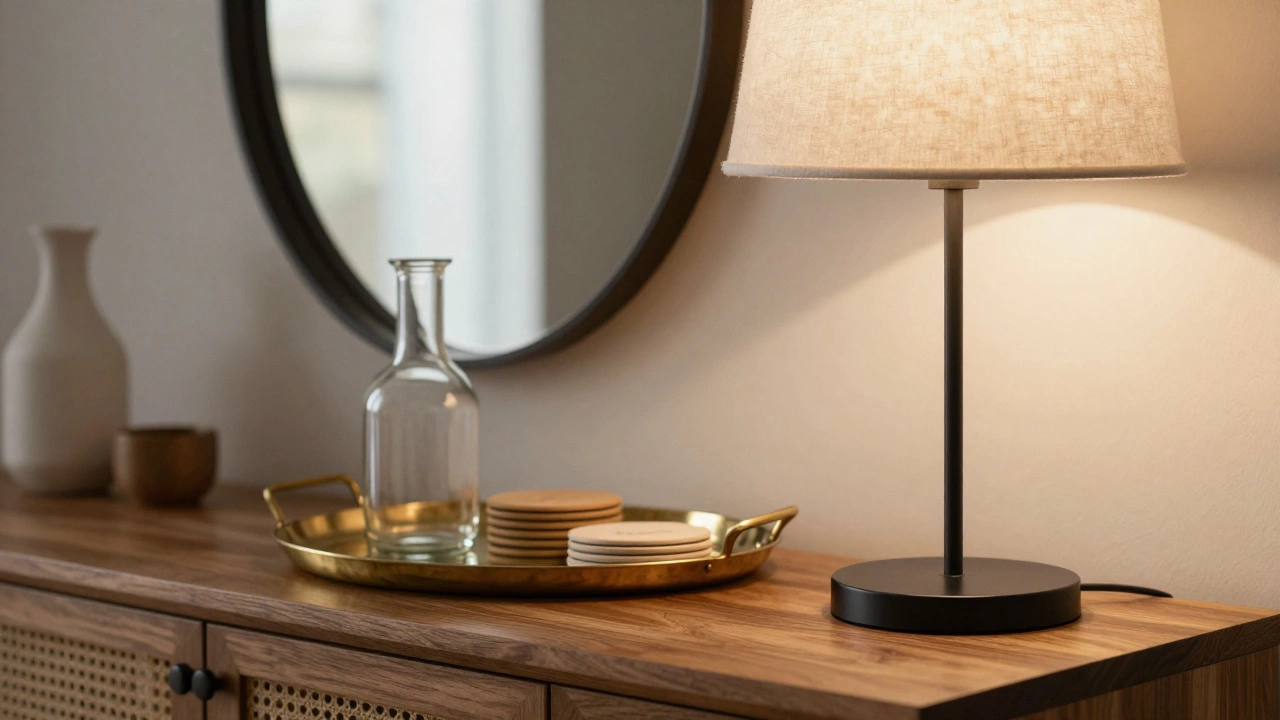
- Trays: A decorative tray is your best friend. It corralles small items like coasters, salt shakers, or a decanter into a single visual unit. This makes tidying up instant-just slide the tray off the dresser when you need more space for a centerpiece.
- Stacked Books: Don’t hide your coffee table books. Stack two or three large-format art or travel books horizontally. They act as a riser for other objects, adding height without taking up much footprint. Just make sure the spines face out or use plain-colored covers for a cleaner look.
Natural Elements: Bringing Life Indoors
No dining room feels complete without a touch of nature. Plants and flowers bring color and life to neutral tones. However, you have to choose wisely based on light and maintenance.
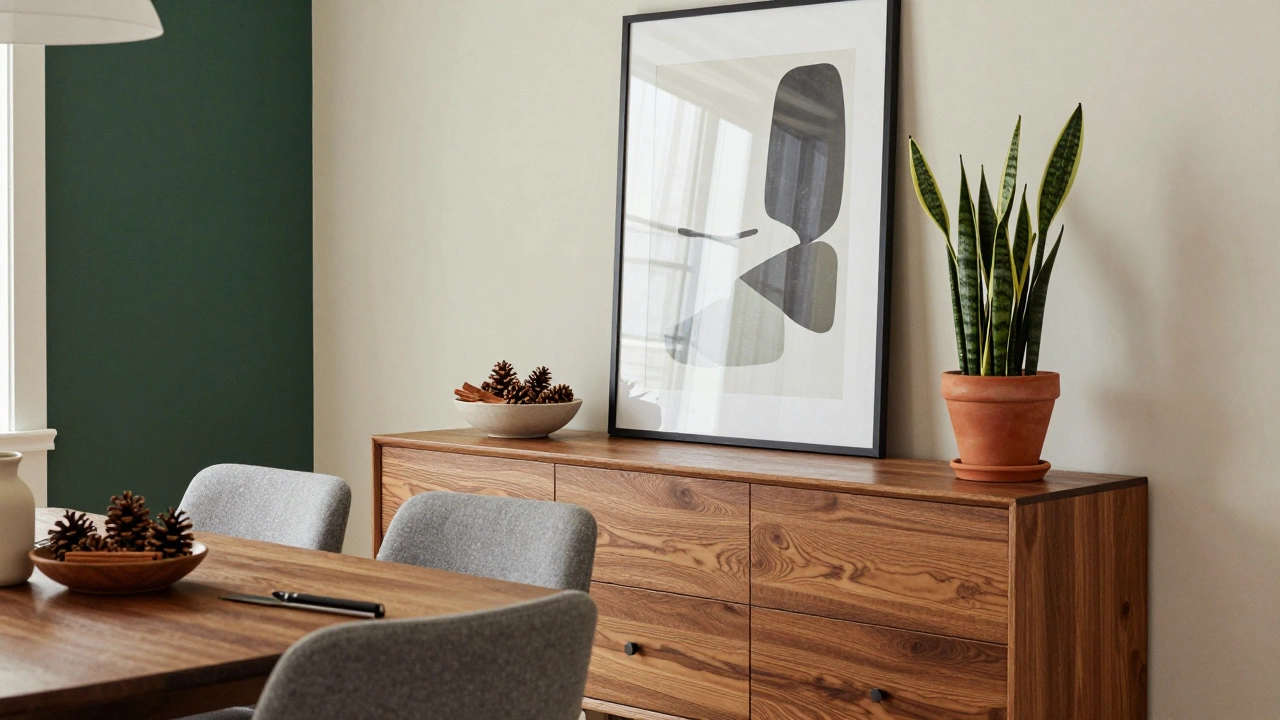
For low-light corners, go for hardy greens. A Snake Plant or a ZZ Plant stands tall, requires minimal water, and adds architectural interest. If your dresser gets some morning sun, a Pothos trailing over the edge softens the hard lines of the furniture. For a seasonal touch, fresh flowers are unbeatable. A simple bunch of tulips or eucalyptus in a ceramic vase changes the mood instantly. Rotate your greenery seasonally to keep the space feeling fresh.
Lighting: Setting the Mood After Dark
Dining rooms often rely on overhead lighting, which can be harsh during intimate dinners. Adding task or ambient lighting on your dresser solves this problem while acting as a decor element. Sconces mounted above the dresser save surface space, but table lamps offer flexibility.
Choose lamps with slender bases to avoid crowding the surface. A pair of matching brass or black metal lamps flanking the center creates symmetry. Alternatively, a single statement lamp on one end balances a larger plant on the other. Candlelight is also essential. Pillar candles in glass hurricanes or taper candles in holders add warmth. Electric candles are a safe bet if you have kids or pets, providing the same flickering glow without the fire hazard.
Personal Touches: Art and Accessories
This is where you inject personality. Generic decor feels cold; personal items tell a story. Lean a mirror against the wall behind the dresser to reflect light and make the room feel larger. Frame artwork that complements your dining chairs or table setting. Keep frames consistent in color or material for cohesion.
Add small sculptures, vintage bottles, or travel souvenirs. The key is restraint. Pick one or two focal points. If you have a large mirror, keep accessories minimal. If the background is plain, you can afford more eclectic pieces. Remember, less is often more. Leave negative space so the eye has somewhere to rest.
| Item Category | Best Placement | Why It Works |
|---|---|---|
| Mirror / Large Art | Centered, leaning against wall | Creates a focal point and reflects light |
| Tall Plants | Corners or ends | Frames the composition and adds height |
| Lamps | Flanking sides or one end | Provides warm lighting and balance |
| Trays with Small Items | Center or grouped with books | Keeps clutter organized and visually unified |
| Books | Stacked horizontally | Adds texture and acts as a riser |
Common Mistakes to Avoid
Even with good intentions, it’s easy to overcomplicate things. Here are the pitfalls that make a dresser look messy instead of styled:
- Too Much Clutter: If you can’t see the surface of the dresser, you’ve gone too far. Pull items back. Give each object room to breathe.
- Igoring Scale: Tiny vases get lost on a massive buffet. Oversized lamps overwhelm a narrow console. Match the size of your decor to the scale of the furniture.
- Mixing Too Many Styles: Stick to a cohesive palette. Mixing industrial metal, rustic wood, and glossy ceramics can look chaotic unless you’re an expert. Start with two materials max.
- Forgetting Function: Don’t block access to drawers or cabinets with decor. Ensure you can still open doors and pull out shelves easily.
Seasonal Swaps: Keeping It Fresh
You don’t need to redecorate every month, but swapping a few items keeps the dining room relevant. In winter, switch floral arrangements for pine cones, cinnamon sticks, or heavier fabrics like velvet runners. In summer, bring out bright colors, lighter woods, and citrus fruits in bowls. These small changes signal the change of seasons without a major overhaul.
Ultimately, your dining room dresser should reflect how you live and entertain. It’s a backdrop for meals, memories, and gatherings. By balancing practical storage with thoughtful decor, you create a space that welcomes guests and comforts your family. Start with a clean slate, build your triangles, and adjust until it feels right.
How high should items be on a dining room dresser?
Aim for a maximum height of about 18 to 24 inches for most items. This ensures that people sitting at the dining table can still see each other across the room. Tall plants or lamps should be placed at the ends, not the center, to maintain sightlines.
Can I put a TV on a dining room dresser?
Technically yes, but it’s generally discouraged. A TV turns the dining room into a living room extension, which can distract from conversation and meals. If you must, conceal it in a cabinet with sliding doors or place it in a corner where it’s not the focal point during dinner.
What is the difference between a sideboard and a buffet?
Historically, a buffet was used specifically for serving food, often with a solid top and no drawers, while a sideboard had storage for linens and dishes. Today, the terms are used interchangeably to describe any low, wide storage unit in a dining room. Focus on the function rather than the name.
Should I match the dresser to the dining table?
Matching sets can look formal and dated. Instead, aim for complementary styles. If your table is dark wood, a lighter dresser adds contrast. If your table is modern metal, a wooden dresser adds warmth. Mix textures and finishes for a curated, layered look.
How do I style a small dining room dresser?
Less is more. Stick to one or two items total. A single lamp and a small vase, or just a mirror and a tray. Avoid stacking books or multiple baskets, which will make the space feel cramped. Vertical elements like a tall, thin plant help draw the eye up without widening the footprint.